Are Downtown Areas Dead? How 'Fourth Spaces' Are Revolutionizing Urban Nightlife
- Jan 10
- 5 min read
Here's the tea: everyone keeps asking if downtown is dead, but y'all are missing the real story. While some folks are still mourning the "good old days" of packed office buildings and traditional bars, a whole new movement is quietly transforming how we experience urban nightlife. And bestie, it's not just about survival, it's about revolution.
Let's be real about the numbers first. As of 2023, downtown recovery rates range from 69% in San Francisco to a full 100% in Nashville. That's not dead, that's transformation in real time. But here's what's really interesting: the places thriving aren't just bouncing back to what they were before. They're becoming something entirely new.
The Death Reports Were Greatly Exaggerated
Before we dive into this fourth space phenomenon, let's address the elephant in the room. Yes, downtown areas took a hit during the pandemic. Office occupancy dropped dramatically: San Francisco saw a 29% decline, with Denver, Seattle, and Portland not far behind. Public transit ridership in major cities like Chicago, New York, and Philadelphia is still sitting below 60% of pre-pandemic levels.
But here's what the doom-and-gloom headlines aren't telling you: downtown residential populations have actually grown. Nearly all 26 major downtowns studied now have larger populations than they did in 2019. People aren't just working downtown anymore: they're living there, playing there, and creating community there.
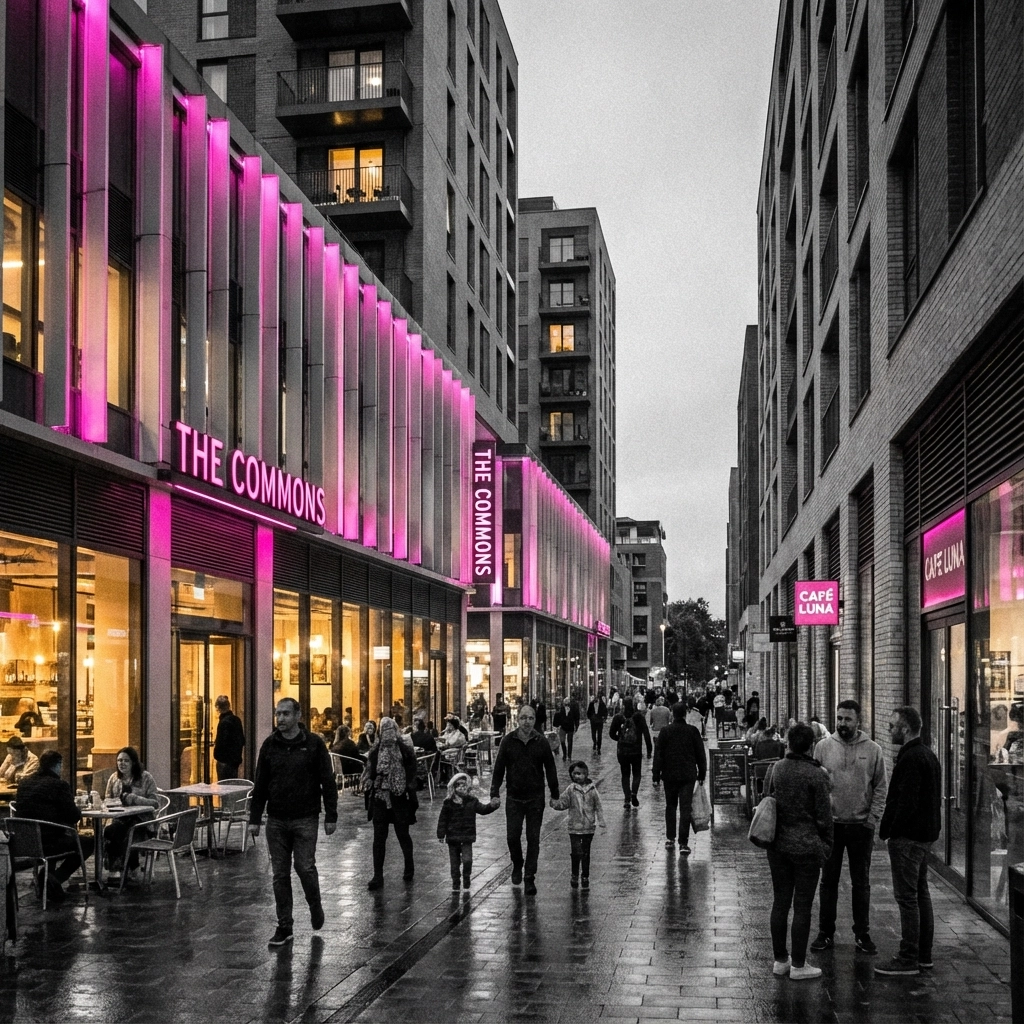
The cities that are absolutely crushing it right now? They're the ones that said "forget the 9-to-5 office district vibe" and went all-in on mixed-use, walkable spaces where people actually want to spend their time. Philadelphia, San Francisco, Seattle, Washington, Boston, Denver, and Portland now have more than 20% of their downtown workforce living within two miles of their cores.
Enter the Fourth Space: Beyond Home, Work, and Play
You know about first spaces (home), second spaces (work), and third spaces (social hangouts like cafés and bars). But fourth spaces? That's where the magic is happening in 2025, and it's completely reshaping our urban culture blog landscape.
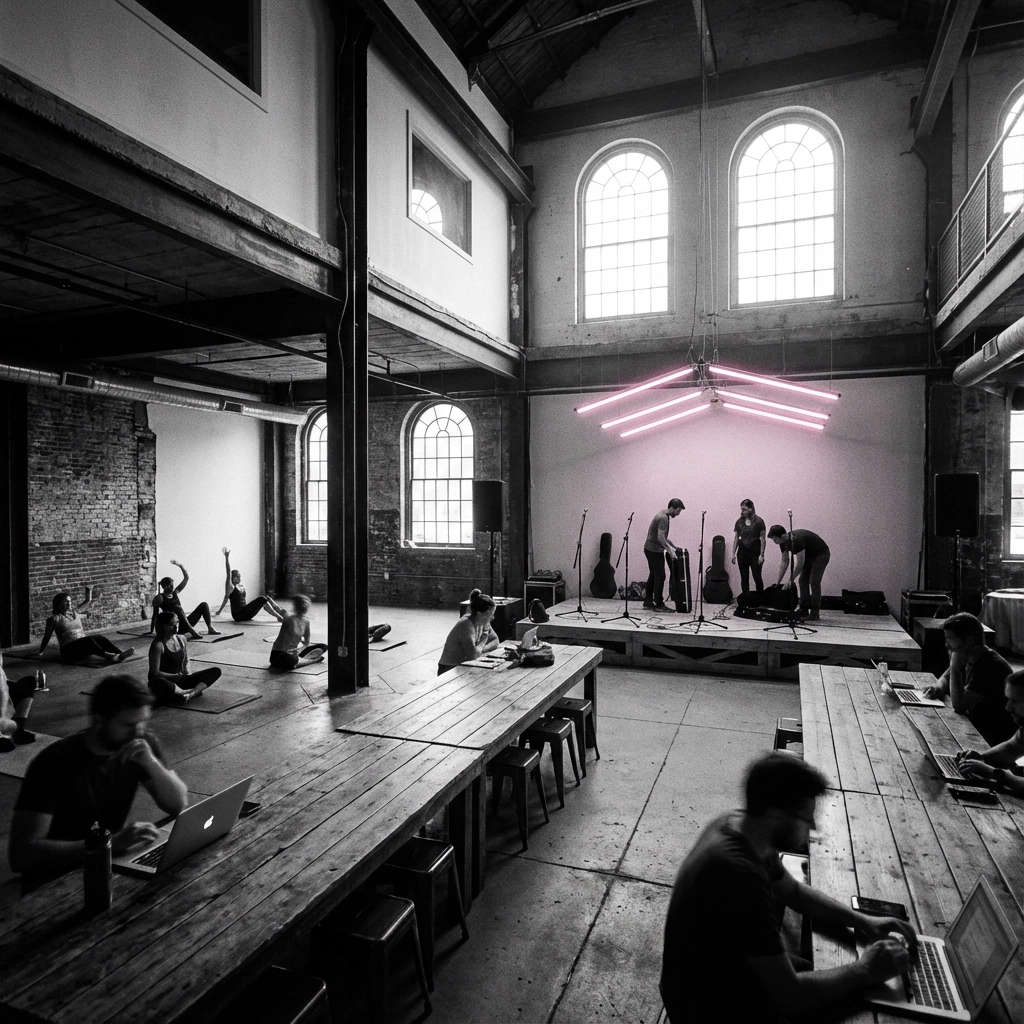
Fourth spaces are hybrid environments that blend multiple functions into one cohesive experience. Think of them as community-centered venues that serve as co-working spaces during the day, cultural events in the evening, and late-night social hubs when traditional venues close. They're not trying to be everything to everyone: they're being exactly what their communities need, when they need it.
These aren't your typical nightlife venues. Fourth spaces operate on the principle that community connection shouldn't be limited to alcohol-centered environments or expensive entertainment districts. They're democratizing nightlife and making it accessible, inclusive, and genuinely meaningful.
The New Nightlife Revolution: Real Examples That Are Changing Everything
Brooklyn's "The Commons" Movement
In Brooklyn, former warehouse spaces are being transformed into community-centered fourth spaces that host morning yoga, afternoon co-working sessions, evening art shows, and late-night music performances: all in the same space. These venues generate revenue throughout the day while building genuine community connections.
Detroit's Creative Collective Spaces
Detroit has emerged as a leader in fourth space innovation. Former automotive buildings now house creative collectives that combine artist studios, performance venues, food courts, and social spaces. The result? Neighborhoods that were written off a decade ago are now vibrant 24-hour communities.
Austin's "Porch Culture" Expansion
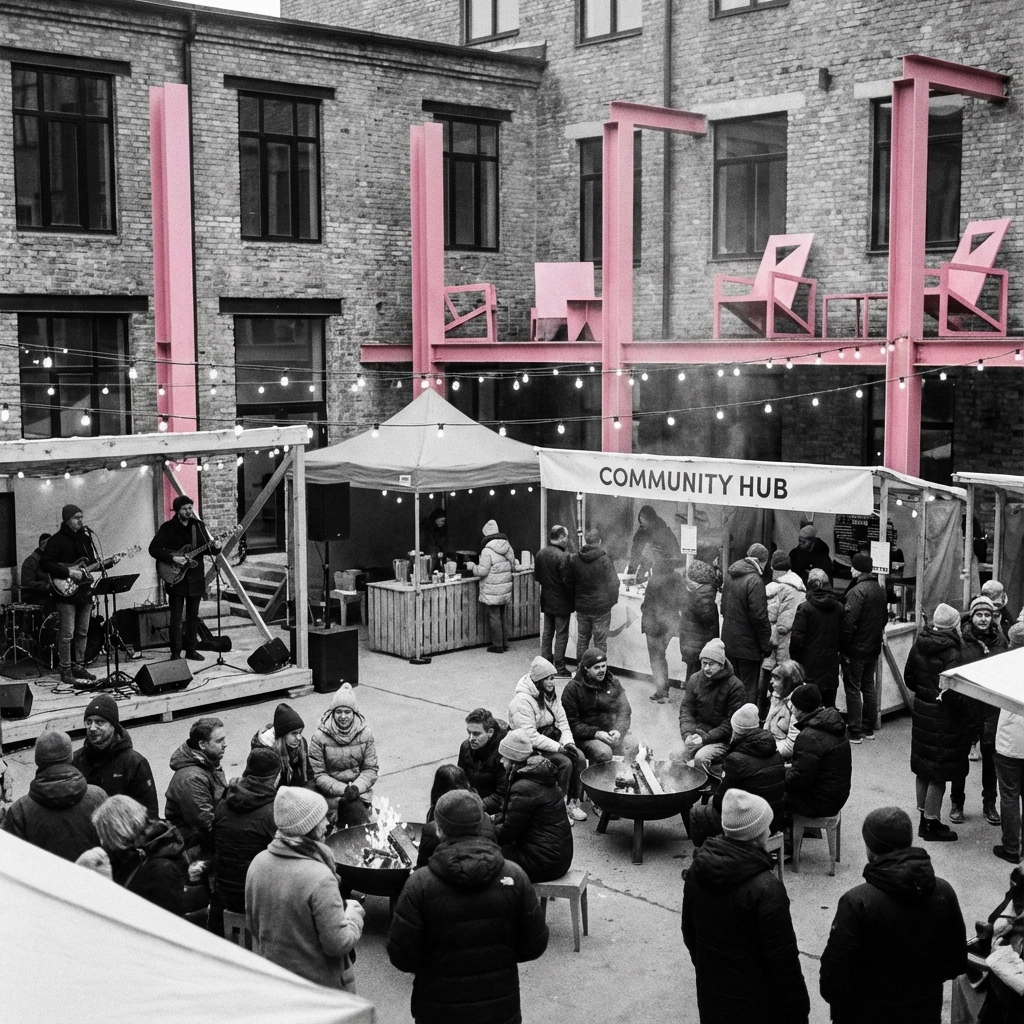
Austin took its famous porch culture and scaled it up. Multi-use venues now feature outdoor gathering spaces that transition from coffee culture in the morning to live music and community events at night. These spaces have become essential gathering points that support local artists while fostering neighborhood connections.
Why Traditional Nightlife Isn't Cutting It Anymore
Let's talk about why fourth spaces are filling a gap that traditional bars and clubs can't touch. Current events analysis shows us that people: especially younger generations: are looking for more than just a place to drink and dance. They want:
Meaningful connections over superficial interactions
Affordable options that don't require a $200 bar tab
Sober-friendly environments that don't center alcohol consumption
Multi-generational spaces that welcome different age groups
Creative expression opportunities beyond just consuming entertainment
Traditional nightlife venues operate on exclusivity and high margins. Fourth spaces operate on inclusion and community value. That difference is everything.
The Economics of Community-Centered Nightlife
Here's something that might surprise you: fourth spaces are often more profitable than traditional single-use venues. By maximizing space utilization throughout the day and week, they generate multiple revenue streams while building stronger community loyalty.
A traditional bar might be packed on Friday and Saturday nights but empty Monday through Thursday. A fourth space hosts morning fitness classes, afternoon co-working, evening workshops, and late-night social events. The math is simple: more consistent revenue equals more sustainable business models.
Plus, fourth spaces often partner with local businesses, artists, and community organizations, creating an ecosystem of mutual support that benefits everyone involved. When your venue becomes essential to the community's daily life, you're not just surviving market fluctuations: you're immune to them.
The Social Impact: Building Real Community
Fourth spaces aren't just changing nightlife: they're changing how communities form and maintain connections. In an era where social media often replaces face-to-face interaction, these venues create opportunities for authentic relationship building.
Research shows that people who regularly participate in community-centered activities report higher levels of life satisfaction and lower rates of anxiety and depression. Fourth spaces make these connections accessible without requiring formal commitments or expensive memberships.
They're also addressing urban loneliness: a real issue that affects millions of city dwellers. By creating environments where people can drop in casually and find their tribe, fourth spaces are literally improving mental health outcomes in urban communities.
What This Means for the Future of Cities
The rise of fourth spaces represents a fundamental shift in how we think about urban planning and community development. Instead of separating residential, commercial, and entertainment zones, successful cities are integrating these functions in ways that support human connection and community resilience.
This trend is particularly important as remote work continues to reshape how people interact with downtown areas. Fourth spaces bridge the gap between professional and personal life, offering environments where people can work, socialize, and contribute to community culture all in one place.
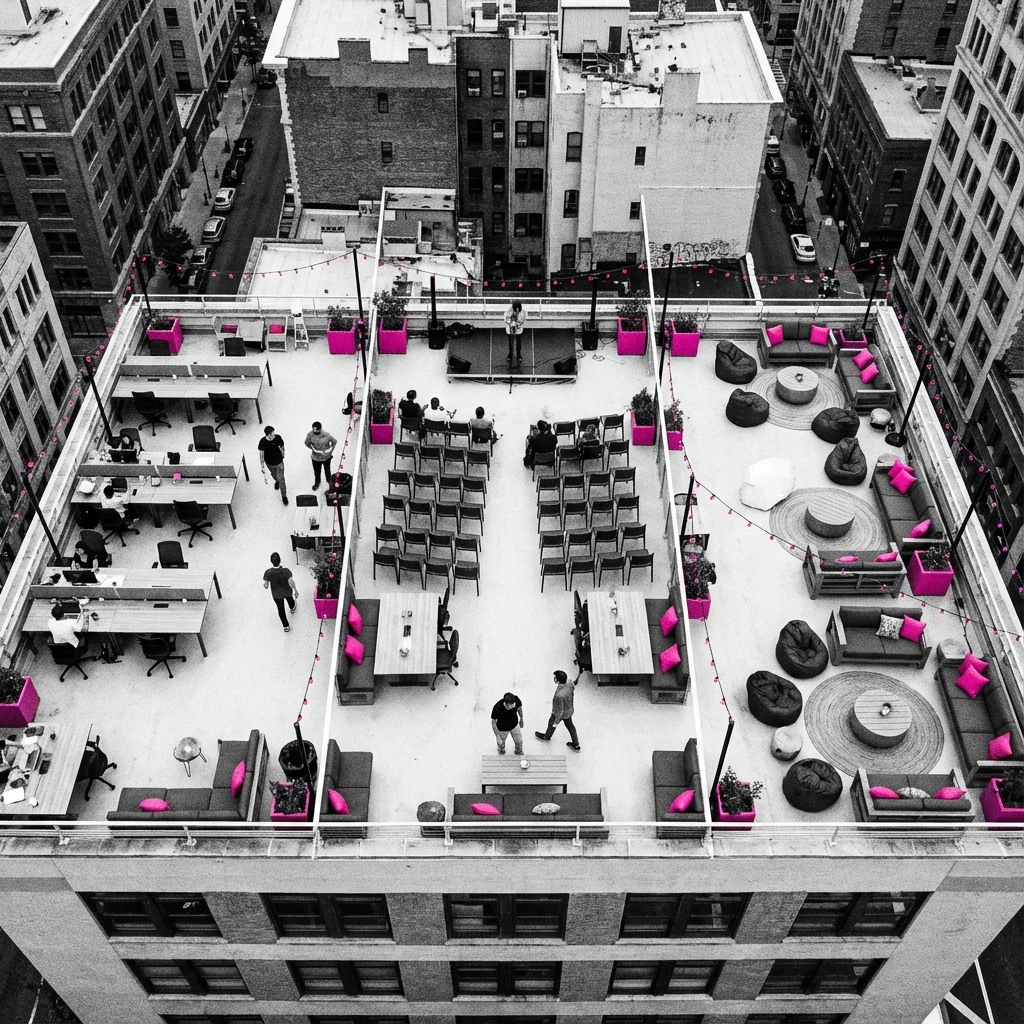
For urban planners, developers, and community leaders, fourth spaces offer a blueprint for creating vibrant, sustainable downtown areas that serve residents' actual needs rather than outdated assumptions about how city life should work.
Making It Work: What Successful Fourth Spaces Have in Common
After analyzing dozens of successful fourth spaces across different cities, certain patterns emerge:
Flexible Design: Spaces that can be easily reconfigured for different activities and group sizes
Community Input: Regular feedback loops with local residents and community organizations
Local Partnerships: Strong relationships with area businesses, artists, and cultural organizations
Diverse Programming: Activities that appeal to different age groups, interests, and cultural backgrounds
Accessible Pricing: Options that don't exclude people based on economic status
Safe Environments: Policies and practices that prioritize inclusion and safety for all community members
The Bottom Line: Downtown Isn't Dead, It's Different
So are downtown areas dead? Absolutely not. They're evolving, and fourth spaces are leading that evolution. These community-centered venues are proving that nightlife doesn't have to be expensive, exclusive, or alcohol-focused to be vibrant and profitable.
The cities and neighborhoods that embrace fourth space concepts aren't just surviving the current urban challenges: they're creating blueprints for more connected, sustainable, and genuinely enjoyable city living.
If you're someone who's been feeling disconnected from your urban community or frustrated with traditional nightlife options, fourth spaces might be exactly what you're looking for. And if you're someone interested in community development or urban planning, paying attention to this movement isn't optional: it's essential.
The revolution is happening right now, one community connection at a time. The question isn't whether downtown is dead: it's whether you're ready to be part of what's being born.
Comments