Art is Protest: How Murals and Street Art Fuel Movements From Ferguson to Brooklyn
Updated: Jan 10
Ever walked past a mural and felt something shift inside you? That's the power of art as protest, bestie. From Ferguson's walls demanding justice to Brooklyn's colorful declarations of resistance, street art isn't just pretty pictures: it's revolution painted in broad strokes on the canvas of our cities.
Let's be real: when traditional media fails communities, when politicians turn deaf ears, and when voices get silenced, walls start talking. And honey, they're saying everything we need to hear.
When Walls Become Weapons of Truth
You know what's wild? Street art has been calling out injustice longer than most of us have been alive. Think about it: while mainstream galleries kept their doors locked to certain communities, artists took their brushes to the streets. No permission needed, no gatekeepers deciding who gets to speak.
In Ferguson, after Mike Brown's death in 2014, murals appeared faster than city officials could remove them. Artists didn't wait for gallery openings or art grants. They grabbed spray cans, rollers, and whatever they could find to transform boarded-up storefronts into memorials, battle cries, and calls for justice. These weren't just pretty pictures: they were emergency broadcasts from a community in pain.
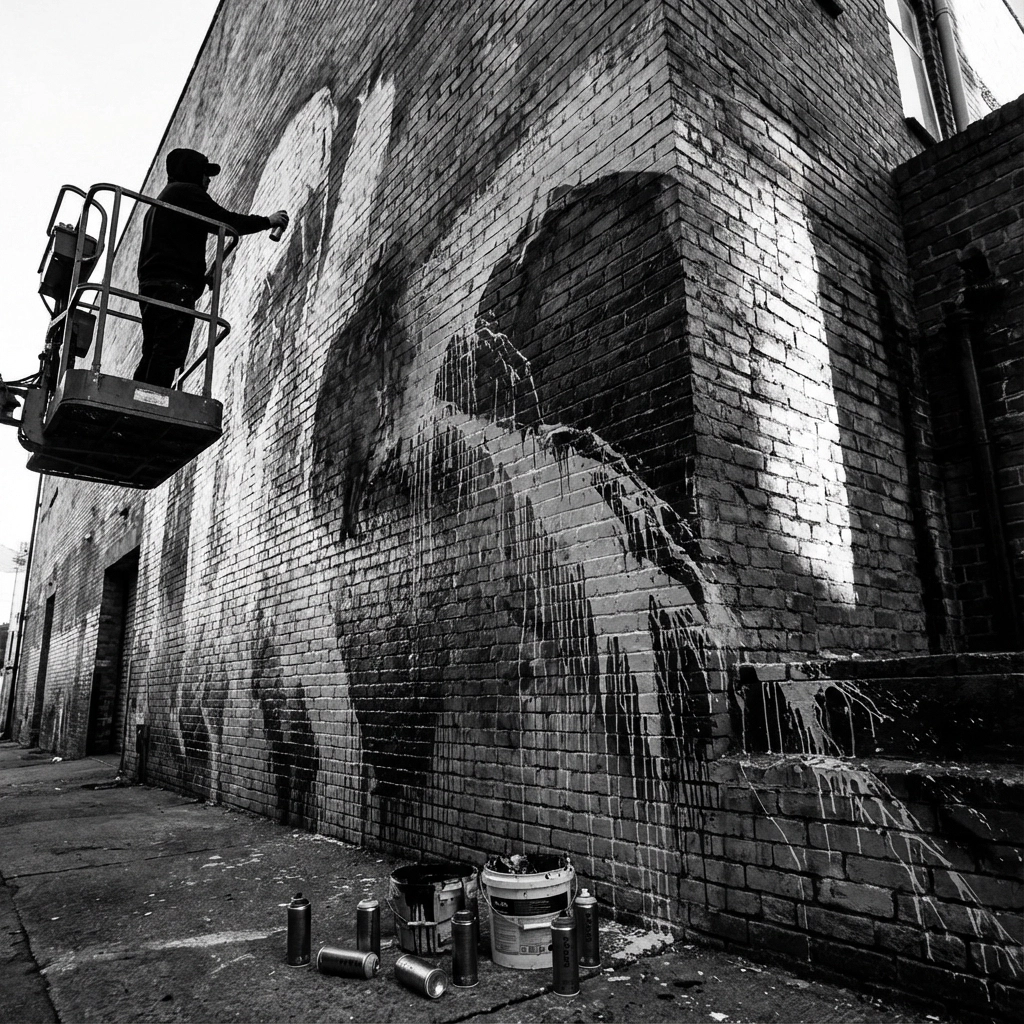
The beauty of protest art? It meets people exactly where they are. You can't ignore a 20-foot mural screaming "Black Lives Matter" on your daily commute. You can scroll past a social media post, change the channel when the news gets heavy, but that wall? That wall is going to make you think, whether you want to or not.
Brooklyn's Canvas of Resistance
Brooklyn has always been that friend who says what everyone's thinking but afraid to voice. The borough's walls tell stories that textbooks skip over: gentrification battles painted in vivid detail on buildings that might not be there next year.
In Bushwick, artists have turned entire blocks into outdoor galleries where rent hikes, displacement, and cultural erasure get the spotlight they deserve. These murals aren't just decoration; they're documentation. They're saying, "We were here, this is our story, and you can't erase us with fancy coffee shops and luxury condos."
What hits different about Brooklyn's street art scene is how it blends old-school New York grit with today's social justice movements. You'll see murals honoring victims of police brutality right next to pieces celebrating Caribbean heritage, queer pride, and immigrant stories. It's like the walls are having conversations with each other about what community really means.
The People's Gallery Has No Walls
Here's the tea: traditional art spaces have historically excluded the very communities that street artists represent. Museums charge admission fees that many can't afford, galleries exist in neighborhoods where some folks don't feel welcome, and art school isn't accessible to everyone.
But the street? The street is free admission, 24/7 access, no dress code required. It's the most democratic art space that exists, where a teenager with a can of spray paint can spark conversations that fancy installations never could.
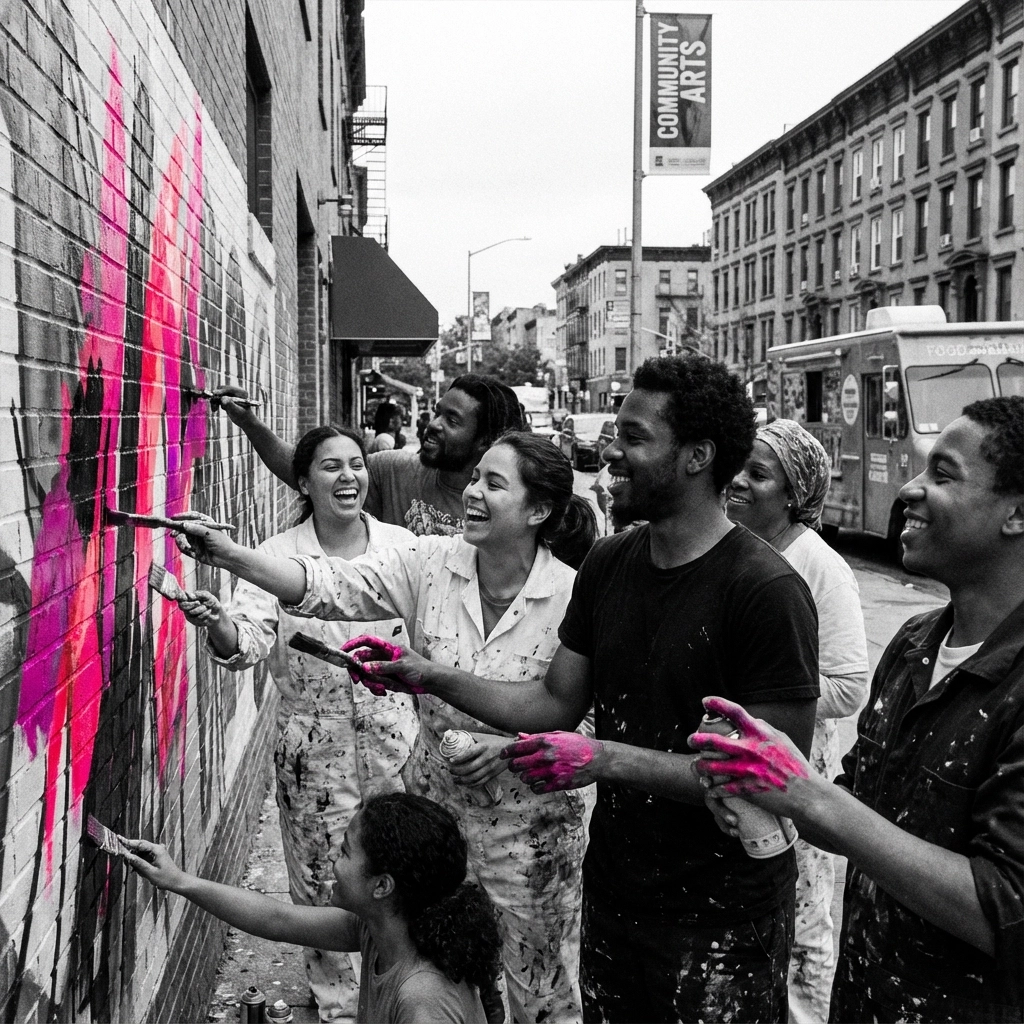
During the height of the Black Lives Matter movement, murals popped up in cities across America like flowers after rain. Each one unique, each one necessary, each one refusing to let injustice hide in plain sight. Artists worked in broad daylight and under cover of darkness, transforming blank walls into testimonies of resilience.
When Art Becomes Organizing
You might think street art is just individual expression, but let me tell you something: it's often deeply collective work. Artists collaborate with community members, incorporating their stories, their faces, their dreams into public masterpieces.
In Ferguson, local artists didn't just paint alone in their studios. They held community painting sessions, teaching neighbors how to use stencils and spray paint. They turned art-making into community building, grief processing, and strategic planning all rolled into one.
This collaborative approach echoes back to the Chicano mural movement of the 1960s, when artists in neighborhoods throughout the Southwest created works that weren't just about aesthetic beauty: they were about cultural reclamation and political power. These murals said, "This is our neighborhood, these are our values, and we deserve to be seen."
The Digital Age Meets Brick and Mortar
Social media has supercharged street art's impact in ways previous generations of artists could never imagine. A mural in Ferguson gets photographed, shared, and seen by millions within hours. Brooklyn street art trends on Instagram, bringing global attention to local issues.
But here's what's beautiful: even in our digital world, physical murals hit different. There's something about standing in front of a massive piece of protest art that a phone screen can't replicate. The scale, the colors bleeding into your peripheral vision, the way other people stop and stare alongside you: it creates community in real time.
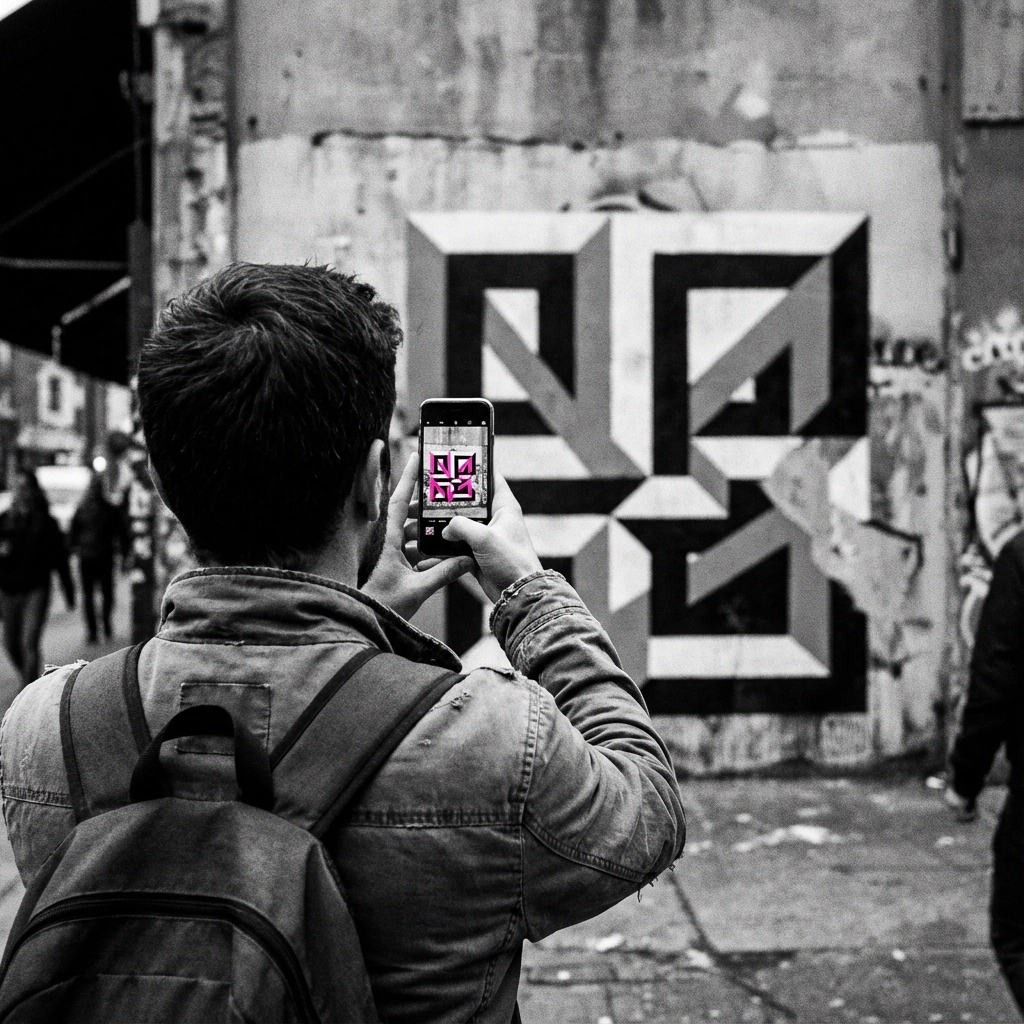
Artists today use both traditional techniques and digital tools to maximize their impact. They'll paint during the day and share time-lapse videos at night. They'll create QR codes within their murals that link to resources for community organizing or mental health support.
Beyond Beautification: Art as Survival
Let's get deeper for a moment. For many communities, street art isn't just artistic expression: it's psychological survival. When mainstream media only shows your neighborhood during crime reports, when textbooks erase your history, when politicians only visit during election seasons, murals become proof of life.
They say, "We exist beyond your stereotypes. We have beauty, complexity, dreams, and demands." They transform spaces that society has written off into sites of possibility and pride.
In gentrifying neighborhoods, murals also function as resistance to displacement. They're claiming space, asserting belonging, and sometimes literally covering over developers' advertisements for luxury apartments that current residents can't afford.
The Ripple Effect of Visual Rebellion
One mural inspires another. One neighborhood's artistic uprising gives another community permission to tell their own story. Ferguson's walls influenced artists in Baltimore, who influenced artists in Minneapolis, who influenced artists in cities you've never heard of.
This isn't coincidence: it's strategy. Street artists understand something that politicians often miss: people need to see their struggles reflected back to them. They need to know they're not alone, not crazy, not invisible.
When a mural goes up demanding justice for a victim of police violence, it's not just honoring that individual: it's creating space for community grief, rage, and healing. It's making the invisible visible and the silenced heard.
Your Role in the Revolution
Here's where you come in, bestie. You don't need to be an artist to support art as protest. You can amplify street artists' voices on social media, support community mural projects, or even just stop and really look the next time you pass public art.
These murals exist because communities poured their hearts onto walls when nowhere else felt safe enough to hold their truth. The least we can do is witness, share, and remember.
The revolution isn't just happening in voting booths or at protests: it's happening on walls, under bridges, and on the sides of buildings you pass every day. Open your eyes, and you'll see it everywhere.
Because at the end of the day, art isn't just protest: it's proof that beauty and resistance can coexist, that creativity and activism go hand in hand, and that sometimes the most powerful speeches aren't given from podiums but painted on walls for everyone to see.
The streets are talking. Are you listening?


Comments