Borderline Personality Disorder (BPD): Real Urban Struggles & Survival
Let's be real about something that affects millions but gets talked about like it's some rare, scary diagnosis.
Borderline Personality Disorder isn't just "being moody" or "dramatic." When you're living with BPD in the city, every day feels like you're trying to navigate an emotional hurricane while the world keeps moving at breakneck speed around you.
If you're reading this and thinking "that sounds like me," you're not alone. And if you're trying to understand someone in your life with BPD, here's the tea on what it's actually like.
What BPD Actually Looks Like in Urban Life
Picture this: You wake up in your cramped apartment, and before you even get out of bed, your brain is already at 100. The neighbor's dog is barking. Traffic is honking. Your phone is buzzing with notifications that feel overwhelming.
For someone with BPD, this isn't just annoying: it's like your nervous system is already in crisis mode before 8 AM.
BPD shows up as intense emotions that feel impossible to control. One minute you're fine, the next you're spiraling because your friend didn't text back fast enough. Your emotions don't just change: they explode and consume everything in their path.
In urban environments, this gets amplified. The constant noise, chaos, and stimulation that comes with city living? It keeps your anxiety cranked up to maximum all day long. Research shows that people with BPD have a 13% reduction in amygdala volume but experience excessive activation in response to stimuli. Translation: your brain's alarm system is both damaged and hyperactive.
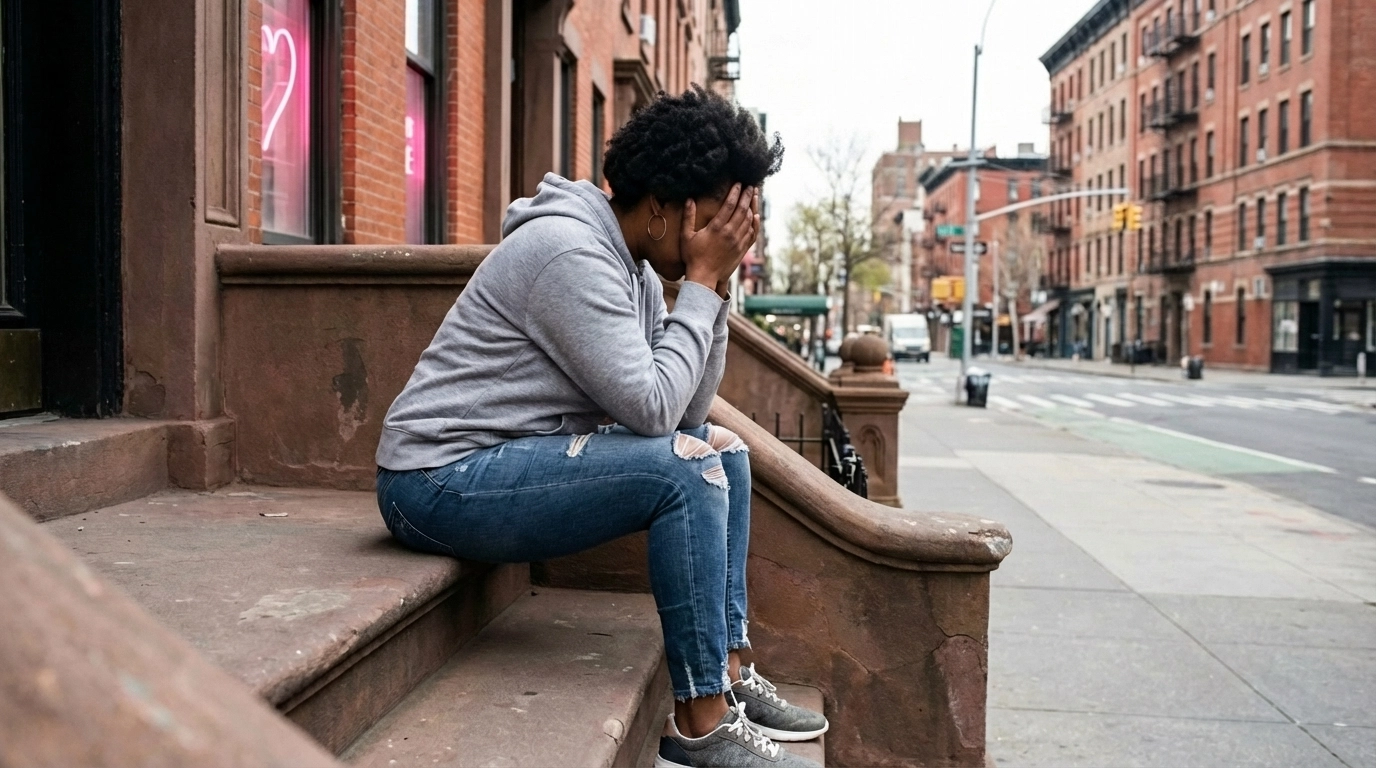
The City Makes Everything Harder
Here's what people don't tell you about having BPD in the city: the environment itself becomes your enemy.
Every subway ride is an exercise in not having a panic attack. Every crowded street feels like sensory overload. Every siren, construction noise, and honking car sends your nervous system into fight-or-flight mode.
Cities with minimal green space and endless concrete surfaces make BPD symptoms worse. Your brain needs calm, natural environments to heal, but you're surrounded by concrete and chaos. It's like trying to meditate in a nightclub.
The hypervigilance is exhausting. Even in "safe" neighborhoods, you're constantly scanning for threats, reading facial expressions, analyzing tone of voice. Your brain is working overtime just to exist in public spaces.
And let's talk about housing. BPD makes relationships volatile: with landlords, employers, family members. When your emotional reactions feel out of proportion to the situation, you're at risk of losing housing, losing jobs, burning bridges you can't afford to burn in an expensive city.
When Your Emotions Feel Like Too Much
The hallmark of BPD is emotional dysregulation that feels completely out of your control.
You don't just get sad: you get soul-crushingly devastated by a coworker's comment. You don't just get angry: you get rage that feels like it might consume you. You don't just worry: you catastrophize until you're convinced everything is falling apart.
In urban settings, triggers are everywhere. The person who bumped into you on the subway wasn't being malicious, but your BPD brain interprets it as rejection or attack. The friend who canceled plans isn't avoiding you, but your abandonment fears spiral into panic.
The worst part? You often know your reaction doesn't match the situation, but you can't stop it. It's like watching yourself from outside your body, knowing you're overreacting but feeling powerless to change it.
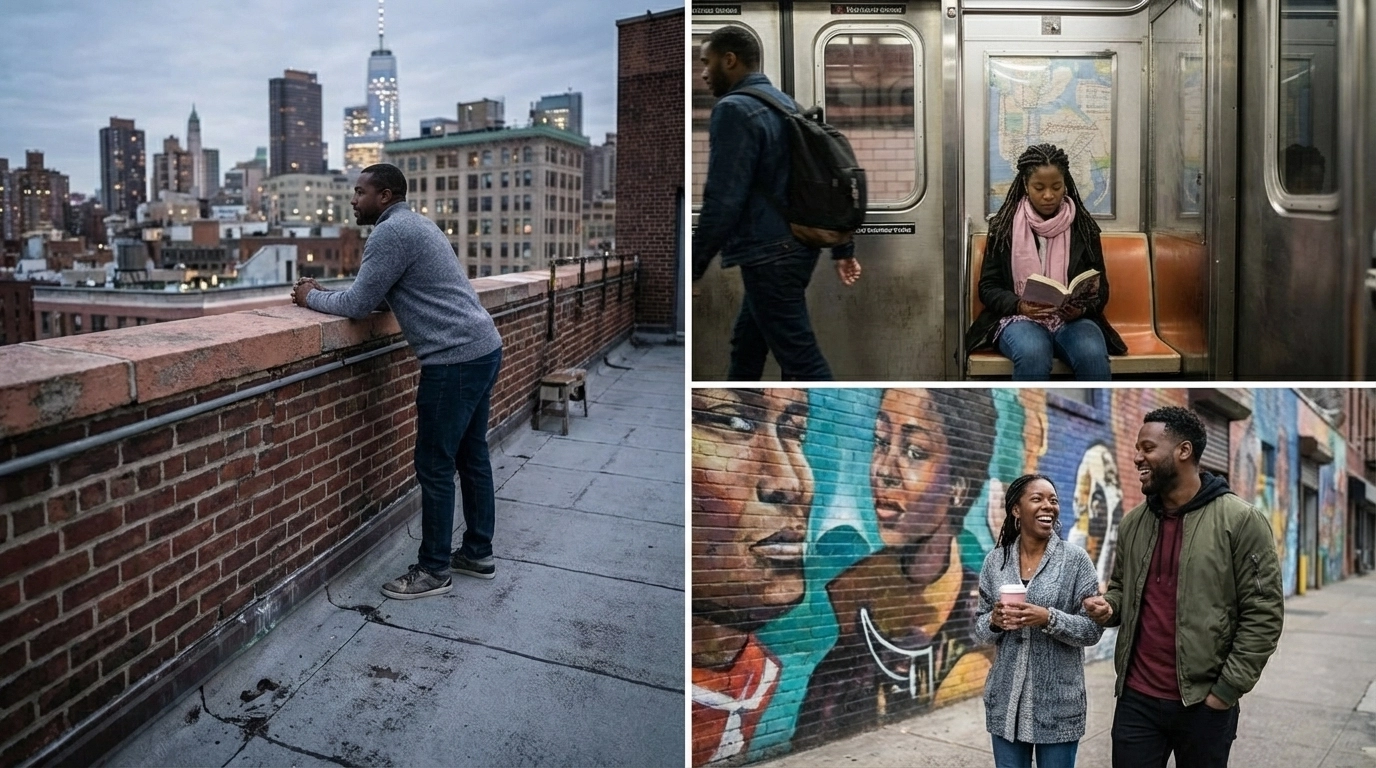
Relationships Are a Battlefield
BPD makes you crave connection while simultaneously sabotaging it.
You want people close, but you're terrified they'll leave. So you push them away before they can hurt you. Or you cling so tightly that you suffocate them. There's rarely a middle ground.
Urban dating is especially brutal with BPD. Dating apps feel like constant rejection. Ghosting sends you into emotional freefall. The casual nature of city relationships clashes with your need for deep, intense connection.
You might find yourself in toxic relationships because any attention feels better than abandonment. Or you might isolate completely because relationships feel too dangerous, too overwhelming.
The Stigma Hits Different in the City
Let's talk about the elephant in the room: BPD stigma is real, and it's especially harsh in urban professional environments.
You can't tell your boss you had a BPD episode and couldn't come to work. You can't explain to dates that you have an emotional disorder without risking judgment. Mental health is more talked about now, but BPD still carries the "crazy ex-girlfriend" stereotype.
In marginalized communities, there's additional pressure to "keep it together." Mental health resources are limited. Cultural stigma around therapy and medication is real. Family might not understand why you can't just "get over it."
You're fighting internal battles while trying to maintain the facade of having your life together in a city that demands constant productivity and performance.
Survival Strategies That Actually Work
Despite what the internet might tell you, surviving BPD in the city isn't about bubble baths and positive thinking. It's about practical strategies for crisis management.
Environmental modification is crucial. When possible, seek out green spaces. Parks, waterfront areas, anything with trees and open sky. Research shows that walking in natural settings increases hippocampus volume, which can help with emotional regulation.
Even small changes help: plants in your apartment, taking routes through tree-lined streets, sitting by windows with natural light.
Grounding techniques for urban overwhelm:
Name 5 things you can see, 4 you can touch, 3 you can hear, 2 you can smell, 1 you can taste
Feel your feet on the ground when walking
Carry something with texture (stress ball, smooth stone) to focus on
Use noise-canceling headphones or calming playlists
Create structure without rigidity. BPD brains thrive on routine but rebel against strict control. Build flexible rhythms: regular sleep times, consistent meals, daily check-ins with yourself.
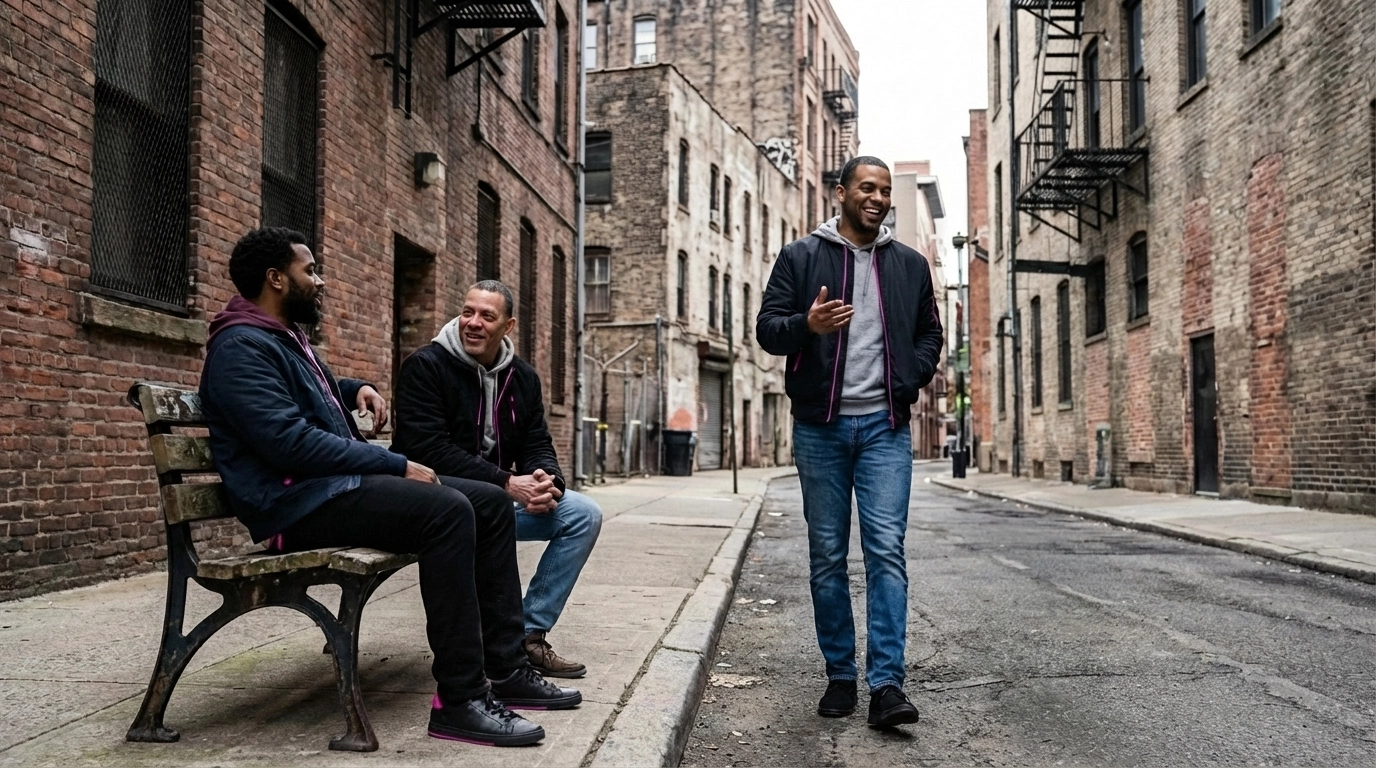
Building Your Urban Support Network
You don't need a huge support system: you need the right one.
Online communities can be lifesavers when in-person support is limited. Reddit groups, Discord servers, and mental health apps provide 24/7 connection when you're struggling at 3 AM.
Look for:
DBT (Dialectical Behavior Therapy) groups: many are offered on sliding scale
Community mental health centers
Peer support groups through NAMI (National Alliance on Mental Illness)
Crisis text lines for immediate support
Cultural and community organizations often provide mental health resources tailored to specific communities. Black Mental Health Alliance, Latinx Therapy, LGBTQ+ affirming therapists: seek out providers who understand your intersecting identities.
The Professional Help That Actually Helps
DBT is the gold standard for BPD treatment. It teaches practical skills for managing intense emotions, improving relationships, and tolerating distress without making things worse.
Schema therapy is also showing promising results for reducing self-harm and suicidal thoughts. But here's the reality: individual therapy can only do so much when your daily environment is working against your healing.
If you can't afford traditional therapy, look into:
Community college psychology programs offering low-cost services
Training clinics where graduate students provide supervised therapy
Telehealth options that might be more affordable
Self-help DBT workbooks and online courses
When Crisis Hits
BPD often comes with suicidal thoughts and self-harm urges. This isn't attention-seeking: it's brain chemistry and emotional overwhelm.
Urban crisis resources:
988 Suicide & Crisis Lifeline (call or text 988)
Crisis Text Line (text HOME to 741741)
Your local hospital emergency department
Mobile crisis teams in many cities
Create a crisis plan before you need it:
List of people to call
Grounding techniques that work for you
Reasons to stay alive (however small)
Professional emergency contacts
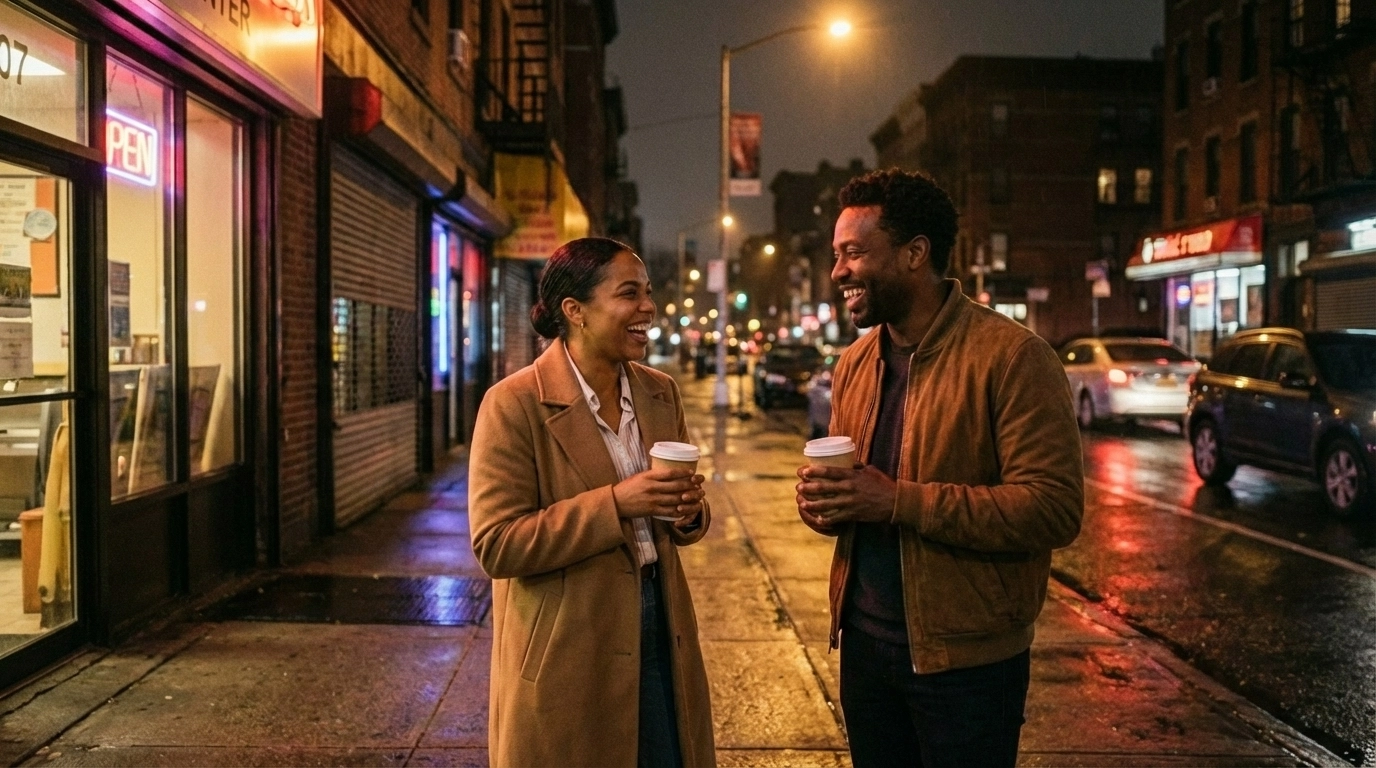
The Daily Reality
Living with BPD in the city means accepting that some days will be harder than others. It means learning to ride emotional waves instead of being swept away by them.
It means finding moments of peace in chaotic environments. It means building skills to navigate relationships without burning them down. It means accepting that healing isn't linear, especially when your environment is constantly triggering.
You're not broken. You have a neurobiological condition that makes emotional regulation difficult, and you're trying to manage it in an environment that makes everything harder.
Moving Forward
Urban living with BPD requires creativity, flexibility, and self-compassion. The city might amplify your struggles, but it also offers resources, diversity, and opportunities for connection that smaller communities can't provide.
Your emotions are valid, even when they feel overwhelming. Your struggles are real, even when others don't understand. Your healing is possible, even when progress feels slow.
The goal isn't to become "normal": it's to build a life that works for your brain, in the environment where you are, with the resources you have access to.
You deserve support. You deserve understanding. You deserve to take up space in this world, BPD and all.
If you're struggling with BPD, connect with others who get it. Join our Mental Health Hub for real conversations about mental health in urban communities.
You're not alone in this.


Comments