City Nightlife Comeback: How Urban Clubs Are Redefining Safe Spaces for 2026
Updated: Jan 15
Y'all, let's be real about what's happening in our cities right now. The nightlife scene isn't just bouncing back from the pandemic: it's completely reinventing itself, and honestly? It's about time. If you've been wondering why your favorite club feels different lately or why new spots are popping up with whole different vibes, you're not imagining things. Urban nightlife is getting a major glow-up, and safety isn't just an afterthought anymore: it's the main character.
Here's the tea: 73% of young adults say they're more conscious about their safety and well-being when choosing where to spend their nights out compared to pre-2020. That's not just a statistic: that's a whole cultural shift that's forcing venues to completely rethink what it means to create spaces where people can truly let loose without compromising their peace of mind.
The Great Nightlife Reset
Remember when going out meant accepting certain risks as just "part of the experience"? Those days are officially over, bestie. The pandemic didn't just pause nightlife: it gave everyone time to think about what they actually wanted from their social experiences. Now that we're moving into 2026, venues are responding to what their communities are actually asking for.
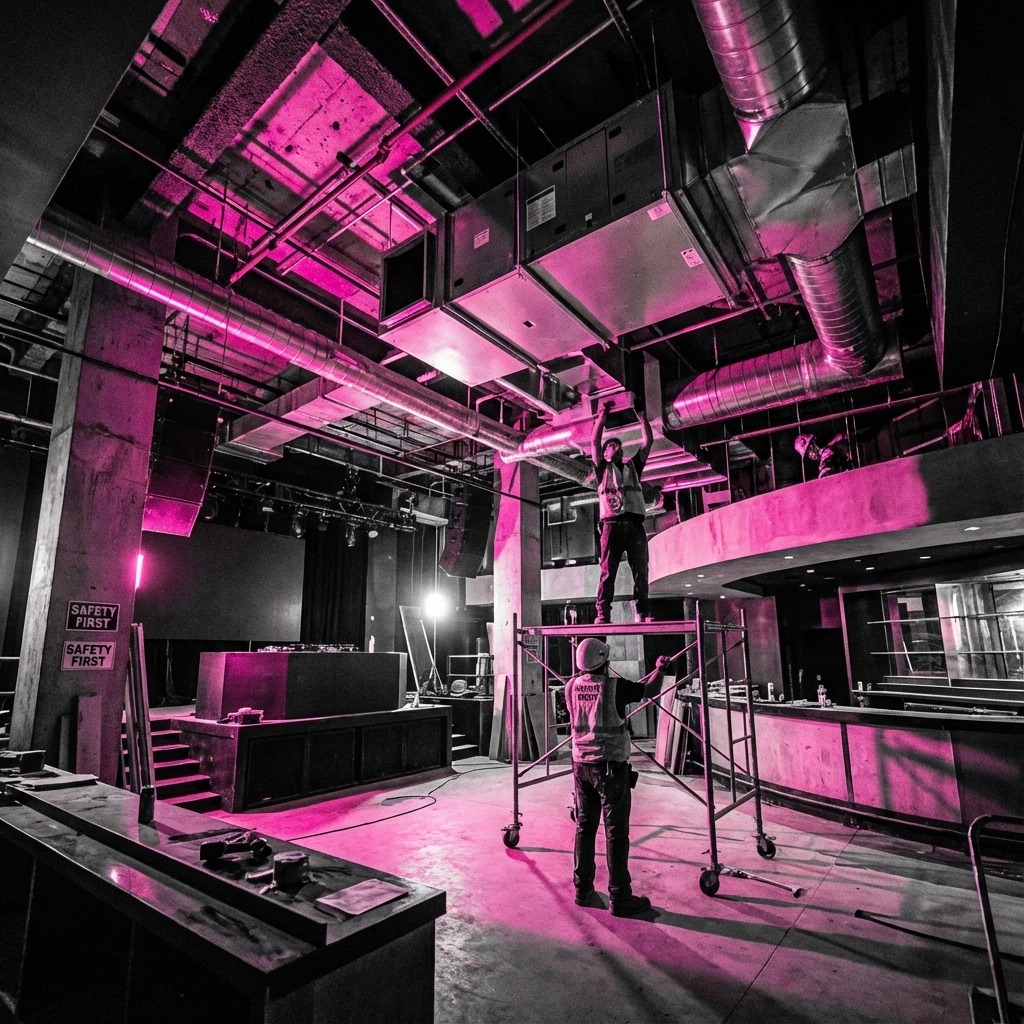
The shift started with health protocols, but it's evolved into something much deeper. Club owners realized that when people felt genuinely safe, they stayed longer, spent more, and became loyal customers who brought their friends. It wasn't just good ethics: it was good business.
What does this look like in practice? Enhanced ventilation systems that actually work, crowd management that prevents dangerous overcrowding, and contactless services that reduce unnecessary interactions. But here's where it gets interesting: venues aren't just stopping at the basics. They're creating designated quiet zones, comfortable seating areas that aren't just afterthoughts, and spaces specifically designed for people who need a breather without having to leave entirely.
The Soft Clubbing Revolution
If you haven't heard of "soft clubbing" yet, you're about to see it everywhere. This trend is flipping the script on what nightlife even means. We're talking about daytime gatherings, sober-conscious events, and experiences that prioritize genuine connection over getting lit.
Picture this: it's 9 AM on a Saturday, and there's a line around the block for a coffee shop that's hosting a DJ set with live art installations. No alcohol, no pressure to stay out until 4 AM, just good music, great coffee, and people actually having conversations instead of shouting over bass drops.
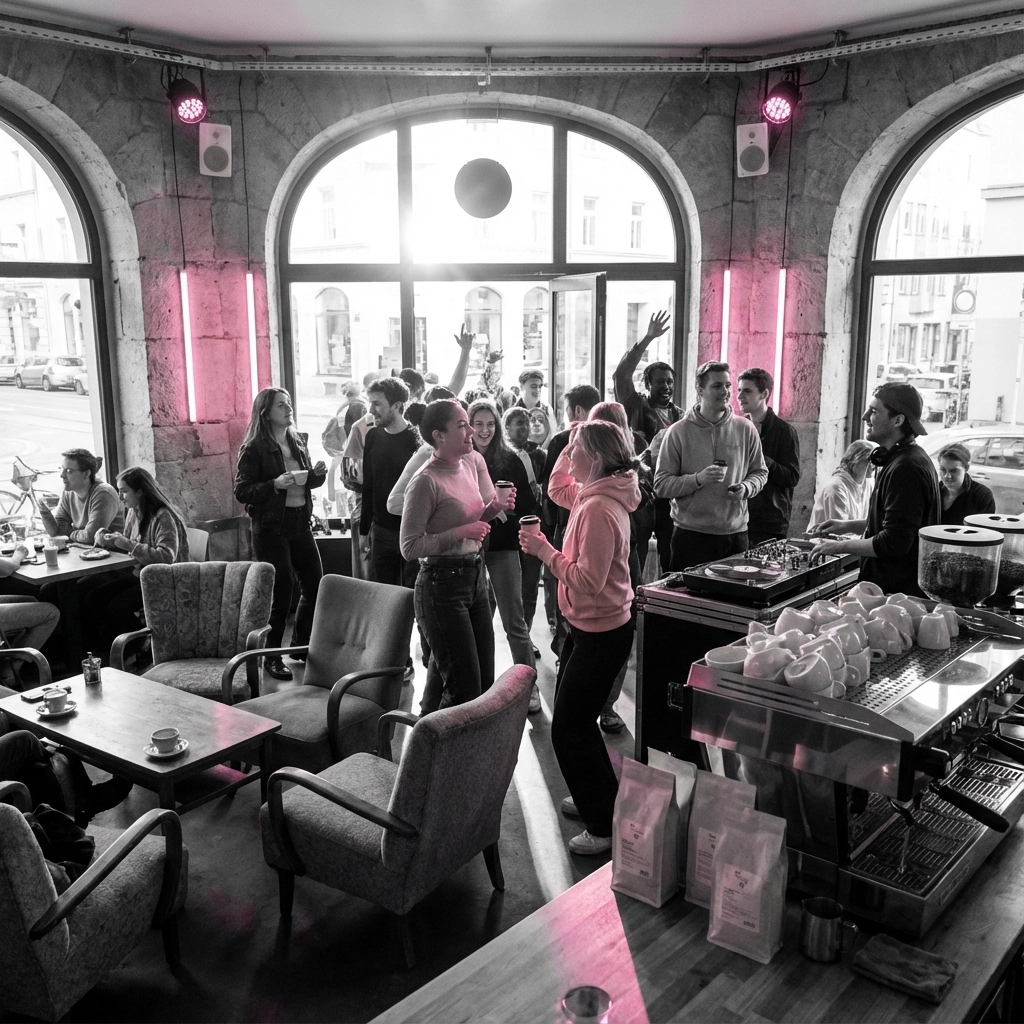
This movement is being led by Gen Z and millennials who are saying "thanks, but no thanks" to the traditional booze-soaked club experience. They want curated experiences that look good on their feeds, sure, but more importantly, they want spaces where they can be themselves without having to navigate the weird power dynamics and safety concerns that come with traditional nightlife.
The success of these events is proving something venues have been slow to understand: people don't just want to party: they want to connect, create memories, and feel good about themselves the next day.
Technology Making the Difference
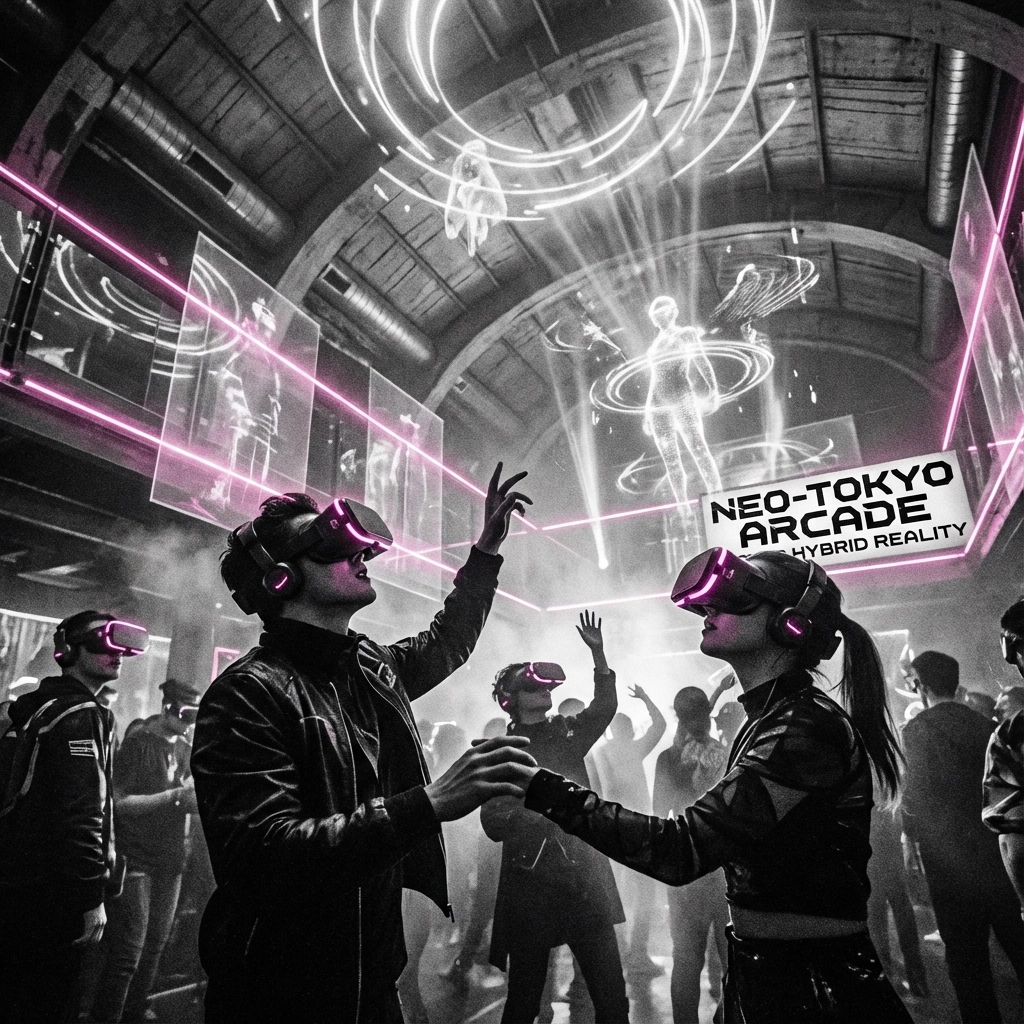
Let's talk about how technology is revolutionizing the club experience in ways that actually matter. We're not just talking about fancy lighting systems (although those are pretty fire too). Virtual reality experiences are creating immersive environments that transport you somewhere completely different without the claustrophobia of packed dance floors.
But the real game-changer? Hybrid events that combine in-person and online experiences. This isn't just about reaching more people: it's about creating inclusive spaces for folks who might not feel safe or comfortable in traditional club environments. Whether someone's dealing with social anxiety, physical limitations, or just prefers to ease into social situations, these hybrid formats are opening doors that used to be firmly closed.
Crowd management technology is another major player. Smart systems that monitor capacity in real-time, predict crowd flow patterns, and alert staff to potential issues before they become problems. This isn't Big Brother surveillance: this is clubs taking responsibility for creating genuinely safe spaces.
Breaking Down the Walls: Cross-Generational Spaces
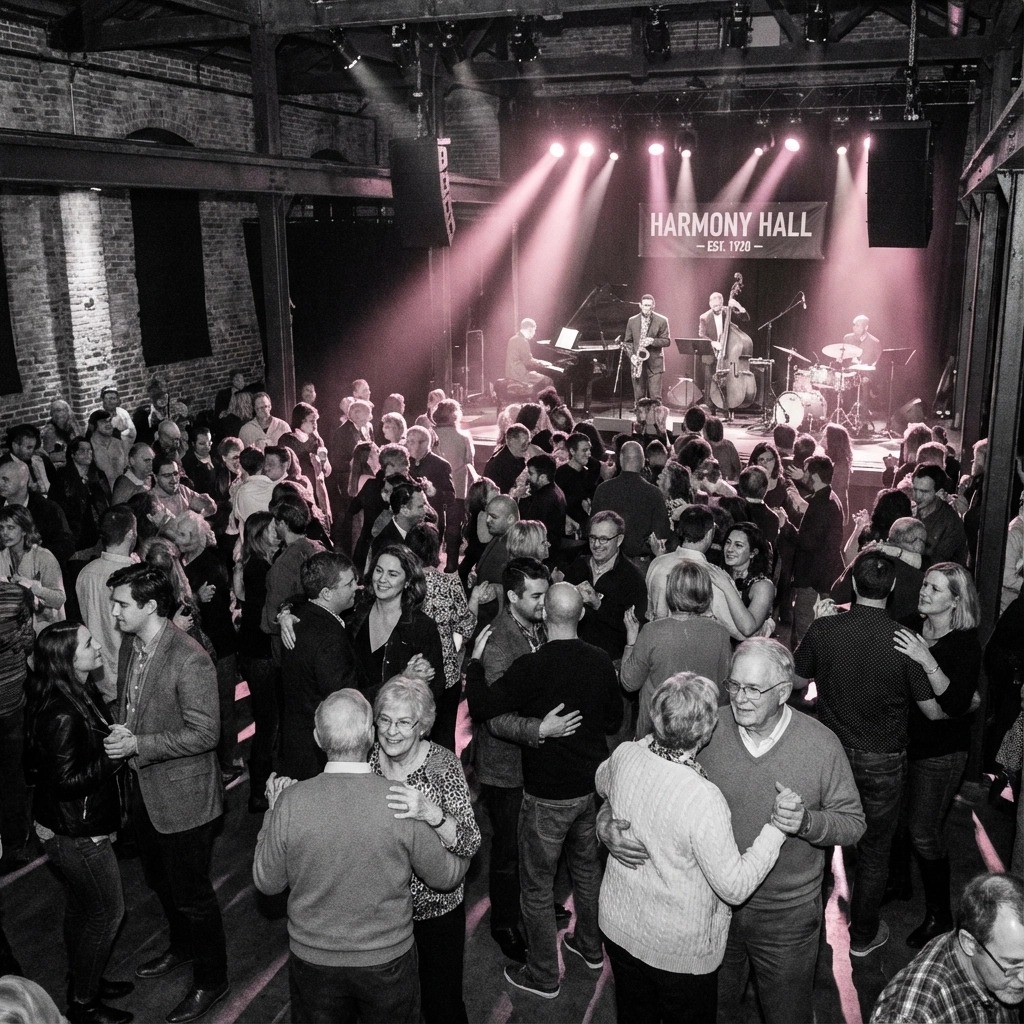
Here's something beautiful happening in urban nightlife right now: age isn't dictating who gets to enjoy what spaces anymore. Venues are creating cross-generational experiences where your mom, your little sister, and your grandma could all find something to enjoy in the same space: not because they're dumbing things down, but because they're elevating the entire experience.
These spaces feature live jazz bands alongside DJs, cultural performances that honor different communities, and events that celebrate the full spectrum of what nightlife can be. When venues create these inclusive environments, something magical happens: people feel safer because there's natural community oversight, conversations become more interesting, and the whole energy shifts from predatory to protective.
This approach is also addressing one of the biggest safety concerns in traditional nightlife: the isolation that can make people vulnerable. When spaces welcome diverse groups, there are more eyes looking out for each other, more voices speaking up when something doesn't feel right.
Real Talk: The Challenges Venues Face
Let's not sugarcoat this: creating these safer spaces isn't easy or cheap. Venue owners are dealing with higher operating costs, more complex logistics, and the challenge of educating their staff on new approaches to hospitality and safety.
The financial reality is real: enhanced safety measures, better ventilation systems, and more comprehensive staff training all cost money. Some venues are struggling to balance these investments with keeping their events accessible to their communities. It's a challenge that requires creative solutions and community support.
There's also the cultural pushback from people who think these changes are making nightlife "soft" or "boring." But here's the thing: the numbers don't lie. Venues that have embraced these changes are seeing increased customer loyalty, better reviews, and ultimately, stronger business.
Success Stories That Give Us Hope
The venues getting it right are showing everyone else what's possible. Take Chicago's underground scene, where several clubs have implemented comprehensive safety training for all staff, created clear reporting systems for harassment, and established partnerships with local mental health organizations to provide on-site support during events.
In Atlanta, a collective of Black-owned venues has created a network where they share safety resources, cross-promote each other's events, and maintain a unified standard for creating inclusive spaces. Their events consistently sell out, not just because of the music, but because people trust these spaces.
Brooklyn's warehouse scene has embraced the hybrid model, with venues streaming their events globally while maintaining intimate in-person experiences. They've found that this approach doesn't diminish the live experience: it enhances it by creating a sense of connection with a larger community.
Looking Forward: What 2026 Really Means
As we head deeper into 2026, the venues that are thriving aren't just adapting to new expectations: they're setting new standards for what nightlife can be. They're proving that safety and fun aren't opposites, that inclusivity makes experiences better for everyone, and that community-centered approaches create lasting success.
This transformation isn't just about clubs protecting themselves legally: it's about recognizing that nightlife plays a crucial role in urban community building. When done right, these spaces become places where people form friendships, build networks, discover new music and art, and feel connected to something larger than themselves.
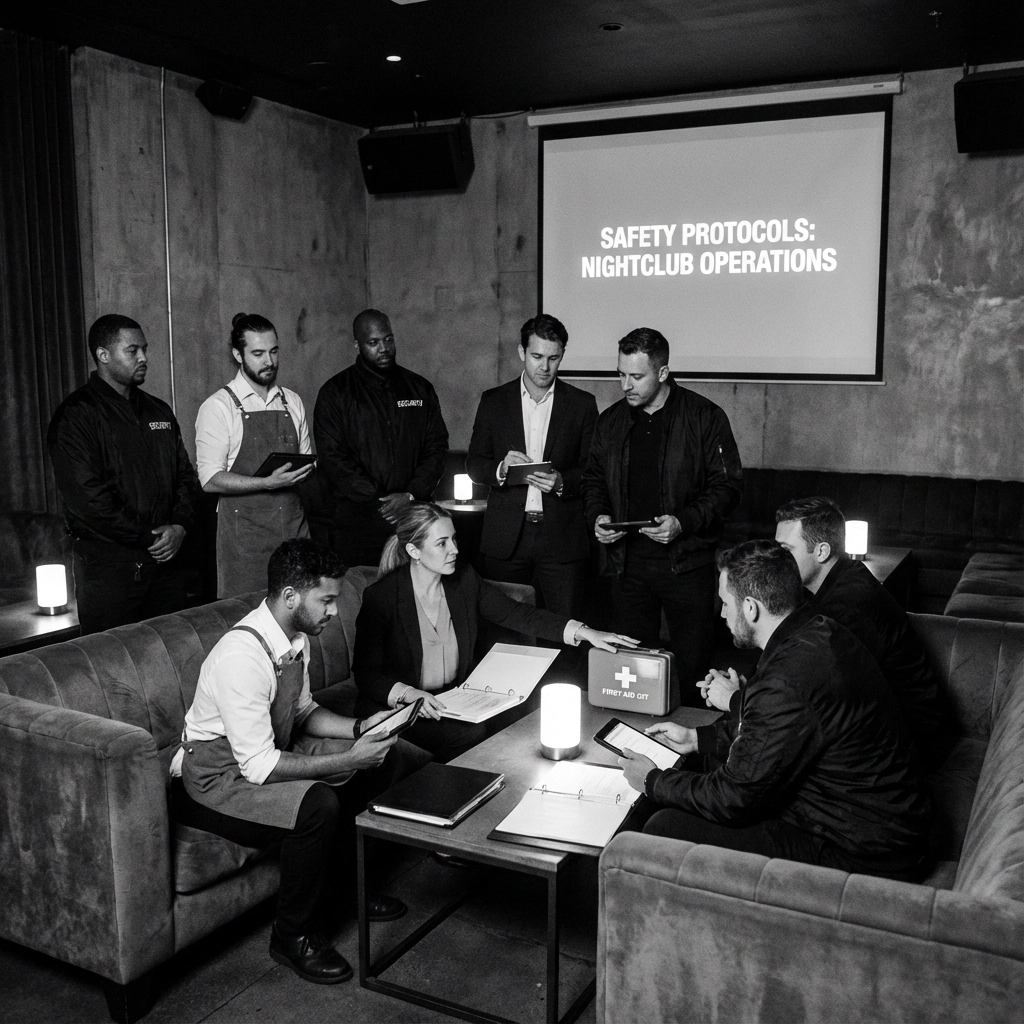
The future of urban nightlife isn't just safer: it's more creative, more inclusive, and more connected to the communities it serves. For those of us who love the energy and possibility of city nights, this evolution means we can enjoy all that magic while feeling genuinely protected and valued.
What does this mean for you? It means you have more power than ever to choose venues that align with your values and needs. It means speaking up when spaces don't meet these standards and supporting the ones that do. Most importantly, it means being part of the community that's creating the nightlife culture we actually want to be part of.
The clubs that are redefining safe spaces for 2026 aren't just changing their policies: they're changing the entire conversation about what urban nightlife can and should be. And honestly? It's about time we had spaces worthy of the vibrant, diverse, creative communities they serve.
Ready to be part of this transformation? Check out our discussions on urban culture and join the conversation about how we're reshaping city life for the better.


Comments