Colorful Resilience: Urban Art Therapy Spaces That Heal the Mind
- Jan 9
- 5 min read
Updated: Jan 10
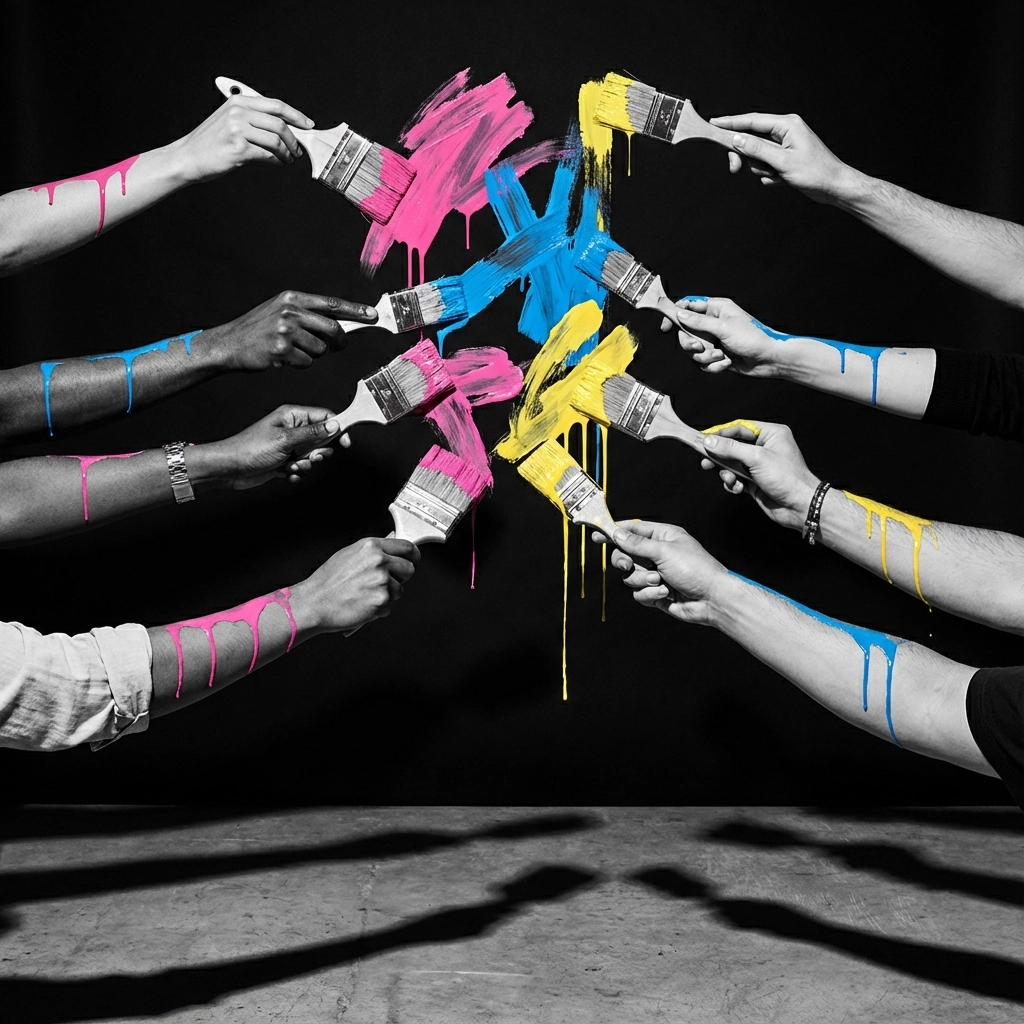
Here's the tea: your city is literally bursting with healing spaces you probably walk past every day without even realizing it. We're talking about those vibrant murals, pop-up art installations, and community studios that aren't just pretty to look at: they're actually rewiring brains and mending hearts one brushstroke at a time.
If you're feeling overwhelmed by life in the concrete jungle, you're definitely not alone. Urban living can be intense, and mental health struggles hit different when you're surrounded by constant noise, crowds, and pressure. But here's what's beautiful: cities are fighting back with color, creativity, and community-driven healing spaces that are changing how we think about mental wellness.
The Science Behind Why Colorful Spaces Actually Work
Let's get real about what happens in your brain when you engage with vibrant art. Creating or even just experiencing colorful art literally releases dopamine: that feel-good neurotransmitter that makes you smile without even trying. It's like your brain's natural antidepressant, and urban art therapy spaces are serving it up for free.
Research shows that art therapy doesn't require you to be the next Picasso to work its magic. The therapeutic benefits kick in immediately, whether you're painting your first canvas or just standing in front of a community mural that speaks to your soul. The colors, textures, and creative expression help your mind process emotions that words sometimes can't capture.
Three Game-Changing Urban Art Therapy Spaces You Need to Know About
The Healing Walls Project - Detroit, Michigan
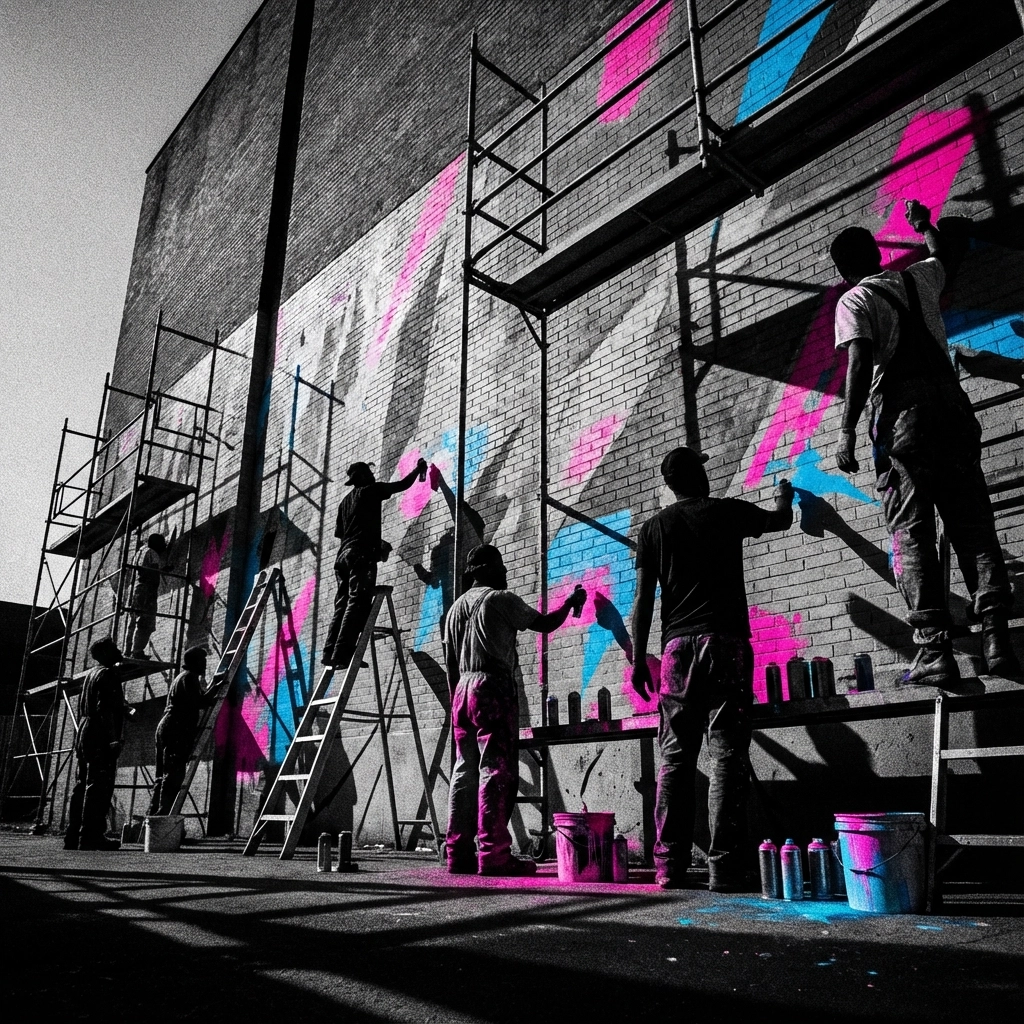
Detroit's abandoned buildings have been transformed into canvases of hope through the Healing Walls Project. These aren't your typical street art pieces: they're therapeutic installations designed specifically for trauma recovery. Bright oranges, electric blues, and sunshine yellows cover entire building sides, each color chosen for its psychological impact.
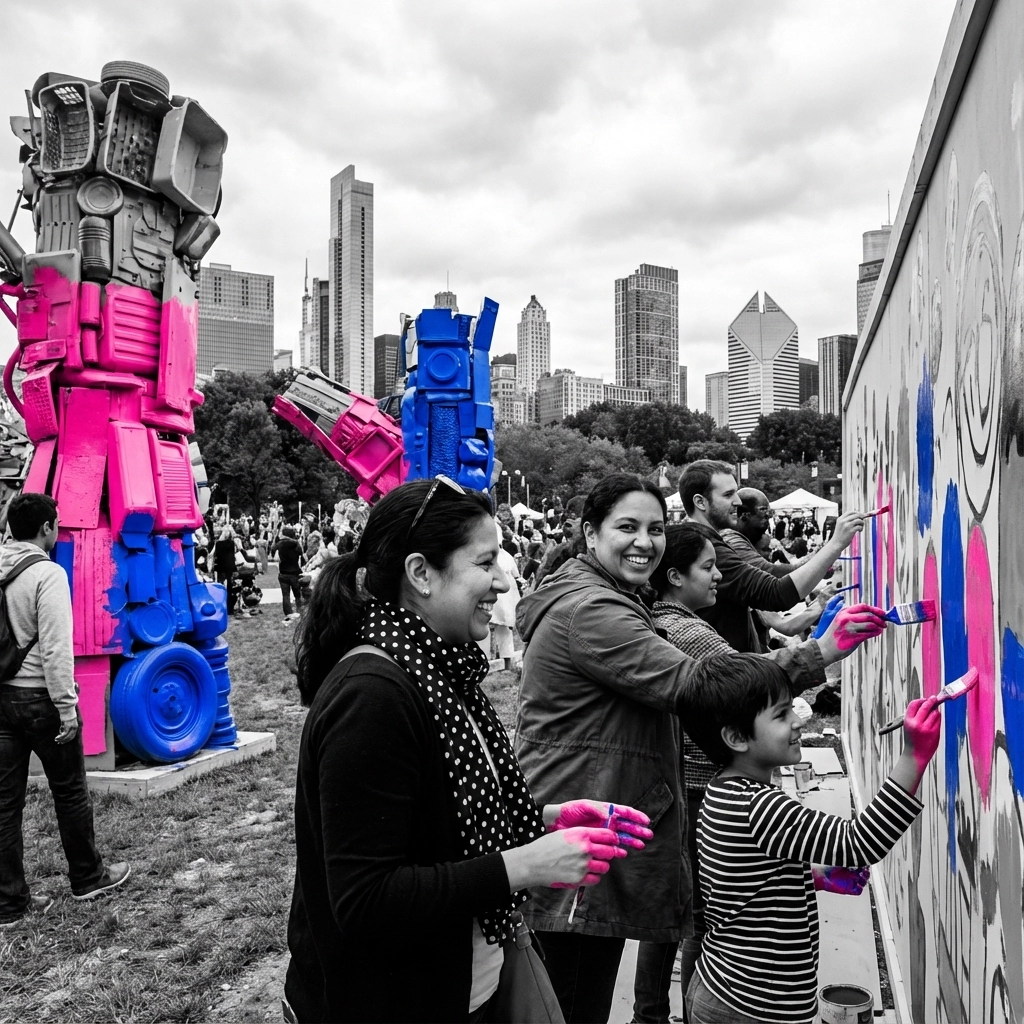
Community members don't just admire these walls; they help create them. Weekly paint sessions bring together people dealing with everything from PTSD to depression, using art as a safe space to process their experiences. One participant shared how painting a section of bright green helped her visualize growth after losing her job during the pandemic.
Rainbow Bridge Community Art Center - Oakland, California
This pop-up installation appears in different neighborhoods throughout Oakland, bringing art therapy directly to communities that need it most. The center features portable easels, buckets of paint in every color imaginable, and trained art therapists who guide sessions focused on emotional expression and community building.
What makes this space special? It's designed like a literal rainbow: seven different colored zones where people can work on specific emotional goals. The red zone focuses on anger management, yellow promotes happiness and optimism, while blue encourages calm reflection. The visual impact is stunning, but the healing happening inside each colored space is even more powerful.
Neon Nights Therapy Sessions - Miami, Florida
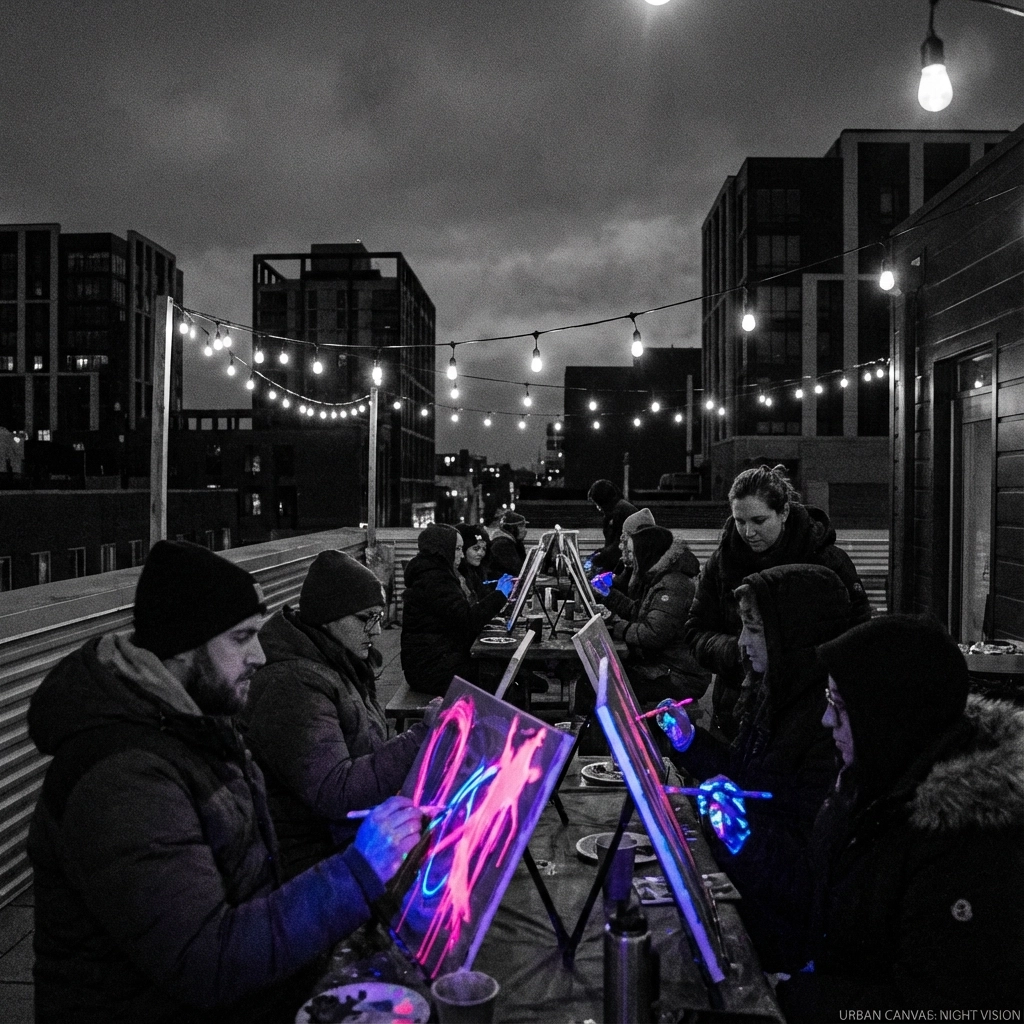
Miami's Little Haiti neighborhood hosts monthly "Neon Nights": after-dark art therapy sessions under black lights where participants create glow-in-the-dark pieces. The neon colors: hot pinks, electric greens, blazing purples: create an otherworldly atmosphere where people feel safe to explore their deepest emotions.
These sessions specifically target young adults dealing with anxiety and depression. The darkness combined with vibrant neon creates a unique sensory experience that participants say helps them access emotions they typically keep buried. Many describe feeling like they're painting in a dream where judgment doesn't exist.
How Color Psychology Transforms Mental Health
Different colors literally affect your brain chemistry in measurable ways, and urban art therapy spaces are using this science strategically. Red increases energy and confidence: perfect for people working through self-esteem issues. Blue calms the nervous system and reduces anxiety, which is why you'll see it featured prominently in stress-relief areas.
Yellow stimulates mental clarity and optimism, making it ideal for depression support spaces. Green promotes balance and renewal: essential for trauma recovery. Purple encourages introspection and spiritual connection, while orange boosts creativity and social confidence.
When these colors combine in large-scale urban installations, they create immersive environments that work like full-body therapy sessions. Your brain responds to the visual stimulation even before you pick up a paintbrush.
Breaking Down Barriers: Why Urban Beats Clinical
Traditional therapy can feel intimidating: sterile offices, clipboard-carrying professionals, insurance hassles. Urban art therapy spaces flip that script completely. They're accessible, non-judgmental, and often free or low-cost. Most importantly, they normalize mental health conversations by making them visible and public.
When you see a community mural addressing depression or anxiety, it sends a powerful message: these struggles are normal, shared, and nothing to be ashamed of. The colorful, welcoming nature of these spaces invites people who might never step foot in a traditional therapist's office.
Plus, the community aspect is unmatched. You're not isolated in a one-on-one session; you're surrounded by people working through their own challenges. The shared vulnerability creates bonds that extend far beyond the art-making sessions.
The Immediate Impact: What Happens When You Engage
Here's what participants consistently report after engaging with urban art therapy spaces:
Physical Changes: Reduced muscle tension, slower breathing, decreased heart rate. Your body literally relaxes as you work with colors and textures.
Emotional Shifts: Increased self-awareness, better emotional regulation, improved mood stability. Colors help you identify and express feelings you couldn't name before.
Social Benefits: Stronger community connections, reduced isolation, improved communication skills. Working alongside others breaks down social barriers naturally.
Mental Clarity: Better focus, increased problem-solving abilities, enhanced creativity in other life areas. The brain training that happens through art-making transfers to daily challenges.
Making These Spaces Work in Your Community
Want to bring colorful healing to your neighborhood? Start small but think bold. Partner with local mental health organizations, schools, and community centers to identify spaces that could benefit from art therapy installations.
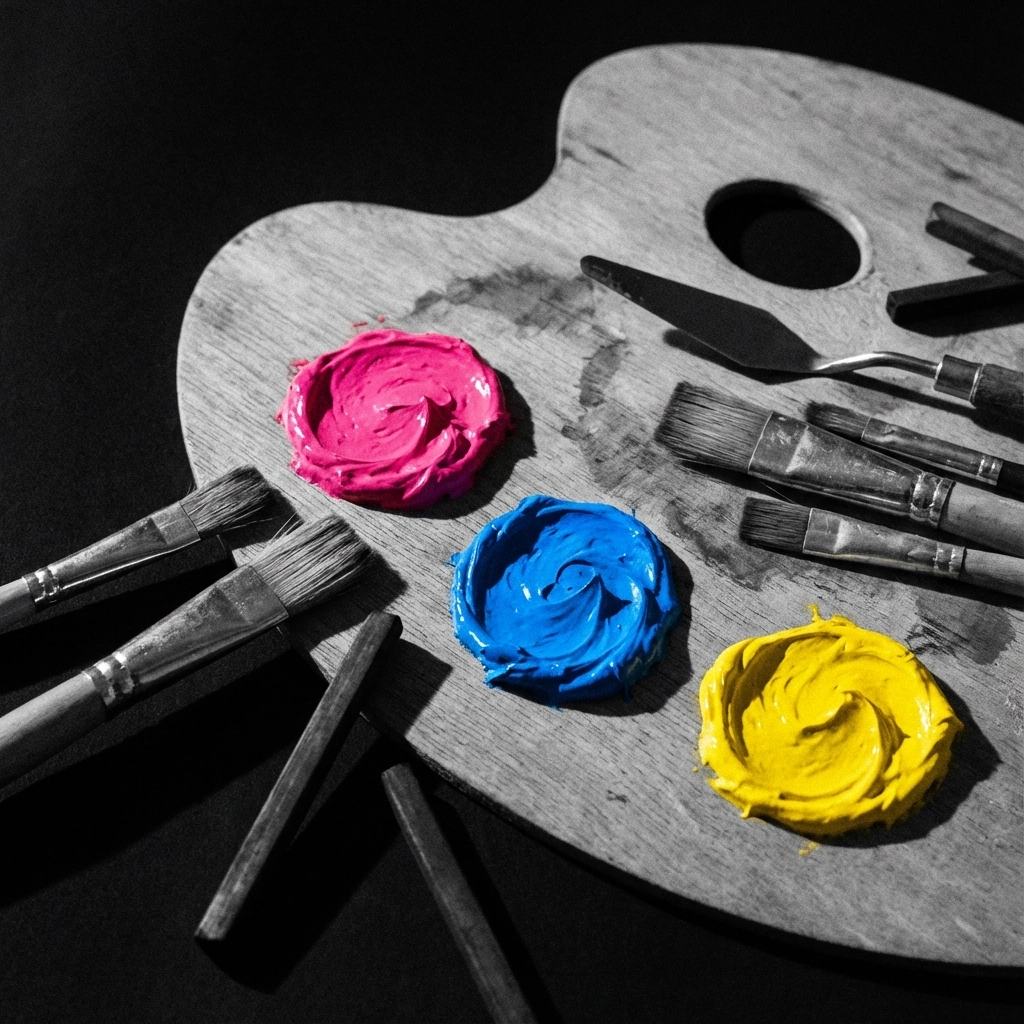
Consider pop-up events first: they're less permanent but still create powerful impact. Set up colorful stations in parks, vacant lots, or community centers. Provide basic supplies and simple prompts that encourage emotional expression without requiring artistic skill.
The key is making these spaces consistently accessible and visually striking. Bright colors draw people in, but the welcoming atmosphere keeps them coming back. Train volunteers in basic trauma-informed approaches so everyone feels safe to participate.
The Future of Urban Mental Health
These colorful healing spaces represent a major shift in how communities approach mental health support. Instead of waiting for people to seek help, we're bringing healing directly into the environments where people live, work, and struggle.
As cities become more aware of mental health needs, expect to see more investments in public art that serves therapeutic purposes. The combination of aesthetic beauty and psychological healing creates spaces that benefit entire communities, not just those actively seeking mental health support.
Your mental health matters, and these urban art therapy spaces prove that healing doesn't have to happen behind closed doors. Sometimes the most powerful medicine comes in the form of a paintbrush, a blank wall, and a community willing to create something beautiful together.
Ready to explore the healing power of color in your own community? Check out mental health resources and connect with others who understand that creativity and community can be the keys to resilience.

Comments