Depression Isn't Laziness: What It Really Does to Your Brain
- Shalena
- Jan 8
- 6 min read

Updated: Jan 10
Let's be real, how many times have you heard someone say "just think positive" or "you're just being lazy" when you're struggling with depression? If you're dealing with this, you've probably heard it more than you care to count. Here's the tea: depression affects over 280 million people worldwide, and it's not because we're all suddenly became lazy. It's because depression literally changes your brain in measurable, physical ways.
You're not broken. You're not weak. Your brain is dealing with some serious stuff, and it's time we talked about what's actually happening up there.
The Myth That Needs to Die
Before we dive deep, let's address the elephant in the room. Society loves to paint depression as a character flaw, like you're just not trying hard enough or you lack willpower. But here's what's actually happening: depression is a neurobiological disorder that causes measurable physical changes in your brain structure and function.
Think about it this way, if someone had diabetes, would you tell them their pancreas is just being lazy? Of course not. Depression works the same way, except it's your brain that's dealing with the medical condition.

What's Really Happening in Your Brain
When you're living with depression, your brain isn't just "thinking sad thoughts." There are literal, physical changes happening that scientists can see and measure. Let's break down what's going on:
Your Brain is Actually Shrinking (And That's Not Your Fault)
Research shows that several key areas of your brain lose volume when you're dealing with depression. The hippocampus, your brain's memory center, literally gets smaller and becomes vulnerable to stress hormones. Your prefrontal cortex, which handles planning and higher-level thinking, also shrinks.
This isn't happening because you're doing something wrong. These changes correlate directly with how severe your depression is and how long it's gone untreated. The longer depression goes without proper care, the more significant these structural changes become.
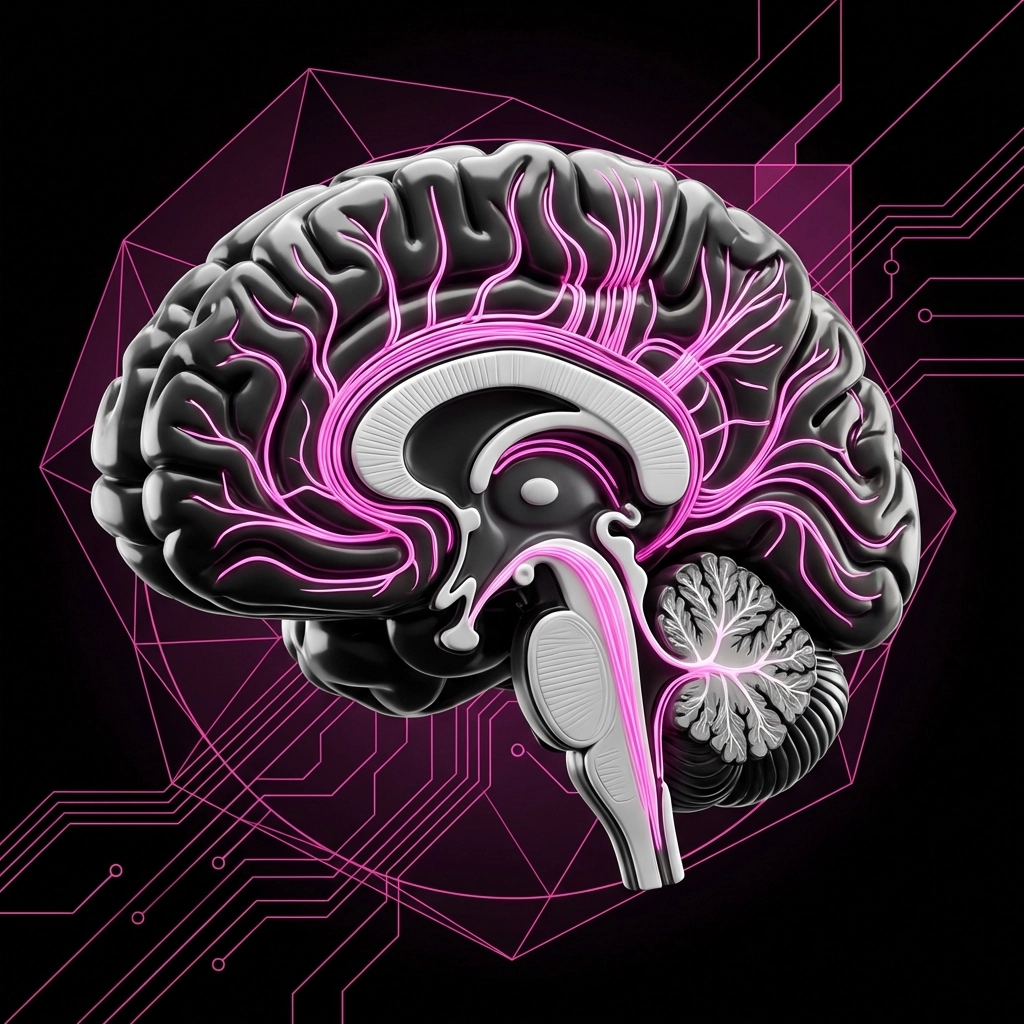
Your Brain's Communication System Gets Disrupted
Imagine your brain as a busy city with highways connecting different neighborhoods. Depression is like construction that blocks these highways, making it harder for different areas to communicate effectively.
The connection between your hippocampus, prefrontal cortex, and other crucial areas becomes disrupted. Your prefrontal cortex normally helps regulate emotional responses, but when depression interferes with this system, emotional regulation becomes nearly impossible.
Inflammation is Wreaking Havoc
Here's something that might surprise you: people with major depression have significantly elevated levels of brain inflammation. If you've been dealing with untreated depression for 10+ years, your inflammation levels can be 29-33% higher than someone with shorter-term depression.
This inflammation doesn't just sit there quietly, it actively damages brain cells, prevents new neurons from growing, and accelerates brain aging. No wonder you feel exhausted all the time.
Why Your Symptoms Make Perfect Scientific Sense
Now that you understand what's happening structurally, let's connect the dots between these brain changes and what you're actually experiencing day-to-day:
Memory Problems and Brain Fog
Can't remember what you did yesterday? Struggling to focus on simple tasks? This isn't you being "scatter-brained", it's your hippocampus and prefrontal cortex dealing with structural damage that directly impacts attention, information processing, and memory formation.
Loss of Interest in Everything (Anhedonia)
Remember when you used to love certain activities, but now nothing feels enjoyable? That's anhedonia, and it happens when the communication between your amygdala and prefrontal cortex gets disrupted. Your brain literally struggles to process pleasure and reward the way it used to.
Motivation Feels Impossible
When people say "just push through it," they don't understand that motivation problems in depression stem from prefrontal cortex dysfunction. The part of your brain responsible for planning, goal-setting, and follow-through isn't operating at full capacity.

Everything Feels Heavy
That emotional numbness, combined with overwhelming feelings of guilt and hopelessness? That's not your personality, that's your brain's neurotransmitter systems struggling to function properly due to inflammation and structural changes.
The Neurotransmitter Situation
Your brain runs on chemical messengers called neurotransmitters, think of them as your brain's postal service. Depression disrupts this entire system, making it harder for important messages about mood, motivation, and well-being to get delivered effectively.
When brain inflammation is high, neurotransmitter functioning decreases even further. It's like having a postal strike during the holidays, nothing gets where it needs to go on time.
Real Talk: Depression in Black and POC Communities
Fact you can feel: Black and other people of color are less likely to receive mental health care even when symptoms look the same—and more likely to run into bias, cost, and “just be strong” pressure. If that’s been your experience, you’re not making it up. Biology is real—and so is the context we live in.
Stigma hits different 🔒
Let’s be real: “we don’t air family business,” “pray it away,” and “be strong” are cultural survival codes that can also silence our pain.
“I kept smiling at work and at church, but the minute I got home I couldn’t move. I thought faith meant I had to pretend.” — Tasha, 34, Philly
If you’ve ever felt caught between honoring your people and honoring your feelings, you’re not alone, bestie.
Access is an obstacle course 🚪
Even when you’re ready, the system isn’t always ready for you:
Long waitlists and insurance hoops
Few therapists of color or culturally responsive providers nearby
Transportation and shift-work schedules that don’t match 9–5 clinics
Cultural misconceptions and myths 🧠
From the “strong Black woman” trope and “model minority” myth to machismo/respeto and colorism shame—these scripts can make you doubt your symptoms.
“I thought depression meant crying all day. I was just numb and tired, so I told myself to hustle harder.” — Jordan, 29, Houston
How are you supposed to rest if the culture around you labels rest as weakness?
Generational trauma we didn’t ask for 🌳
History sits in our nervous systems—redlining and displacement, immigration stress, colonization, policing, assimilation pressure—all of it shapes how safe our bodies feel.
“My parents survived so much that my sadness felt like disrespect. Naming it helped me see it was inherited stress, not a personal failure.” — Ana, 31, Bronx
What this means for your healing right now
Ask for culturally responsive care: “How do you incorporate culture, faith, or family dynamics in treatment?” “What’s your experience with Black/POC clients?” You’re interviewing them, too.
Use layered support if therapy feels out of reach: a faith leader who’s mental-health-friendly, barbershop/salon circles, group chats, mutual aid, or culturally specific peer groups.
Protect your nervous system: set news boundaries, take doomscroll breaks, build a “soft life” playlist, and schedule 10-minute movement breaks—think of it as charging your battery.
Name it to tame it: try “I’m not lazy—I’m healing from depression in a world that taught me to hide it.”
You don’t have to carry this alone. Your story is valid, and your culture isn’t a barrier to healing—it’s a resource. Keep going; you’re rewriting the script for you and the next generation.
Here's the Hope: Your Brain Can Heal
I know this might sound overwhelming, but here's the beautiful part: these changes aren't permanent. Research shows that proper treatment can actually reverse many of these structural and functional changes.
Antidepressants can increase neurotransmitter concentrations and help restore normal function to your prefrontal cortex and limbic circuits. Brain activity in affected regions can return to normal levels with appropriate treatment.

Practical Coping Strategies While You Heal
Understanding the science is empowering, but you also need tools for right now:
Work With Your Brain, Not Against It
Break tasks into micro-steps: Your prefrontal cortex is struggling with planning, so make it easier by creating extremely detailed, small action items
Use external memory aids: Write everything down, set phone reminders, use apps, you're not being extra, you're accommodating a medical condition
Support Your Brain's Healing Process
Prioritize sleep: Your brain repairs itself during sleep, including clearing out inflammatory toxins
Move your body gently: Even light exercise can stimulate neurogenesis (growth of new brain cells)
Reduce inflammation: Anti-inflammatory foods, omega-3 supplements, and stress reduction can help
Validate Your Experience
Stop fighting your symptoms: They're not character flaws, they're medical symptoms with biological causes
Practice self-compassion: Speak to yourself like you would a friend dealing with any other medical condition
Getting Professional Support
If you're dealing with depression, please know that professional help isn't a sign of weakness: it's acknowledgment that your brain needs medical support. Consider reaching out to:
A licensed therapist who specializes in depression
A psychiatrist who can evaluate if medication might help
Your primary care doctor as a starting point
Crisis hotlines if you're having thoughts of self-harm (988 Suicide & Crisis Lifeline)
You're Not Alone in This
Depression affects people from all walks of life, all backgrounds, all income levels. You're part of a huge community of people whose brains are dealing with this medical condition, and there's absolutely no shame in that.

Your struggle is valid. Your symptoms are real. And most importantly, your brain has the capacity to heal and function better with proper support and treatment.
The next time someone suggests you're just being lazy, remember: you're dealing with a complex neurobiological condition that causes measurable changes in brain structure and function. That's not laziness: that's medical reality, and you deserve compassion, understanding, and proper care.
If this resonates with you, consider joining our mental health community at The Mental Health Hub where you can connect with others who truly understand what you're going through.
Your brain is working hard to heal. Give it: and yourself( the support you both deserve.)
Comments