Designer Drugs: The Dark Side of Prescription Pill Use in Nightlife Scenes
- Shalena
- Dec 20, 2025
- 6 min read

Let's be real about something that's happening in clubs, festivals, and house parties across the country right now. While everyone's posting their best nightlife moments on social, there's a darker reality playing out behind the scenes. Designer drugs and prescription pills are flooding nightlife spaces, and bestie, we need to talk about it.
Here's the tea: according to recent data, over 40% of young adults aged 18-25 have encountered synthetic drugs in party settings, and prescription drug misuse has skyrocketed by 300% in nightlife environments since 2020. If you're hitting the scene regularly, chances are you've seen this firsthand – whether you realized it or not.
What's Really Going Down in the Party Scene
You know those colorful pills with fun names and logos that seem to make the rounds at every event? Those aren't just "harmless party favors" – they're designer drugs, specifically engineered to mess with your brain chemistry while trying to stay one step ahead of the law. We're talking about MDMA (Molly, Ecstasy), ketamine (Special K), GHB, and a whole alphabet soup of synthetic substances that change faster than TikTok trends.
But here's where it gets really messy: prescription pills are now part of the mix too. Anxiety meds, ADHD medications, pain relievers – they're all being passed around like candy at these events. The problem? When you mix these with alcohol, other drugs, or even just take them without knowing your medical history, you're playing Russian roulette with your life.
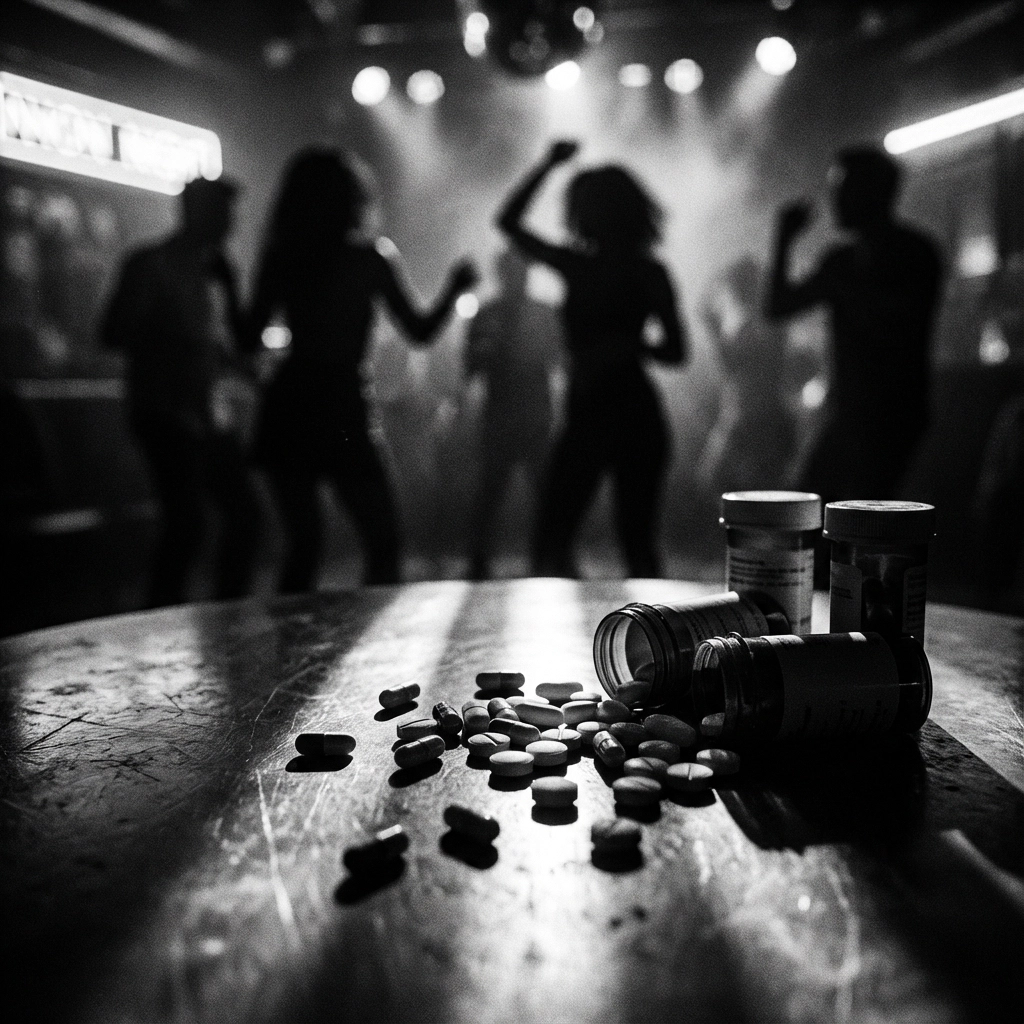
Why Are People Reaching for These Pills?
Let's not pretend we don't understand the appeal. You're trying to vibe, feel connected, dance until sunrise, or maybe just escape whatever's weighing on your mind during the week. In a world where mental health struggles are at an all-time high, especially among young adults, these substances promise an instant fix – a few hours where everything feels electric and possible.
The nightlife industry knows this too. The music gets louder, the lights get brighter, and suddenly you're in this hyper-stimulating environment where your natural endorphins might not feel like enough. Social media doesn't help either – everyone looks like they're having the time of their lives, and there's pressure to match that energy.
But here's what nobody talks about: that "enhanced" experience comes with a price tag that goes way beyond what you pay your dealer.
The Real Dangers Nobody Wants to Discuss
If you think you know what you're taking, think again. The drug supply in 2025 is more contaminated and unpredictable than ever before. Remember when we used to worry about drugs being "cut" with baby powder or baking soda? Those days seem quaint now.
Today's reality is terrifying: fentanyl, a synthetic opioid that's 50 times stronger than heroin, is showing up in everything. We're not just talking about street heroin – it's in fake Xanax, counterfeit Adderall, and yes, even in party drugs like Molly and ketamine. One bad batch, one miscalculation, and you could be looking at a fatal overdose.
The statistics are sobering: overdose deaths among people aged 18-25 have increased by 400% since 2020, with fentanyl contamination being the leading cause. That friend who "just had a bad reaction" at the last rave? They might have unknowingly consumed fentanyl.
When Prescription Pills Become the Problem
Here's something that might surprise you: prescription drug abuse in nightlife settings is actually more dangerous than many illegal drugs. Why? Because people assume they're "safer" since they come from a pharmacy.
But when you're taking someone else's Adderall to stay up all night, or popping Xanax to "come down" after stimulants, you're creating a dangerous cocktail in your system. These medications are prescribed based on individual medical histories, current health conditions, and other medications someone might be taking. When you take them recreationally, especially mixed with alcohol or other substances, you're essentially conducting a chemistry experiment on your brain.
The most common prescription drugs circulating in party scenes include:
ADHD medications (Adderall, Ritalin) - used to stay energized and focused
Benzodiazepines (Xanax, Klonopin) - used to "come down" or reduce anxiety
Opioid painkillers - often mixed with other substances for enhanced effects
Sleep aids - sometimes used in combination with stimulants
Each of these can cause serious interactions, especially when your judgment is already impaired by the environment and other substances.
The Mental Health Connection We Can't Ignore
Let's talk about the elephant in the room: many people aren't just using these substances to party – they're self-medicating. If you're struggling with anxiety, depression, ADHD, or trauma, the idea of a pill that makes you feel "normal" or "better" can be incredibly appealing.
The problem is that nightlife environments aren't therapeutic settings. You're not getting proper dosing, medical supervision, or addressing the root causes of your mental health challenges. Instead, you're creating a dangerous pattern where you need substances to feel okay in social situations.
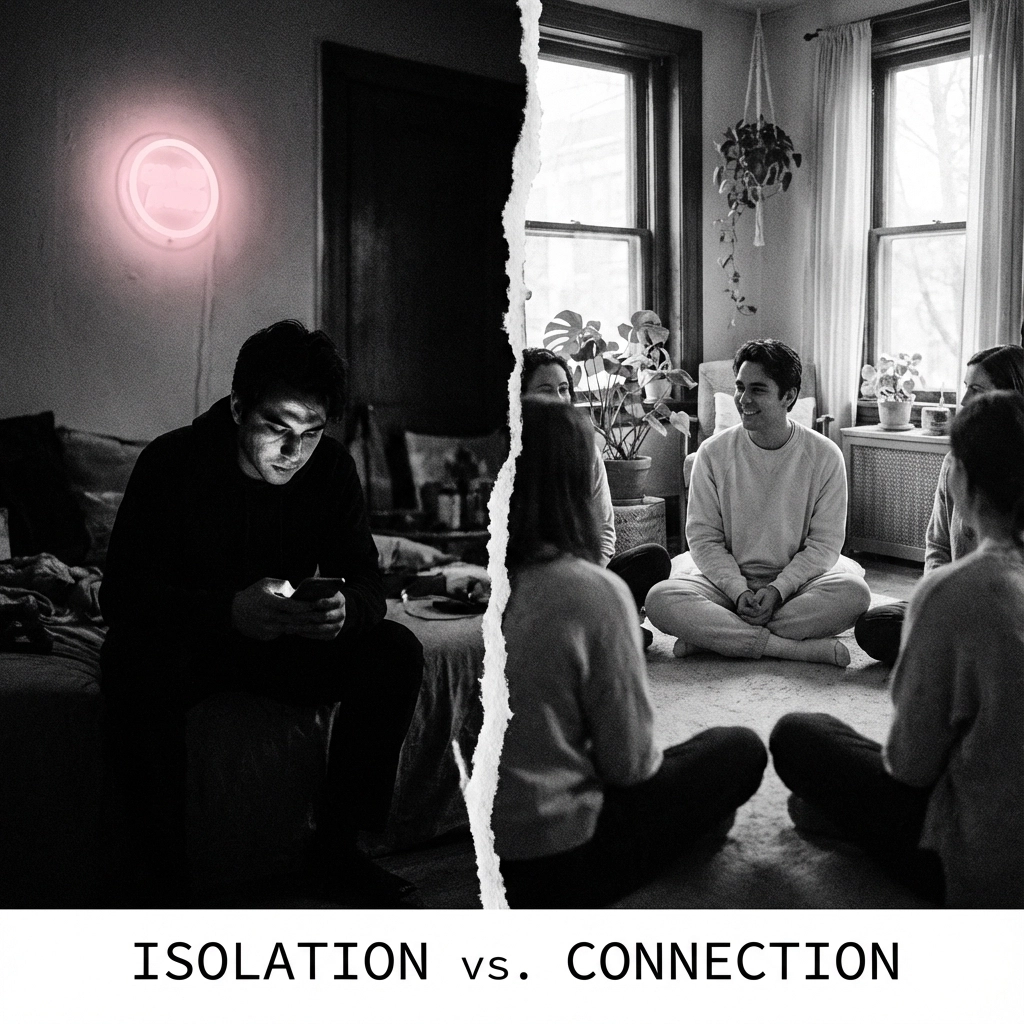
This creates a cycle that's hard to break. You might start feeling like you can't enjoy yourself or connect with others without chemical assistance. Your tolerance builds, you need more to get the same effect, and suddenly what started as "just for fun" becomes something much more serious.
If you're recognizing yourself in this description, you're not alone. Mental health struggles are incredibly common, especially in our generation, and there are much safer and more effective resources available than what's being passed around at parties.
The Social Media Illusion
Instagram and TikTok aren't helping the situation. Every weekend, your feed is flooded with videos of people looking absolutely euphoric at festivals and clubs. What you don't see are the comedowns, the hospital visits, the anxiety attacks, or the people who didn't make it home safely.
The pressure to document your nightlife experience creates this weird incentive to take risks for content. Nobody's posting about having a perfectly fine time being sober or just having a few drinks. The algorithm rewards extreme experiences, and drug use often becomes part of that performance.
But remember: social media is highlight reels, not reality. That person posting about their "amazing" night might be dealing with serious consequences that they're not sharing with their followers.
Real Talk: Harm Reduction Strategies
Look, I'm not going to stand here and pretend that telling you "just don't do drugs" is realistic or helpful. If you're going to be in these environments, let's at least talk about how to be as safe as possible:
Never take anything from someone you don't trust completely – and even then, be cautious. Dealers often don't know what they're selling.
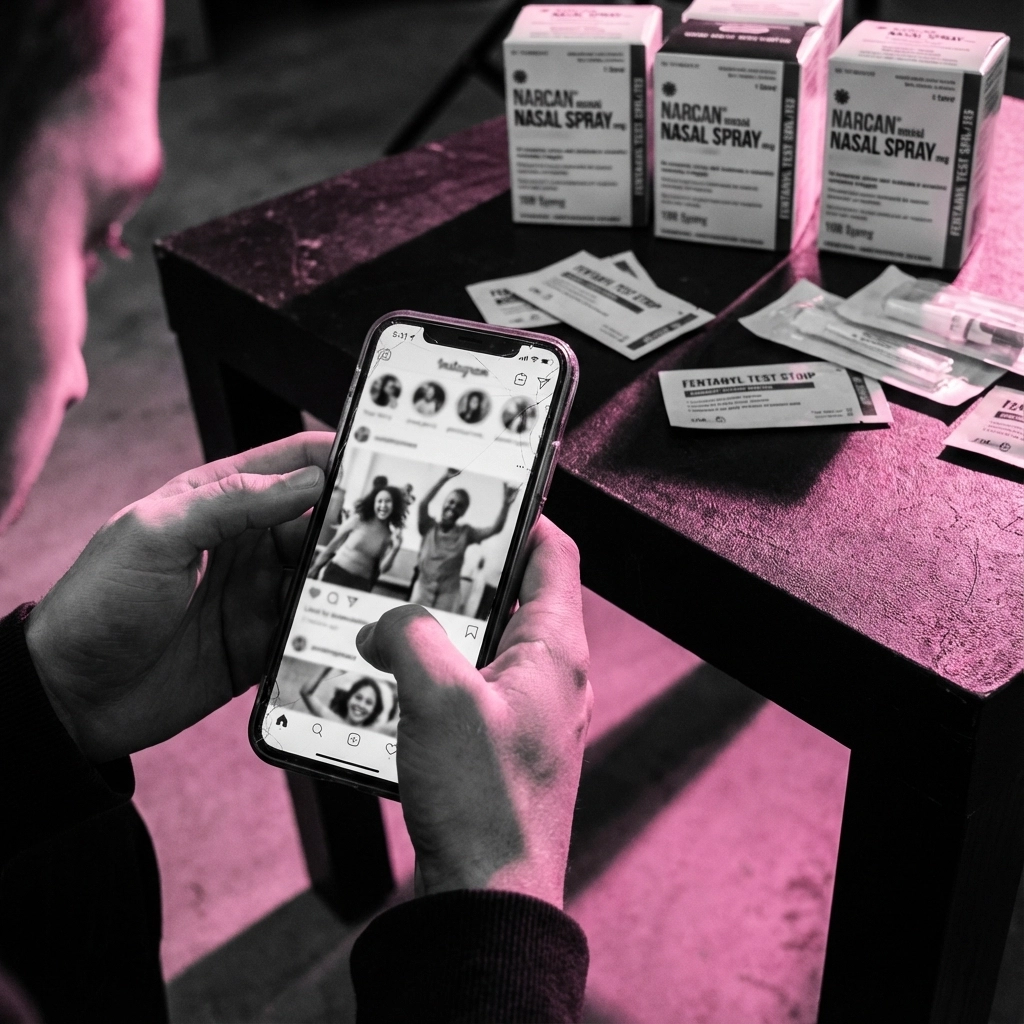
Test your substances if possible. Fentanyl test strips are available online and at many harm reduction centers. They could literally save your life.
Don't mix substances, especially prescription drugs with alcohol or other drugs. The interactions can be fatal.
Go with trusted friends who know your limits and will look out for you. Have a plan for getting home safely.
Start small and go slow. You can always take more, but you can't take less once it's in your system.
Know the signs of overdose and how to respond. Naloxone (Narcan) can reverse opioid overdoses and is available at most pharmacies without a prescription.
Finding Real Solutions
Here's the bottom line: if you're using substances to cope with mental health issues, social anxiety, or just to feel "normal," there are better options available. The health and wellness resources that actually work long-term don't come with the risk of overdose, addiction, or legal consequences.
Therapy, medication management through proper medical channels, support groups, and lifestyle changes might not give you that instant euphoria, but they also won't leave you crashed out for days afterward or wondering if you're going to make it through the night.
If you're struggling with substance use, you're not weak, you're not broken, and you're definitely not alone. Recovery and harm reduction resources exist, and reaching out for help is actually the most badass thing you can do.
The nightlife scene isn't going anywhere, but you can change how you navigate it. Your future self – and your loved ones – will thank you for making choices that keep you safe, healthy, and actually present for all the good moments life has to offer.
Remember: the best nights are the ones you actually remember, and the best high is waking up knowing you made it home safely and didn't put yourself or others at risk. Stay safe out there, and remember that your life is worth more than any temporary high.


Comments