Eating Disorders: They Exist in Our Communities Too
Let's start with some real talk.
When most people think about eating disorders, they picture a specific image. Usually young, usually white, usually wealthy. And that narrative has been doing serious damage in our communities for way too long.
Here's the tea: eating disorders don't discriminate. They affect Black women, Brown women, men, non-binary folks, working-class families, and everyone in between. But because the conversation has been so narrow for so long, people in our communities are suffering in silence.
The numbers don't lie. Among adolescents, eating disorders affect 2.7% of the population overall, but when you break it down by community, the picture gets more complex. Hispanic teens actually report the highest rates of bulimia nervosa, while LGBTQ+ youth face triple the risk compared to their straight peers.
So why aren't we talking about this?
The myth that's killing us
You've probably heard it before: "Black girls don't get anorexia" or "That's a white girl problem."
This myth isn't just wrong : it's dangerous.
It keeps people from recognizing their own symptoms. It prevents families from taking concerns seriously. It makes healthcare providers overlook warning signs. And it leaves people struggling alone with something that's already isolating enough.

The reality is that eating disorders show up differently across different communities, but they absolutely show up. In Black and Brown communities, we might see:
Binge eating disorder (the most common eating disorder overall)
Restrictive eating that doesn't fit the "typical" anorexia presentation
Exercise obsession and body dysmorphia
Food restriction mixed with cultural pressure around body image
Just because it doesn't look like what you see in movies doesn't mean it's not real.
What we're actually dealing with
So what exactly are eating disorders? They're serious mental health conditions that involve persistent disturbances in eating behaviors, along with distressing thoughts and emotions about food, body weight, and shape.
The main types include:
Anorexia nervosa - Restriction of food intake leading to significantly low body weight, intense fear of gaining weight, and distorted body image.
Bulimia nervosa - Recurring episodes of binge eating followed by compensatory behaviors like vomiting, laxative use, or excessive exercise.
Binge eating disorder - Recurring episodes of eating large amounts of food in short periods, accompanied by feelings of distress, but without compensatory behaviors.
Other specified feeding or eating disorders (OSFED) - Eating disorders that don't fully meet criteria for other diagnoses but are still serious and need treatment.
Here's what's important: you don't need to check every box to be struggling. If your relationship with food is causing you distress, affecting your health, or taking over your thoughts, that matters.
Culture, family, and food - it's complicated
In many of our communities, food is love. Food is celebration. Food is connection. And that can make eating disorders even more complex to navigate.
Maybe you grew up hearing "you need to eat more" and "you're too skinny" one day, then "watch your weight" the next. Maybe there's pressure to maintain curves in all the "right" places while staying small everywhere else. Maybe your family shows love through food, making restriction feel like rejection.
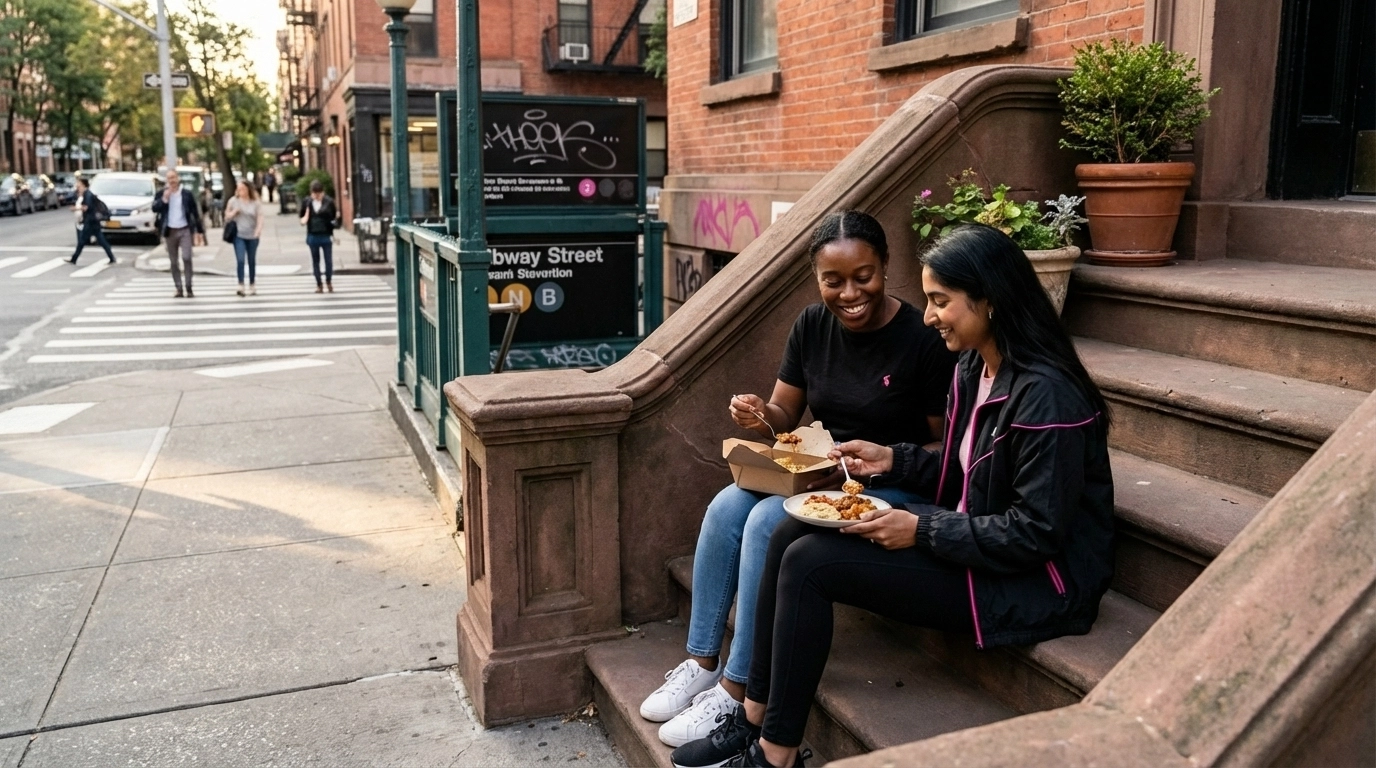
Cultural celebrations often center around food, making social situations stressful when you're struggling with disordered eating. Religious fasting practices might trigger or mask restrictive behaviors. Economic stress might create complicated relationships with food scarcity and abundance.
And let's be real about social media. The pressure to have the "perfect" body has intensified, with filters and photo editing making unrealistic standards seem normal. When you're constantly seeing images of people who don't look like you being praised as the ideal, it takes a toll.
The healthcare problem we need to talk about
Even when people in our communities recognize they need help, getting it isn't simple.
Many healthcare providers still operate with outdated ideas about who gets eating disorders. They might dismiss concerns from Black or Brown patients, or misdiagnose eating disorder symptoms as other conditions.
Insurance coverage for eating disorder treatment is often inadequate. Specialized treatment programs are expensive and frequently located in areas that aren't accessible to urban communities. The waiting lists are long, and many programs lack diversity in both staff and treatment approaches.
Add in the stigma around mental health in general, and you've got multiple barriers stacked on top of each other.
Finding support when the system isn't built for you
But here's what you need to know: you deserve help, and there are ways to find it.
Start with what you have access to:
Community health centers often have sliding scale fees and may offer mental health services. While they might not specialize in eating disorders, they can provide initial support and referrals.
Look for culturally competent providers:
Organizations like the National Eating Disorders Association (NEDA) maintain directories of providers. When searching, don't be afraid to ask about a provider's experience working with people from your community.
Consider online and virtual options:
Teletherapy has opened up more possibilities, especially if local options are limited. Some apps and platforms specifically focus on eating disorder recovery and offer more affordable alternatives to traditional therapy.
Find community support:
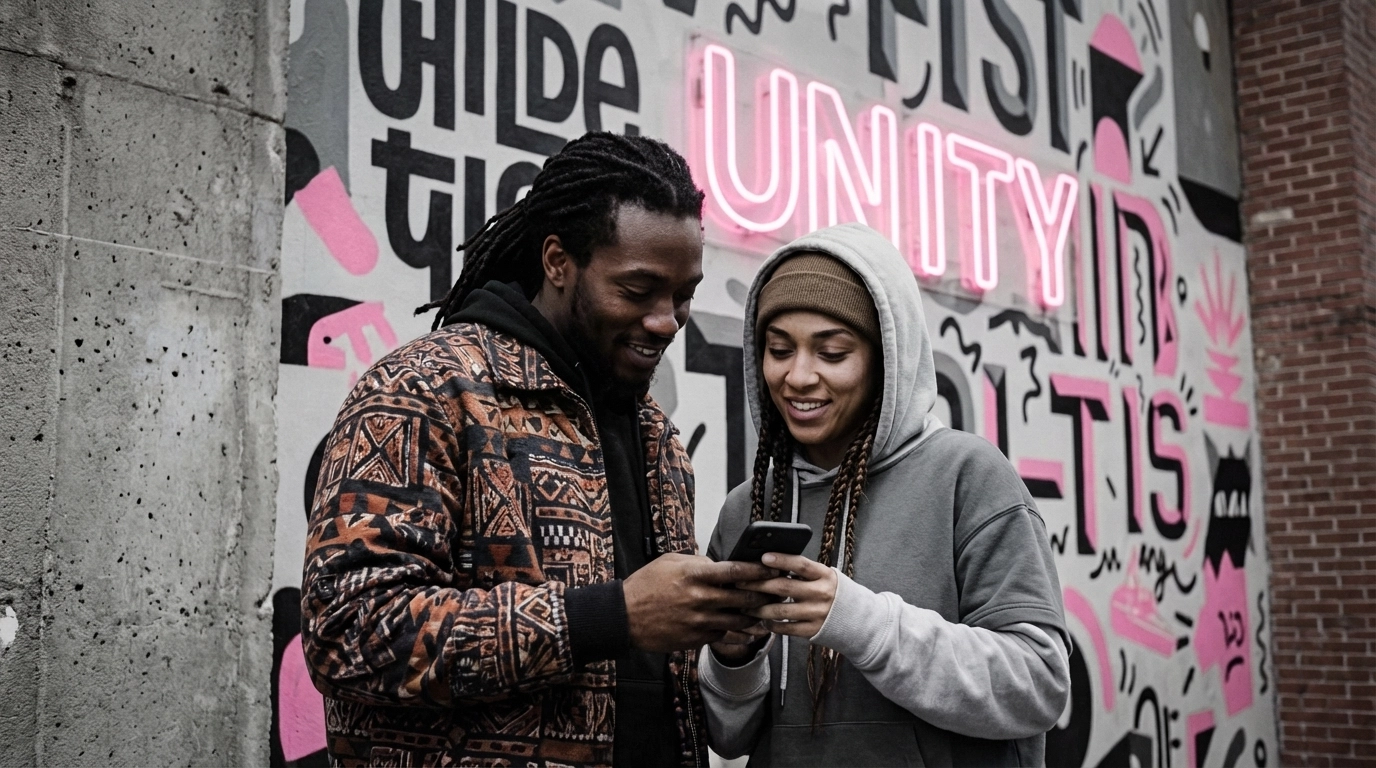
Online support groups can connect you with people who understand both the eating disorder struggle and the cultural context you're navigating. Social media communities, while not replacement for professional help, can provide encouragement and reduce isolation.
Use crisis resources:
NEDA's helpline (1-800-931-2237) offers support in English and Spanish. The Crisis Text Line (text HOME to 741741) is available 24/7. These aren't just for emergencies : they're also for when you need someone to talk to who understands.
Recovery looks different for everyone
Recovery from an eating disorder isn't one-size-fits-all, especially when you're dealing with cultural factors that many treatment approaches don't address.
Your recovery might involve:
Learning to navigate family meals and cultural celebrations
Addressing trauma and discrimination that contributed to your disorder
Finding healthcare providers who understand your background
Developing coping strategies that work within your community context
Building a support system that respects your cultural values
It's okay if your path looks different from what you see represented in treatment literature. What matters is finding approaches that work for you.
For the people who love someone struggling
If someone in your life is dealing with an eating disorder, your response matters enormously.
Don't minimize their struggle because it doesn't match what you think eating disorders "look like." Don't suggest they "just eat" or comment on their appearance, even if you mean well. Don't take their eating behaviors personally, even when they affect family meals or social situations.
Do listen without trying to fix everything. Do educate yourself about eating disorders. Do help them find professional support when they're ready. Do continue loving them through their recovery process.
The bottom line
Eating disorders are real, they happen in all communities, and they're treatable. If you're struggling, you're not alone, and you're not making it up.
The silence around eating disorders in Black, Brown, and urban communities has gone on too long. It's time to change the narrative, expand the conversation, and make sure everyone has access to the support they need.
Your struggle is valid, regardless of what you look like or where you come from. Your recovery is possible, even when the path isn't straightforward.
And your voice matters in changing this conversation for the people who come after you.
If you're ready to take the next step, whether that's talking to someone you trust, reaching out to a helpline, or finding a therapist, you deserve support in that process. Start where you are, with what you have, and know that healing is possible.
Need immediate support? Visit our Mental Health Hub to connect with others navigating similar struggles, or check out our ongoing discussions about mental health resources in your community.


Comments