Fibromyalgia & Hustle Culture: Challenging Stigma in Black and Brown Communities
- Shalena
- Dec 20, 2025
- 5 min read

Updated: Jan 8
Here's the tea: Black women with fibromyalgia experience 40% more pain severity than their white counterparts, yet they're less likely to receive proper diagnosis or treatment. When you're living in communities where "grinding" and "hustling" are survival strategies, admitting to chronic pain feels like admitting defeat. But bestie, we need to have this conversation because your pain is valid, your struggle is real, and hustle culture shouldn't cost you your health.
Let's be real about what's happening in our communities. The pressure to keep pushing, to never show weakness, to "work through the pain" isn't just cultural: it's become a survival mechanism. But when you're dealing with fibromyalgia, this mentality can literally be killing you softly.
When Hustle Culture Meets Chronic Pain
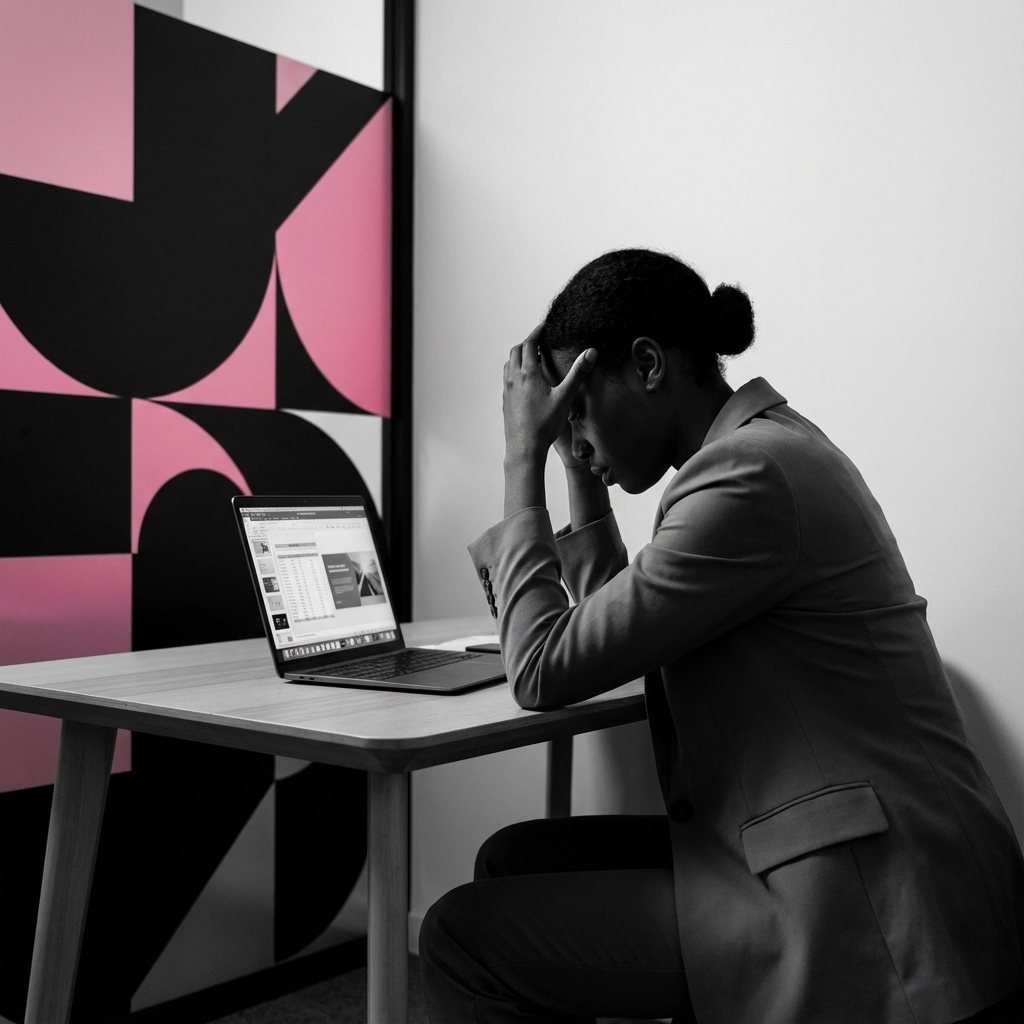
You know that feeling when every part of your body aches, but you still gotta show up to work because bills don't care about your pain levels? That's the daily reality for thousands of Black and Brown folks living with fibromyalgia. The condition affects about 2-4% of the population, but here's what the research won't always tell you: it hits different when you're also navigating systemic racism, economic instability, and communities where showing vulnerability feels dangerous.
Hustle culture tells us that rest is lazy, that pain is temporary, and that real strength means pushing through anything. But fibromyalgia doesn't play by those rules. It's a chronic condition that causes widespread musculoskeletal pain, fatigue, sleep problems, and cognitive issues: what many call "fibro fog." When your culture emphasizes grinding 24/7, having a condition that demands rest and self-care feels like a personal failure.
African American males with fibromyalgia are particularly caught in this bind, often delaying medical care because seeking help feels like admitting weakness. But here's what we need to understand: there's nothing weak about managing a chronic condition. It takes incredible strength to live with daily pain while still showing up for your family, your community, and yourself.
The Unique Burden in Communities of Color
The statistics paint a clear picture of health disparities that go beyond individual choice. Racial and ethnic minorities with fibromyalgia report worse overall impact and physical functioning compared to white patients. But this isn't because we're somehow "weaker": it's because we're dealing with additional stressors that compound the condition.

When you're already dealing with discrimination, economic stress, and limited healthcare access, fibromyalgia becomes more than just a medical condition: it becomes another barrier to survival. Healthcare providers have historically dismissed or minimized pain reports from Black and Brown patients, relying on harmful stereotypes that we're somehow more resilient or less sensitive to pain.
This medical gaslighting means many of us go years without proper diagnosis or treatment. We're told we're "just stressed" or "need to exercise more" when what we really need is comprehensive care that acknowledges both our medical needs and our cultural context.
Breaking Down the Stigma Wall
Let's address the elephant in the room: mental health stigma in our communities makes fibromyalgia even harder to manage. Since fibromyalgia often co-occurs with depression and anxiety, and since these conditions are already stigmatized in many Black and Brown communities, people end up suffering in silence twice over.
You might hear family members say things like "just pray about it" or "you need to think positive." While faith and optimism are beautiful parts of our communities, they shouldn't replace medical care. You can believe in prayer AND take medication. You can stay positive AND acknowledge that you're in pain. These aren't contradictions: they're comprehensive approaches to wellness.
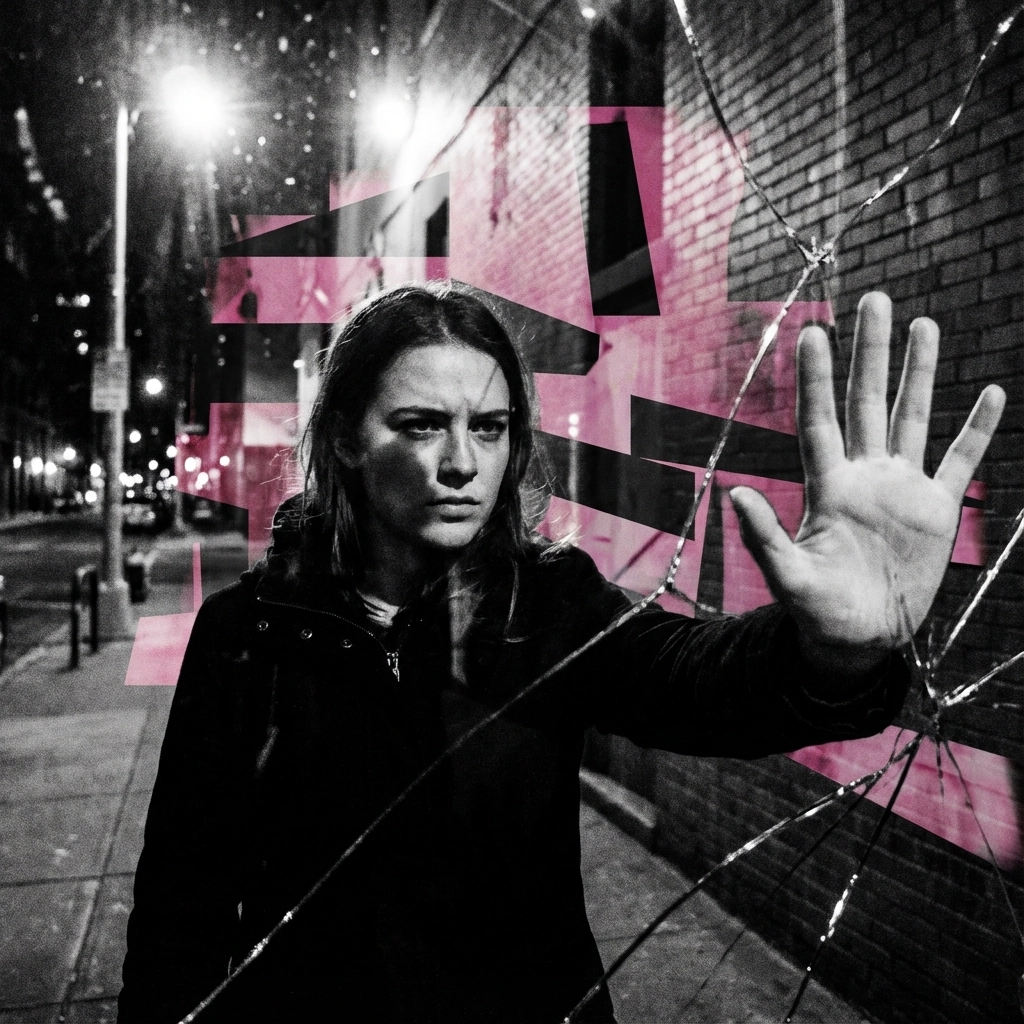
The pressure to be the "strong Black woman" or the "provider who never stops" creates an impossible standard. When you're living with fibromyalgia, some days getting out of bed is a victory. Some days, calling in sick isn't giving up: it's preventing a major flare that could sideline you for weeks.
Real Stories, Real Strength
Take Keisha, a 34-year-old mom from Detroit who spent three years thinking her pain was just from "working too hard." She was pulling double shifts as a nursing assistant while raising two kids solo. When she finally got diagnosed with fibromyalgia, her first thought wasn't relief: it was shame. "I felt like I was letting everyone down," she shares. "Like I wasn't strong enough to handle my life."
But here's what Keisha learned: managing fibromyalgia requires a different kind of strength. It's the strength to set boundaries, to ask for help, to prioritize your health even when everyone expects you to keep giving. Today, she's an advocate in her community, helping other Black women recognize the signs of fibromyalgia and navigate healthcare systems that often dismiss their pain.
Or consider Marcus, a 28-year-old from Atlanta who thought his chronic pain was just part of his job in construction. "In my family, men don't complain about pain," he explains. "You work through it, you provide for your family, end of story." It took a major flare that left him unable to work for two weeks before he sought medical help. Now he's part of a support group that's challenging traditional notions of masculinity while living with chronic illness.
Redefining Strength in the Age of Chronic Illness
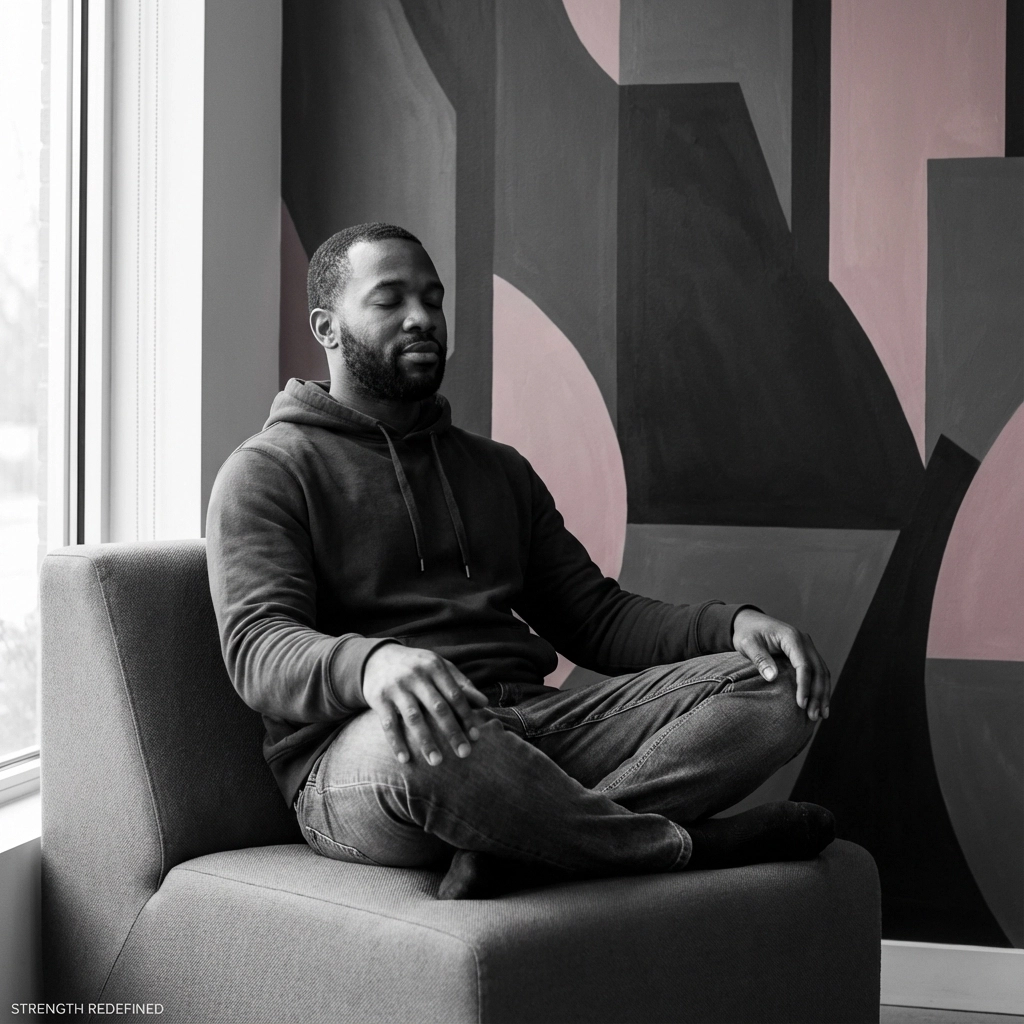
Here's what we need to understand: true strength isn't about never showing pain: it's about managing pain while still living your life. It's about advocating for yourself in medical settings where you might face bias. It's about finding ways to maintain your cultural identity and community connections while also caring for your health.
The hustle doesn't have to stop because of fibromyalgia, but it might need to look different. Maybe it's building a business that allows for flexible hours during flare-ups. Maybe it's becoming an advocate for others with chronic conditions. Maybe it's simply modeling for your community that health and success aren't mutually exclusive.
We need to expand our definition of productivity beyond physical output. Your worth isn't measured by how many hours you work or how much pain you can tolerate. Your value lies in your full humanity: including the parts that hurt, that need rest, that require care.
Moving Forward with Resources and Community
If you're reading this and recognizing yourself, know that you're not alone. The health and wellness community here at Shalena Speaks is building spaces where these conversations can happen openly. We're creating resources specifically for Black and Brown folks dealing with chronic conditions in communities that don't always understand them.
Look for healthcare providers who understand cultural competency and chronic pain. Don't be afraid to switch doctors if you feel dismissed or unheard. Your pain is valid regardless of how it presents or what it looks like to others.
Connect with others who get it. Whether it's through our mental health forums or local support groups, finding community with people who understand both your cultural context and your medical reality can be life-changing.
The Revolution of Rest
The most radical thing we can do in hustle culture is rest. It's revolutionary to say that your health matters more than productivity. It's radical to challenge systems that profit from our exhaustion and pain. When we take care of ourselves, we're not just healing individually: we're modeling a different way of being for our communities.
Your fibromyalgia journey might look different from someone else's, and that's okay. What matters is that you're honoring your experience, seeking the care you deserve, and refusing to let stigma keep you from living fully. The culture is changing, one conversation at a time, one person choosing health over hustle at a time.
You deserve care. You deserve rest. You deserve to live without constant pain being minimized or ignored. And most importantly, you deserve a community that supports all of who you are: including the parts that hurt.
Comments