Food Deserts No More? New Wave of Black-Owned Urban Grocers Changing the Game
- Jan 8
- 5 min read
Here's the tea: 23.5 million Americans live in food deserts, and guess what? Black and Brown communities are hit the hardest. But before you get discouraged, let me tell you what's really happening in our neighborhoods right now, a revolution that's changing the game one grocery aisle at a time.
Black entrepreneurs across the country aren't just waiting for corporate chains to finally show up in our communities. They're rolling up their sleeves, opening their own stores, and proving that when we invest in ourselves, everybody eats better. And bestie, the transformation is real.
Let's Be Real About Food Deserts
You know that feeling when the closest place to grab groceries is a gas station or dollar store? That's not convenience, that's food apartheid. For too long, our neighborhoods have been treated like they don't deserve fresh produce, quality meats, or affordable staples.
Before 2009, if you lived in West Oakland, you literally had to drive or catch public transit just to buy groceries. Can you imagine planning your whole day around getting food for your family? That's the reality millions of us have faced, and it's not just about inconvenience, it's about health, dignity, and economic opportunity.
But here's where the story gets good. Black-owned grocery stores are stepping up to fill these gaps, and they're not just providing food, they're rebuilding community wealth and showing us what true food justice looks like.
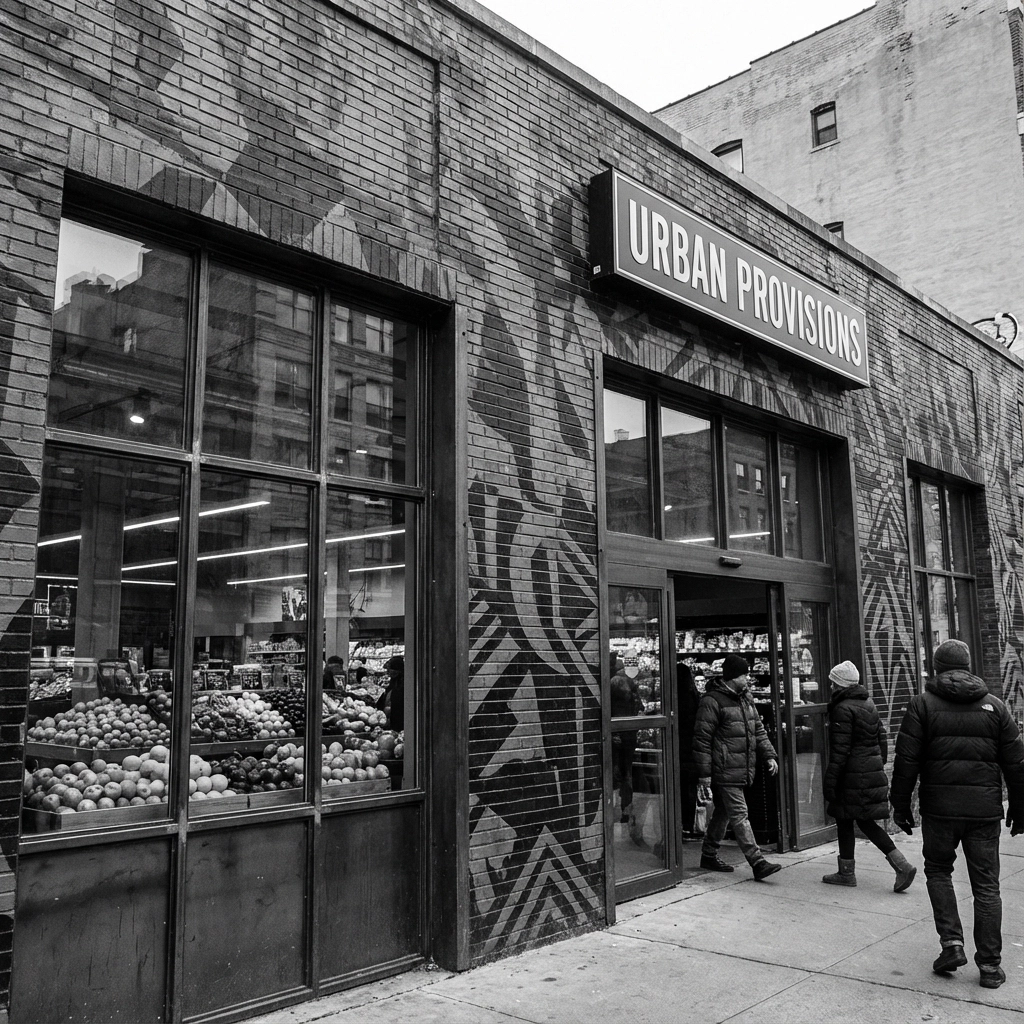
The Game-Changers Making Moves
Mandela Grocery in West Oakland isn't just a store, it's a movement. This worker-owned cooperative just celebrated its 10th anniversary, and let me tell you, they did it right. We're talking renovated spaces, commercial kitchens, and a commitment to sourcing from Black and Brown farmers throughout California. When they throw a celebration, it's not just about shopping, it's about community healing with massage therapy, acupuncture, yoga, cooking demos, and even free haircuts.
Over in Chicago, Liz Abunaw opened Forty Acres Fresh Market on the West Side because she understood something fundamental: our people deserve quality options close to home. No more traveling across town for decent groceries. No more settling for whatever's available at the corner store.
Then you've got spots like Black Dollars Market in Bronzeville and North Lawndale Meat & Fresh Produce Market proving that neighborhood markets can thrive when they're built with love and understanding of what the community actually needs.
And here's something that'll make you smile, Sacramento just got its first Black-owned Grocery Outlet franchise in the Arden-Arcade area. Customers were literally lining up for those grand opening bargains, excited to finally have fresh produce at affordable prices in what used to be a food desert.
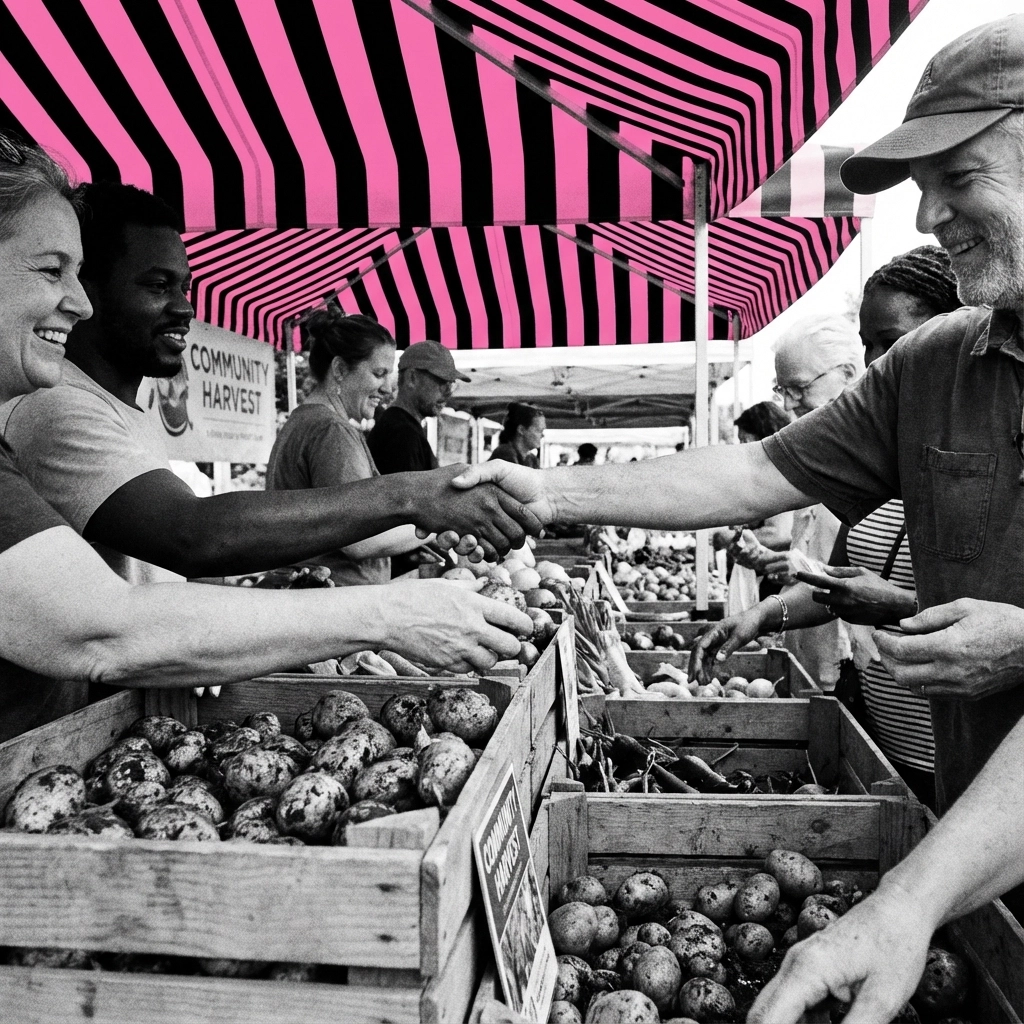
Different Models, Same Mission
What I love about this movement is that there's no single playbook. These entrepreneurs are getting creative with their approaches:
Worker-Owned Cooperatives like Mandela Grocery put power directly in the hands of employees. Everyone has a stake in success, decisions are made collectively, and profits stay in the community. They're even training members of The East Oakland Grocery Co-op to spread this model further.
Traditional Black-Owned Markets like Forty Acres operate with conventional business structures but maintain deep community roots and cultural understanding that corporate chains often miss.
Franchise Partnerships are opening doors too. That Sacramento Grocery Outlet shows how existing franchise opportunities can be leveraged by Black entrepreneurs to serve underserved areas.
Community-Supported Models work directly with local farmers and food producers, creating supply chains that support multiple Black businesses simultaneously.
The Ripple Effect Is Real
When you shop at Black-owned grocery stores, you're doing more than filling your cart, you're investing in transformation. Every dollar spent creates ripples that strengthen local economies, support neighborhood employers, and keep money circulating within our communities.
But the impact goes deeper than economics. These stores become community anchors. They're spaces where neighbors connect, where cultural foods are celebrated, and where healthy eating becomes accessible rather than aspirational.
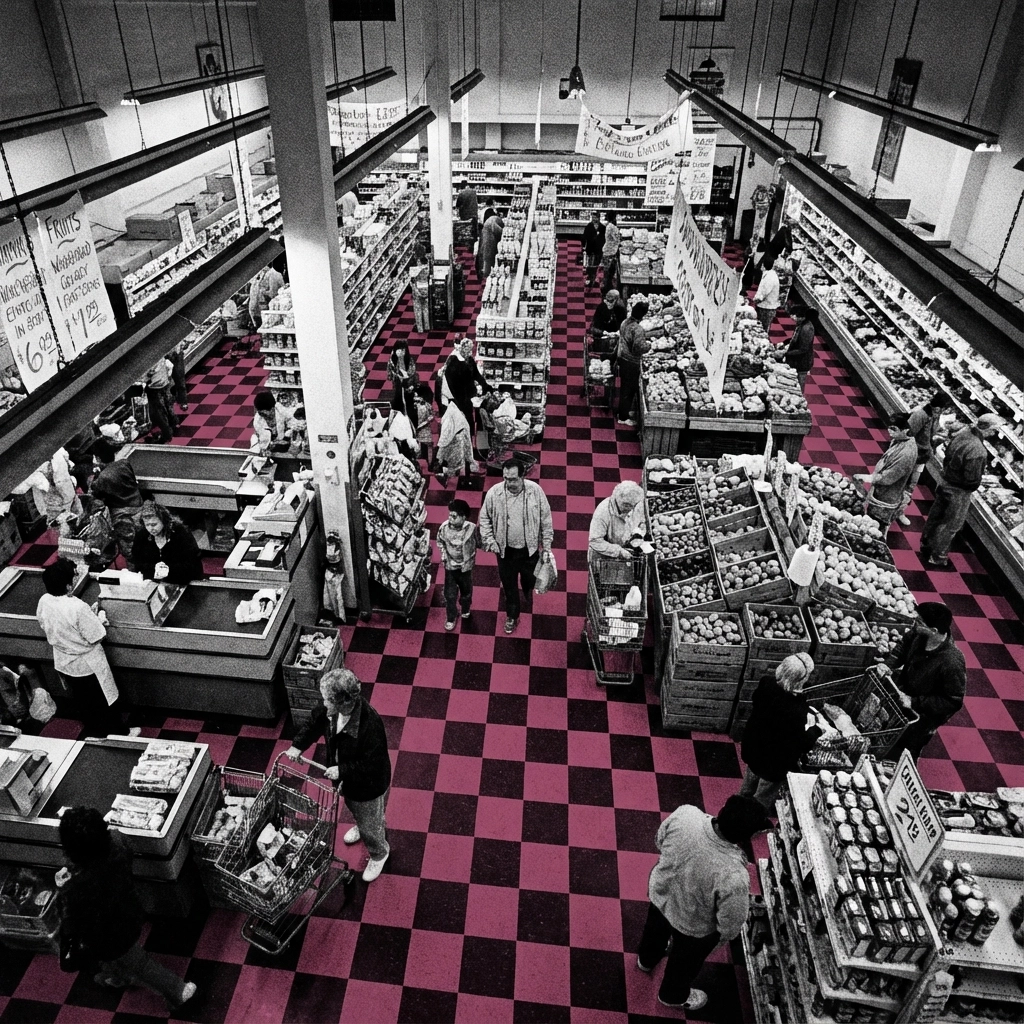
Take Mandela Grocery's approach, they don't just sell food, they educate. Their cooking demonstrations teach families how to prepare nutritious meals. Their partnerships with local farmers introduce customers to seasonal produce. Their community events address food as part of holistic wellness, not just sustenance.
City Support Is Finally Coming
It's not just individual entrepreneurs making this happen, cities are starting to pay attention. Atlanta's Invest Atlanta stepped up to subsidize Nourish + Bloom, a Black-owned autonomous market, when traditional grocery chains refused to serve underserved districts. This public-private partnership approach shows how institutional support can accelerate community-led solutions.
Chicago has organizations like Growing Power working through nonprofit land trusts to ensure equal access to healthy, affordable food. These aren't charity projects, they're systematic approaches to addressing food apartheid through community ownership and control.
What This Means for Our Future
Here's what gets me excited: we're not waiting for permission anymore. We're not begging corporations to see us as worthy customers. We're building our own infrastructure, creating our own solutions, and proving that community-controlled food systems aren't just possible, they're profitable and sustainable.
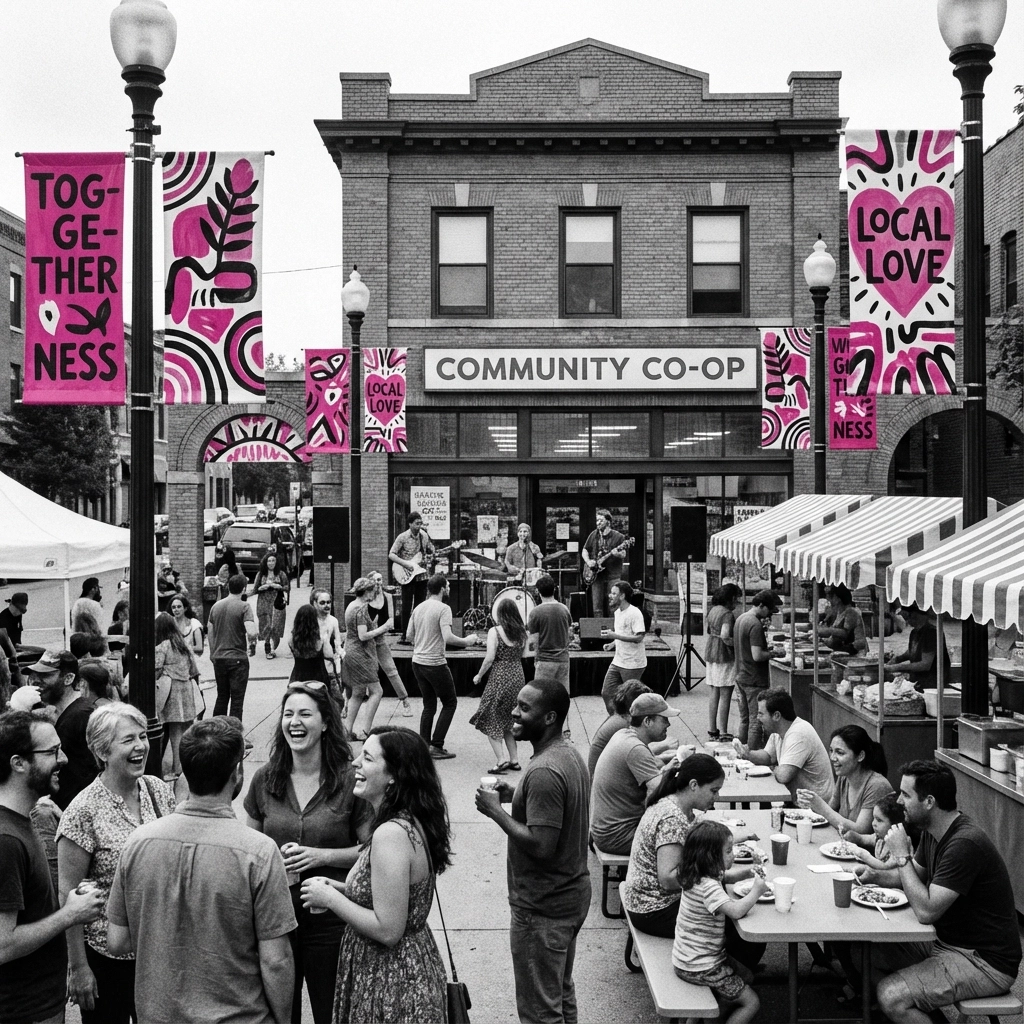
The success of stores like Mandela Grocery (10 years and growing!) shows that when Black entrepreneurs understand their communities' needs and have access to capital and support, they create businesses that thrive. These aren't temporary fixes, they're permanent transformations.
Organizations like BuyBlack.org now maintain directories of over 50,000 Black-owned businesses, making it easier than ever to find and support these ventures. The infrastructure is growing, the community is mobilizing, and the impact is undeniable.
Your Role in the Movement
Every time you choose to shop at a Black-owned grocery store, you're voting with your wallet for the kind of community you want to live in. You're saying yes to fresh food access, yes to community wealth building, and yes to breaking cycles that have kept our neighborhoods underserved.
But it's not just about where you spend money: it's about spreading the word. When you find a Black-owned grocer doing good work, tell your family, share on social media, write reviews. Help these businesses build the customer base they need to expand and serve more people.
The food desert era in Black communities doesn't have to be permanent. With Black-owned grocers leading the charge, supported by conscious consumers and smart public policy, we're writing a new story: one where every neighborhood has access to fresh, affordable, culturally relevant food sold by people who understand and invest in community success.

The revolution is already happening. The question isn't whether Black-owned grocery stores can solve food deserts: they're already doing it. The question is how fast we can scale this success to reach every community that needs it. And with the momentum building right now, that future looks brighter than ever.
Comments