Gary, Indiana in 2025: Still Fighting Through the Ruins
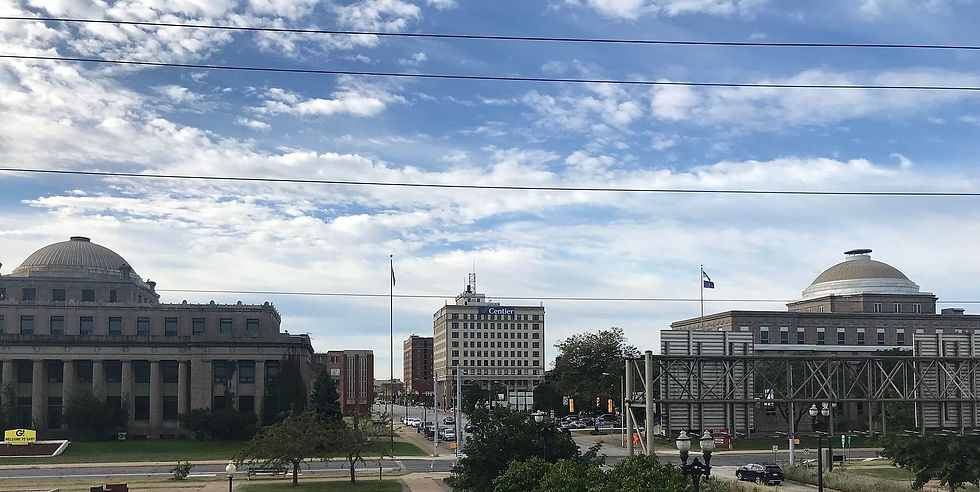
Drive down a street in Gary, Indiana in 2025, and the story of America’s forgotten promises unfolds in front of your eyes. Rows of boarded-up homes. Entire neighborhoods reduced to ghost towns. Schools that once buzzed with children now echo with silence, their windows shattered, their doors chained shut. Churches—once the heartbeat of the community—are left in ruin, their steeples tilting, their pews covered in dust.
Gary isn’t just another struggling Midwest city. This is a place that was once a symbol of the American Dream. Founded in 1906 by U.S. Steel, Gary was designed to be a steel town—a city with jobs, housing, and stability for the families who migrated there. For decades, it worked. Gary was thriving, with a population that peaked at nearly 180,000. Black families moved north during the Great Migration, chasing opportunity and escaping Jim Crow. The city became a hub of culture, music, and resilience. It even gave the world the Jackson 5, putting Gary on the global map.
But just like so many Rust Belt cities, Gary’s story changed.
The Fall: From Steel Boom to Economic Bust
By the late 20th century, steel production slowed, factories automated or moved overseas, and Gary was left with fewer jobs, less tax revenue, and more families forced to leave. The numbers paint a painful picture:
Population decline: From nearly 180,000 at its peak to about 67,200 today. That’s over 100,000 people gone in just a few decades.
Poverty: Roughly 1 in 3 residents live below the poverty line—about double the U.S. average.
Median income: Households earn only $32,900–$37,300, far below the U.S. median of $74,580.
Vacancy: About 20–30% of homes are abandoned, many with caved-in roofs, broken windows, or taken over by weeds.
Once-bustling neighborhoods now feel frozen in time. Roosevelt High School stands gutted, covered in graffiti. The majestic Palace Theater—once a place where residents dressed up for a night of movies—sits hollow, its ceiling falling in. The grand City Methodist Church looks like something out of a movie set, with nature reclaiming its walls.
These aren’t just ruins. They’re reminders of the lives, dreams, and promises that vanished when the economy collapsed.
Why Hasn’t Gary Come Back?
Cities like Detroit, Cleveland, and Pittsburgh have gotten national headlines and billions of dollars in investment to rebuild. Gary hasn’t had that same spotlight. Why?
Some point to political corruption over the years, others to lack of strong federal and state support, and some to corporate abandonment—U.S. Steel profited for decades, but when times got tough, it downsized and pulled back without reinvesting in the community that built its fortune.
For decades, Gary has been used as a cautionary tale, rather than given a fair shot at revival. But the truth is, people are still here. Families never left. Churches still open their doors on Sundays. Kids still laugh, dream, and hope. Gary is not a ghost town—it’s a city fighting to live.
Gary 2025: Signs of Hope
Despite the struggle, there are glimmers of progress:
U.S. Steel’s Gary Works is still operational, producing 6 million tons of steel a year, and employing around 4,300 workers. While many employees now live outside the city, the plant remains an economic anchor.
Local leadership: Mayor Eddie Melton has been pushing redevelopment efforts, seeking partnerships with Nippon Steel and Notre Dame to bring fresh investment and modernization.
Economic growth nearby: Northwest Indiana’s GDP grew over 6% in 2022, showing that the region has economic momentum. If redirected properly, Gary could benefit.
Grassroots resilience: Local residents have started community gardens, nonprofits, and small businesses. Vacant lots are slowly turning into green spaces, and murals on abandoned buildings remind everyone: Gary still has life.
Gary’s biggest challenge isn’t a lack of spirit—it’s a lack of resources and accountability. Too many promises have been made and broken. What residents want now is real, lasting investment that benefits the people who never left—not just developers looking to flip land.
Why Gary Matters
Gary isn’t just about Gary. It’s a mirror of America.
It shows what happens when corporations build a city, extract wealth, and then abandon it. It shows what happens when politicians neglect Black and working-class communities. And it forces us to ask: how can one of America’s once-proud cities be left to crumble while so many others are given a second chance?
But Gary also shows resilience. Families still raise children here. Artists still create. Churches still gather. The culture, the pride, and the history remain, even when the buildings fall apart.
Resources for Gary Residents
If you or someone you know lives in Gary, here are organizations and programs working to make a difference:
Housing & Redevelopment
City of Gary Redevelopment Commission – updates on housing projects, lot programs, and urban renewal.
Indiana Housing & Community Development Authority – rental assistance, first-time homebuyer help, and community grants.
Jobs & Training
WorkOne Northwest Indiana – job search, training, and career development services.
Indiana Career Connect – statewide job listings and employment resources.
Small Business & Funding
Northwest Indiana Small Business Development Center – free coaching and training for entrepreneurs.
Grants.gov – database of federal grants and funding opportunities.
Community Support
Urban League of Northwest Indiana – education, workforce, and civil rights advocacy.
Food Bank of Northwest Indiana – food assistance and community services.
Gary, Indiana in 2025 is still hurting. The abandoned schools, boarded-up houses, and crumbling theaters tell the story of a city left behind. But behind every boarded-up window is a family who stayed. Behind every broken church steeple is a community that still gathers. Behind every empty lot is a possibility waiting to bloom.
The question is not whether Gary deserves saving—it does. The question is whether America will stop looking away and finally invest in the people who’ve kept Gary alive all this time.Gary is more than ruins. It’s resilience. It’s culture. It’s history. And most importantly, it’s people who, even after decades of neglect, still believe in tomorrow.


Comments