Health and Wellness Tips Urban Communities Need: The Simple Trick to Turn Your City Into Your Wellness Space
- Jan 8
- 5 min read
Here's the tea: living in a city doesn't mean sacrificing your wellness. In fact, 68% of adults in walkable neighborhoods get 89 more minutes of physical activity per week than those in car-dependent areas. That's not just a statistic: that's your life we're talking about.
You don't need to move to the suburbs or spend thousands on a gym membership to live your healthiest life. The secret? Transforming your urban environment into your personal wellness playground. And bestie, it's easier than you think.
The Real Talk About Urban Wellness
Let's be real: most of us think city living automatically means less healthy living. Pollution, concrete everywhere, expensive gyms, tiny apartments with no space to breathe. But what if I told you that some of the healthiest people in the world live in cities?
Adults in activity-friendly neighborhoods have obesity rates of 43% compared to 53% in less walkable areas. That's a 10-point difference just based on how your neighborhood is designed. Your zip code literally impacts your health more than your genetic code in many cases.
The simple trick isn't about changing your entire city overnight. It's about recognizing the wellness opportunities that already exist around you and creating new ones where they don't.
Move Your Body Without Even Thinking About It
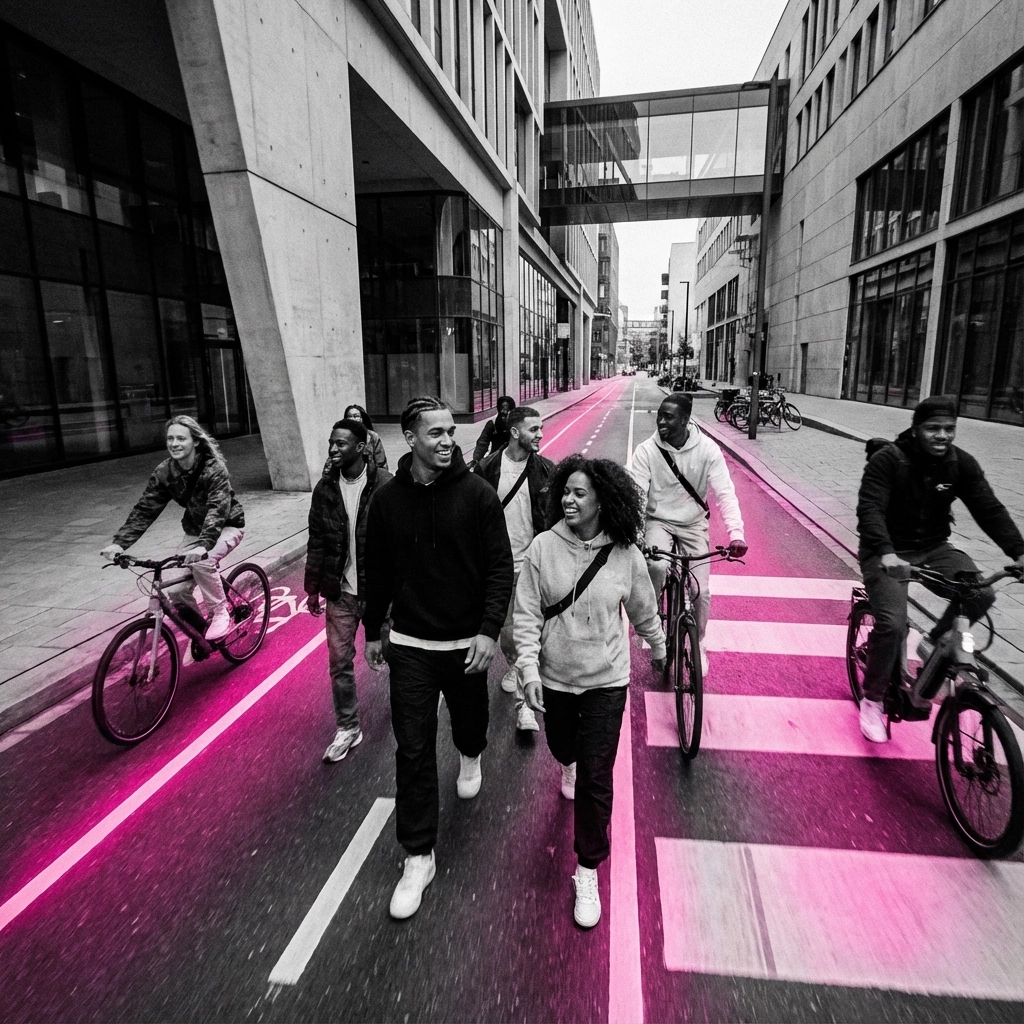
You know what changed my whole perspective? Realizing that the best workout is the one that doesn't feel like a workout. Cities that prioritize walking and cycling infrastructure don't just look prettier: they create communities where movement becomes automatic.
Here's how to make your city work for your fitness goals:
• Map your walking routes: Find 3-4 different paths to your regular destinations. Your morning coffee run becomes cardio when you take the scenic route through the park.
• Bike like it's your job: If your city has bike-share programs, use them. Even 10 minutes of cycling to work beats sitting in traffic scrolling TikTok.
• Stair hunting: Skip elevators when you can. Those extra steps add up to serious calorie burn without ever stepping foot in a gym.
• Walking meetings: Turn phone calls into walking sessions. Your boss will think you're being productive while you're secretly getting your steps in.
In Italy's Romagna Region, they converted coastlines into walkable, cycling-friendly spaces. The result? Adults there are 10% more active than the rest of Italy, and 23% walk or cycle daily compared to just 10% nationally. That's not genetics: that's smart city design.
Turn Concrete Jungles Into Green Sanctuaries
If you're tired of feeling disconnected from nature, you're not alone. But here's what most people don't realize: green spaces aren't just pretty: they're medicine.
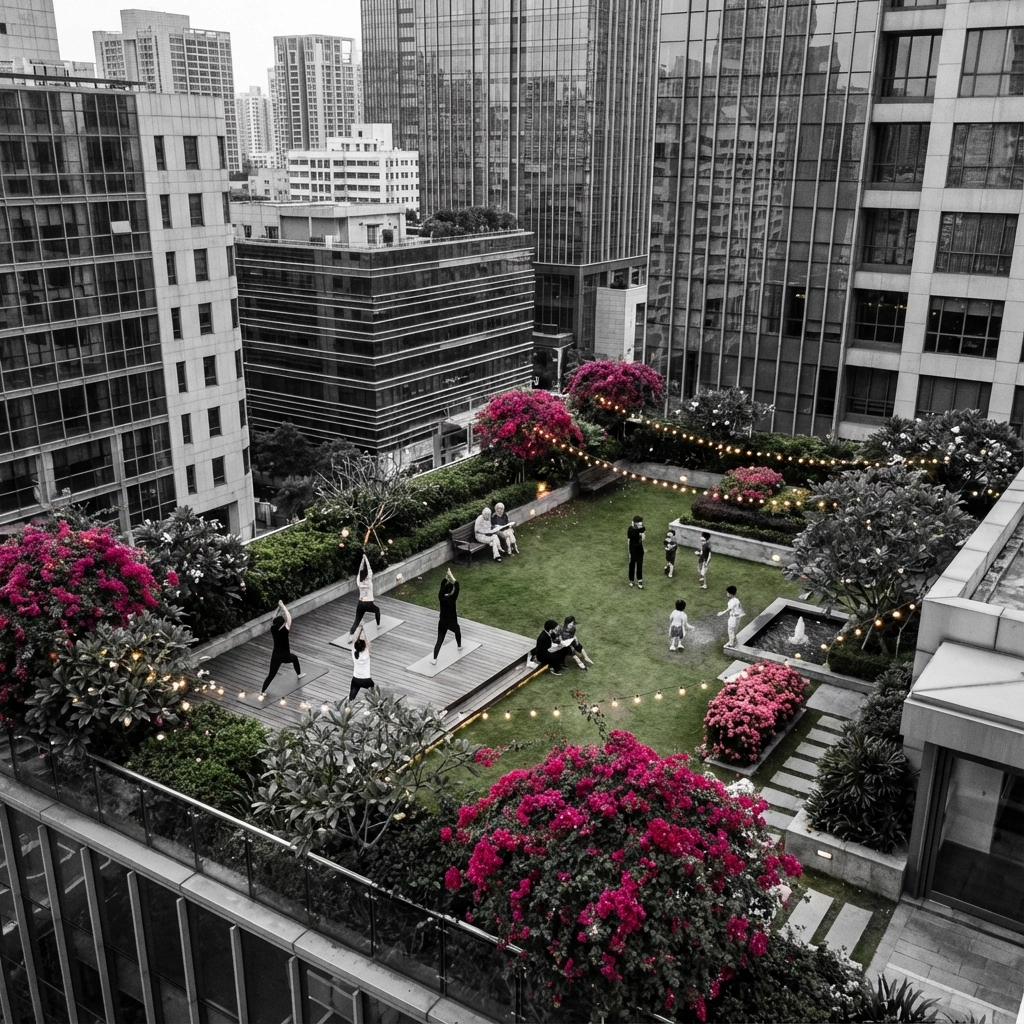
Green and blue spaces provide measurable health benefits:
Improved air quality (less pollution = better breathing)
Reduced urban heat (cooler temps = less heat stress)
Enhanced mental well-being (nature = natural mood booster)
Free recreational spaces (parks = your outdoor gym)
How to maximize nature in your urban space:
• Become a park regular: Find the closest green space and make it part of your routine. Morning meditation, lunch breaks, evening walks: whatever works for your schedule.
• Rooftop gardens and terraces: Many cities have hidden rooftop spaces. Seek them out for a different perspective and fresh air.
• Community gardens: Join or visit local community gardens. You'll get your hands dirty, meet neighbors, and maybe score some fresh vegetables.
• Urban beaches and waterfronts: If your city has water access, use it. Swimming, walking along the shore, or just sitting by water can be incredibly grounding.
The key is creating diverse experiences: some spaces for relaxation and meditation, others for active movement. Your mental health needs both.
Make Your Community Your Support System
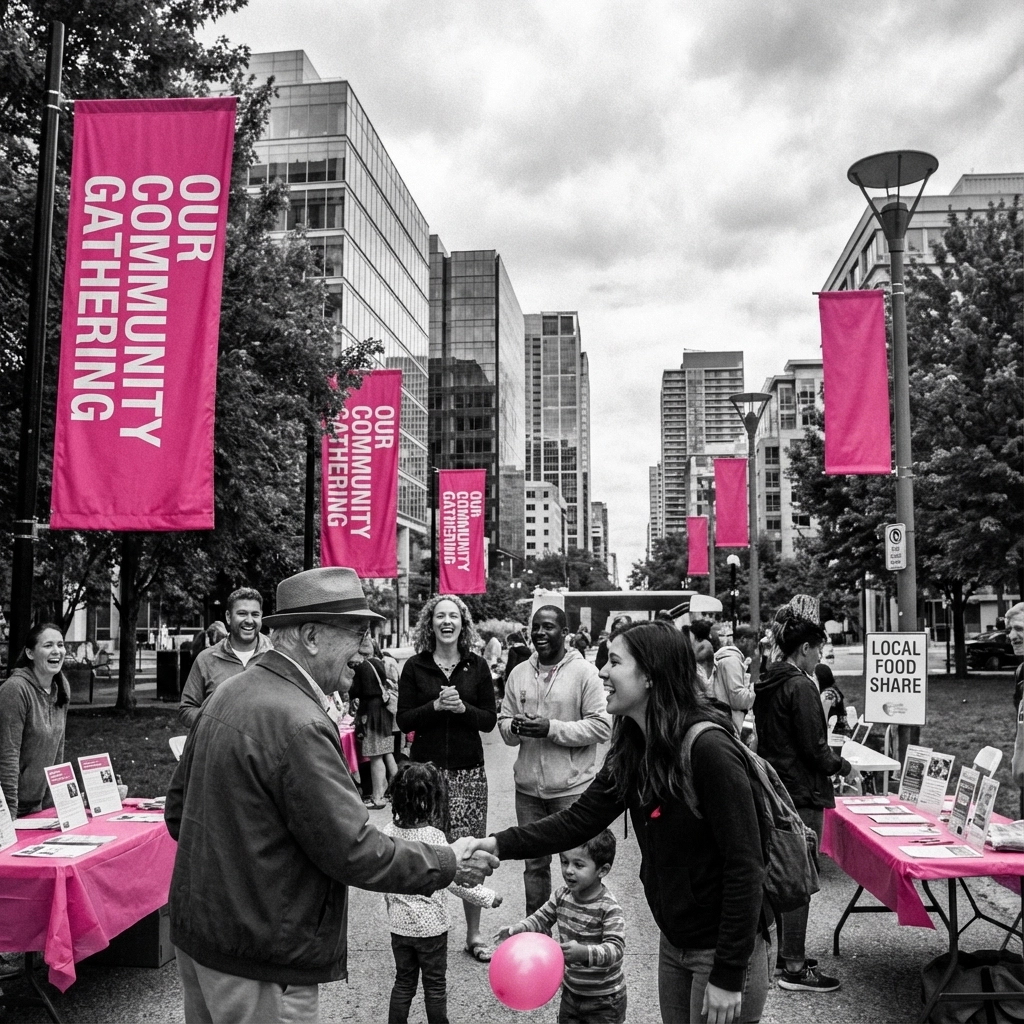
One thing that surprised me about urban wellness? Community engagement is just as important as individual habits. When neighbors look out for each other, everyone's health improves.
Ways to build wellness community:
• Join or create walking groups: Meet neighbors while getting exercise. It's social time and fitness rolled into one.
• Advocate for better infrastructure: Attend city council meetings. Push for more bike lanes, better lighting in parks, accessible sidewalks.
• Organize outdoor events: Block parties, outdoor movie nights, community clean-ups. When people come together outdoors, everyone benefits.
• Share resources: Create neighborhood groups for sharing wellness tips, workout equipment, healthy recipes.
Here's what I learned: when communities have a voice in designing their spaces, those spaces actually get used. Your input matters, and your city needs to hear from you about what would make your neighborhood healthier.
Smart Solutions for Real Problems
Let's talk about the tech side of urban wellness because, honestly, smart cities make healthy living easier.

Digital tools that transform city living:
• Air quality apps: Know when to exercise outdoors vs. when to stay inside. Your lungs will thank you.
• Walking/cycling apps: Gamify your movement with apps that track routes, distance, and progress.
• Community health platforms: Many cities now have apps connecting residents to local health resources, events, and services.
• Heat action plans: Follow your city's heat warnings and cooling center info during extreme weather.
The goal isn't to live through your phone: it's to use technology to make better decisions about when, where, and how to be active.
Your Action Plan Starts Today
Ready to turn your city into your wellness space? Here's your starter pack:
This week:
Walk a different route to somewhere you go regularly
Find the three closest green spaces to your home
Download an air quality app
Identify one community wellness resource you didn't know existed
This month:
Try a new outdoor activity in your city
Attend a community meeting about local health or infrastructure
Connect with one neighbor about wellness goals
Explore a part of your city you've never been to on foot
Long-term:
Advocate for changes you want to see in your neighborhood
Build wellness routines that use your city's existing infrastructure
Share what you learn with others in your community
The Bottom Line
Your city doesn't have to be perfect to support your wellness journey. The transformation happens when you start seeing urban spaces as opportunities instead of obstacles.
Whether it's turning your commute into cardio, finding green spaces for mental health breaks, or building community connections that keep you accountable: your wellness space is wherever you decide to create it.
And honestly? That's pretty empowering.
Want to dive deeper into urban wellness strategies? Check out our health and wellness community where real people share real solutions for city living.
Remember: you don't need to wait for your city to change to start living healthier. Start where you are, use what you have, do what you can. Your future self will thank you.
Comments