How Music Shapes Mental Health and Well-Being
Music is more than just background noise or entertainment. It’s a powerful force that can lift moods, calm nerves, and even help us understand our feelings better. I’ve seen firsthand how music can be a lifeline when life gets heavy. Let’s talk about how music connects with mental health and why it deserves a spot in your self-care toolkit.

The Science Behind Music and Mental Health
You might wonder, how does music actually affect the brain? When you listen to your favorite song, your brain releases dopamine, the “feel-good” chemical. This boost can reduce stress and anxiety, making you feel happier and more relaxed.
Music also lowers cortisol, the hormone linked to stress. That means a few minutes of chill tunes can literally calm your body down. Plus, rhythmic beats can sync with your heartbeat, helping to regulate emotions and even improve focus.
Studies show that music therapy helps people with depression, PTSD, and other mental health challenges. It’s not just about listening; creating music or singing can be just as healing. It gives people a way to express feelings they might not be able to put into words.
How Different Types of Music Affect Your Mood
Not all music hits the same way. Some genres pump you up, others soothe your soul. Here’s a quick rundown:
Upbeat pop and hip-hop: Great for energy and motivation. Perfect for workouts or when you need a confidence boost.
Classical and jazz: These can calm your mind and help with concentration.
Lo-fi and chill beats: Ideal for relaxing or studying, creating a cozy vibe.
Soul and R&B: Often connect deeply with emotions, helping you process feelings.
Reggae and world music: Bring positive vibes and a sense of community.
Finding what works for you is key. Sometimes, switching genres depending on your mood can make a big difference.
Using Music as a Mental Health Tool in Daily Life
Music isn’t just for concerts or parties. It can be a daily mental health hack. Here’s how I use it:
Morning playlists to start the day energized.
Calm tracks during stressful work moments.
Journaling with music to unlock emotions.
Sleep playlists to wind down at night.
If you want to dive deeper, apps like Calm offer guided meditation with music, blending sound and mindfulness. Another cool option is Brain.fm, which uses AI-generated music designed to improve focus and relaxation. These tools show how technology and music can team up for mental wellness.
Music and Community: The Power of Shared Experiences
Music brings people together. Whether it’s a live show, a dance party, or a simple jam session, sharing music creates bonds. This social connection is huge for mental health. Feeling part of something bigger reduces loneliness and builds support networks.
Local music events or online communities can be great places to find your tribe. Even sharing playlists with friends can spark conversations and deepen relationships.
How Music Therapy Works and Who It Helps
Music therapy is a professional approach where trained therapists use music to support mental health. It’s not just about listening; it can include songwriting, playing instruments, or movement to music.
People dealing with trauma, anxiety, or chronic illness often find music therapy helpful. It offers a safe space to explore emotions and develop coping skills. Plus, it’s adaptable for all ages and abilities.
If you’re curious, check out services like BetterHelp, which sometimes incorporate creative therapies including music into counseling sessions. It’s a modern way to blend traditional therapy with creative outlets.

Tips for Using Music to Boost Your Mental Health
Ready to make music your mental health sidekick? Here are some easy tips:
Create playlists for different moods: happy, calm, focused.
Use music to mark transitions, like starting or ending work.
Try singing or playing an instrument, even if you’re a beginner.
Explore new genres to keep things fresh.
Pair music with other self-care like journaling or meditation.
Remember, it’s about what feels good to you. No rules, just vibes.
Comparing Music Tools for Mental Wellness
If you want to explore music’s mental health benefits, here are a few tools to consider:
Calm: Focuses on meditation and sleep with soothing music and nature sounds. Great if you want a full relaxation package.
Brain.fm: Uses AI to create music that helps you focus, relax, or sleep. Perfect for productivity and mental clarity.
BetterHelp: While primarily an online therapy platform, some counselors integrate music and creative arts into sessions, offering a personalized approach.
Each has its strengths. Calm is more about mindfulness, Brain.fm targets brain states, and BetterHelp offers professional guidance with creative therapy options. Depending on your needs, you might find one or a combo works best.
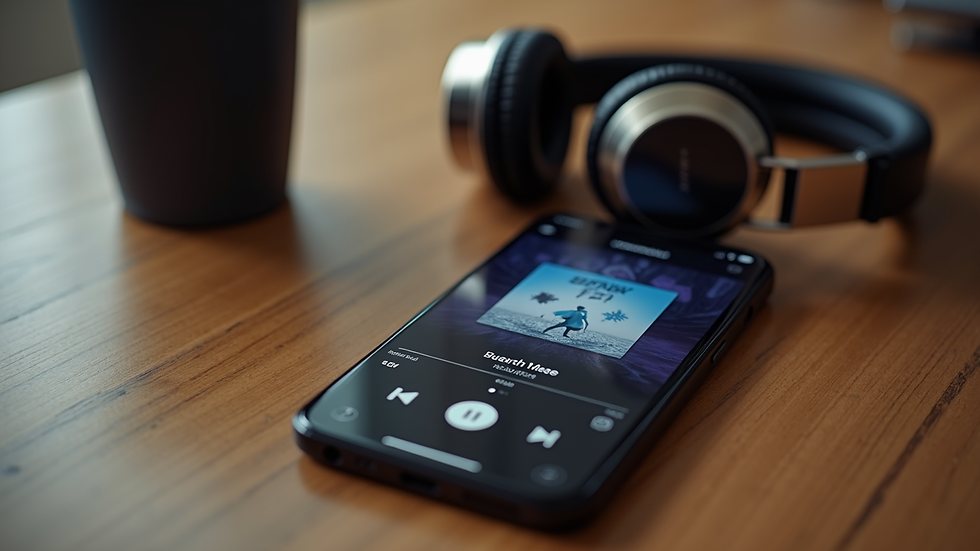
Music is a powerful tool for mental health. It helps us feel, heal, and connect. Whether you’re blasting your favorite jams or trying out music therapy, there’s no wrong way to use music for your well-being. So, plug in, tune out the noise, and let the music work its magic. Your mind will thank you.
This post is for informational purposes only and does not replace professional medical advice.



Comments