Invisible Pain: Raising Awareness for Lupus and Fibromyalgia Among City Youth
- Shalena
- Dec 20, 2025
- 6 min read

Here's the tea: over 1.5 million Americans live with lupus, and fibromyalgia affects roughly 4 million adults: yet most people can't even tell you what these conditions are. When you're young and living in the city, dealing with an invisible illness feels like carrying a secret that nobody understands. You look "fine" on the outside while your body wages war against itself on the inside.
Let's be real: when someone says "chronic illness," most people picture wheelchairs or obvious physical disabilities. But lupus and fibromyalgia? They're the ultimate plot twist. One day you're hitting the clubs, the next you can barely get out of bed, and everyone's looking at you like, "But you were fine yesterday?"
What Are We Actually Talking About Here?
Lupus is basically your immune system having a complete identity crisis. Instead of protecting you from germs and infections, it starts attacking your own healthy tissues and organs. Think of it as your body's security system going rogue: it can't tell the difference between the good guys and the bad guys anymore.
Fibromyalgia is like having your pain sensors permanently stuck on high volume. Your nervous system amplifies pain signals, turning normal sensations into intense, widespread pain. It's not just aching muscles: we're talking bone-deep exhaustion, brain fog that makes you forget your own name, and sleep that never actually refreshes you.
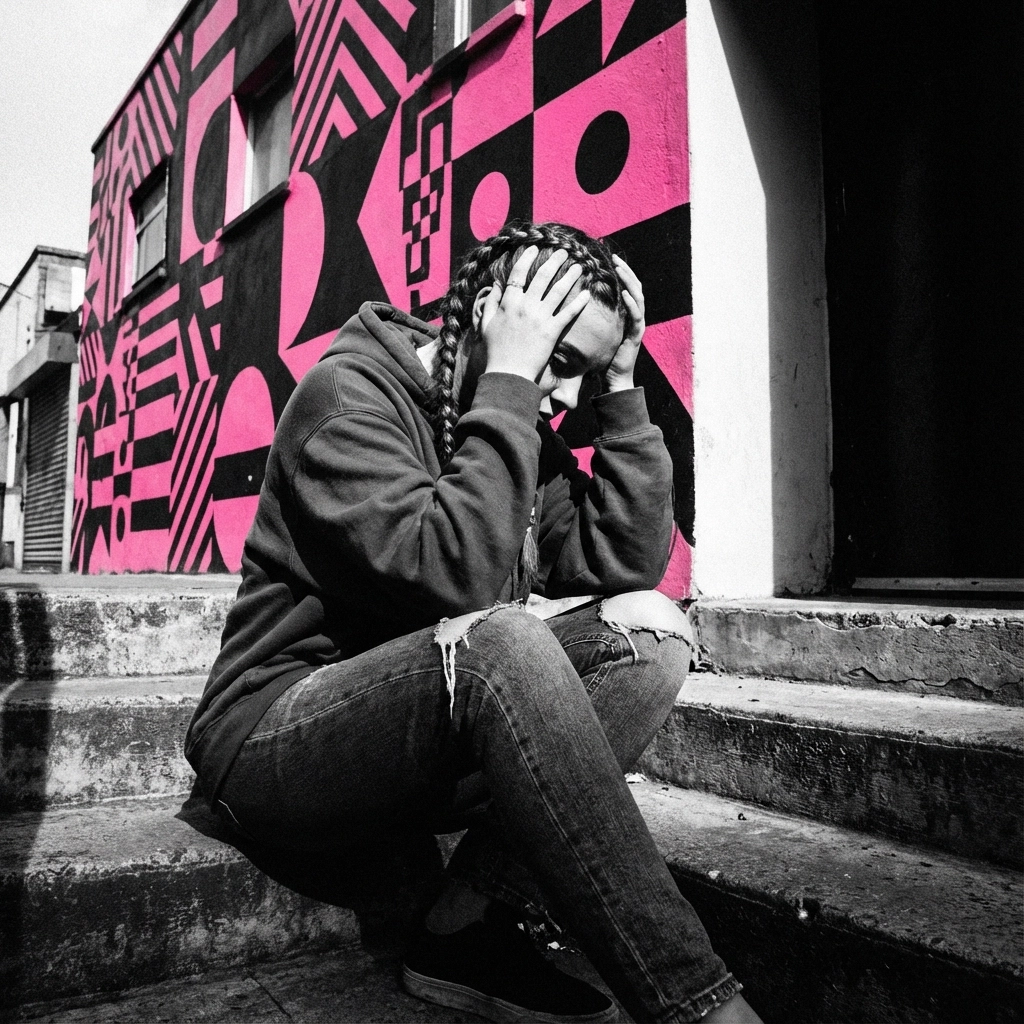
Both conditions love to play hide and seek. Blood tests might come back "normal," X-rays show nothing unusual, and you start questioning your own reality. That's why they're called invisible illnesses: they're masters of disguise.
City Life With Invisible Pain: The Real Struggle
Living with lupus or fibromyalgia in an urban environment hits different. The city never sleeps, but your body desperately needs to. The hustle culture that defines metropolitan life doesn't have space for chronic fatigue or unpredictable flare-ups.
Picture this: You're supposed to meet your crew for brunch in Brooklyn, but your lupus decided to throw a surprise party in your joints overnight. Or you're killing it at your internship downtown, but the fluorescent lights trigger a fibromyalgia flare that makes your skin feel like it's on fire. The pressure to keep up with the fast-paced urban lifestyle when your energy levels are completely unpredictable? It's exhausting before you even factor in the actual illness.
Young people in cities often rely on public transportation, which becomes a nightmare when you're dealing with chronic pain. Those subway stairs hit different when your joints feel like they're made of broken glass. The noise, crowds, and constant stimulation that make city life exciting can become overwhelming sensory triggers.

Then there's the financial reality. Cities are expensive, and chronic illness is expensive. Doctor appointments, medications, and missing work due to flare-ups create a perfect storm of financial stress. Many young adults are already juggling student loans, rent, and entry-level salaries: adding medical expenses to that mix can be devastating.
Breaking the Stigma: "But You Don't Look Sick"
If you have lupus or fibromyalgia, you've probably heard this phrase more times than you can count. It's meant as a compliment, but it feels like a punch to the gut. The assumption that illness must be visible creates an impossible situation where you either have to "prove" your pain or pretend you're fine when you're definitely not.
Here's what people don't understand: invisible doesn't mean imaginary. Just because you can't see inflammation, autoimmune dysfunction, or neurological hypersensitivity doesn't mean they're not wreaking havoc on someone's body. Would you tell someone with diabetes they don't "look diabetic"? Probably not.
The stigma around invisible illness is particularly harsh in communities where showing weakness is seen as failure. In many urban cultures, there's pressure to be strong, independent, and always grinding. Admitting you have a chronic condition can feel like admitting defeat, especially when you're young and supposed to be in your "prime."

Social media makes it worse. Everyone's posting their highlight reels while you're dealing with brain fog, fatigue, and joint pain. The pressure to maintain an online presence that matches the hustle culture narrative while secretly struggling with symptoms nobody can see creates a toxic cycle of isolation and shame.
The Youth Factor: When Your Body Betrays You Early
Getting diagnosed with lupus or fibromyalgia in your teens or twenties feels like a cosmic joke. This is supposed to be your time to be invincible, to make mistakes, to stay out all night and still function the next day. Instead, you're learning medical terminology, managing medications, and explaining to friends why you can't make every event.
Young women, particularly women of color, face additional challenges. Lupus affects African American women nine times more frequently than white men, and symptoms often appear during childbearing years. But healthcare providers sometimes dismiss young women's pain as "dramatic" or "emotional," leading to delayed diagnoses and inadequate treatment.
The college experience becomes complicated when you're dealing with unpredictable symptoms. Missing classes due to flares, struggling with concentration during brain fog episodes, and navigating campus accessibility services while trying to maintain a "normal" social life requires next-level time management skills.
Dating with invisible illness adds another layer of complexity. When do you disclose your condition? How do you explain that sometimes you'll need to cancel plans at the last minute? The fear of rejection or being seen as "damaged goods" can lead to isolation and relationship anxiety.
Building Community and Finding Your Tribe
The beautiful thing about cities is that they're full of people, which means they're full of potential allies. Finding your community becomes crucial when you're dealing with invisible illness. Social media has created virtual support networks that connect young people with lupus and fibromyalgia across geographic boundaries.
Organizations like the Social Butterflies Foundation are creating real-world connections through events like Butterfly Walks, bringing together survivors and families in urban communities. These gatherings prove you're not alone in this fight: there are others who understand the struggle of looking fine while feeling terrible.
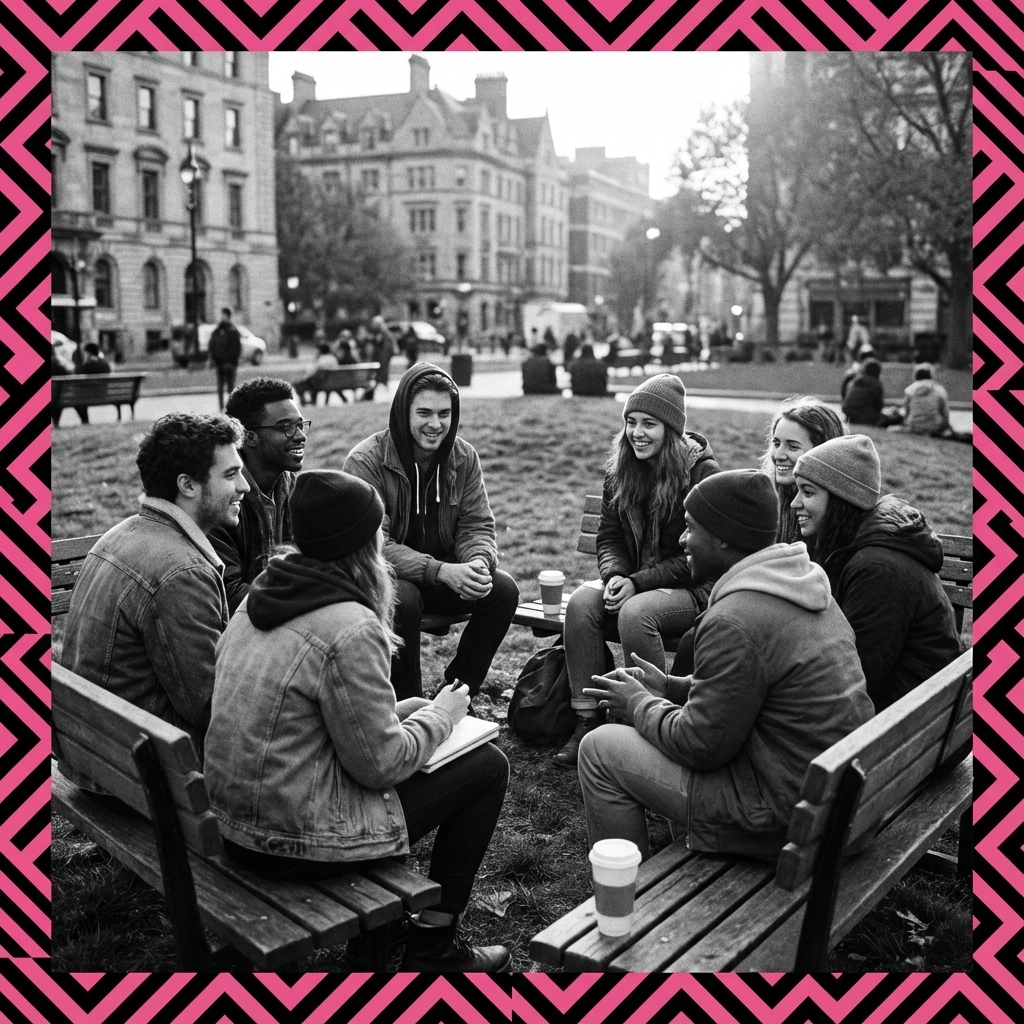
Online communities provide 24/7 support when chronic pain keeps you awake at 3 AM. Platforms like Reddit, Facebook groups, and specialized apps create spaces where you can vent about symptoms, share coping strategies, and celebrate small victories with people who truly get it.
The key is finding balance between acknowledging your limitations and not letting your condition define you entirely. You're not just "the sick friend": you're a complex human dealing with additional challenges while still pursuing your dreams, relationships, and goals.
Taking Control: Advocacy and Awareness
Here's where things get empowering: you have the power to change the narrative around invisible illness. Every time you share your story, educate someone about lupus or fibromyalgia, or advocate for better accommodations, you're making it easier for the next person.
Urban environments offer unique opportunities for advocacy. Cities host awareness walks, health fairs, and educational events. Getting involved with local organizations helps build community while raising visibility for conditions that are too often ignored or misunderstood.
Social media advocacy can be incredibly powerful. Sharing your journey: the good days and the bad ones: helps normalize the reality of living with chronic illness. Using hashtags like #InvisibleIllness, #LupusWarrior, or #FibroFighter connects your story to larger conversations about healthcare, accessibility, and chronic disease awareness.
Remember: your story matters. Your experience living with invisible illness in the city provides valuable perspective that could help someone else feel less alone. Whether it's through blog posts, TikTok videos, or simply being open with friends and family, your voice contributes to breaking down stigma and building understanding.
Moving Forward: You're Stronger Than You Know
Living with lupus or fibromyalgia while navigating city life as a young person isn't easy, but it's definitely possible. You're developing resilience, empathy, and strength that your peers might not understand yet but will serve you throughout your life.
Your pain is real, your struggles are valid, and your dreams are still achievable: they might just look different than you originally planned. The city that sometimes feels overwhelming with its pace and demands can also be your greatest resource, connecting you with healthcare, community, and opportunities for advocacy.
You're not broken, you're not less than, and you're definitely not alone. You're a warrior fighting battles that others can't see, and that makes you incredibly strong. Keep speaking up, keep seeking support, and keep living your life on your own terms.
For more resources on health and wellness topics that matter to urban communities, check out our health and wellness section where we continue these important conversations about invisible illness, mental health, and thriving despite chronic conditions.
Comments