Iran's Internet Went Dark, Protests Got Bloodier , And the World Is Watching a Crackdown in Real Time
- Shalena
- Jan 15
- 5 min read

Let's be real for a second , when was the last time you went a full day without checking your phone? Without scrolling through social media, texting someone, or looking something up? For most of us, the internet isn't just convenient; it's how we connect, organize, and document our lives.
Now imagine that lifeline being ripped away : not because of a storm or a technical glitch, but because your government doesn't want the world to see what's happening to you.
That's exactly what's going down in Iran right now. And if you're just catching wind of this story, here's everything you need to know : no political science degree required.
What Sparked These Protests?
Here's the tea: on December 28, 2025, Iran's currency took a nosedive. We're talking a sharp collapse that sent inflation through the roof. Everyday people : families trying to buy groceries, workers trying to make rent : suddenly couldn't afford basic necessities.
And when people can't feed their families? They hit the streets.
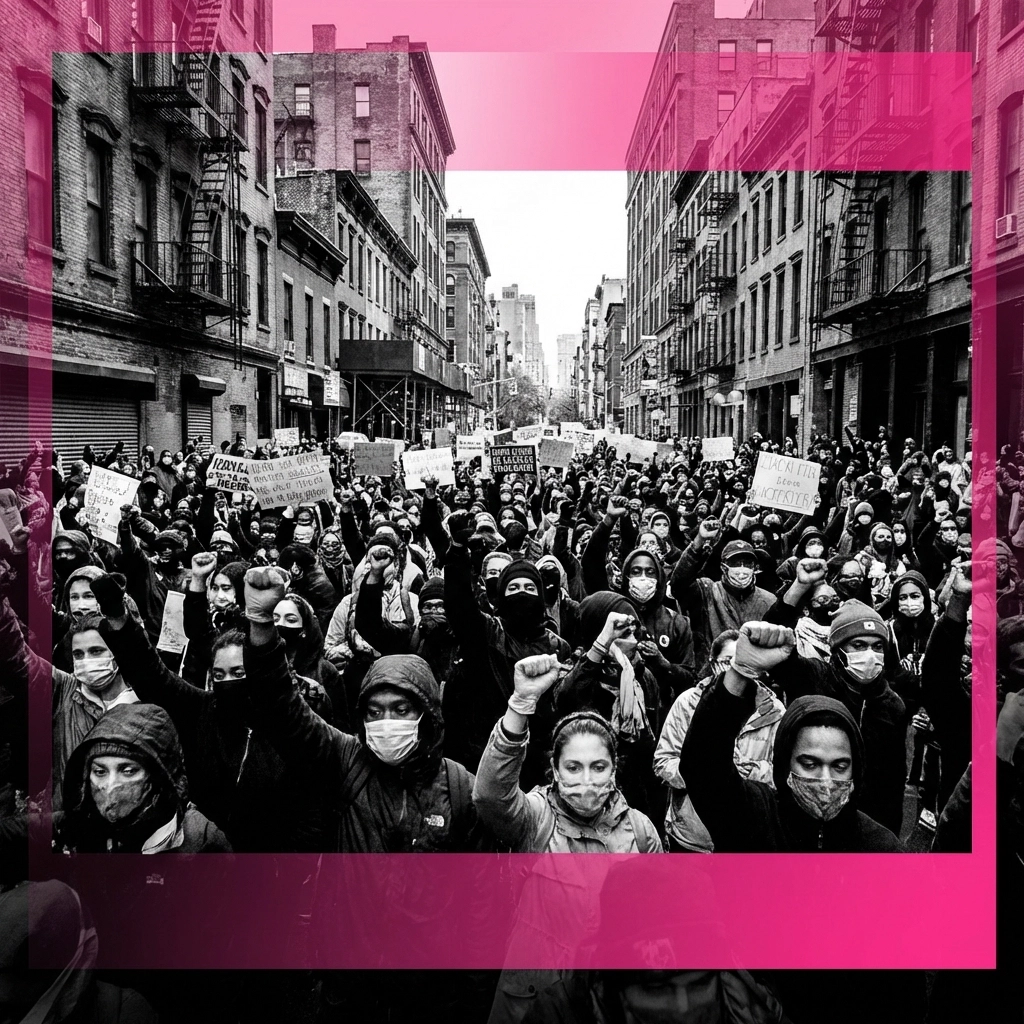
What started as economic frustration quickly evolved into something bigger. Demonstrators across the country began calling for the fall of the Islamic Republic itself. This wasn't just about money anymore : it was about freedom, dignity, and a government that many feel has failed them for decades.
By January 2026, protests had spread nationwide. And that's when authorities decided to flip the switch.
The Internet Went Dark : And That Was the Point
On January 8, 2026, Iranian authorities imposed a nationwide internet shutdown. Not just slowed connections. Not just blocked apps. A full blackout.
Mobile network antennas? Disabled. Phone lines? Cut. Even Iran's National Information Network : their internal internet : went dark in many areas.
This wasn't a glitch, bestie. This was strategy.
When you control the flow of information, you control the narrative. No livestreams of protests. No videos of violence reaching the outside world. No way for people in different cities to coordinate or even know what's happening to each other.
Internet blackouts during civil unrest aren't new. Governments have used this playbook before : in Myanmar, Sudan, Ethiopia. But Iran's shutdown in January 2026 has been described as one of the most comprehensive communication crackdowns in recent memory.
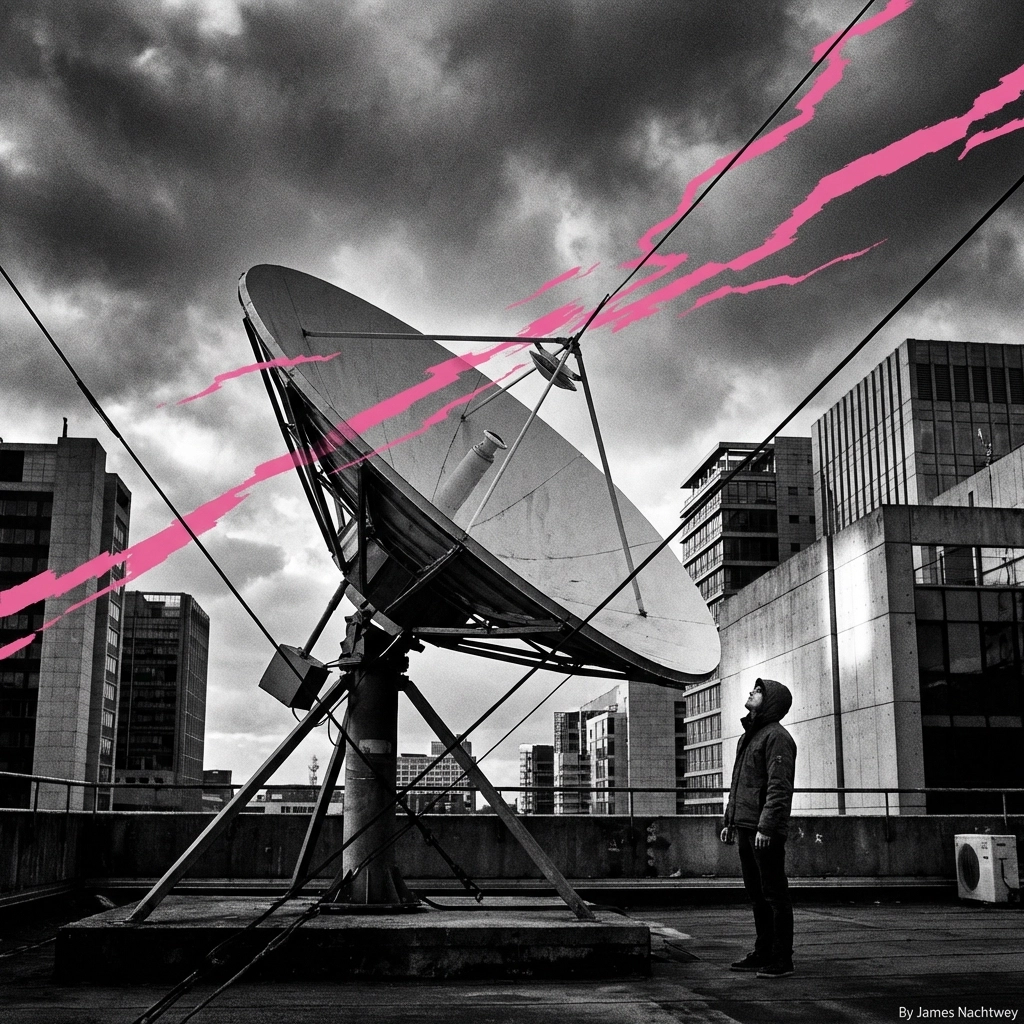
Here's what makes it even more chilling: authorities didn't stop at cutting the internet. They launched door-to-door operations to seize satellite dishes. By January 14, reports emerged that the government was finalizing an "internet kill switch" project designed to permanently sever Iran from the global internet whenever they choose.
Starlink Entered the Chat : Then Got Jammed
You've probably heard of Starlink : Elon Musk's satellite internet service that's been a game-changer in conflict zones. The idea is simple: if a government shuts down traditional internet infrastructure, Starlink terminals can bypass all of that by connecting directly to satellites.
For protesters in Iran, Starlink represented hope. A way to get footage out. A way to tell the world what was happening when their government was trying to silence them.
But Iranian authorities caught on fast.
Reports indicate that security forces began jamming GPS signals to disrupt Starlink access, causing an estimated 30-80% packet loss in some areas. By January 11, Starlink was effectively shut down across the country. And those door-to-door raids? Part of that mission was hunting down satellite equipment.
This is the new information battlefield, y'all. It's not just about who controls the streets : it's about who controls visibility. Who gets to document reality. Who gets to be seen.

The Human Cost Is Devastating : And Hard to Verify
Here's where things get heavy.
When the internet goes dark, independent verification becomes nearly impossible. We can't see what's happening in real time. We can't confirm reports. We're left piecing together fragments : leaked videos, witness accounts from people who managed to get messages out, reports from human rights organizations working overtime to document what they can.
What we do know is alarming:
Amnesty International confirmed at least 28 deaths as of early January across 13 cities
Human Rights Activists in Iran reported at least 2,586 deaths
Some media outlets have cited figures potentially reaching 12,000 to 20,000 : though these numbers remain unverified
Human Rights Watch has documented emerging evidence of killings through verified video footage from morgues and hospitals, as well as witness accounts that managed to slip through the communication restrictions.
International monitoring organizations like NetBlocks and the Georgia Institute of Technology have continued tracking the outage in real time, providing crucial technical documentation even when footage can't get out.
But here's the painful truth: when communications shut down, we often don't learn the full scope of what happened until much later. Sometimes years later. And for the people living through it right now? They're facing violence without the world watching.
Why Should You Care About This?
Look, I get it. The Middle East can feel far away. Politics can feel exhausting. And sometimes the news is so heavy that you just want to scroll past and protect your peace.
But here's why this matters : even if you've never followed international news before:
This is about more than Iran. It's about what happens when governments realize they can flip a switch and make their people invisible. It's about the tools of suppression becoming more sophisticated. It's about the fight for information itself.
It's also a mental health conversation. Imagine being in the middle of a crisis and being completely cut off : from the world, from your community, from any sense that help might be coming. The psychological toll of that isolation is immense. For Iranians living through this, and for diaspora communities watching helplessly from abroad, the trauma is real.
If you're someone who cares about justice, who believes in the power of visibility, who understands that silence can be violence : this story is yours too.
What Can You Actually Do?
Feeling helpless? You're not alone. But here are some real ways to stay engaged:
Stay informed from credible sources. Misinformation spreads fast during blackouts. Stick to verified reporting from outlets like AP, Human Rights Watch, and Amnesty International. Be skeptical of unverified claims : even well-meaning ones.
Amplify voices that need to be heard. Iranian activists, journalists, and diaspora communities are working hard to share information. Boost their content. Share their stories. Visibility matters.
Support organizations doing the work. Groups like Human Rights Watch, Amnesty International, and digital rights organizations are on the ground documenting what's happening. Your support : whether financial or through spreading awareness : makes a difference.
Take care of your mental health. Consuming heavy news takes a toll. If you're feeling overwhelmed, it's okay to step back. Check in with yourself. Talk to someone. You can care about the world and protect your peace at the same time.
For more conversations around mental health and current events, join our community discussions at Shalena Speaks Mental Health Forum : because processing what's happening in the world is easier when you're not doing it alone.
The Bigger Picture
This is a fight over who controls reality. Who controls visibility. And what people will risk to be seen.
Iran's internet blackout isn't just a technical story : it's a human one. It's about mothers who can't reach their children. Activists who can't document abuse. A generation fighting for change while their government tries to make them disappear.
The world is watching. And even when the lights go out, we have to keep paying attention.
Because silence isn't peace. And visibility : sometimes : is the only protection people have.
Stay updated on breaking news and current events analysis by exploring more content on Shalena Speaks. Join the conversation in our Breaking News Network group to discuss stories that matter.


Comments