Living With Lupus in the City: Real Stories and Coping Strategies from Urban Warriors
- Dec 20, 2025
- 5 min read
Updated: Jan 10
Did you know that over 1.5 million Americans live with lupus, and a significant portion of them call urban areas home? From the bustling streets of Atlanta to the fast-paced energy of New York, city dwellers with lupus face unique challenges: but they're also finding incredible ways to thrive. Let's be real: living with a chronic illness in the city isn't exactly what you see in the movies, but these urban warriors are rewriting the narrative every single day.
Meet Your Fellow Urban Warriors
Jasmine, 28, Chicago Marketing Professional
"I was diagnosed with lupus at 25, right in the middle of climbing the corporate ladder in downtown Chicago. The constant fatigue hit different when you're trying to keep up with that 9-to-5 hustle, you know? But here's the tea: the city actually saved me in ways I never expected."
Jasmine discovered that Chicago's extensive public transit system became her lifeline during flare-ups. "On days when driving felt impossible, the L train got me to my rheumatologist appointments, work, and everywhere I needed to be. Plus, living in a walkable neighborhood meant I could still get groceries and essentials even when I was too tired to go far."

Marcus, 35, Brooklyn Teacher
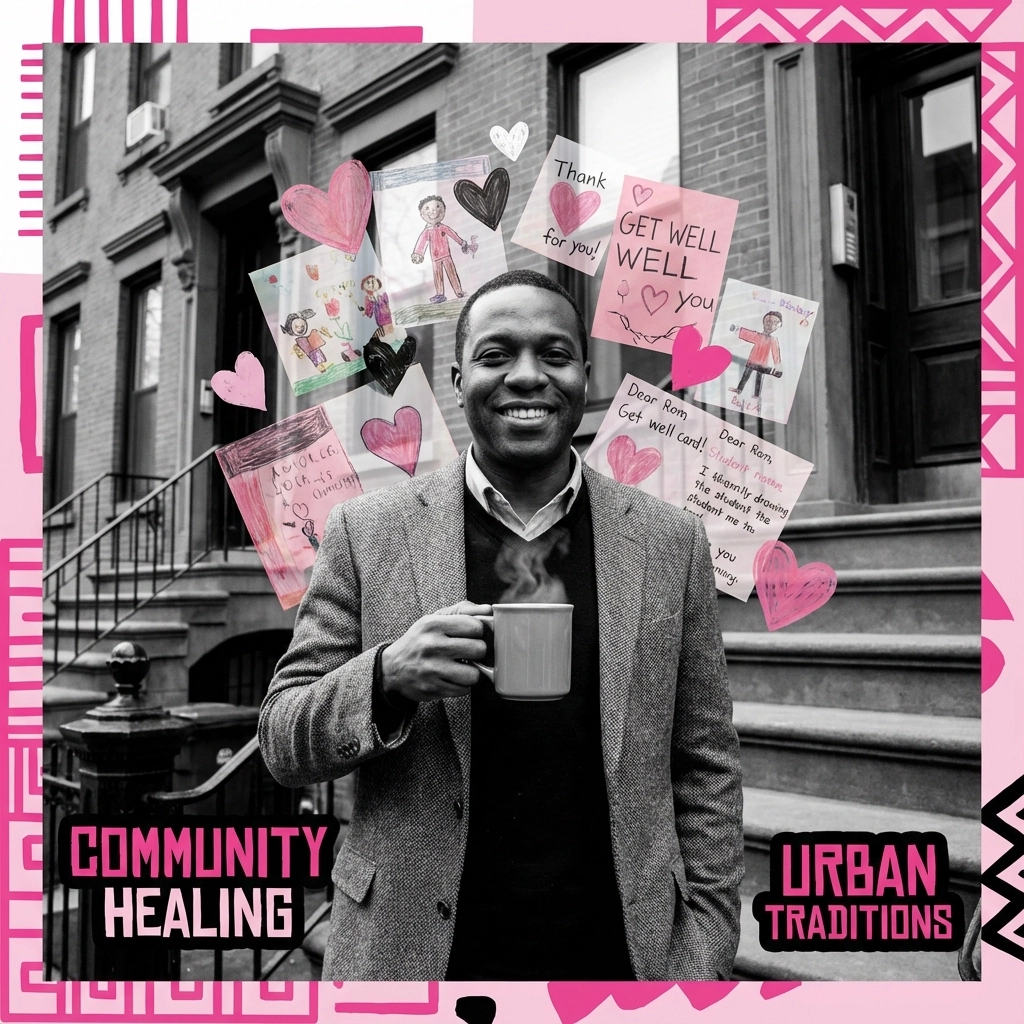
"Teaching in Brooklyn with lupus taught me that community really is everything. My students didn't just learn from me: they taught me about resilience. When I had to miss school for treatments, they'd send me get-well cards. Their families started checking on me like I was part of their own family."
Marcus found that the diversity of his urban environment meant access to different cultural approaches to wellness. "My Dominican neighbor introduced me to herbal teas that actually help with my joint pain. My Korean colleague taught me about meditation practices. The city gives you this beautiful mix of healing traditions."
The Real Talk About City Challenges
Living with lupus in urban environments comes with some specific hurdles that suburban folks might not face. Air pollution can trigger flares, and let's not even start on how city stress affects your immune system. But here's what our urban warriors have learned about navigating these challenges:
The Commute Struggle is Real
Rush hour traffic, crowded subways, and long walks to the office can drain your energy before your day even starts. Smart city dwellers with lupus are getting creative: flexible work arrangements, off-peak travel times, and strategic location choices are becoming game-changers.
Healthcare Navigation
While cities often have more specialists, navigating insurance networks, waiting times, and actually getting to appointments can feel overwhelming. The key? Building relationships with healthcare advocates and using patient navigation services that many urban hospitals offer.
Urban Advantages That Change the Game
But let's flip the script: cities offer some incredible advantages for managing lupus that you just can't find in smaller towns:
Specialist Access Like Nowhere Else
"I can see my rheumatologist, dermatologist, and cardiologist all within a 10-block radius," shares Keisha, a 32-year-old graphic designer from Washington, D.C. "When you're dealing with a complex condition like lupus, having top specialists nearby isn't just convenient: it's lifesaving."
Community and Support Groups
Urban areas typically host multiple lupus support groups, both in-person and virtual. From hospital-sponsored meetings to community center gatherings, finding your tribe becomes much easier when you're surrounded by millions of people.
Delivery Everything
City living means grocery delivery, pharmacy delivery, meal delivery, basically everything delivery. During flare-ups when leaving the house feels impossible, these services become essential lifelines.
Coping Strategies That Actually Work in the City
Master the Art of Energy Management
Urban lupus warriors swear by the "spoon theory": but they've adapted it for city life. Plan your high-energy activities for times when you typically feel strongest. If you're a morning person, schedule important meetings before noon. Save low-energy tasks for your typically tired times.
Create Your Urban Sanctuary
Transform your living space into a healing environment. Invest in blackout curtains for better sleep, air purifiers to combat city pollution, and plants that improve indoor air quality. Your apartment might be small, but it can still be mighty when it comes to supporting your health.

Build Your City Support Network
Don't just rely on family and close friends: create a broader urban support system:
Develop relationships with local pharmacy staff who understand your medication needs
Connect with neighbors who can help during flare-ups
Join local Facebook groups for people with chronic illnesses
Find a trusted ride-share driver or cab company for medical appointments
Navigate Healthcare Like a Pro
Use hospital patient portal apps to manage multiple specialists
Schedule appointments in clusters to minimize travel
Research which emergency rooms in your area have the best lupus care protocols
Keep a digital copy of your medical records on your phone
Food as Medicine in the Urban Jungle
City food culture can work for or against your lupus management. Skip the processed convenience store meals and explore the incredible diversity of anti-inflammatory foods available in urban markets:
Farmers Markets Are Your Friend
Most cities have weekly farmers markets where you can find fresh, organic produce that supports anti-inflammatory eating. Plus, building relationships with local vendors means they'll remember your preferences and might even set aside special items for you.
Ethnic Grocery Stores
Korean markets for fermented foods that support gut health, Caribbean stores for anti-inflammatory spices like turmeric and ginger, Middle Eastern markets for tahini and olive oil: cities give you access to healing foods from around the world.

Mental Health in the Metropolis
The mental health aspect of living with lupus in the city deserves its own conversation. Urban environments can be overstimulating, but they also provide incredible resources for mental wellness.
Therapy Access
Cities typically offer more therapists who specialize in chronic illness, including those who understand the intersection of autoimmune conditions and mental health. Many also offer sliding-scale fees or accept various insurance plans.
Mindfulness in Motion
Urban parks become essential for mental health management. Whether it's Central Park in Manhattan, Grant Park in Chicago, or Piedmont Park in Atlanta, these green spaces provide crucial respites from city stress.
Building Your Urban Lupus Toolkit
Every city dweller with lupus needs a personalized toolkit for managing their condition. Here's what seasoned urban warriors recommend keeping on hand:
Portable phone charger for long hospital days
Transit app with real-time updates for energy-saving travel
List of nearby urgent care centers that accept your insurance
Backup medication stash for your office or car
Comfortable walking shoes for unexpected longer commutes
Sunscreen with SPF 30+ (because city sun reflection is real)
The Power of Urban Community
Perhaps the most powerful tool urban lupus warriors have is community. Cities bring together people from all walks of life who understand struggle, resilience, and the importance of looking out for each other.

"The beautiful thing about living with lupus in the city is that you're never really alone," reflects Jasmine. "Whether it's the bodega owner who knows to order your favorite herbal tea, the neighbor who checks on you during flares, or the coworker who covers your responsibilities when you need medical leave: the city becomes this extended family that supports your journey."
Living with lupus in the city isn't always easy, but it's filled with possibilities for connection, healing, and growth that you might not find anywhere else. For more resources on managing chronic conditions and connecting with others who understand your journey, check out our health and wellness community where urban warriors share their experiences and support each other every single day.
Remember: you're not just surviving with lupus in the city, bestie. You're thriving, inspiring others, and proving that chronic illness doesn't define your limits. Keep showing the world what an urban warrior looks like. ✊


Comments