Mental Health in Urban Communities Matters: 7 Simple Practices That Actually Work
Let's be real for a second , if you're living in the city, navigating crowded trains, working multiple hustles, dealing with noise that never stops, and trying to keep your peace while rent keeps climbing... your mental health is getting tested daily.
And here's the tea: urban communities, especially BIPOC neighborhoods, face unique mental health challenges that don't always get the attention they deserve. We're talking about higher stress levels, limited access to affordable care, cultural stigma around "getting help," and environments that weren't exactly designed with our well-being in mind.
But you already knew that. You're living it.
What you might not know is that there are simple, practical ways to protect your mental health that actually work , and don't require a $200-an-hour therapist or a week-long retreat you can't afford.
So if you've been feeling overwhelmed, disconnected, or just... tired in a way sleep doesn't fix, this one's for you. Let's talk about seven practices that can help you reclaim your peace , for real.
Why Mental Health in Urban Communities Hits Different
Before we get into the how, let's acknowledge the what.
Studies consistently show that city living comes with elevated risks for anxiety, depression, and chronic stress. And when you add systemic issues like healthcare deserts, economic pressure, and the weight of navigating spaces that weren't built for you? The mental load multiplies.
But here's the thing , you're not broken. The environment is challenging. And the good news is: when communities and individuals work together, evidence-based practices can genuinely improve well-being.
You don't have to white-knuckle your way through life. You deserve tools that work.

1. Engage in Regular Self-Care and Mindfulness (Yes, For Real)
I know, I know , "self-care" has become a whole marketing buzzword at this point. But stripped of the bath bombs and face masks, self-care is really about one thing: intentionally doing something that supports your mental and emotional health.
That could look like:
Five minutes of deep breathing before you start your day
Journaling when your thoughts feel too loud
A ten-minute meditation on your lunch break
Saying "no" to plans when you're already running on empty
Mindfulness isn't about being zen 24/7. It's about checking in with yourself : noticing when you're stressed, when you're triggered, when you need a break : and actually responding to that.
Start small. Consistency matters more than perfection.
2. Build and Maintain Strong Social Connections
Urban life can be weirdly isolating. You're surrounded by millions of people but still feel alone. That's not a personal failing : that's a design flaw in how cities work.
But here's what the research says: strong social networks protect against mental health struggles and help people recover faster when symptoms do show up.
So what does that look like in practice?
Actually talking to your neighbors (not just nodding in the hallway)
Joining a local group : book clubs, fitness classes, community gardens
Showing up to community events, even when you're tired
Maintaining friendships with intention, not just convenience
You weren't meant to do this alone. Connection is medicine.

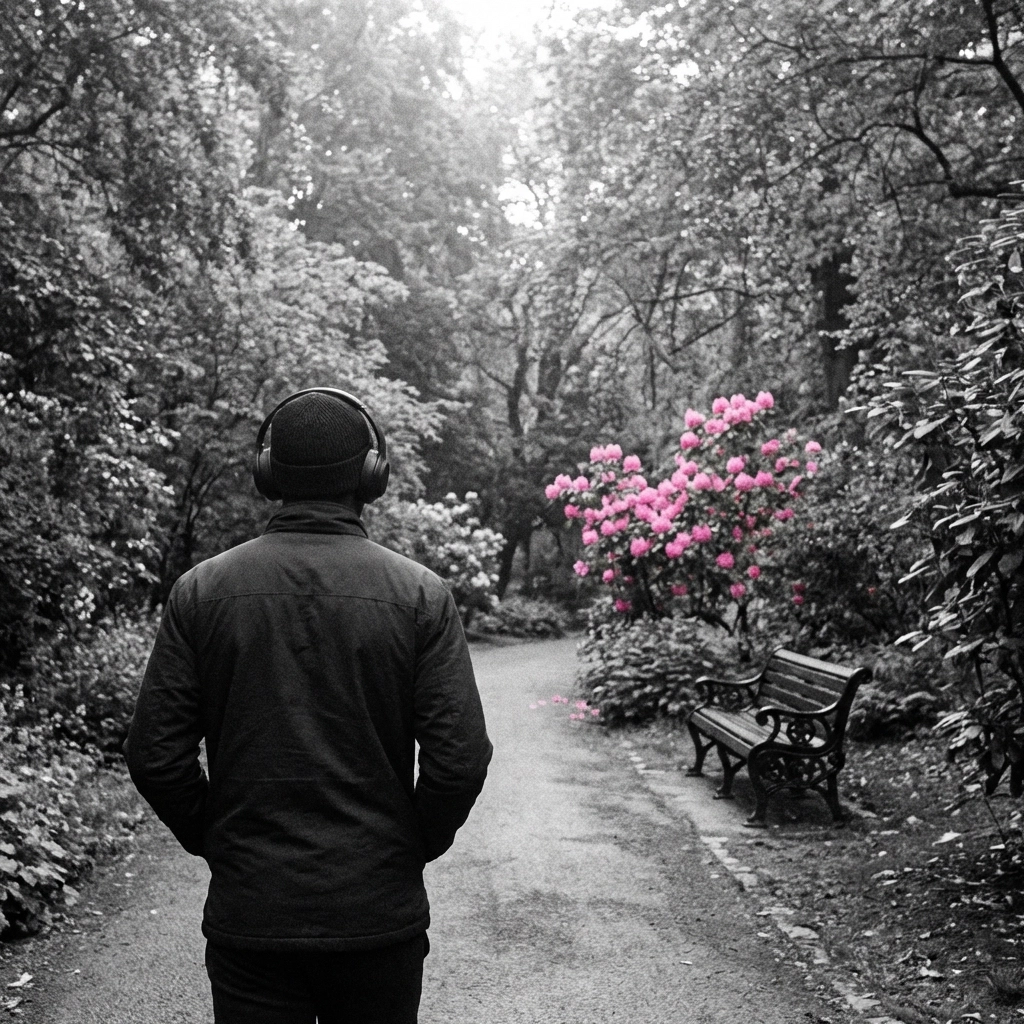
3. Utilize Green Spaces and Nature
If you're thinking, "Penny, I live in concrete city : where's the nature?" : I hear you. But even small doses of green space make a measurable difference in mental well-being.
Parks, community gardens, tree-lined streets, even a few plants on your windowsill : these aren't just aesthetic choices. They're mental health interventions.
Research shows that accessible green spaces in urban areas reduce stress, lower anxiety, and give your brain a break from sensory overload.
So find your spot. That park bench. That quiet corner with trees. That rooftop garden. And visit it like it's your job : because in a way, protecting your peace is.
4. Prioritize Walkable Neighborhoods and Active Movement
Let's talk about how you move through your city.
Walkable neighborhoods and access to public transportation aren't just convenience factors : they're mental health factors. Long, stressful commutes increase anxiety. Feeling unsafe walking in your neighborhood increases hypervigilance.
When possible:
Choose walking or biking over sitting in traffic
Explore different routes to break the monotony
Advocate for better public transit and pedestrian safety in your area
Movement isn't just about fitness. It's about giving your brain space to process, decompress, and reset.
5. Access Culturally Sensitive Mental Health Support
Here's where we need to keep it a hundred: traditional mental health systems haven't always served urban and BIPOC communities well.
From therapists who don't understand cultural context, to stigma within families and communities, to straight-up lack of access : the barriers are real.
But culturally appropriate support exists. And it matters.
Look for:
Therapists and counselors who share or deeply understand your cultural background
Community-led mental health initiatives (these consistently show the strongest outcomes)
Support groups that speak your language , literally and figuratively
Helplines designed for specific communities
If therapy hasn't worked for you before, it might not have been the right fit. Don't give up on finding support that actually gets you.
For more resources and conversations around wellness in our community, check out Shalena Speaks Lifestyle.
6. Participate in Community Decision-Making
This one might surprise you, but stay with me.
Feeling powerless is a major driver of anxiety and depression. And in urban environments, it's easy to feel like the city happens to you, not with you.
But research shows that participating in community decision-making : attending city council meetings, advocating for mental health funding, supporting local Black-owned businesses : actually improves psychological security.
Why? Because collective action builds a sense of agency. It reminds you that you're not just surviving the city : you're shaping it.
If you're looking for ways to support community impact, explore the Black Businesses page for ways to connect and contribute.
7. Engage With Community-Based Peer Support Programs
Here's what the data keeps confirming: high-engagement, community-led mental health initiatives work. Better than isolated interventions. Better than top-down programs designed without community input.
Peer support groups, community forums, neighborhood wellness circles : these approaches mobilize local resources and build on existing social structures.
Translation? Your community already has healing power. Sometimes we just need to organize it.
Look for:
Local peer support groups (faith-based, neighborhood-based, identity-based)
Community forums discussing mental health openly
Grassroots organizations doing wellness work in your area
And if those spaces don't exist yet? Maybe you're the one meant to start them.
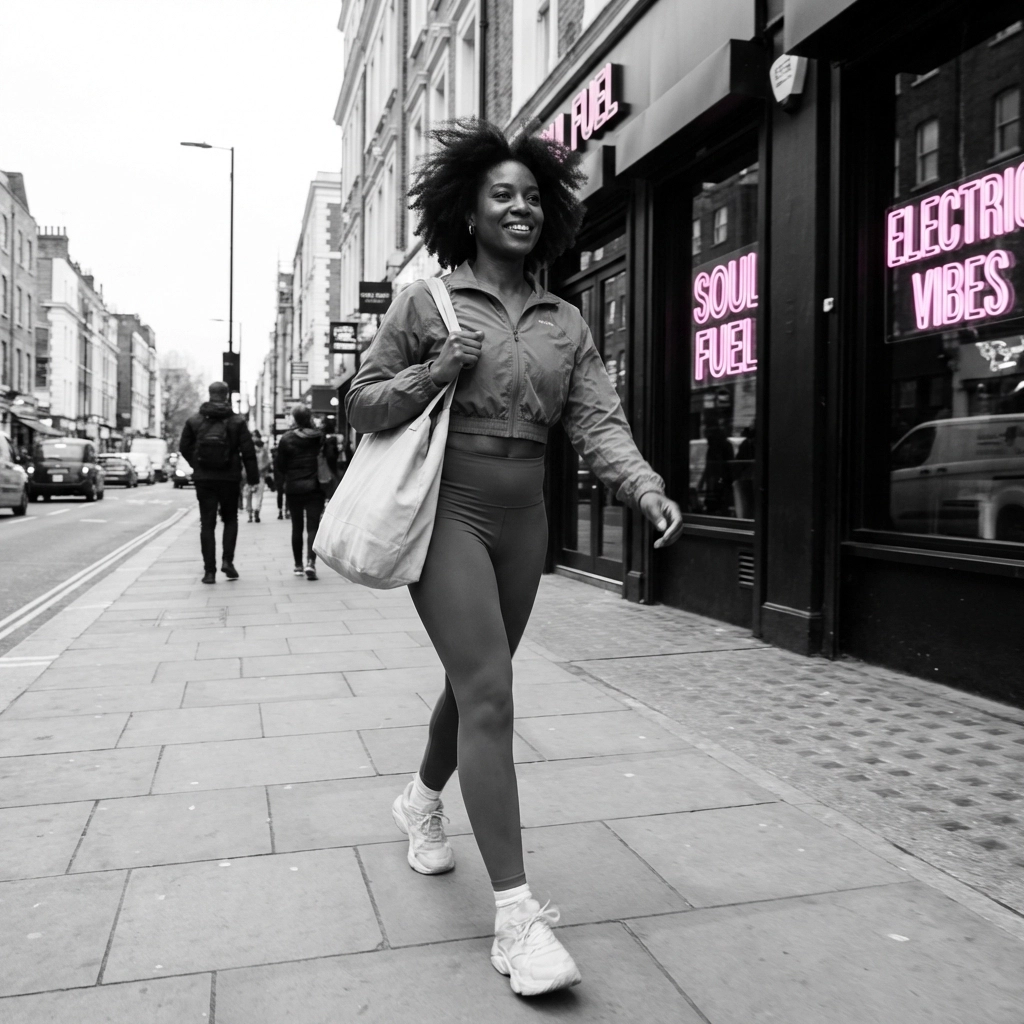
Bottom Line: Your Mental Health Matters : Full Stop
You're not being dramatic. You're not "too much." You're not weak for struggling in environments that were designed to be hard.
Mental health in urban communities isn't a personal problem : it's a collective challenge. And the solutions work best when we approach them collectively too.
So start where you are. Pick one practice from this list. Try it for a week. Then add another.
You deserve to feel good in your own life, bestie. Not just survive : but actually thrive.
And if you're looking for more content that speaks to real life, real struggles, and real empowerment, Shalena Speaks has you covered.
Your peace is worth protecting. Let's make it happen.


Comments