Navigating Mental Health During the Holidays: Real Talk for Urban Communities
- Dec 24, 2025
- 6 min read
Here's the tea: 89% of US adults report feeling stressed during the holiday season, and if you're living in the city, you're probably feeling that pressure even more intensely. Between the nonstop hustle, family expectations, and those Instagram-perfect holiday posts flooding your feed, it's no wonder that 64% of people with mental health conditions say the holidays make everything worse.
But let's be real, you're not broken if December feels heavy instead of merry. You're human, and you're navigating one of the most emotionally complex times of the year while living in an environment that never truly sleeps.
The Urban Holiday Reality Check
City life during the holidays hits different, and not always in a good way. You're dealing with crowded public transportation filled with stressed-out shoppers, higher costs for everything from gifts to groceries, and the constant reminder that you're surrounded by millions of people yet might still feel completely alone.
The lights are brighter, the pressure is higher, and social media makes it seem like everyone else is living their best holiday life while you're just trying to make it through another day without having a breakdown on the subway.
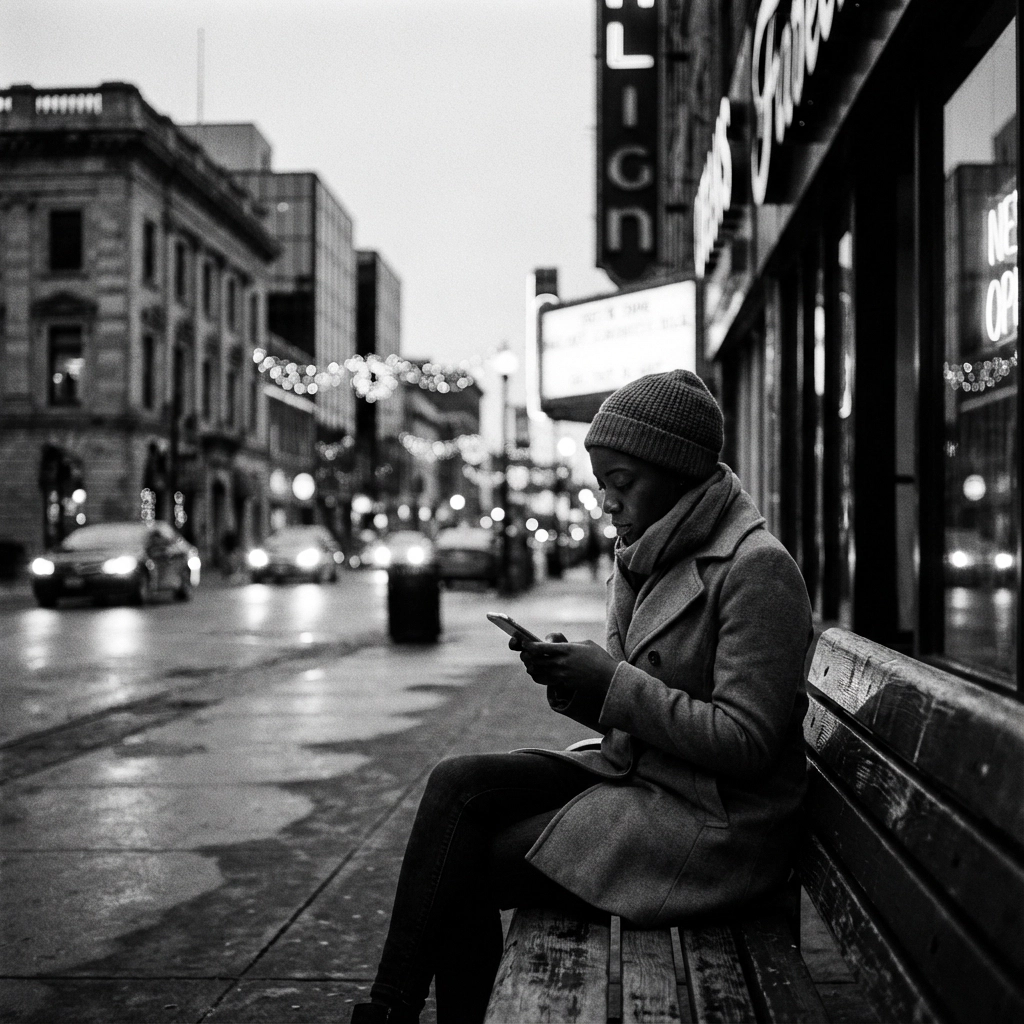
The truth? Most of us are struggling more than we let on. Research shows that psychiatric hospital admissions actually decrease during Christmas, which tells us something important: people are leaning hard on their support systems just to get through. The question is, are you building those systems for yourself?
The Big Five: Urban Holiday Mental Health Challenges
1. Financial Stress That Hits Different in the City
When your rent is already eating half your paycheck, adding gift expenses, holiday outfits, and those "small" get-togethers that somehow cost $100+ each can push you over the edge. Urban living means higher baseline costs, and the holidays amplify that pressure.
2. Family Drama Meets City Logistics
Maybe your family doesn't understand your urban lifestyle, or you're dealing with the stress of coordinating travel during the busiest time of year. Flying home for two days might cost you a week's grocery budget, and staying in the city might mean fielding guilt trips about "abandoning family traditions."
3. Loneliness in a Sea of People
There's a special kind of isolation that comes with being surrounded by millions of people but not having your crew nearby. The holidays can amplify this feeling, especially when your social media is full of everyone else's picture-perfect gatherings.
4. Grief That Gets Complicated
Losing someone hits different during the holidays, and urban environments can make grief feel more intense. The constant stimulation of city life doesn't give you space to process, and there's pressure to "keep up" with the holiday energy around you.
5. Seasonal Pressure Overload
The city doesn't slow down for your mental health. Work deadlines don't disappear, your commute doesn't get easier, and your neighbor's holiday decorations start going up in October, creating months of low-level stress.
Building Your Urban Holiday Survival Toolkit
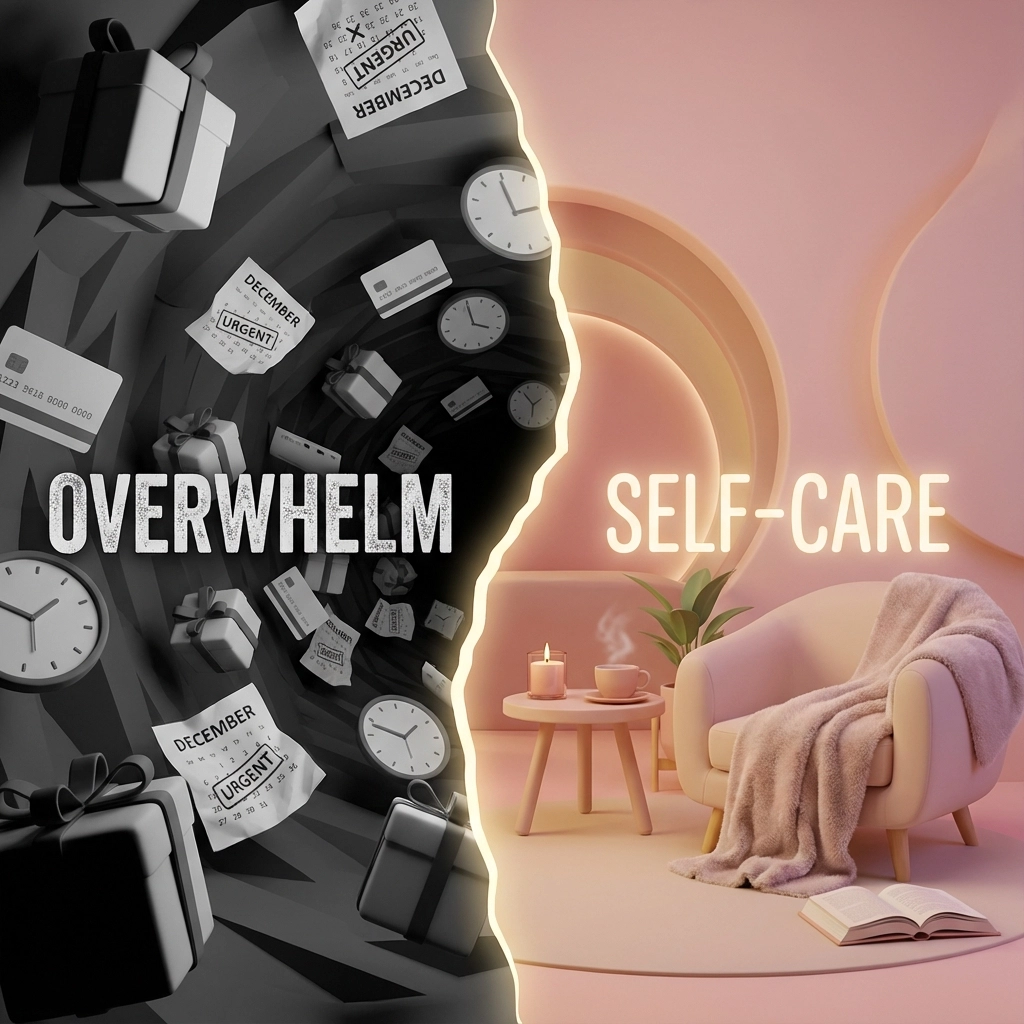
Replace Perfect with "Good Enough"
That magazine-worthy holiday aesthetic? Let it go, bestie. Your mental health is worth more than the perfect Instagram post. If you're hosting, order takeout and put it on nice plates. If you're gift-giving, thoughtful doesn't have to mean expensive. The goal is connection, not perfection.
Create Micro-Sanctuaries
In a city where quiet spaces are rare, you need to get creative about finding peace. Maybe it's 10 minutes in a corner coffee shop with your headphones, a walk through a park during your lunch break, or even just sitting in your car (if you have one) before heading into a family gathering.
Set Boundaries Like Your Mental Health Depends on It (Because It Does)
You don't have to attend every holiday party, buy gifts for everyone you know, or explain your choices to family members who don't get your life. It's okay to say no to protect your peace. Your mental health isn't up for negotiation.
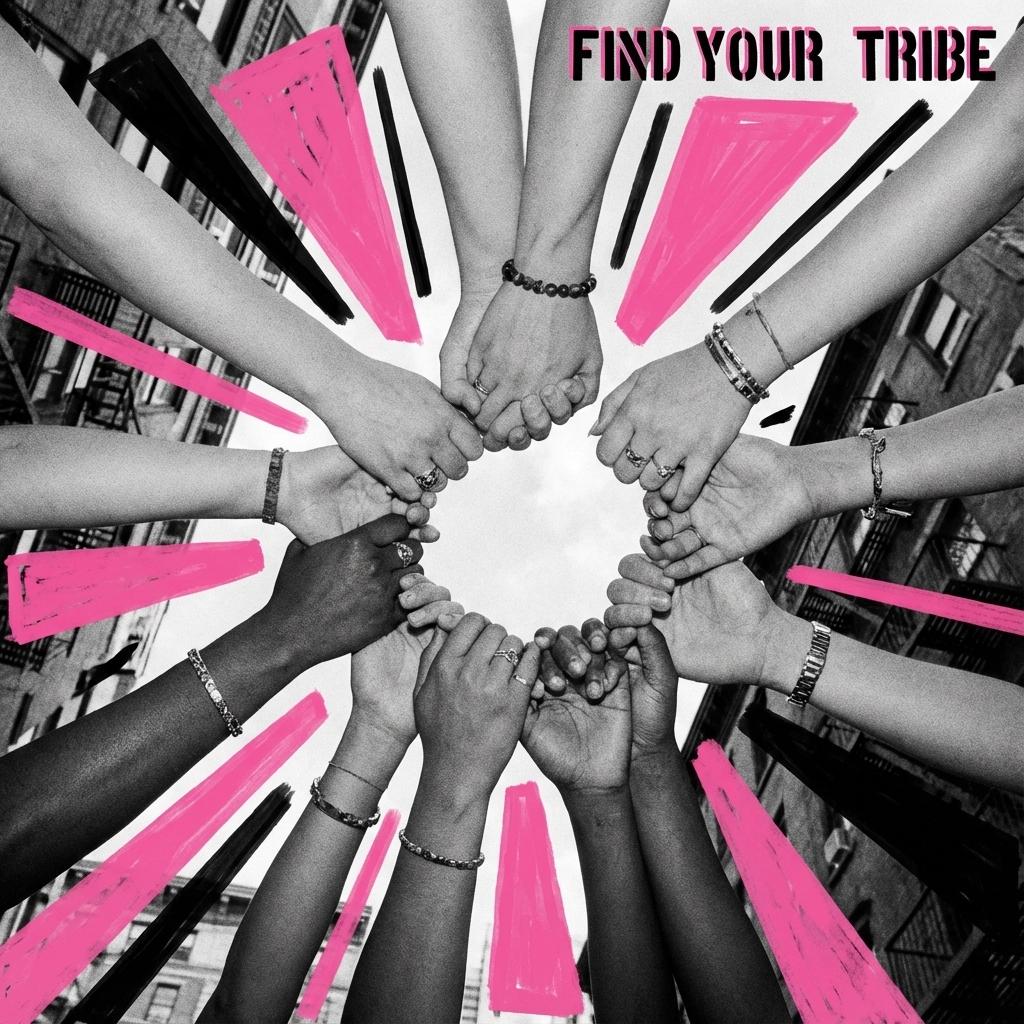
Find Your Urban Tribe
Connecting with community through support groups, local meetups, or even online spaces can be a lifeline during the holidays. Check out apps like Meetup or Eventbrite for holiday-specific gatherings for people in similar situations, whether that's "Friendsgiving for transplants" or "Holiday movie nights for introverts."
Simplify Your Commitments
When you feel overwhelmed, your first instinct might be to do more, but that's backward thinking. Look at your holiday calendar and cut 30% of your commitments. Your future self will thank you when you're not running around the city trying to be everywhere at once.
Normalizing the Holiday Blues
Can we talk about something for a minute? It's completely normal to feel sad, anxious, or overwhelmed during the holidays. The cultural pressure to be grateful and joyful 24/7 is unrealistic and harmful.
Maybe you're grieving someone you lost this year. Maybe your family situation is complicated. Maybe you're dealing with financial stress or relationship issues. Maybe you're just tired of pretending everything is fine when it's not.
All of these feelings are valid, and they don't make you ungrateful or broken.
The holidays can bring up complicated emotions about family dynamics, personal growth, life changes, and unmet expectations. If you're feeling more anxious or depressed than usual, you're not alone, and you're not failing at the holidays.
Your Local Lifelines: Resources That Actually Help
Crisis Support That's Always Available
National Suicide Prevention Lifeline: 988 (available 24/7)
Crisis Text Line: Text HOME to 741741
SAMHSA National Helpline: 1-800-662-4357 (24/7, free, confidential)
Urban-Specific Mental Health Resources
Check your city's department of health website, most major cities offer sliding-scale therapy, support groups, and crisis intervention services. Many community centers also host holiday-specific support groups for people dealing with grief, family stress, or seasonal depression.
Apps and Online Communities
BetterHelp or Talkspace for accessible therapy options
Sanvello, Headspace, or Calm for daily mental health maintenance
Local Facebook groups or Reddit communities for your city often have mental health support threads
Building Authentic Holiday Connections
Here's what research tells us: connection protects mental health, but only when it feels genuine. Quality over quantity, always.
Instead of forcing yourself through awkward office parties or obligatory family gatherings that drain you, focus on the connections that actually fill your cup. Maybe that's a quiet dinner with one close friend, volunteering at a local organization, or even just having an honest phone conversation with someone who gets you.
Urban communities offer unique opportunities for chosen family connections. Your neighbors, coworkers, classmates, or people from your gym might become your holiday support system. Don't underestimate the power of reaching out to someone else who might also be struggling.
Your Holiday Mental Health Action Plan
Before the Season Gets Intense
Identify your triggers (certain family members, financial stress, social media)
Plan your support system (therapist appointments, friend check-ins, crisis resources)
Set realistic expectations for yourself and others
Budget for your mental health (therapy, stress-relief activities, saying no to expensive plans)
During the Challenging Moments
Use the 5-4-3-2-1 grounding technique (5 things you see, 4 you touch, 3 you hear, 2 you smell, 1 you taste)
Take strategic breaks from social situations
Remember that feelings are temporary
Reach out before you're in crisis
After Difficult Interactions
Decompression time is non-negotiable
Process with a trusted friend or therapist
Practice self-compassion instead of self-criticism
Plan something to look forward to
Moving Forward with Compassion
The holidays don't have to be perfect to be meaningful. Your mental health journey doesn't pause for December, and that's okay. You're allowed to prioritize your well-being over other people's expectations.
If you're reading this and recognizing yourself in these struggles, know that seeking support is a sign of strength, not weakness. Whether that's therapy, medication, support groups, or just honest conversations with friends: getting help is how you take care of yourself.
The urban holiday experience is unique, challenging, and often isolating: but it doesn't have to define your entire season. You have more control over your experience than it might feel like right now.
For more mental health resources and community support, check out our mental health forum where you can connect with others navigating similar challenges. Remember: you're not alone in this, and your mental health matters more than any holiday tradition.
Take care of yourself out there. The city: and the holidays( will still be here when you're ready.)
Comments