Nutrition & Relief: Food Swaps and Recipes Tailored for Lupus and Fibromyalgia Flares
Let's be real, when you're dealing with lupus or fibromyalgia, some days just getting out of bed feels like climbing Mount Everest. Now imagine trying to cook a nutritious meal when your joints are screaming and your energy tank is running on fumes. Here's the tea: what you eat can either be your biggest ally in managing flares or make you feel even worse. But here's the good news, bestie, you don't need to become a master chef or spend hours in the kitchen to nourish your body in ways that actually help.
If you're tired of feeling like your chronic illness controls your relationship with food, this guide is for you. We're talking real, doable swaps and simple recipes that work with your lifestyle, not against it. Because you deserve to feel good in your body, and the right foods can be a game-changer in managing inflammation and pain.
Why Food Matters When You're Fighting Invisible Battles
When you're living with lupus or fibromyalgia, your body is essentially in a constant state of internal conflict. Inflammation becomes your uninvited roommate that never pays rent and always leaves a mess. But here's what's empowering about this, you have more control than you think.
Research shows that anti-inflammatory foods can significantly reduce the severity of flares and help manage symptoms. We're not talking about miracle cures here, but rather strategic choices that support your body's healing processes. Think of food as medicine that actually tastes good and doesn't come with a laundry list of side effects.
The key is understanding that every bite is either feeding inflammation or fighting it. Processed foods, excess sugar, and certain triggers can literally pour gasoline on the inflammatory fire. But nutrient-dense, whole foods? They're like having a team of tiny firefighters working 24/7 to keep things calm.
Your Anti-Inflammatory Dream Team Foods
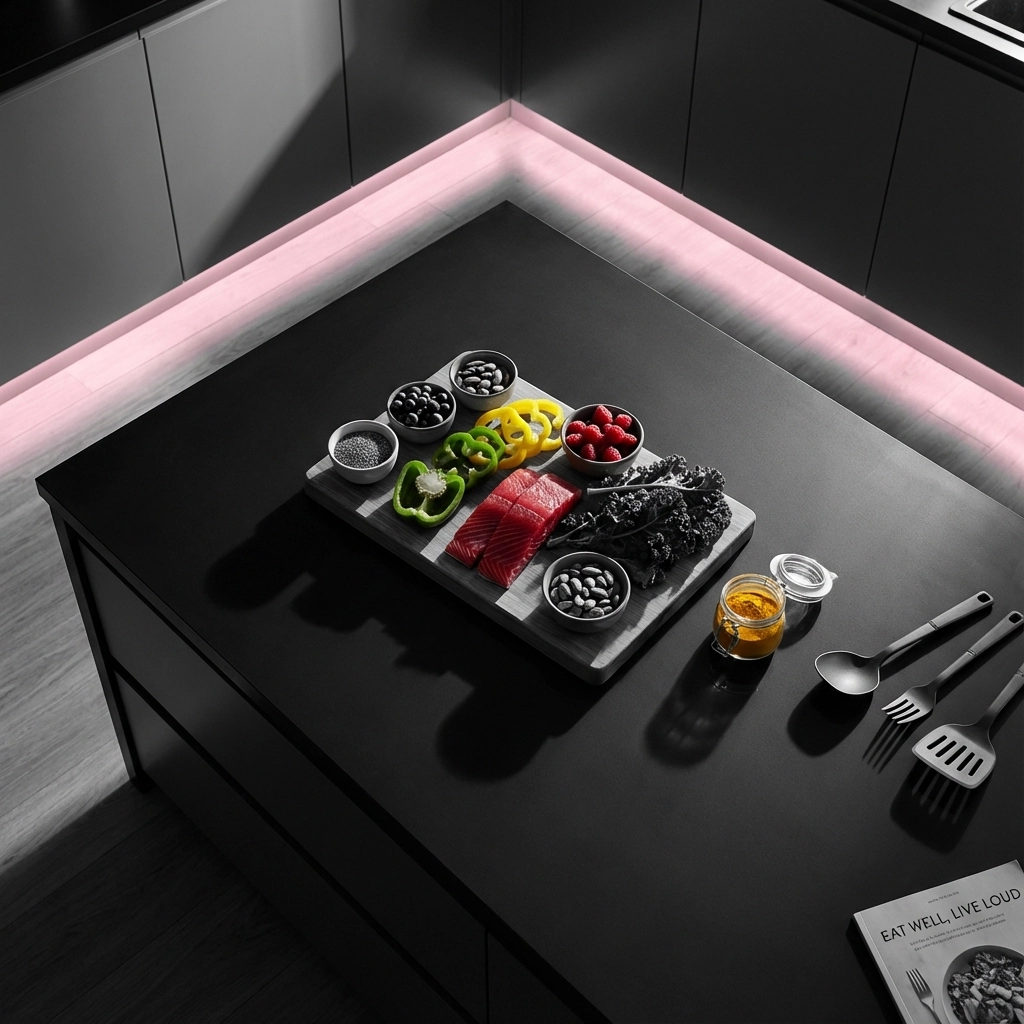
Building your plate around these powerhouse ingredients doesn't have to be complicated. Think of this as your grocery list for feeling better:
Protein Champions: Salmon, eggs, chickpeas, lentils, beans, nuts, and seeds are your friends. They provide sustained energy without the crash that comes from processed options.
Colorful Produce: Fill half your plate with a rainbow, spinach, kale, berries, oranges, bell peppers, and tomatoes. The brighter the color, the more anti-inflammatory compounds you're getting.
Smart Carbs: Sweet potatoes, quinoa, brown rice, and sprouted grains give you energy while keeping blood sugar stable.
Healing Fats: Avocado, olive oil, and nuts aren't just delicious, they're essential for reducing inflammation.
Spice It Up: Turmeric, ginger, garlic, and cinnamon aren't just flavor boosters; they're natural pain relievers that have been used for centuries.
The beauty of these foods is that they work double duty, they taste amazing and actively help your body heal. No bland "health food" here, just real ingredients that make you feel good from the inside out.
Game-Changing Food Swaps That Actually Work
You don't need to overhaul your entire life overnight. Small, strategic swaps can make a massive difference in how you feel day to day:
Morning Makeover: Ditch the sugary cereals that spike your blood sugar and leave you crashing by 10 AM. Instead, try steel-cut oats topped with berries and a drizzle of honey. It's creamy, satisfying, and keeps your energy steady for hours.
Bread Upgrade: Swap white bread for sourdough or multigrain options. The fermentation process in sourdough actually makes nutrients more bioavailable, plus it's easier on your digestive system.
Snack Attack: Replace those processed granola bars with homemade trail mix. Combine almonds, pumpkin seeds, and a few pieces of dark chocolate for a snack that satisfies without the sugar crash.
Pasta Night: Try lentil or chickpea pasta instead of regular wheat pasta. You'll get extra protein and fiber while reducing inflammatory compounds.
Rice Remix: Quinoa isn't just trendy, it's a complete protein that cooks just like rice but provides more nutrients and sustained energy.
These swaps aren't about restriction; they're about choosing options that make you feel energized instead of drained.
Simple Recipes That Love You Back
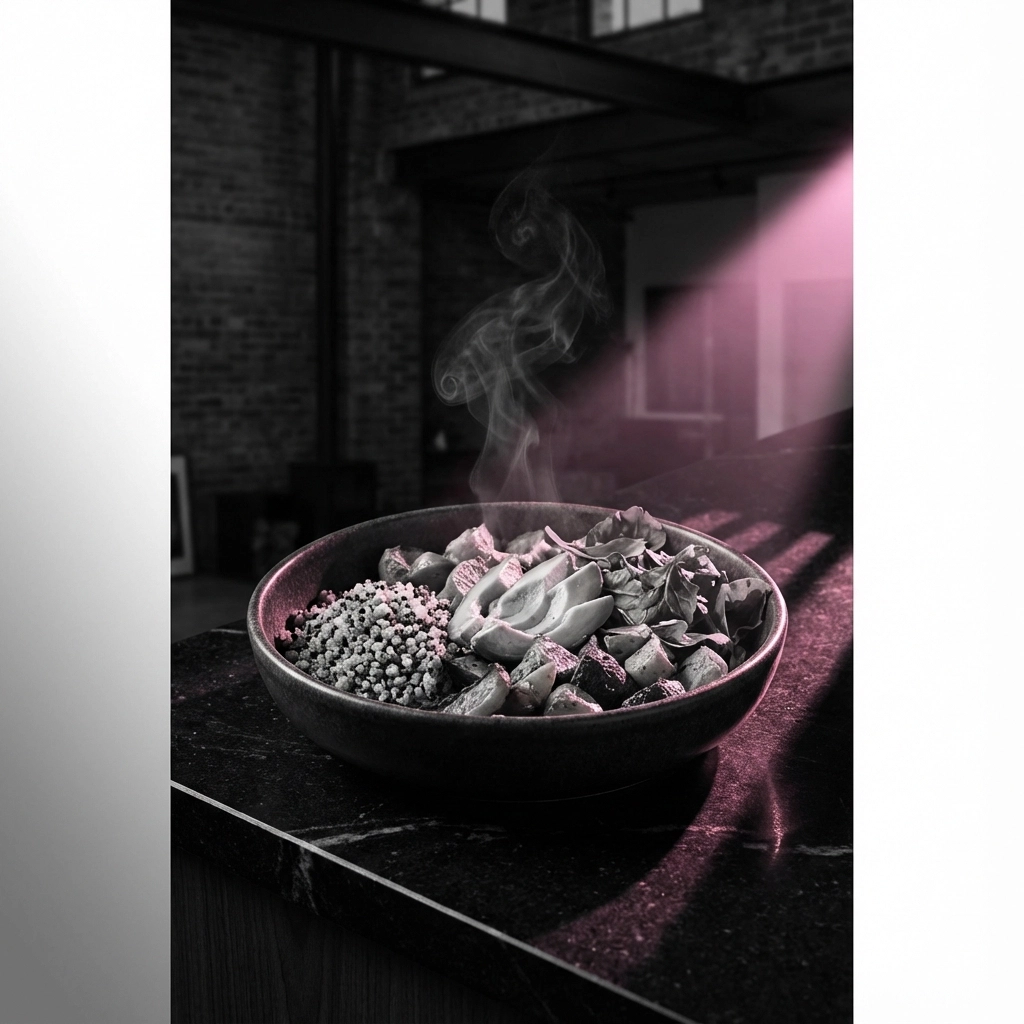
15-Minute Anti-Inflammatory Golden Bowl
This is your go-to when you need something nourishing but don't have the energy for complicated cooking. Cook quinoa according to package directions, then top with roasted vegetables (whatever's in your fridge), a handful of spinach, half an avocado, and a drizzle of olive oil mixed with lemon juice and turmeric. It's basically a hug in a bowl.
One-Pot Healing Lentil Curry
In a large pot, sauté diced onion and garlic in coconut oil. Add red lentils, diced sweet potato, a can of coconut milk, vegetable broth, turmeric, ginger, and a pinch of cayenne. Simmer for 20 minutes until everything is tender. Serve over rice or quinoa. Make extra, it freezes beautifully for those days when cooking feels impossible.
No-Cook Energy Rolls
When even turning on the stove feels like too much, these fresh spring rolls are perfect. Soften rice paper in warm water, then fill with cucumber, carrots, avocado, cooked shrimp or tofu, and fresh herbs. Dip in a sauce made from almond butter, lime juice, and a touch of honey. They're refreshing, nutritious, and require zero cooking.
Chocolate Mint Breakfast Bowl
Yes, chocolate for breakfast is not only allowed: it's encouraged when it's the dark, antioxidant-rich kind. Cook quinoa with a splash of coconut milk, then top with fresh berries, a sprinkle of dark chocolate chips, chopped mint, and pumpkin seeds. It feels indulgent but is packed with anti-inflammatory compounds.
Flare Day Survival Strategy

Let's talk about those days when getting to the kitchen feels like running a marathon. You're not alone in this struggle, and you don't have to survive on whatever's closest to your bed.
Prep When You Feel Good: On better days, batch-cook grains, chop vegetables, and make large portions of soups or curries that you can freeze in single servings. Future you will thank present you.
Keep Emergency Foods Stocked: Canned beans, frozen vegetables, pre-cooked quinoa, nut butters, and easy proteins like eggs or canned salmon can become a meal in minutes.
One-Bowl Wonders: Focus on meals you can make in a single pot or bowl. Less cleanup means more energy for healing.
Smoothie Packs: Pre-portion frozen fruits and vegetables in bags. When you need nutrition but chewing feels like work, just add liquid and blend.
Remember, something is always better than nothing. A simple bowl of oatmeal with banana and peanut butter is infinitely better than skipping meals or reaching for inflammatory processed foods.
Building Habits That Stick
The goal isn't perfection: it's progress. Start with one or two swaps and build from there. Maybe this week you focus on adding more colorful vegetables to your meals. Next week, you experiment with anti-inflammatory spices.
Listen to your body. Some people with lupus or fibromyalgia find that certain foods trigger flares, while others are fine with everything. Keep a simple food diary if it helps you identify patterns, but don't stress about it becoming another thing on your to-do list.
Most importantly, be kind to yourself. Managing a chronic condition is hard enough without adding food guilt to the mix. Some days you'll nail the anti-inflammatory eating game, and other days you'll eat crackers in bed: and both are okay.
Your journey with chronic illness is unique, and your relationship with food should support your healing, not add stress to your life. By making these simple swaps and focusing on foods that reduce inflammation, you're giving your body the tools it needs to feel better. And honestly? That's pretty powerful.
For more support and to connect with others on similar journeys, check out our health and wellness community where real people share real strategies for thriving with chronic conditions.


Comments