Smiling Through Depression: The Hidden Struggle No One Sees
You wake up, put on your best smile, and show the world you've got it all together. Your Instagram feed is fire, your career is moving, and everyone thinks you're living your best life. But behind that perfect smile? You're drowning, and nobody has a clue.
If this hits different, you're not alone. Let's talk about something that's way more common than people realize, smiling depression. It's the kind of struggle that stays invisible, the pain that wears a mask, and honestly? It might be one of the most dangerous forms of depression because nobody sees it coming.
Quick fact: Black and Brown communities are less likely to receive mental health care even when distress is the same, which means many of us learn to smile through it longer and harder. In the city, hustle culture and “soft life” talk can live side by side—so tell me, which one are you performing today, and which one are you actually living?
What Is Smiling Depression Really?
Here's the tea: smiling depression isn't just about being sad while looking happy. It's a form of major depressive disorder where you're high-functioning on the outside but dealing with serious emotional pain on the inside. We're talking about people who have successful careers, active social lives, and seem to have their whole life figured out, but internally, they're battling feelings of worthlessness, despair, and emptiness.
For urban Black and Brown folks, it can look like cracking jokes at the cookout while feeling empty, leading teams at work while numb, serving at church, mosque, or temple while quietly breaking, or being the family translator/caretaker who never lets the mask slip. You handle business, show up for everybody, and still ask yourself, “Why do I feel this heavy?”
Think about it, how many times have you heard "But you always seem so happy!" when you've tried to open up about your struggles? That's smiling depression in action. You've become so good at masking your pain that even the people closest to you can't tell you're hurting.

Why We Keep the Mask On
Let's be real about why so many of us, especially in our communities, keep our struggles hidden. There are some deep reasons behind this, and understanding them is the first step to healing. Quick fact: a lot of us were raised on “keep family business in the family,” so vulnerability can feel like betrayal—even when it’s actually self-care.
The "Strong Black Woman" Pressure: In our culture, there's this expectation that we always have to be strong, that we can handle anything life throws at us. From childhood, many of us heard "you're strong," "you can take it," or "don't let them see you sweat." While these messages came from love and a place of protection, they can also make us feel like we can't be vulnerable or ask for help. Eldest-daughter energy? You carry everybody’s load and smile through it.
Masculinity Scripts ("Man Up"): For Black and Brown men, the rulebook can sound like "don't cry," "be the provider," or "handle it." You might be the rock for your family, your team, your block—so where do you put your own pain?
Faith and “Pray It Away”: Faith is a lifeline in our communities, full stop. But sometimes we’re told to pray harder instead of getting help. Prayer and therapy can sit together—God, ancestors, and your therapist can all be on the same group chat.
Family Dynamics and First-Gen Pressure: Maybe you're the translator at doctor’s appointments, the money bridge for relatives back home, or the go-to babysitter. Love runs deep, but constant caretaking can mask your needs. You might hear, “We didn’t come to this country for you to be sad,” so you swallow feelings to honor sacrifice.
Hustle Culture and Respectability Politics: When you feel like you have to work twice as hard for half the recognition, rest can feel like failure. Add “don’t embarrass the family” or “keep it cute at work,” and the mask gets heavier.
Fear of Being Seen as Weak: Nobody wants to be the person who "can't handle their life." There's this fear that if people see your real struggle, they'll think less of you, judge you, or worse, write you off completely. So you smile through it, hoping nobody notices the cracks.
The "Others Have It Worse" Mentality: How many times have you told yourself, "At least I have a job," "At least I have a roof over my head," or "Others are dealing with worse"? This kind of thinking makes us minimize our own pain and convince ourselves we don't deserve help or support.
Perfectionism and Image Management: Maybe you've worked hard to build a certain image, the successful friend, the one who has it all together, the person everyone comes to for advice. Admitting you're struggling feels like destroying everything you've built.
Bottom line: if you’ve been trained to perform strength, it’s no surprise you perfected the smile.
The Signs That Slip Through the Cracks
Even the best actors have tells, and depression has ways of showing up despite our best efforts to hide it. Here's what to look out for, whether in yourself or someone you love:
Emotional Signs:
Persistent sadness that you cover with jokes or smiles
Sudden mood changes when you think nobody's looking
Feeling emotionally numb or disconnected, even during good times
Getting irritated by small things, then feeling guilty about it
Being the “funny friend” at the cookout, brunch, or group chat—then crashing when you get home
Behavioral Changes:
You still go to social events, but you don't really enjoy them anymore
Perfectionism gets worse, everything has to be just right to maintain the image
You start avoiding deep conversations or change the subject when things get real
Sleep patterns change, either sleeping too much or not enough
Showing up for choir rehearsal, Friday prayers, temple service, or family duties on autopilot
Physical Symptoms:
Constant fatigue that you push through with caffeine and sheer willpower
Changes in appetite that you hide or explain away
Headaches, body aches, or other unexplained physical issues
Difficulty concentrating, but you compensate by working harder
Tight jaw, clenched shoulders, or stomach issues from constant commuting, shift work, or caretaking

The Real Danger Nobody Talks About
Here's what makes smiling depression particularly scary: people dealing with it are at a higher risk for suicide attempts, and often, there are no warning signs that others can see.
While typical depression might leave someone feeling too exhausted to act on harmful thoughts, people with smiling depression maintain their energy and functionality. This means they have the capacity to plan and carry out dangerous actions while still appearing "fine" to everyone around them.
This isn't meant to scare you, it's meant to help you understand why taking this seriously is so important. Your pain is valid, even if others can't see it. Your struggle is real, even if you're managing to keep everything together on the outside.
Coping Strategies That Actually Work
Alright, let's talk solutions. Here are some real, practical ways to start dealing with smiling depression:
Start Small With Honesty: You don't have to tell your whole story to everyone, but try being honest with one trusted person. It might be scary, but sharing your real feelings with someone safe can be incredibly liberating.
Create "Decompression Time": Schedule time when you don't have to perform or be "on." Maybe it's 30 minutes when you get home from work, or Sunday morning in bed. Use this time to feel your actual feelings without judgment.
Practice Saying No: If you're constantly people-pleasing and overcommitting to maintain your image, start practicing saying no to things that drain you. Your energy is precious, protect it.
Journal Without Filters: Write down your real thoughts and feelings, not the sanitized version you'd share with others. This helps you stay connected to your authentic emotions.
Challenge the "Should" Thoughts: Notice when you tell yourself you "should" be grateful, happy, or strong. Replace these with "it's okay to feel..." statements.
Blend Faith and Therapy: Pray/meditate and call your therapist. If you lean on scripture, du’a, or mantras, pair them with evidence-based tools like CBT or DBT. Both/and, not either/or.
Reset Family Scripts: If you're the default caretaker or eldest-daughter/eldest-son doing it all, set new norms: shared chores, rotating responsibilities, or “no favors after 9pm” to protect rest.
Create a Real-Talk Circle: Barbershop/beauty-salon vibes at home—schedule monthly check-ins with two or three friends to ask, “How’s your heart, really?” and answer honestly.

Professional Help and Treatment Options
Listen, therapy isn't just for people who are "broken" or "can't handle life." It's for anyone who wants to live better, and that includes you. Here are some options to consider:
Therapy Types That Help:
Cognitive Behavioral Therapy (CBT) can help you identify and change negative thought patterns
Dialectical Behavior Therapy (DBT) is great for learning emotional regulation skills
Talk therapy gives you a safe space to be completely honest about your struggles
Finding Culturally Competent Care: Look for therapists who understand your cultural background and experiences. Organizations like the Association of Black Psychologists or Psychology Today's diversity filters can help you find the right fit.
Medication Considerations: Antidepressants can be life-changing for some people. If you're considering medication, talk to a psychiatrist who can help you weigh the benefits and potential side effects.
Alternative and Complementary Approaches: Things like meditation, yoga, acupuncture, or even regular exercise can supplement traditional treatment and help you feel more balanced.
Building Your Support Network
You can't heal in isolation, bestie. Here's how to start building the support you deserve:
Quality Over Quantity: You don't need a huge circle. Focus on finding a few people who can handle your real emotions and won't try to fix you or minimize your experiences.
Set Boundaries With Energy Drainers: You know those people who always need something from you but are nowhere to be found when you're struggling? It's okay to create some distance.
Loop In Faith Leaders Who Get It: If church, mosque, or temple is home, seek leaders who support mental health care. Ask directly, “Are you open to me doing therapy alongside spiritual care?”
Make Family Agreements: Try “emotion check-ins” at Sunday dinner or a weekly group chat pulse (“green/yellow/red” status) so folks can ask for help without over-explaining.
Find Healing Spaces: Barbershops, beauty salons, and community centers can be safe places for honest conversations. Let them be part of your support system, not just errands on your list.
Consider Support Groups: Whether online or in-person, connecting with others who understand what you're going through can be incredibly healing. Check out our Mental Health Hub for community support.
Moving Forward: You Deserve to Feel Good
Here's what I need you to understand: your pain is valid, even if it's invisible. Your struggle is real, even if you're managing to function. And you deserve to feel genuinely good, not just look like you do.
Recovery from smiling depression isn't about learning to hide your feelings better: it's about learning that you don't have to hide them at all. It's about finding people who can handle your whole truth, not just the pretty parts.
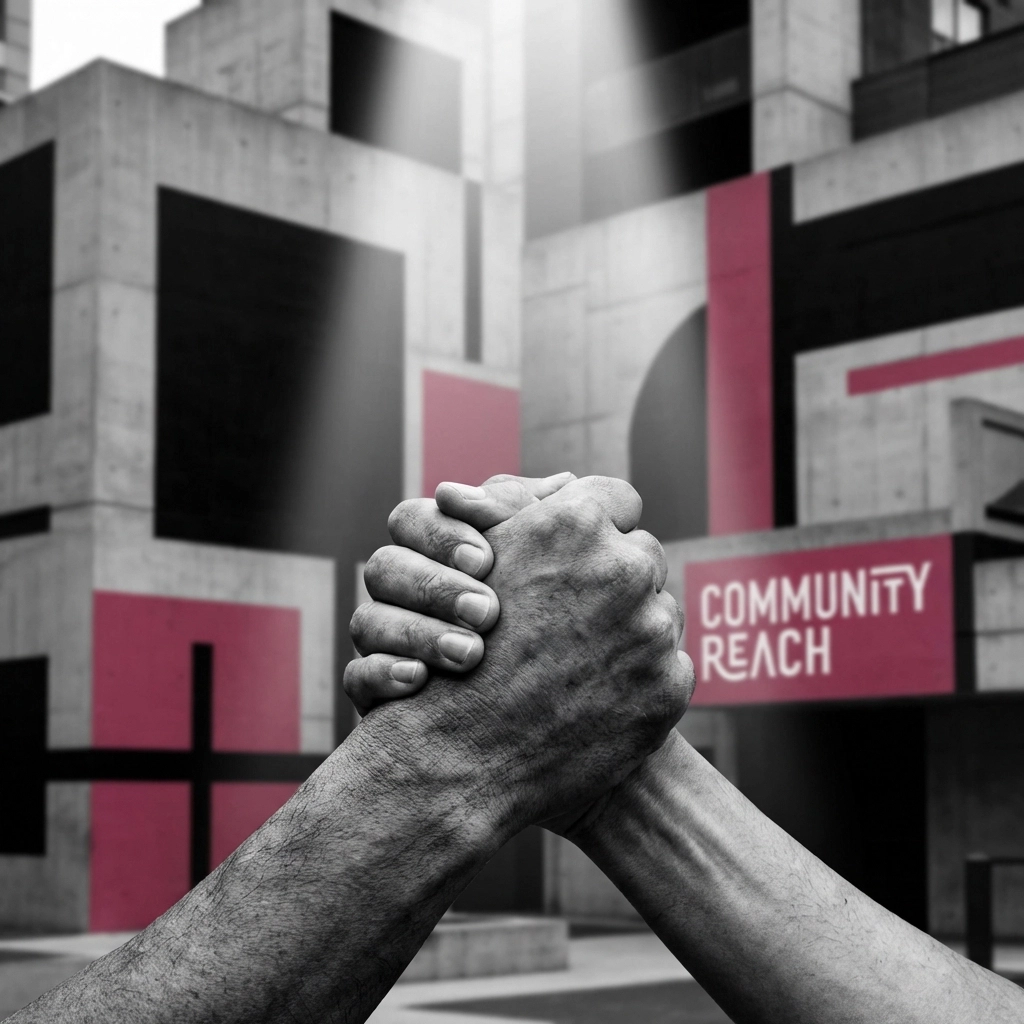
You don't have to carry this alone anymore. Whether it's reaching out to a therapist, opening up to a friend, or connecting with others who understand your journey, taking that first step toward authentic healing is an act of courage.
Your mental health matters. Your feelings matter. And you matter: not just the version of you that smiles through everything, but the real, whole, complicated, beautiful person you are underneath it all.
Ready to connect with others who get it? Join our Mental Health community where you can share your real story and find the support you deserve. Because bestie, you're not meant to smile through this struggle alone.
Resources for Help
National Suicide & Crisis Lifeline: 988
Crisis Text Line: Text HOME to 741741
Therapy for Black Girls: therapyforblackgirls.com
Therapy for Black Men: therapyforblackmen.org
The Loveland Foundation (therapy funds for Black women/girls): thelovelandfoundation.org
BEAM (Black Emotional & Mental Health Collective): beam.community
Latinx Therapy: latinxtherapy.com
Sista Afya (community care for Black women): sistaafya.com
Inclusive Therapists (culturally responsive providers): inclusivetherapists.com
National Queer & Trans Therapists of Color Network: nqttcn.com
South Asian Mental Health Initiative & Network (SAMHIN): samhin.org
Muslim Wellness Foundation: muslimwellness.com
Boris Lawrence Henson Foundation: borislhensonfoundation.org
Ayana Therapy (therapy for marginalized communities): ayanatherapy.com
NAMI (National Alliance on Mental Illness): nami.org
Psychology Today Therapist Finder: psychologytoday.com
Remember: seeking help isn't giving up: it's gearing up for the life you actually want to live.


Comments