Sneaker Culture & Mental Health: Does Chasing Hype Boost or Break Confidence?
- Shalena
- Dec 20, 2025
- 5 min read

Let's be real – if you've ever felt your heart skip a beat when those fresh Jordan drops hit your timeline, or if you've found yourself checking StockX at 2 AM, you're not alone. Sneaker culture isn't just about what's on your feet anymore; it's become a whole identity, a language, and honestly? It's messing with our mental health in ways we're only starting to understand.
Here's the tea: 78% of Gen Z consumers say their shoe choices directly impact their confidence levels, and with the sneaker resale market hitting $6 billion in 2023, we're clearly not just buying shoes – we're buying feelings, status, and pieces of ourselves. But the question that's been keeping me up at night is this: Are we building ourselves up or tearing ourselves down in the process?
The Psychology Behind the Sole
You know that feeling when you lace up a fresh pair of kicks? That boost of confidence that makes you walk a little taller, speak a little louder? There's actual science behind that rush, bestie. Research shows that when children receive quality sneakers, it can brighten their entire day and instill genuine confidence that extends far beyond the shoe itself.
Take Sam Sayed's story – when his sister bought him and his brother their first notable pair of Nikes during childhood, the psychological impact was transformative. "It felt like just overnight our confidence grew," he recalls. "Having a pair of shoes that made us excited just to wake up in the morning and put them on and rush out the door to go to school."
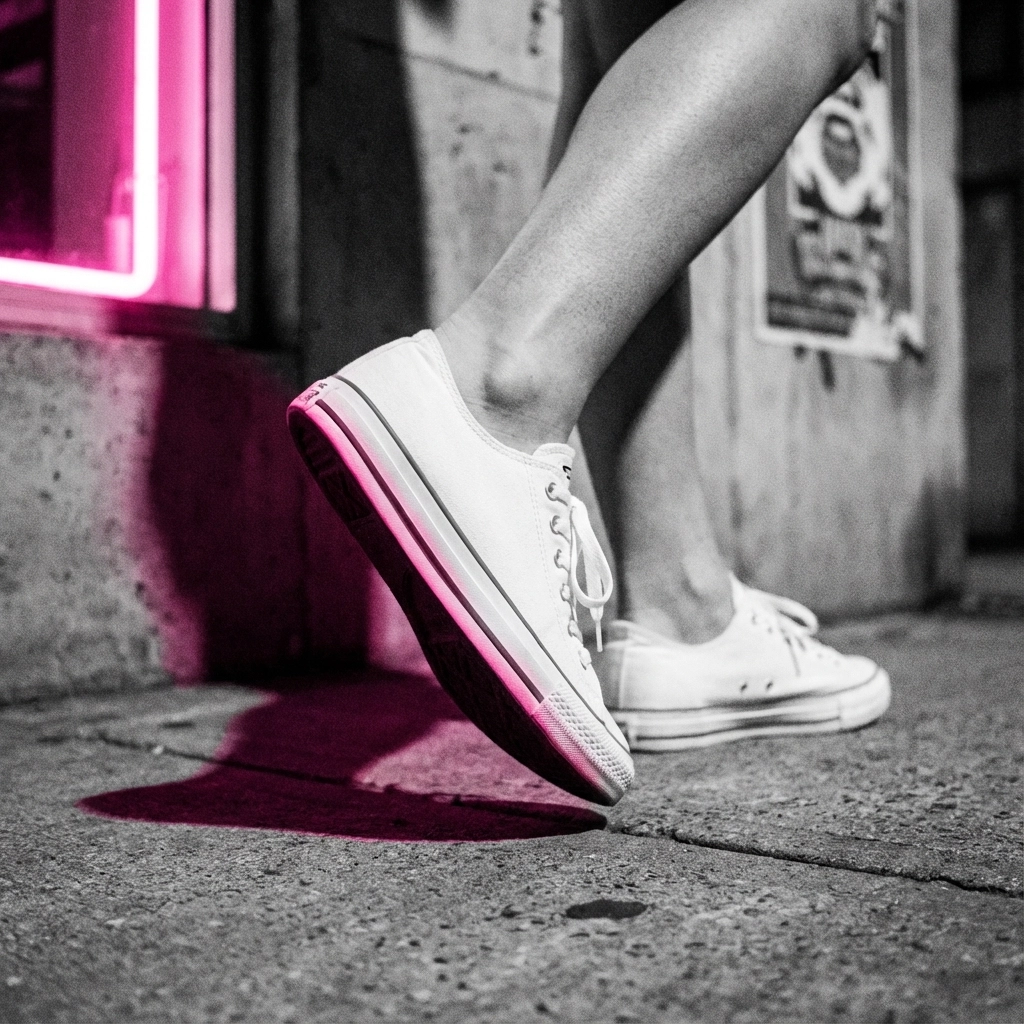
This isn't just about vanity or materialism. For many urban youth, sneakers represent accessibility, possibility, and a tangible symbol that someone cares. When you're walking through your neighborhood in shoes that make you feel valued, that energy radiates outward and affects everything from your posture to your willingness to speak up in class.
But here's where it gets complicated – there's a massive difference between receiving meaningful sneakers and chasing the next hyped drop.
When Hype Becomes Harmful
The dark side of sneaker culture hits different when you're constantly chasing validation through limited releases and resale prices. If you've ever felt anxious waiting for a draw you probably won't win, or if you've stretched your budget thin trying to cop the latest Travis Scott collab, you've experienced the mental health toll of hype chasing.
The problem isn't the shoes themselves – it's the system that's been built around them. When sneakers become symbols of worth that you have to constantly prove you deserve, when your confidence depends on owning something that costs more than your rent, that's when we start seeing the cracks in our mental health foundation.
Think about it: How many times have you felt genuinely disappointed in yourself for taking an L on a sneaker drop? How often do you find yourself comparing your collection to others online? If you're nodding your head, you're experiencing what psychologists call "comparative anxiety" – and it's becoming epidemic in sneaker communities.
The Instagram vs. Reality Problem
Social media has turned sneaker culture into a highlight reel that's impossible to keep up with. You're scrolling through endless posts of rare kicks, pristine collections, and flex photos that make your own setup look basic in comparison. But here's what nobody's talking about: Most of those "sneakerhead" accounts are curated illusions.
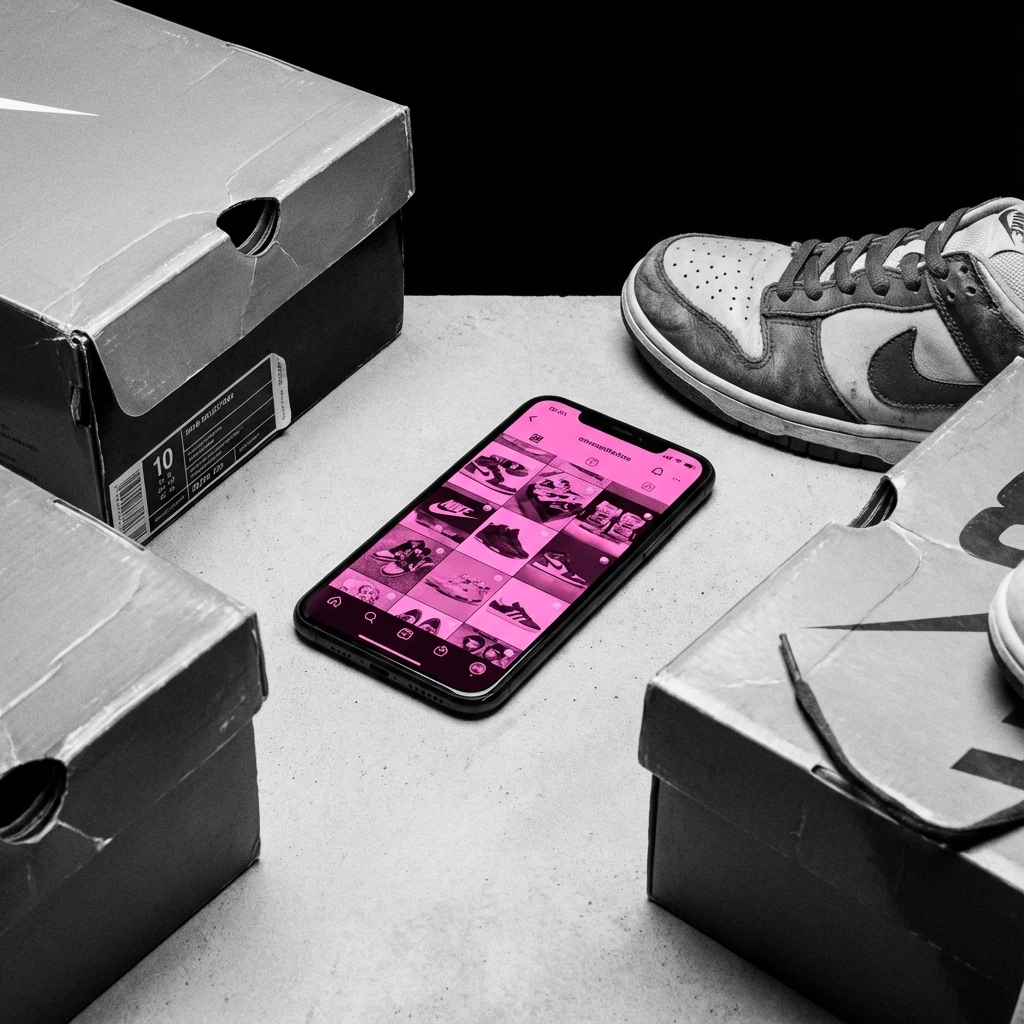
That influencer with the wall of Off-White Jordans? They might be drowning in credit card debt. That friend who always has the latest drops? They could be sacrificing their mental health trying to maintain an image that's unsustainable. The pressure to document and display your sneaker collection has turned what should be personal expression into performance anxiety.
Finding Balance in the Culture
Here's where we flip the script. Sneaker culture doesn't have to destroy your mental health – but it requires intentional boundaries and honest self-reflection. The key is understanding the difference between sneakers that serve you versus sneakers that enslave you.
Healthy sneaker engagement looks like:
Buying shoes because YOU love them, not because they'll impress others
Setting realistic budgets that don't compromise your basic needs
Appreciating the artistry and craftsmanship without needing to own everything
Supporting the culture without letting it define your worth
The research is clear: satisfaction with personal style directly impacts mental health, but most fashion fails to feel truly personal. Learning from positive sneaker culture experiences – where shoes feel tailored to individual identity rather than imposed by trends – can actually improve overall wellbeing.
The Community Connection
One of the most beautiful aspects of authentic sneaker culture is the community it creates. When you connect with people over shared appreciation for design, history, or personal stories tied to specific shoes, you're building genuine relationships that extend far beyond material possessions.
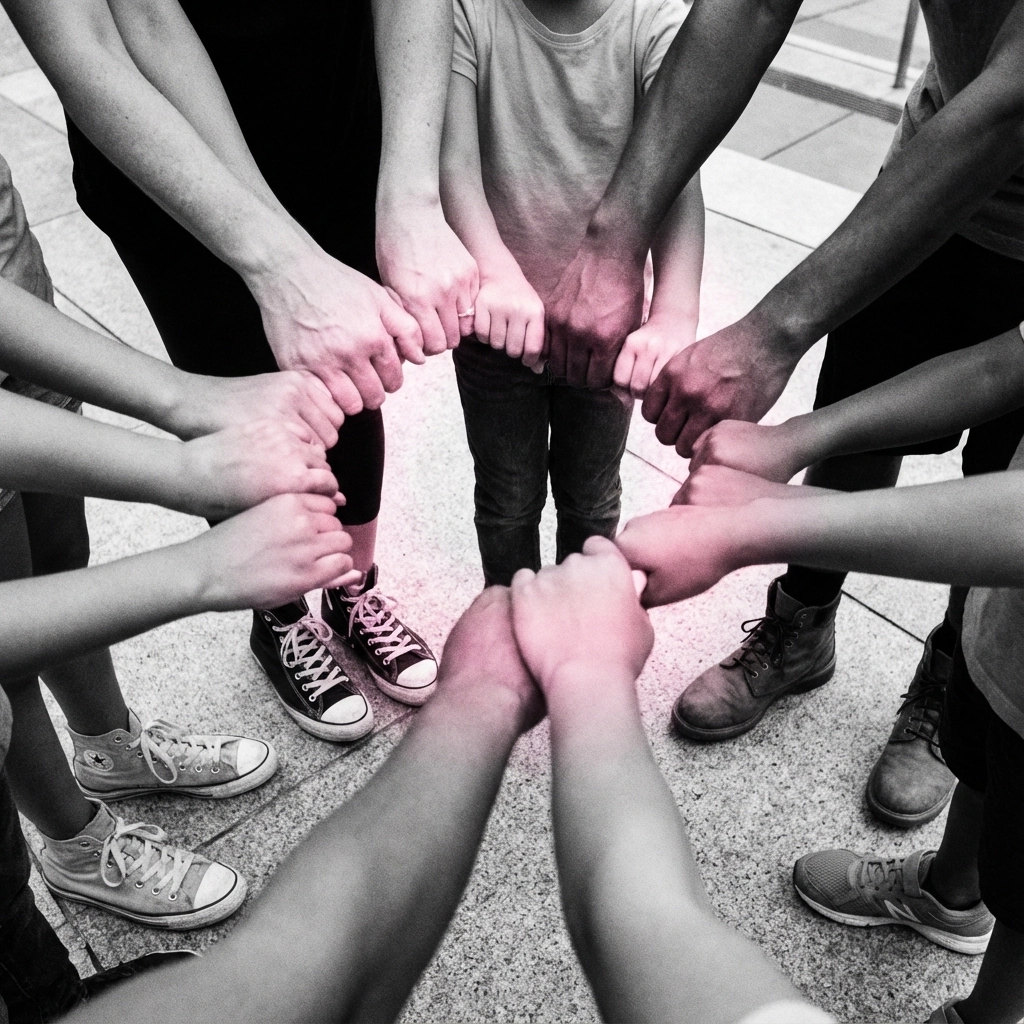
Real sneaker communities support each other through hook-ups, sharing information about restocks, and celebrating each other's pickups regardless of price point. These connections can be incredibly positive for mental health, especially for young people who might feel isolated in other areas of their lives.
The problem arises when community becomes competition, when sharing becomes showing off, and when support becomes gatekeeping. If your sneaker community makes you feel worse about yourself, it's time to find your tribe elsewhere.
Impact on Urban Youth Identity
For many young people in urban communities, sneakers represent one of the few accessible forms of self-expression and cultural participation. When you can't afford designer clothes or expensive accessories, a fresh pair of kicks becomes your statement piece, your art, your voice.
This cultural significance makes the mental health implications even more complex. Sneakers can be empowering symbols of style and identity, but they can also become sources of stress when young people feel pressure to keep up with trends that their families can't afford.
The key is helping young sneakerheads understand that their worth isn't measured by their shoe game. Your value doesn't increase or decrease based on whether you're wearing Yeezys or no-name brands from the discount store.
Breaking the Cycle
If you're feeling trapped in unhealthy sneaker culture patterns, here's your permission to step back and reassess. Ask yourself:
Do my sneaker purchases align with my financial goals?
Am I buying shoes for myself or for social media validation?
Does my shoe collection bring me joy or stress?
How do I feel about myself when I can't afford the latest drops?
Remember, some of the most confident, stylish people you know might be wearing $60 shoes from Target. Confidence comes from within, and while the right pair of sneakers can definitely enhance how you feel, they can't create self-worth that wasn't already there.
Moving Forward Mindfully
The future of sneaker culture and mental health depends on our collective ability to separate genuine appreciation from manufactured hype. We need to celebrate the artistry, craftsmanship, and cultural significance of sneakers while rejecting the toxic aspects that prioritize consumption over community.
This means supporting brands that align with your values, building collections that reflect your personality rather than trends, and most importantly, remembering that your mental health is worth more than any sneaker drop.

If you're struggling with anxiety, depression, or other mental health challenges related to consumer culture, remember that professional support is available. Your wellbeing matters more than your shoe game, always.
Sneaker culture at its best celebrates creativity, community, and personal expression. At its worst, it exploits insecurities and creates artificial scarcity that damages mental health. The choice of which version you engage with is ultimately yours – choose the one that builds you up rather than breaks you down.
Your confidence shouldn't depend on what's on your feet, but if a fresh pair of kicks helps you walk through the world with a little more swagger, that's beautiful too. Just make sure you're the one in control of the relationship, not the other way around.
Comments