Social Anxiety Isn't Shyness, It's Survival Mode
- Jan 8
- 5 min read
Picture this: You're invited to a friend's birthday dinner, and your first thought isn't "what should I wear?" or "what gift should I bring?" Instead, your brain immediately starts spiraling. Who's gonna be there? What if I say something stupid? What if everyone thinks I'm boring? What if I have a panic attack in front of everyone?
If this sounds familiar, you're not dealing with simple shyness, you're experiencing social anxiety, and your brain has literally shifted into survival mode.
Here's The Tea: Shyness vs. Social Anxiety
Let's be real about something that gets mixed up way too often. Shyness and social anxiety might look similar on the surface, but they're completely different experiences. Think of shyness as feeling a little nervous before jumping in the pool, you might hesitate, but you eventually get in and have a good time. Social anxiety? That's like your brain telling you the pool is full of sharks, even when you can clearly see it's just water.
Shyness is manageable. You might feel a bit awkward at first, especially around new people or in unfamiliar situations, but you can push through it. You might be the quiet one at the party, but you're still at the party. You can function, work, go to school, maintain relationships, you just prefer smaller groups or need a minute to warm up.
Social anxiety is intense and all-consuming. We're talking about fear so overwhelming that it controls your life. You don't just feel nervous, you feel like you're in actual danger, even though logically you know a work meeting or dinner with friends isn't life-threatening.
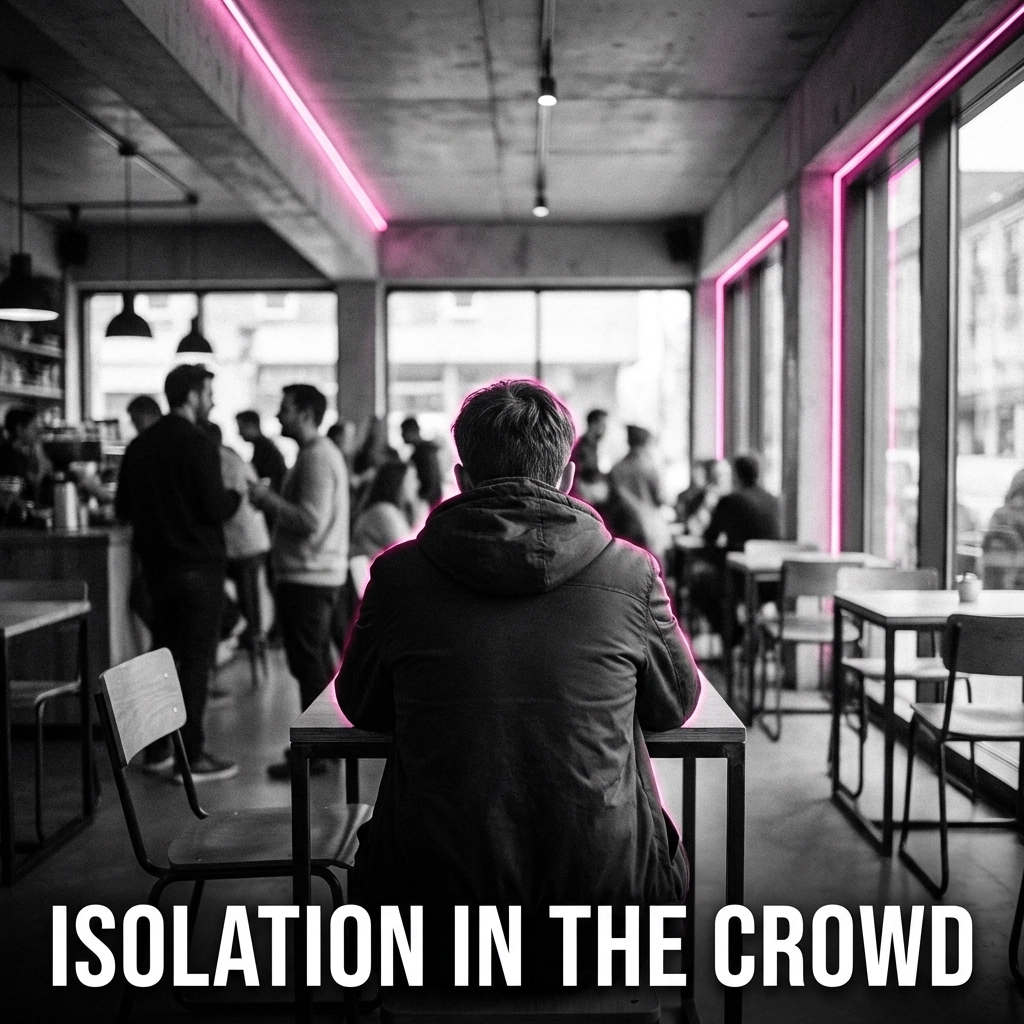
Your Brain on Social Anxiety: Welcome to Survival Mode
When you have social anxiety, your brain treats social situations like legitimate threats. Remember when humans had to worry about actual predators? Your brain still has those same alarm systems, but now they're going off because you have to give a presentation at work or make small talk at the grocery store.
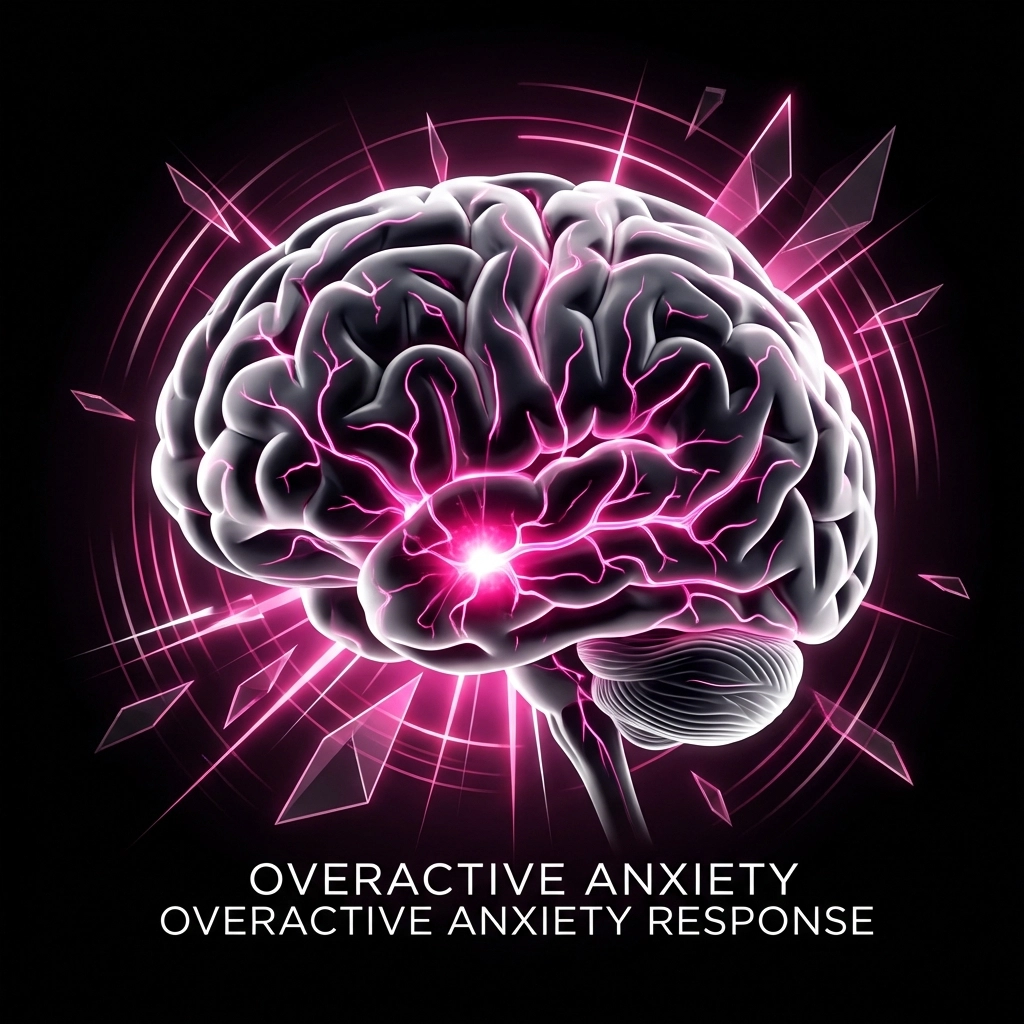
Here's what's happening in your head: Your amygdala (the brain's alarm system) starts screaming "DANGER!" even though you're just trying to order coffee. This triggers your fight-or-flight response, flooding your system with stress hormones like adrenaline and cortisol. Your heart races, you start sweating, your mind goes blank, and suddenly buying a latte feels impossible.
This isn't dramatic or "all in your head", this is your nervous system genuinely believing you're under threat and trying to keep you alive. The problem is, it's doing this for situations that aren't actually dangerous, just socially challenging.
What Social Anxiety Actually Feels Like (The Real Talk Version)
Let's get specific about what this looks like in real life, because social anxiety doesn't just show up as "feeling nervous":
Before social events: You might start feeling anxious days or even weeks before. You run through every possible scenario where things could go wrong. You might even get physical symptoms, nausea, headaches, trouble sleeping. You start looking for excuses to cancel.
During social interactions: Your mind goes completely blank, or it's racing so fast you can't keep up. You're hyperaware of everything, how you're standing, what your face is doing, whether people are judging you. You might feel dizzy, nauseous, or like you can't breathe properly.
After social events: Instead of feeling relieved it's over, you replay every interaction, analyzing what you said or did "wrong." You convince yourself everyone thinks you're weird, awkward, or stupid. This can last for days.
The avoidance factor: This is the big one. You start skipping events, avoiding phone calls, turning down opportunities, and isolating yourself. You might not apply for jobs that require interviews, avoid dating, or even struggle with basic tasks like going to the store during busy times.
Breaking Down the Myths
Myth: "Just be more confident!" Bestie, if confidence was something you could just decide to have, don't you think everyone would choose to be confident? Social anxiety isn't a confidence problem, it's a brain chemistry and learned response problem.
Myth: "Everyone gets nervous sometimes." Yes, everyone gets nervous. But there's a difference between pre-interview butterflies and being so paralyzed by fear that you can't leave your house. Stop minimizing your experience.
Myth: "You just need to get out more." This is like telling someone with a broken leg to just walk it off. Exposure can be helpful, but it needs to be gradual, supported, and often combined with other treatment approaches.
Practical Coping Strategies That Actually Work
Okay, enough with the doom and gloom. Let's talk about what you can actually do about this:
Grounding Techniques for Panic Moments
When you feel that anxiety spiral starting, try the 5-4-3-2-1 technique:
5 things you can see
4 things you can touch
3 things you can hear
2 things you can smell
1 thing you can taste
This pulls your brain out of panic mode and back to the present moment.
Breathing That Actually Helps
Forget the "just breathe" advice, here's a technique that works. Box breathing: Breathe in for 4 counts, hold for 4, breathe out for 4, hold for 4. Repeat until you feel your nervous system start to calm down.
Challenge Your Anxious Thoughts
Your anxiety loves to tell you stories that aren't true. Start questioning these thoughts:
"Everyone will think I'm stupid" → "How do I actually know what everyone is thinking?"
"I'll embarrass myself" → "What's the worst that could realistically happen?"
"I can't handle this" → "What evidence do I have that I can't handle difficult situations?"
Start Small and Build Up
You don't have to jump straight into giving speeches or attending huge parties. Start with lower-stakes social interactions:
Make eye contact with cashiers
Say "thank you" to the bus driver
Comment on a friend's social media post
Order your coffee with one small modification
When to Seek Professional Help
Here's when you know it's time to talk to someone who can provide more support than your friends (though your friends are still important!):
You're avoiding work, school, or important life events because of social fear
You're having regular panic attacks in social situations
You're using alcohol or other substances to cope with social anxiety
Your relationships are suffering because you can't engage socially
You feel hopeless about your situation ever improving
Therapy, especially Cognitive Behavioral Therapy (CBT), has shown incredible results for social anxiety. Some people also benefit from medication. There's no shame in getting professional help, you wouldn't try to fix a broken bone without a doctor, right?
Resources for Real Support
National Alliance on Mental Illness (NAMI): Free support groups and educational resources
Anxiety and Depression Association of America: Online screening tools and therapist directories
Psychology Today: Search for therapists in your area who specialize in anxiety disorders
Crisis Text Line: Text HOME to 741741 for immediate support
Looking for community support? Check out our Mental Health Hub where you can connect with others who understand what you're going through.
You're Not Broken, You're Human
Listen, social anxiety doesn't mean there's something fundamentally wrong with you. Your brain is just trying to protect you in a way that's become more harmful than helpful. With the right tools, support, and sometimes professional help, you can learn to manage these intense reactions.
You don't have to become the life of the party or a social butterfly. The goal isn't to eliminate all social nervousness: it's to get to a place where anxiety doesn't control your life. Where you can choose to engage socially when you want to, rather than being held prisoner by fear.
Your social anxiety might feel overwhelming right now, but it doesn't define you. You're so much more than your anxiety, and you deserve to live a full life that includes meaningful connections with others.
If you're struggling with social anxiety, remember: seeking help isn't giving up, it's taking your power back. Start where you are, use what you have, and take it one small step at a time. You've got this, and you're definitely not alone in this journey.
Ready to connect with others who understand? Join the conversation in our Mental Health Forum and remember( healing happens in community.)
Comments