Social Media & Secrets: Is Your Digital Life Damaging Your Real One?
Let's be real, you're probably reading this on your phone right now. Maybe you've got Instagram open in another tab. Maybe your partner just asked you a question and you gave them that "uh-huh" while your eyes stayed glued to the screen. We've all been there, but here's the tea: that little device in your hand might be creating bigger problems in your relationship than you realize.
Social media isn't going anywhere, and honestly? It's not all bad. But when your digital life starts taking center stage and your real-life relationship becomes the supporting cast, we need to talk.
The Phone in the Room
You know that moment when you're sitting next to your partner, both of you scrolling in silence? There's even a name for it now: "partner phubbing", when you prioritize your phone over the person sitting right in front of you. And it's not just awkward; it's actively damaging your connection.
Research shows that partner phubbing is directly linked to lower relationship satisfaction. Think about it, when was the last time you had an uninterrupted conversation with your boo? No notifications, no "hold on, let me check this real quick," no sneaking glances at the screen. If you're struggling to remember, you're not alone, but that's exactly the problem.
When you choose your phone over your partner consistently, you're sending a clear message: whatever's on this screen is more important than you. Even if you don't mean it that way, that's how it lands. And over time, those small moments of feeling dismissed add up to feelings of isolation, decreased intimacy, and resentment that builds up like unpaid bills.

The Green-Eyed Monster Lives in Your DMs
Here's where things get messy. According to Pew Research, 34% of people aged 18-29 have experienced jealousy or uncertainty because of how their partner interacts with people on social media. That's one in three people losing sleep over a like, a comment, or a follow.
You see your partner liking someone's thirst trap at 2 AM. They're commenting fire emojis on their ex's posts. They're in someone's DMs, and when you ask about it, suddenly it's "nothing" or "just an old friend." The problem isn't always that something shady is happening, sometimes it's just that social media makes every interaction visible, creating opportunities for misunderstanding and mistrust.
But let's talk about when it is something shady. Digital infidelity is real, and it doesn't always look like sexting or secret meet-ups. Sometimes it's:
Having intimate conversations with someone else that you're hiding from your partner
Maintaining connections with exes that cross boundaries you've agreed on
Creating a whole different persona online that your partner doesn't know about
Seeking emotional validation from strangers or followers instead of your relationship
The ease of monitoring your partner's online activity can turn into surveillance real quick. You're checking who liked their posts, who's watching their stories, scrolling through their comments looking for red flags. That's not trust, that's anxiety disguised as detective work.
The Highlight Reel vs. Your Real Life
Scroll through your feed right now. What do you see? Couple goals. Vacation pictures. Surprise proposals. Anniversary celebrations with captions like "Still feel like we just met 🥰." Everybody looks happy, in love, and living their best life.
Now look at your actual relationship. You had an argument about dishes this morning. Your date night got postponed because someone had to work late. You haven't had a real conversation in three days because you're both exhausted. Suddenly, your solid, normal relationship feels... lacking.
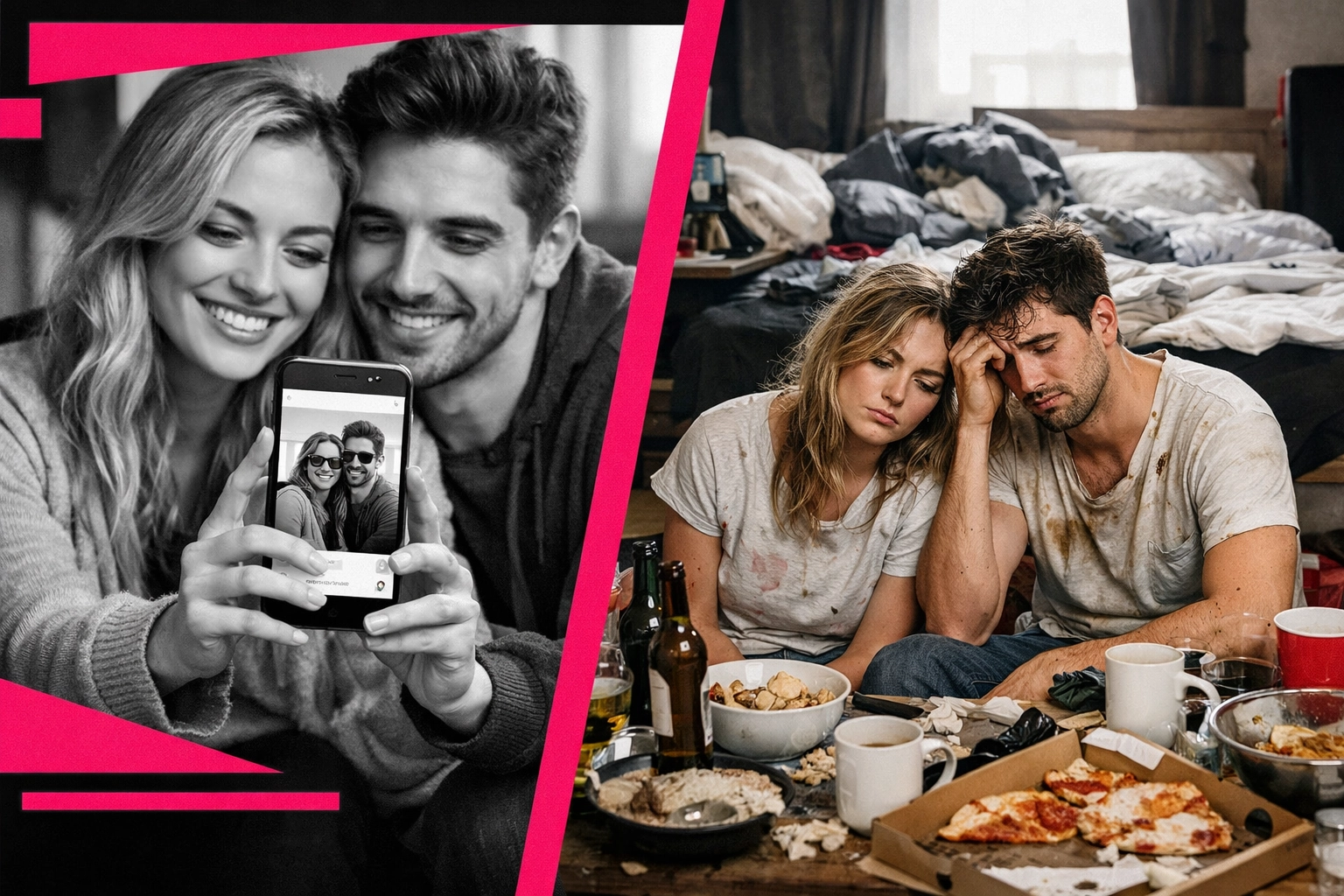
Here's what social media won't tell you: those couples arguing about dishes too. That proposal took twelve takes to get the perfect video. That anniversary caption was written after a fight about whose turn it was to plan the date. Social media is a highlight reel, not a documentary, but our brains struggle to remember that when we're comparing our behind-the-scenes to everyone else's edited final cut.
This comparison game is dangerous. Studies show that people who perceive social media as playing a large role in their lives report lower romantic relationship satisfaction. You're literally making yourself less happy by consuming content designed to make everyone else's life look better than it is.
Privacy in a Public World
Let's talk about what you share and what you keep sacred. There's a balance between wanting to celebrate your love and turning your relationship into content. Some questions to consider:
Does your partner know you're posting about them? Are you sharing their vulnerable moments for likes? Are you venting about relationship problems to your followers before you've talked to your actual partner about them?
Every relationship needs some private space: moments that are just yours, problems you work through together before broadcasting them, intimacy that doesn't get documented and shared. When everything becomes content, nothing feels special anymore. Your relationship becomes a performance for an audience instead of a connection between two people.
Breaking the Scroll
The average person spends over two hours a day on social media. That's 14 hours a week. 60+ hours a month. Think about what you could do with that time if you redirected even half of it toward your relationship.
Real talk: when's the last time you and your partner had a genuine conversation about your dreams, fears, or what's really going on in your life? Not surface-level stuff: deep, meaningful connection. If Instagram stories and TikTok videos are getting more of your attention than the person you're building a life with, priorities need to shift.
Maintaining Real-World Intimacy
Here's how to make sure your digital life doesn't damage your real one:
Set phone-free zones and times. Dinner table? No phones. First 30 minutes after someone gets home? No phones. Bedroom after 10 PM? You guessed it: no phones. Create sacred spaces where your relationship gets your full attention.
Talk about boundaries together. What feels okay to share online? What crosses the line in terms of interactions with others? Don't assume you're on the same page: have the actual conversation.
Do a social media audit. Are you following accounts that make you feel inadequate? People your partner doesn't feel comfortable with you following? Content that triggers insecurity or comparison? Be honest about how your feed affects your mental and relational health.
Replace scrolling with connecting. Before you pull out your phone out of habit or boredom, ask yourself: could I talk to my partner instead? The connection you're looking for online might be sitting right next to you.
Monitor your jealousy triggers. If you're constantly checking up on your partner or spiraling over their social media activity, that's a relationship conversation waiting to happen: about trust, boundaries, and what you both need to feel secure.
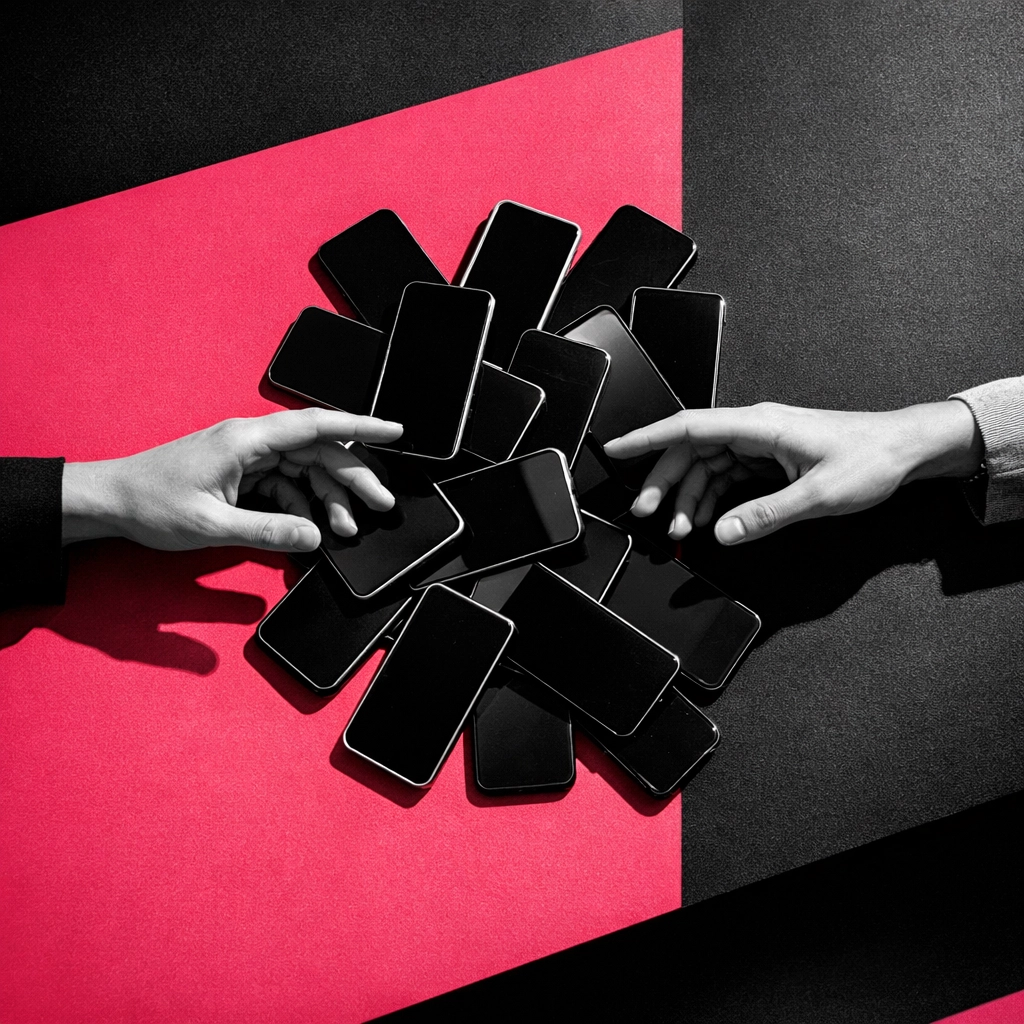
Practice digital transparency. This doesn't mean giving your partner your passwords or letting them read every message. It means being open about your online interactions and not hiding things that would make them uncomfortable if they found out.
Celebrate each other IRL first. Before you post about your anniversary, your partner's accomplishment, or your date night, make sure you've actually celebrated together first. Let the real-life moment be the priority, not the content creation.
The Real Flex
You know what's actually relationship goals? Two people who can sit together without pulling out their phones. Couples who resolve conflicts directly instead of subtweeting each other. Partners who make each other feel more important than any notification, like, or comment ever could.
Social media can be a tool for connection: sharing memories, staying in touch with loved ones, even finding community and support. But when it becomes a substitute for real intimacy, a source of constant comparison, or a breeding ground for secrets and mistrust, it's time to reevaluate.
Your relationship deserves your presence, not just your physical proximity while your mind is somewhere in the digital universe. The person next to you is real. Their feelings are real. The connection you're capable of building together is real. Don't let a curated, filtered, edited version of other people's lives convince you that what you have isn't enough.

Your digital life should enhance your real one, not compete with it. Set the boundaries that protect your relationship. Have the honest conversations about what feels okay and what doesn't. And remember: the strongest relationships aren't the ones that look perfect online; they're the ones that feel solid when you put the phone down.
So here's your challenge: tonight, put the phone away for just one hour. Have an actual conversation. Make eye contact. Laugh together. Connect. You might be surprised how good it feels to be fully present with the person you chose to do life with.
Because at the end of the day, no amount of likes will ever love you back the way a real person can.


Comments