Streaming Overload: How Binge Culture Affects Young Urban Minds in 2026
- Dec 20, 2025
- 5 min read
Let's be real – if you're reading this on your phone while Netflix is paused in the background, you're not alone. We're living in the age of "just one more episode" turning into entire weekends disappearing into the void of streaming platforms. And here's the tea: it's hitting young urban minds harder than we thought.
The numbers don't lie, bestie. Nearly 8 in 10 teens (77%) and two-thirds of tweens (64%) are tuning into online videos daily. That's not just a quick TikTok scroll – we're talking about an average of 1 hour and 46 minutes of video content every single day for teens. But here's where it gets concerning: that "harmless" binge-watching habit is rewiring our brains in ways we're just starting to understand.
The Real Cost of "Just One More Episode"
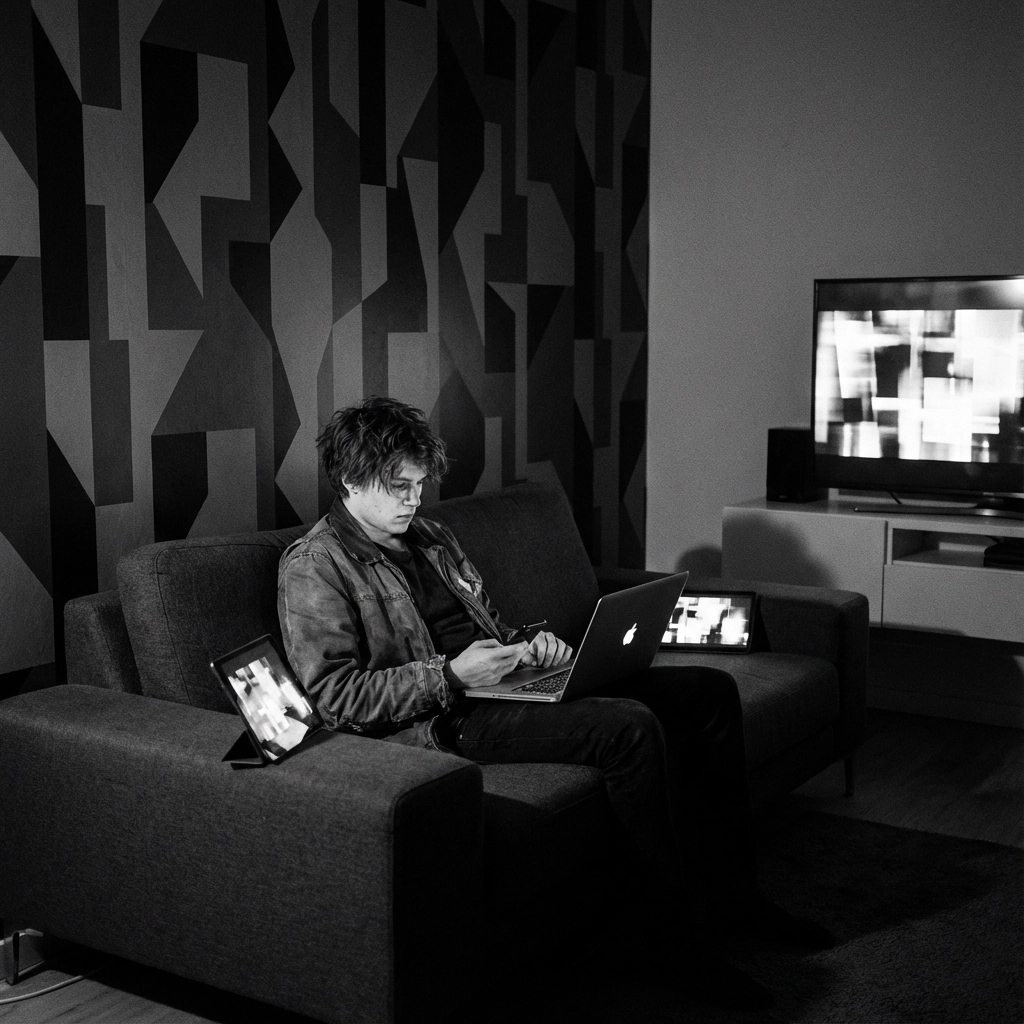
You know that feeling when you start a new series at 8 PM and suddenly it's 3 AM? That's not just poor time management – that's your brain getting hijacked by carefully designed dopamine triggers. Streaming platforms have mastered the art of keeping us glued to screens, and young urban minds are bearing the brunt of this digital manipulation.
The stats are wild: teens are now spending an average of 8 hours and 39 minutes daily on screens, with tweens clocking in at 5 hours and 33 minutes. Even more concerning? The percentage of teens spending over 8 hours daily on screen media jumped from 29% in 2019 to 41% by 2021. That's not just a trend – that's a mental health crisis disguised as entertainment.
Here's what's really happening when you binge-watch: your brain releases dopamine with each episode, creating an addiction-like cycle. The cliffhangers, the autoplay features, the "viewers also watched" suggestions – they're all designed to keep you scrolling, watching, consuming. And for young urban minds already dealing with stress from city life, social pressures, and economic challenges, streaming becomes an easy escape that quickly turns into a trap.
Sleep? What Sleep?
If you've ever found yourself wide awake at 2 AM because you "just had to see what happens next," you're experiencing one of the most damaging effects of binge culture. About one-third of teens are staying up until midnight or later using screens, and 64% report sleep deprivation from late-night scrolling and binge-watching sessions.
Sleep isn't just about feeling rested – it's when your brain processes emotions, consolidates memories, and literally cleans out toxins. When you're trading sleep for screen time, you're setting yourself up for a cascade of mental health issues. Your mood regulation gets thrown off, your ability to handle stress decreases, and your decision-making skills take a hit.
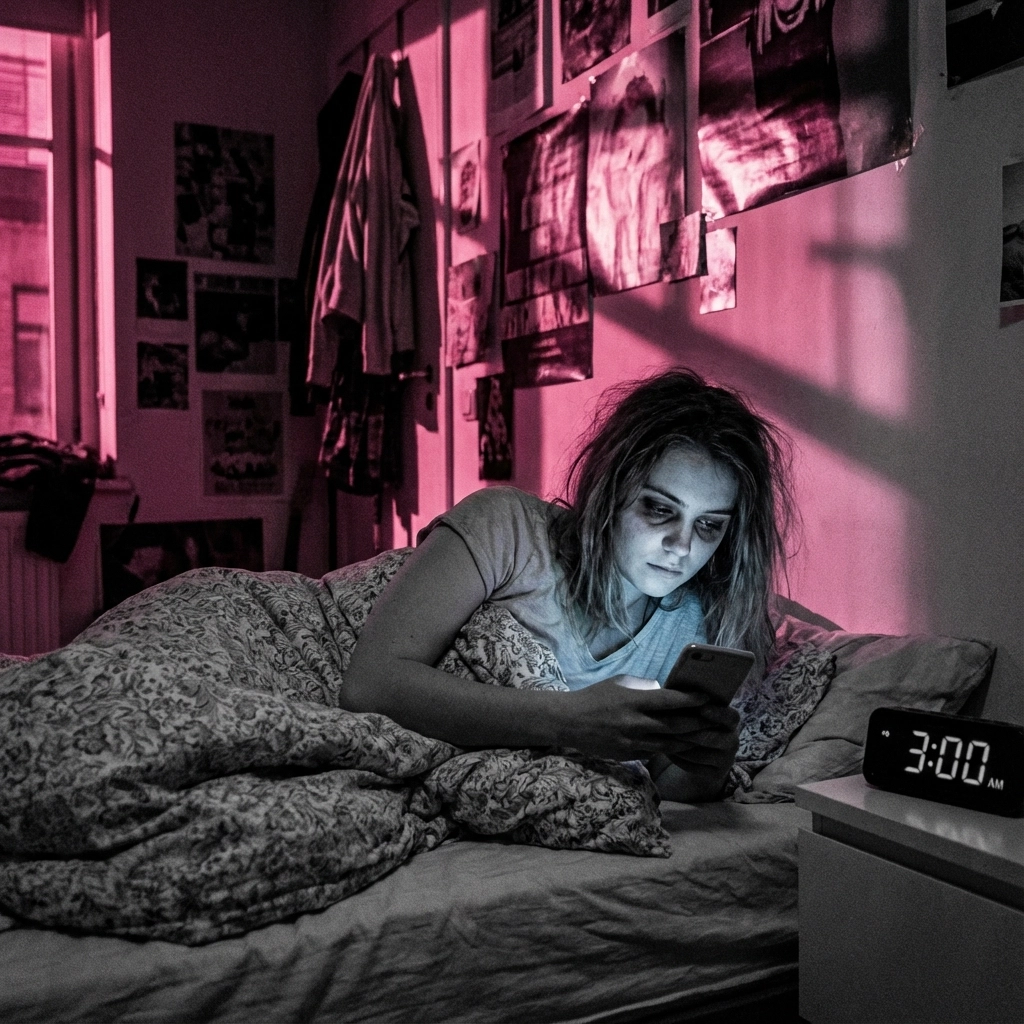
The urban lifestyle already makes quality sleep challenging with city noise, light pollution, and the constant hustle mentality. Add binge-watching to the mix, and you've got a recipe for chronic sleep deprivation that affects everything from your relationships to your career prospects.
The Mental Health Reality Check
Here's where things get serious. Teens who spend over 3 hours daily on screen-based activities are twice as likely to report mental health issues like depression and anxiety. That's not correlation – that's causation backed by solid research.
The constant stimulation from binge-watching creates a kind of mental exhaustion that's different from physical tiredness. Your brain gets overstimulated, making it harder to focus on real-life tasks, maintain relationships, or find joy in activities that don't provide instant gratification. It's like your brain becomes addicted to the fast-paced, high-stimulation content, making everything else feel boring or overwhelming.
For young urban minds already navigating complex social dynamics, career pressures, and financial stress, this mental fog can be devastating. You might find yourself procrastinating on important goals, struggling to maintain focus at work or school, or feeling disconnected from friends and family who can't compete with the immediate satisfaction of your favorite show.
Your Body is Keeping Score

The physical toll of binge culture is real, and it shows up in ways you might not expect. "Tech Neck" now affects 72% of heavy device users – that's the chronic neck and shoulder pain from looking down at screens for hours. Meanwhile, 57% report worsening eyesight, and one in three experience thumb or wrist pain from excessive device use.
But it goes deeper than physical discomfort. When you're spending 8+ hours daily in front of screens, you're not moving your body, getting sunlight, or engaging in the physical activities that urban environments offer. Your posture suffers, your metabolism slows, and your energy levels crash, creating a cycle where you feel too tired to do anything except... watch more content.
The sedentary lifestyle that comes with binge culture is particularly problematic for young urban dwellers who could be exploring their cities, connecting with community spaces, or engaging in the vibrant street culture that makes urban life exciting.
Breaking Free from the Binge Trap
If you're reading this and recognizing yourself in these patterns, don't panic. Awareness is the first step toward change, and you have more power than you think. The goal isn't to eliminate streaming entirely – let's be realistic – but to develop a healthier relationship with digital content.
Start by setting boundaries that work for your lifestyle. Maybe it's no screens after 10 PM, or limiting binge sessions to weekends only. Use your phone's screen time features to track your actual usage – you might be surprised by the numbers. Replace mindless scrolling with intentional viewing: choose what you want to watch instead of letting algorithms decide for you.

Consider creating "streaming-free zones" in your living space. Keep your bedroom for sleep, your dining area for meals and conversation, and designate specific times and places for entertainment. This helps your brain associate different spaces with different activities, making it easier to disconnect when needed.
Reclaiming Your Urban Experience
One of the biggest casualties of binge culture is missing out on what makes urban life amazing. Cities offer incredible opportunities for connection, culture, and experiences that no streaming platform can replicate. When you're constantly plugged in, you miss the spontaneous conversations, the local events, the community connections that feed your soul in ways that passive consumption never could.
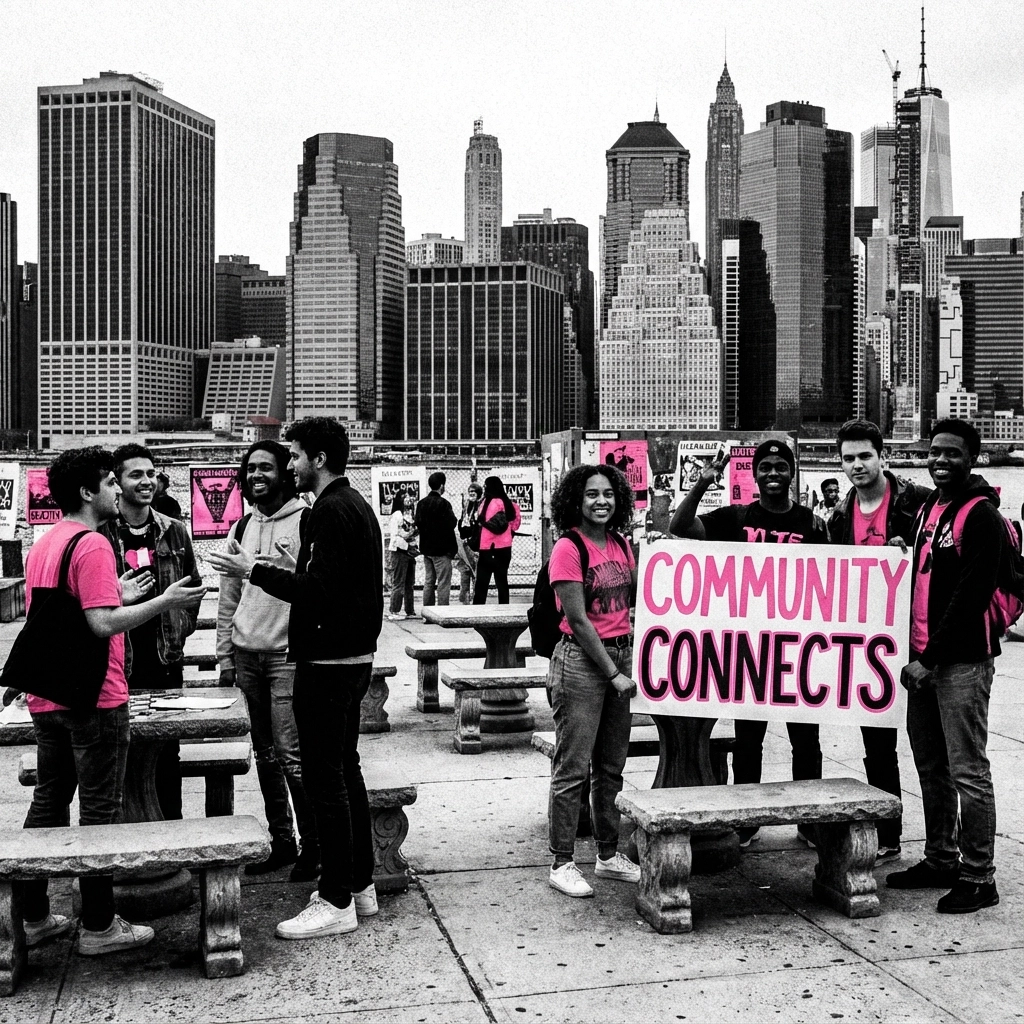
Challenge yourself to spend at least one hour daily engaging with your physical environment. Take a walk without headphones, sit in a local park, visit a neighborhood you've never explored. Connect with the mental health resources in your community that can provide real-world support and connection.
Remember, your mind craves stimulation and story – but it doesn't have to come from a screen. Urban environments are full of real stories, real people, and real experiences that can fulfill that need while also contributing to your growth and well-being.
Building Sustainable Habits for 2026 and Beyond
As we move further into 2026, the streaming landscape will only become more sophisticated at capturing our attention. The key is developing resilience and intentionality now, before these patterns become even more entrenched.
Start small: choose one show to watch per week instead of jumping between multiple series. Practice the art of delayed gratification by waiting 24 hours before starting a new series. Use streaming as a reward for completing real-world goals rather than as a default activity.
Most importantly, remember that you're not broken if you struggle with this. Binge culture is designed to be addictive, and recognizing its impact on your mental health shows wisdom, not weakness. Every small step toward balance is a victory worth celebrating.
Your urban mind deserves better than being trapped in endless content loops. You deserve sleep that refreshes you, relationships that fulfill you, and experiences that expand who you are. The power to change these patterns is in your hands – and it starts with the next choice you make about what deserves your precious time and attention.
Ready to take back control? Your future self is counting on the decisions you make today.
Comments