The Epstein Files: A Long-Awaited Release Amid Controversy and Redactions
- Shalena
- Dec 20, 2025
- 4 min read

Y'all, we finally got what we've been waiting for – or did we? After years of speculation, cover-ups, and demands for transparency, the Department of Justice dropped the Epstein Files yesterday (December 19, 2025), and let me tell you, the internet is NOT having it. Here's the tea on what actually happened, why everyone's mad, and what this means for accountability in 2025.
The Law That Made It Happen
The Epstein Files Transparency Act wasn't just some random piece of legislation – this was a bipartisan effort that passed unanimously in Congress. When something gets that kind of support in today's political climate, you know it's serious. President Trump signed it on November 19, 2025, giving the DOJ exactly 30 days to release ALL unclassified records related to Jeffrey Epstein and Ghislaine Maxwell.
The law was crystal clear about what couldn't be hidden: no withholding information just because it might embarrass powerful people or cause "political sensitivity." The only acceptable redactions? Protecting victims' privacy, preventing the spread of child abuse material, and safeguarding ongoing investigations. That's it.
But here's where things get messy – what we got yesterday looked more like a heavily censored library than the transparency we were promised.
What Actually Got Released (And What Didn't)
The DOJ dumped hundreds of thousands of documents, which sounds impressive until you start digging through them. We're talking court filings, investigative reports, flight logs, and photos from Epstein's properties. Deputy Attorney General Todd Blanche made it sound like Christmas morning, emphasizing this was "just the beginning" with more releases planned.
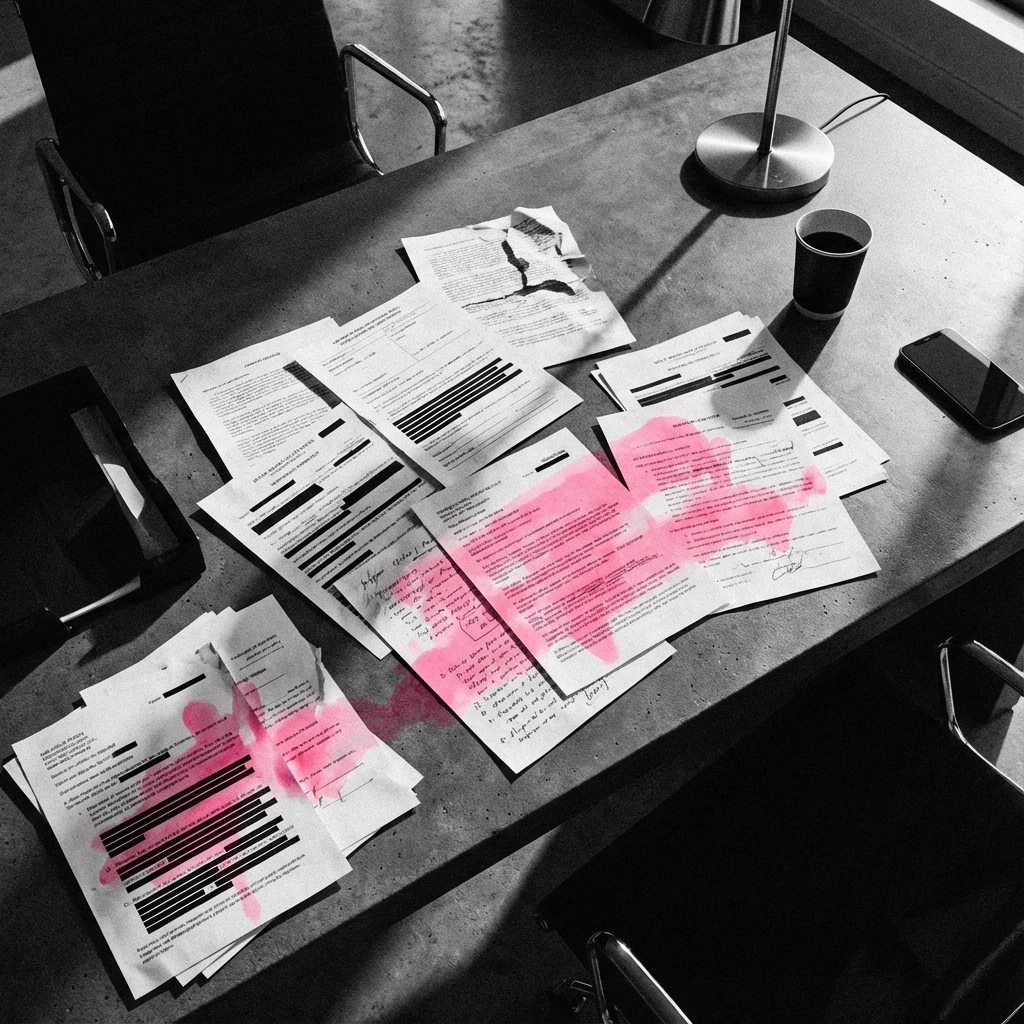
But here's the reality check: entire pages are blacked out. We're seeing 119-page grand jury documents that look like abstract art with all the redaction marks. Over 1,200 names are still shielded, and many of the "new" materials are just rehashed information we already had from previous court cases and civil lawsuits.
The DOJ claims they're protecting victims and following the law, but critics are calling BS. If the Act specifically banned protecting "politically exposed individuals" from embarrassment, why does it feel like that's exactly what's happening?
The Political Firestorm
Both sides of the political aisle are absolutely heated right now. Rep. Thomas Massie (R-KY) and Rep. Ro Khanna (D-CA), who sponsored the Act, called the release a "gross failure" to comply with the law. That's bipartisan frustration right there, which tells you everything you need to know about how badly this rollout went.
Democrats like Rep. Jim McGovern and Rep. Ayanna Pressley are calling it a "cover-up," pointing to those 100+ pages of solid black ink as disrespectful to survivors. Even Republicans like Marjorie Taylor Greene are expressing frustration, noting that the Act specifically banned protecting politicians just because they might be embarrassed.
The Trump administration is defending themselves, saying no politicians' names are redacted unless they're victims, and that the phased release allows for careful review. But critics aren't buying it – they're pointing out that the Act demanded full disclosure by December 19, not a slow drip-feed designed to minimize impact.
Social Media Goes Wild
X (formerly Twitter) has been absolutely chaotic since the release, and honestly, it's been fascinating to watch. People are diving through documents, sharing screenshots of redacted pages, and calling out what they see as continued protection for the elite.
Users are highlighting the three allowable reasons for redactions and questioning why entire grand jury documents are blacked out. The hashtags #EpsteinFiles and #TransparencyAct are trending, with people sharing their findings and frustrations in real-time.
Some of the most viral posts are coming from people who feel like this release "backfired on Democrats" while others are demanding that everyone – from politicians to celebrities – face justice regardless of their political affiliation. The bipartisan nature of the anger is actually pretty remarkable in today's political climate.

What's really telling is that most users are finding the same public information we've had for years, just repackaged. The heavily redacted nature of the files is fueling more conspiracy theories rather than providing the clarity and closure people were hoping for.
What's Still Missing
Let's be real about what we didn't get yesterday. There's still no comprehensive "client list," though the DOJ maintains no such list ever existed. Flight logs are heavily redacted, and many of the photos from Epstein's properties have faces blurred out beyond recognition.
The grand jury materials that were supposed to provide new insights? Most of them look like they were attacked by a particularly aggressive Sharpie. And while the DOJ promises more releases in the coming weeks, the skepticism is real.
Legal experts are already discussing potential court challenges and congressional oversight. When a law explicitly bans certain types of redactions and those exact redactions appear to be happening anyway, it's not hard to see why people are questioning the DOJ's compliance.
The Bigger Picture
This release matters for so many reasons beyond just satisfying public curiosity. For survivors of Epstein's trafficking network, transparency represents validation and justice. For the public, it's about accountability for the powerful people who enabled or participated in these crimes.
The fact that this release feels incomplete isn't just frustrating – it's potentially damaging to trust in our institutions. When Congress passes a unanimous law demanding transparency and the result feels like more of the same cover-up tactics, it reinforces the very cynicism this law was supposed to address.
What Happens Next
More files are promised soon, but the damage to credibility might already be done. The Trump administration's transparency pledges are being tested in real-time, and the results so far aren't encouraging those who hoped for a new era of accountability.
Legal challenges seem inevitable. When lawmakers from both parties are calling your compliance a "gross failure," you can expect some serious oversight hearings and possibly court action to force fuller disclosure.
For those of us watching this unfold, the lesson is clear: real transparency requires constant pressure and vigilance. The initial release might be disappointing, but the fight for full disclosure is far from over.
The American people deserve better than redacted justice. We deserve to know who enabled Jeffrey Epstein's crimes, who participated, and who looked the other way. Yesterday's release was supposed to be a step toward that truth – instead, it feels like another chapter in a cover-up that's lasted far too long.
Stay engaged, keep demanding answers, and don't let this story fade into the background. True accountability requires all of us to keep pushing for the transparency we were promised – and that survivors deserve.


Comments