Trump Orders Naval Blockade on Venezuelan Oil Tankers, Raising Regional Tensions
Y'all, we need to talk about what's happening right now because this affects way more than just headlines. President Trump just authorized the U.S. Navy to blockade Venezuelan oil tankers, and if you're thinking "that sounds intense," you're absolutely right. This isn't just another political move: it's a decision that could reshape everything from gas prices in your city to the communities around you.
Here's the tea: according to Reuters, Trump has directed naval forces to stop sanctioned oil tankers from entering or leaving Venezuela. This is aimed directly at President Nicolás Maduro's government, which has been under U.S. sanctions for years due to corruption, human rights issues, and election problems. But let's be real: when governments make moves like this, it's everyday people who feel the impact first.
What's Actually Going Down Right Now
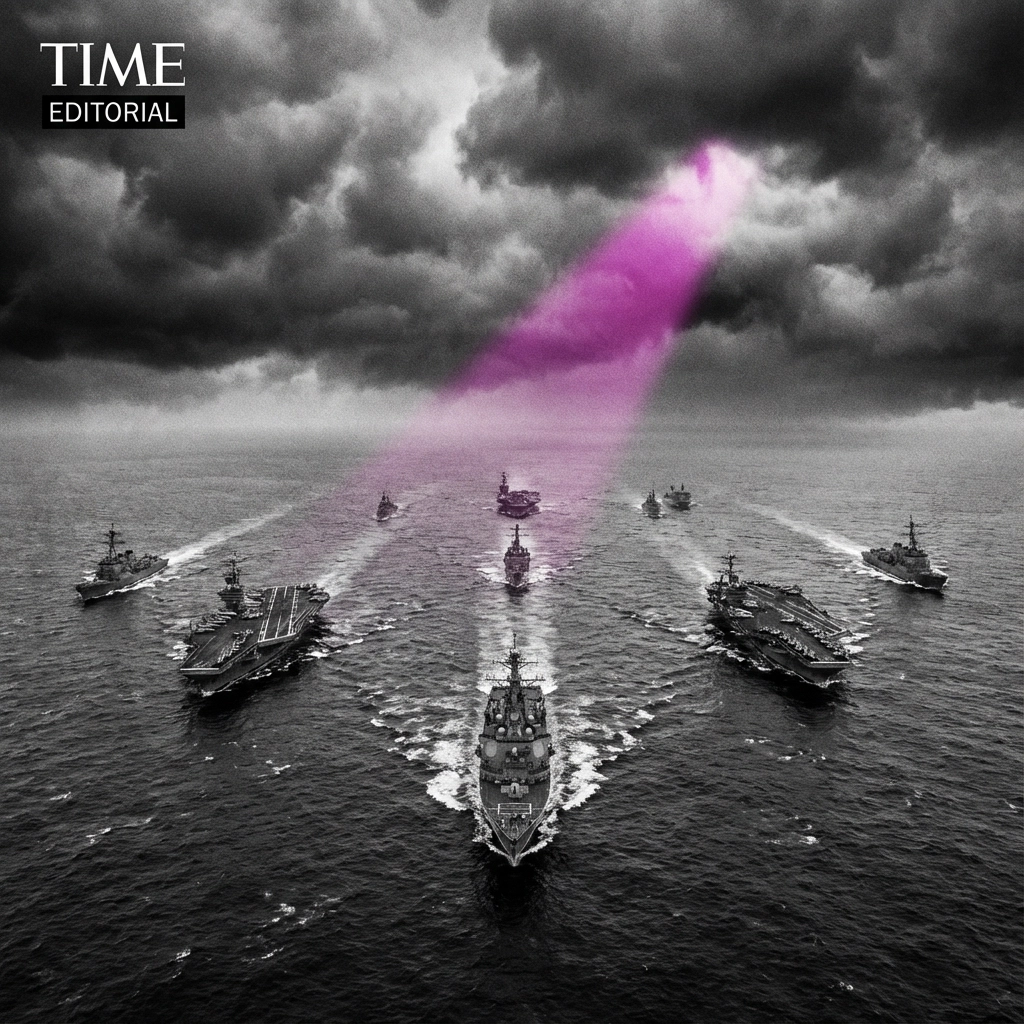
The facts we know for sure are pretty serious. U.S. officials confirmed that Trump authorized what they're calling "naval interdiction measures" targeting oil tankers connected to Venezuela, especially those breaking existing sanctions. The goal? Cut off the money flowing to Maduro's government by stopping their main source of income: oil exports.
And we're talking about serious money here. Venezuela has some of the world's largest oil reserves, and despite years of sanctions, they've been finding ways to keep selling crude oil through back channels and intermediaries. That revenue keeps the government running, so blocking it is basically economic warfare.
The strategy includes:
Cutting off revenue streams to the Maduro regime
Creating leverage for political negotiations
Stopping other countries from bypassing sanctions
Sending a message to international actors
This fits into Trump's "maximum pressure" approach, but here's where it gets complicated for all of us.
Why This Isn't Just Another Political Story
When you hear "naval blockade," your mind might go to history books, but this is happening in 2025, and it affects real communities right now. Under international law, blockades are typically considered acts associated with armed conflict. Even though nobody's officially declaring war, stopping commercial ships at sea is a big deal that can escalate quickly.
The legal and strategic risks include:
Potential confrontations with foreign ships
Venezuela or its allies hitting back
Challenges under international maritime law
More military presence in the Caribbean
What makes this especially tense is that several countries that aren't exactly friendly to the U.S.: like Russia, China, and Iran: have relationships with Venezuela. So we're not just talking about two countries here; this could pull in major global players.
How This Hits Home in Your City
Let's connect the dots to what this means for urban communities and everyday life. When geopolitical tensions rise, cities feel it first through:
Energy Costs: Oil market disruptions mean higher gas prices, which hits hardest in urban areas where people commute daily. If you're already budgeting tight for gas, groceries, and rent, any increase in energy costs ripples through everything.
Migration Patterns: Venezuela is already facing economic collapse, and millions of people have fled to neighboring countries. Any escalation could trigger more displacement, potentially affecting migration patterns to U.S. cities where Venezuelan communities have established roots.
Community Tensions: In cities with significant Latino populations, including Venezuelan immigrants, military actions like this can create anxiety and division within communities. Families worry about relatives back home, and community organizations often see increased stress and need for support services.
The Bigger Economic Picture
Here's what's wild: Venezuela sits at the intersection of global energy markets, U.S.-Latin America relations, and broader rivalries between world powers. This means the ripple effects touch:
Global oil supply chains: Any disruption affects worldwide energy prices
Shipping insurance markets: Companies get nervous about sending ships through contested waters
Diplomatic relations: Countries whose vessels get stopped aren't going to be happy
For urban dwellers, this translates to potential impacts on everything from public transportation costs to delivery services. When shipping gets complicated, prices go up, and cities: where most goods are imported: feel it immediately.
The Human Cost Nobody's Talking About
Let's be real about what's happening to actual people. Venezuela is already dealing with:
Severe economic collapse
Widespread poverty
Ongoing migration crises affecting Colombia, Brazil, and beyond
Any military escalation could make humanitarian conditions worse and drive more people to leave their homes. In U.S. cities, this could mean:
Increased demand for community support services
More pressure on immigration systems
Families separated by political conflicts
Mental health impacts in immigrant communities
This is where urban culture and community resilience become crucial. Cities have always been places where displaced populations rebuild, but they need support systems that understand both the immediate and long-term impacts of geopolitical decisions.
What This Means for Culture and Community
In urban spaces, political developments like this don't just affect policy: they shape culture, art, and community organizing. Venezuelan artists, musicians, and creators who've found homes in U.S. cities may use their platforms to speak out, educate, or organize support for their homeland.
We've seen this pattern before with other conflicts: when governments clash, communities respond through:
Cultural events raising awareness
Mutual aid networks supporting affected families
Art and music reflecting the political moment
Community organizing around immigration and human rights
If you're part of urban communities that value solidarity and social justice, this situation calls for understanding how international politics affect your neighbors and what role you can play in supporting affected communities.
The Questions We Should All Be Asking
As this situation develops, here are the key things to watch:
How aggressive will enforcement be? The difference between stopping a few ships and creating a full military presence matters for how quickly things could escalate.
Will other countries push back? If foreign governments decide to challenge these blockades, we could see international incidents that pull more players into the conflict.
What about diplomatic solutions? Is there room for negotiation, or are we heading toward deeper confrontation?
How will this affect regional stability? Latin American leaders are historically wary of U.S. military involvement, and their responses could shape regional politics for years.
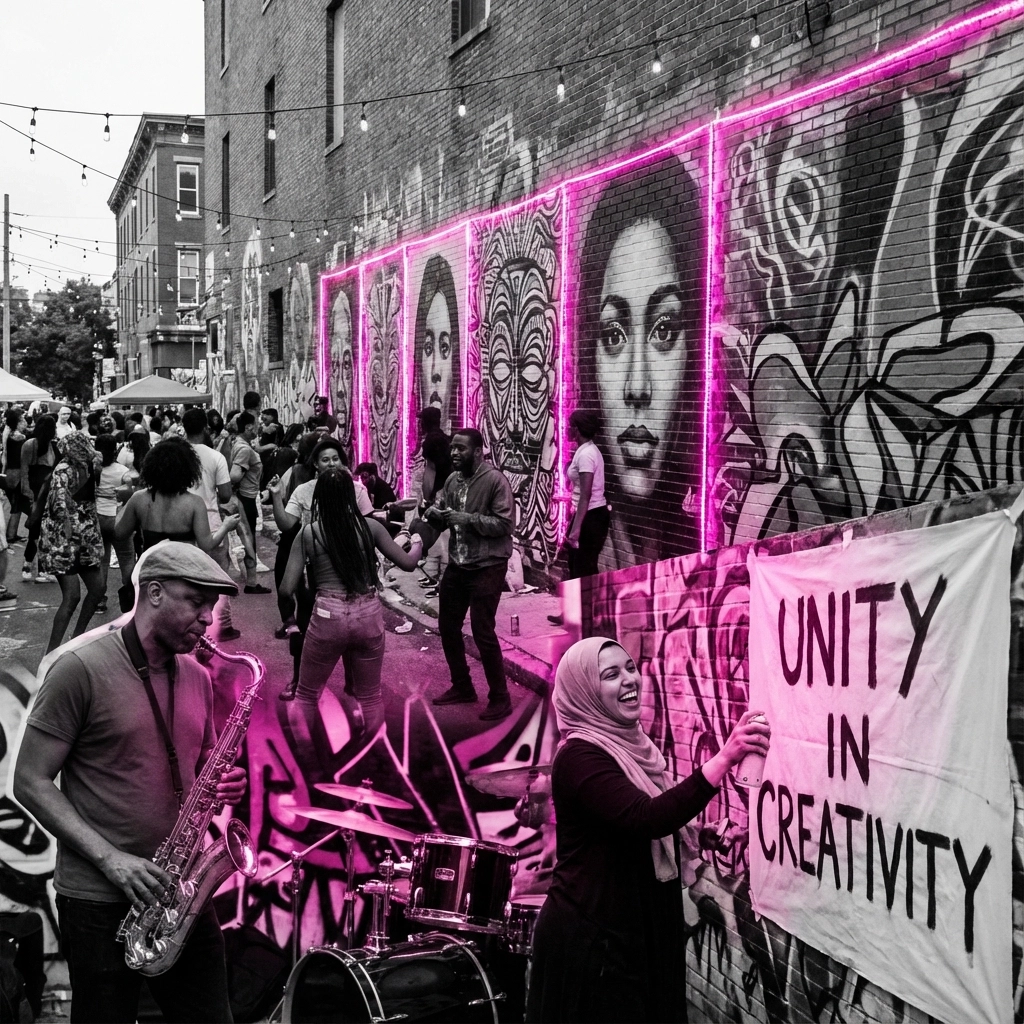
Staying Informed and Engaged
Here's the real talk: situations like this develop fast, and it's important to stay informed through reliable sources while understanding how global events connect to your daily life and community.
For urban communities, this means:
Following credible news sources for updates
Supporting immigrant rights organizations
Understanding how energy market changes affect your budget
Connecting with community groups that track international issues
Whether this leads to negotiation or deeper conflict depends on decisions being made right now by people in power. But the impacts: from gas prices to community anxiety to migration patterns: will be felt in cities across the country.
This naval blockade represents more than just foreign policy; it's a decision that touches energy markets, humanitarian conditions, and community life in ways that might not be obvious at first glance. As events unfold, staying engaged and supporting affected communities isn't just good citizenship: it's how urban spaces maintain their strength as places of refuge, creativity, and resilience.
The situation is developing rapidly, and transparency from officials, along with community support for affected populations, will be crucial in determining whether this escalation leads to resolution or deeper conflict. What's certain is that in our interconnected world, international decisions have local consequences, and urban communities are often where those consequences are felt first and most intensely.
Trump Orders Naval Blockade on Venezuelan Oil Tankers, Raising Regional Tensions
Introduction
In a move that could seriously escalate hemispheric tensions, President Donald Trump has reportedly ordered the U.S. Navy to block sanctioned oil tankers entering or leaving Venezuela, as confirmed by Reuters. The action aims to pressure Venezuelan President Nicolás Maduro by limiting the country’s oil revenue—the regime’s main economic lifeline.
What Is Confirmed So Far
U.S. officials have authorized naval measures against oil tankers linked to Venezuela, focusing on ships believed to violate U.S. sanctions. This is part of the administration’s "maximum pressure" campaign, targeting what the State Department has called corruption, human rights abuses, and election manipulation by Maduro’s government. Crude oil exports remain critical for Venezuela, despite years of international sanctions and ongoing economic collapse.
Officials argue the blockade is needed to:
Cut off the Maduro regime’s revenue
Increase leverage for future negotiations
Deter outside actors from bypassing U.S. sanctions
The Legal and Strategic Implications of a Naval Blockade
Blockades are more than symbolic—they’re often classified as acts of war under international law. The Trump administration hasn’t called this a declaration of war, but naval interdictions carry real risks: possible clashes with foreign ships, retaliation, and legal challenges under maritime law. Historically, blockades sometimes trigger wider military conflict—a risk that’s on analysts’ radars now.
Unconfirmed Reports and Heightened Speculation
Rumors are swirling on social media and via sources like @AqsaNewsAgency that officials worry about further escalation or even open warfare. While no formal declaration of war exists as of now, the mere threat raises global anxiety. Defense experts warn that any direct resistance or misunderstanding at sea could escalate fast.
Why Venezuela Matters Strategically
Venezuela sits at a crossroads for global energy, U.S.–Latin America relations, and international power rivalries involving Russia, China, and Iran. The country holds some of the world’s largest oil reserves, and several U.S. adversaries have ongoing ties with Caracas. A blockade could affect global oil prices, supply chains, shipping insurance costs, and diplomatic relations—especially with nations whose ships are targeted.
Potential Regional Fallout
Urban communities across the Americas are already absorbing waves of Venezuelan migrants fleeing poverty and instability. Any military escalation could spark even more migration and humanitarian crisis, putting pressure on neighboring countries like Colombia and Brazil. Regional governments traditionally warn against U.S. military involvement in Latin America, fearing destabilization and broader conflict.
What Happens Next?
Key questions now:
Will the Navy enforce the blockade aggressively?
Will other governments push back or comply?
Is there room for diplomacy, or will things escalate?
Could this spark proxy conflicts or retaliation?
Conclusion
Trump’s naval blockade directive marks a dangerous escalation. It’s disguised as sanctions enforcement but risks legal, military, and geopolitical fallout. Where things go next will depend on restraint, transparency, and international willingness to negotiate—not just power plays at sea.
As events develop, Shalena Speaks will keep you updated on the real impact for urban communities—both here and across the Americas.
Sources & References
Reuters reporting on U.S. service actions
Statements and analysis from international media, including unverified posts (@AqsaNewsAgency)


Comments