Understanding Bipolar Disorder in Urban Communities: Real Talk, Real Lives
- Shalena
- Jan 8
- 7 min read

Let's talk about something that gets way too much judgment and not enough understanding.
Bipolar disorder.
You've probably heard the term thrown around casually : "she's so bipolar" when someone changes their mind, or "he's being bipolar" when someone has mood swings.
Here's the thing: that's not what bipolar disorder actually is.
And for the millions of Black, Brown, and urban folks living with it? Those misconceptions make everything harder.
What bipolar disorder actually is (and isn't)
Bipolar disorder isn't just having mood swings or being "moody."
It's a brain condition that causes extreme shifts in mood, energy, and activity levels that seriously impact daily life.
We're talking about episodes that last for days, weeks, or even months:
Manic episodes : feeling extremely "up," having way too much energy, needing very little sleep, talking fast, making impulsive decisions, sometimes feeling invincible or having unrealistic beliefs about your abilities.
Depressive episodes : feeling extremely low, hopeless, having no energy, sleeping too much or not being able to sleep, losing interest in everything, sometimes having thoughts of death or suicide.
Mixed episodes : experiencing symptoms of both mania and depression at the same time.
This isn't about having a bad day or being excited about something good happening.
These are intense episodes that make it hard to work, maintain relationships, or take care of yourself.

The urban reality nobody talks about
Here's what research shows: urban areas have higher rates of mental health challenges overall, with about 17.2% of adults in cities dealing with some form of mental illness compared to 15.3% in rural areas.
But when it comes specifically to bipolar disorder? The rates between urban and rural areas are actually pretty similar.
What is different is everything else.
The stress factors are real:
Air pollution and constant noise
Housing insecurity and gentrification pressure
Social inequality you can see every day
Crime and safety concerns
Sensory overload from city life
Financial pressure in expensive cities
The triggers are everywhere:
Lack of green spaces for mental breaks
Disrupted sleep from city noise and lights
Social media pressure amplified by urban culture
Substance use as coping in party scenes
Work pressure in competitive job markets
All of this can trigger episodes or make them worse.
But here's the advantage urban communities have: better access to mental health services and experienced providers. In rural areas, people often have to travel hours just to see a therapist.
The cultural piece that changes everything
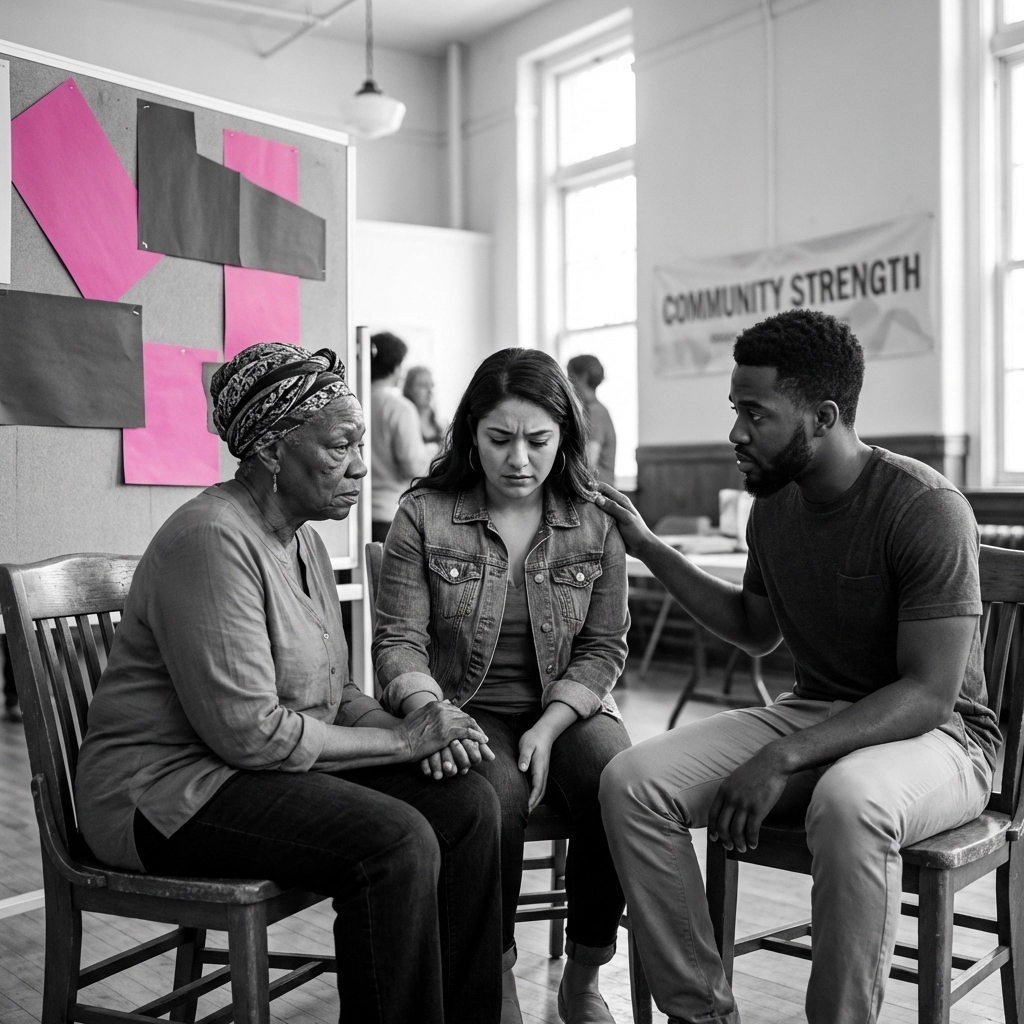
In many Black and Brown communities, mental illness still carries heavy stigma.
"We don't do therapy." "Just pray about it." "You're being weak." "Other people have it worse."
And when it comes to bipolar disorder specifically, there's even more misunderstanding.
The "strong Black woman" or "tough guy" narratives make it harder to admit when you're struggling with something as serious as manic or depressive episodes.
Religious communities might see manic episodes as being "blessed with energy" or depressive episodes as a "spiritual test" rather than symptoms that need professional help.
Family dynamics often involve everyone having opinions about your mood changes without understanding what's actually happening.
Economic pressure means many people can't afford to take time off work for episodes or to get consistent treatment.
The result? Too many people in urban communities are trying to manage bipolar disorder alone, without proper support or understanding.
What it actually feels like to live with it
Let's get real about what bipolar episodes actually look like in everyday life:
During manic episodes, you might:
Stay up for days working on projects that seem brilliant at 3 AM
Spend money you don't have on things you don't need
Feel like you can accomplish anything and start ten new projects
Talk so fast people can't keep up with you
Make major life decisions impulsively (quitting jobs, ending relationships, moving)
Feel irritated when people try to slow you down
During depressive episodes, you might:
Sleep through alarms and miss work or school
Feel like everything is pointless and nothing will get better
Lose interest in people and activities you usually love
Feel guilty about things that aren't your fault
Have trouble concentrating or making simple decisions
Feel physically heavy, like you're moving through mud
The in-between times aren't always stable either. You might feel anxious about when the next episode is coming, or struggle with side effects from medication.
None of this is about being dramatic or attention-seeking.
These are real symptoms of a medical condition that affects your brain chemistry.
Myths that need to die right now
Myth: "People with bipolar disorder are dangerous." Reality: People with mental illness are more likely to be victims of violence than perpetrators. The vast majority of people with bipolar disorder are not violent.
Myth: "You can't live a normal life with bipolar disorder." Reality: With proper treatment and support, many people with bipolar disorder live full, successful lives. They work, have relationships, raise families, and contribute to their communities.
Myth: "Bipolar disorder is just an excuse for bad behavior." Reality: While people are still responsible for their actions, bipolar disorder involves real brain chemistry changes that affect judgment and impulse control during episodes.
Myth: "If you're taking medication, you're weak." Reality: Taking medication for bipolar disorder is like taking insulin for diabetes. It's treating a medical condition, not a character flaw.
Myth: "Therapy is just talking about your feelings." Reality: Effective therapy for bipolar disorder teaches practical skills for managing symptoms, recognizing warning signs, and building coping strategies.
Real coping strategies that actually work
Living with bipolar disorder isn't just about medication (though medication often helps). It's about building a life structure that supports your mental health.
Track your patterns Keep notes about your mood, sleep, and energy levels. Many people start noticing patterns : like episodes happening during stressful times, seasonal changes, or after disrupted sleep.
Sleep like your life depends on it Sleep disruption is both a symptom and a trigger for bipolar episodes. Consistent sleep and wake times aren't just healthy habits : they're essential for stability.
Know your warning signs Most people have early warning signs before full episodes hit. Maybe you start talking faster, sleeping less, or losing interest in things you enjoy. The earlier you notice, the more you can do to prevent a full episode.
Build your support network You need people who understand the difference between your personality and your symptoms. People who won't judge you for having bad days or take your manic decisions personally.
Have an episode action plan What do you do when you feel an episode starting? Who do you call? What helps you feel safer? Having a plan before you need it makes everything easier.

Getting help without breaking the bank
Let's be real about the money part. Mental health treatment can be expensive, and many insurance plans don't cover enough.
Community mental health centers offer sliding-scale fees based on income. They're not always perfect, but they're accessible.
Group therapy costs less than individual therapy and connects you with people dealing with similar challenges.
Peer support groups are often free and run by people who actually understand what you're going through.
Crisis hotlines are free and available 24/7 when you need immediate support.
Community organizations in urban areas often have mental health programs specifically for Black and Brown communities.
Faith-based counseling can be a bridge for people who want spiritual support alongside mental health care.
The National Alliance on Mental Illness (NAMI) has local chapters in most cities that offer free support groups and educational programs.
Finding culturally competent care
Having a therapist who understands your cultural background makes a huge difference.
Look for providers who:
Have experience with your cultural community
Understand the impact of racism and discrimination on mental health
Don't dismiss the role of spirituality or family in your healing
Recognize the strength it takes to seek help
Many cities now have mental health organizations specifically focused on serving communities of color. Don't settle for care that doesn't feel right for you.

The neighborhood factor you need to know about
Research shows that your neighborhood affects your mental health outcomes : even when you account for personal income.
People with bipolar disorder living in high-poverty urban areas face:
Higher mortality rates
More difficulty accessing consistent care
Greater exposure to trauma and violence
Less access to safe spaces for exercise and stress relief
This isn't about personal failure. It's about systemic issues that affect entire communities.
If you're in this situation, connecting with community organizations and peer support becomes even more important. You're not just managing bipolar disorder : you're doing it while dealing with additional stressors that most treatment advice doesn't account for.
When it's time to get serious help
Some situations require immediate professional help:
Thoughts of suicide or hurting yourself
Manic episodes that involve dangerous behavior
Depressive episodes that make it impossible to function
Substance use that's making symptoms worse
Episodes that are lasting longer or getting more severe
Crisis lines, emergency rooms, and mobile crisis teams are there for a reason. Using them isn't giving up : it's being smart about your safety.
You're not broken, you're managing something hard
Living with bipolar disorder in an urban community : especially as a Black or Brown person : means dealing with a complex medical condition while navigating cultural stigma, economic challenges, and systemic barriers to care.
That's not easy. That's actually incredibly challenging.
You're not broken for having this condition. You're not weak for needing support. You're not failing if you have episodes despite your best efforts.
You're a person with a medical condition who deserves understanding, proper treatment, and community support.
And when you're ready, there are people and resources out there who get it.
Start where you are. Use what you have. Get the support that's available to you.
Your mental health matters, and so do you.
Need support right now? Check out The Mental Health Hub for ongoing conversations and peer support from people who understand what you're going through.
Comments