Urban Legends and Modern Myths: How Folklore Shapes City Youth Today
- Jan 10
- 5 min read
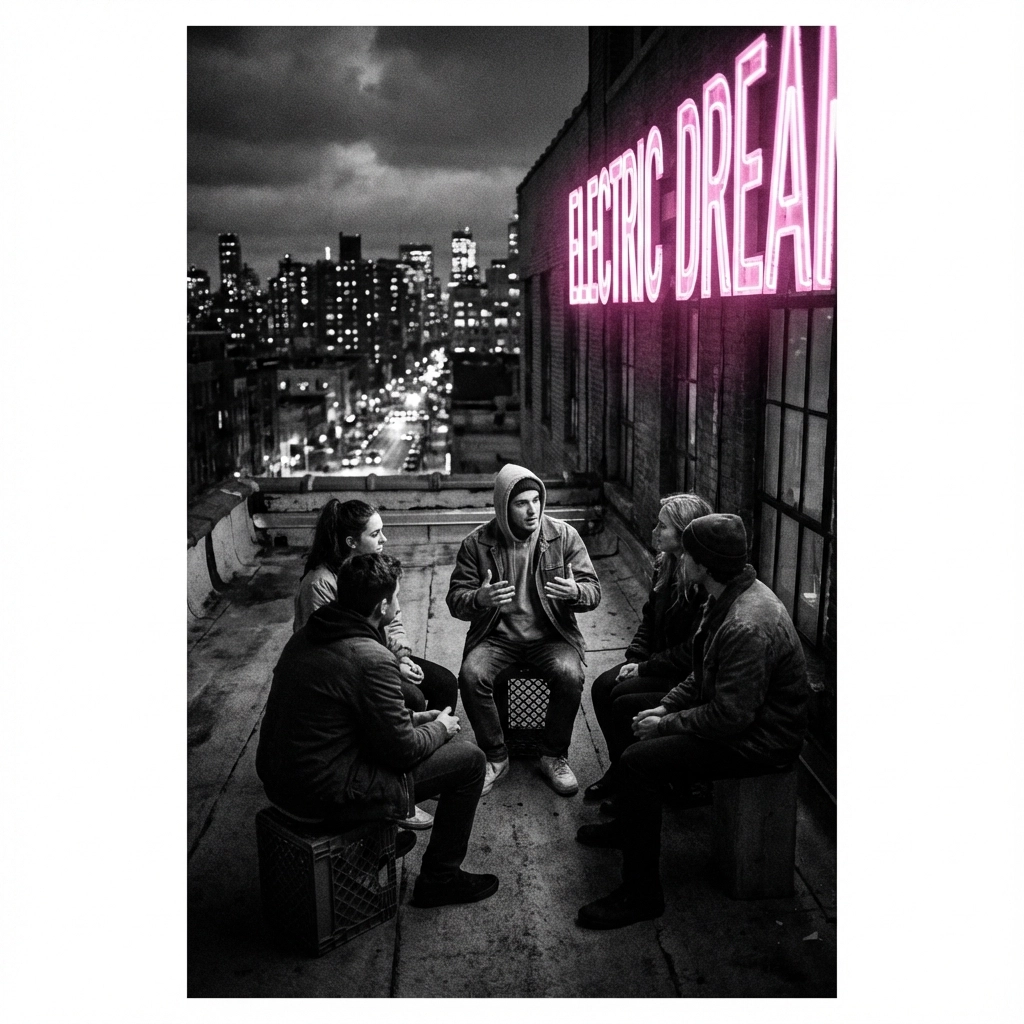
You've probably heard them before – those spine-tingling stories that spread through your group chat at 2 AM, the cautionary tales your older cousin swore were true, or that wild story about something that happened to someone's friend's sister. Here's the tea: urban legends aren't just random scary stories. They're the modern mythology that's literally shaping how you and your peers navigate city life, create art, and even talk to each other.
Let's be real – in 2025, folklore isn't just something from dusty old books. It's alive, breathing, and evolving faster than a TikTok trend through the urban communities that make our cities vibrant. From Atlanta to Chicago, Brooklyn to Oakland, every hood has its own collection of stories that get passed down, twisted, and transformed with each telling.
The Stories That Build Our Streets
Urban legends in today's cities aren't your grandmother's fairy tales. They're contemporary narratives that blend real-world settings with the supernatural, the shocking, and the unbelievable. Think about it – when was the last time you heard a story that started with "My friend's cousin said..." or "This really happened to someone at my old school"?
These stories typically feature everyday locations you recognize: the late-night subway ride, the 24-hour convenience store, that sketchy parking garage downtown, or even the popular club everyone hits on weekends. They're not happening in some far-off kingdom – they're happening in your neighborhood, making them feel incredibly real and immediate.
What makes these legends so powerful is how they reflect what's actually keeping urban youth up at night. Technology gone wrong, contaminated food from that new spot, dangerous encounters in familiar places, or warnings about trusting strangers – these themes directly speak to the anxieties of navigating city life as a young person.
Community-Specific Folklore: Every Hood Has Its Tales
Different urban communities have developed their own unique folklore that reflects their specific experiences, history, and cultural values. In predominantly Black neighborhoods, you might hear legends that blend African American spiritual traditions with modern urban experiences – stories about protective ancestors watching over the community or warnings about places where traumatic historical events occurred.
Latino communities often weave traditional folklore like La Llorona or El Cucuy into contemporary urban settings, creating bridges between ancestral wisdom and modern city life. These stories don't just entertain – they teach cultural values, warn about real dangers, and maintain connections to heritage even in rapidly gentrifying neighborhoods.
Asian American communities in cities like San Francisco or New York have their own collection of urban legends that often involve family businesses, academic pressure, or navigating between traditional expectations and modern urban culture. These stories serve as a way to process the unique challenges of growing up in between cultures within fast-paced city environments.
The Social Media Revolution: How Legends Go Viral
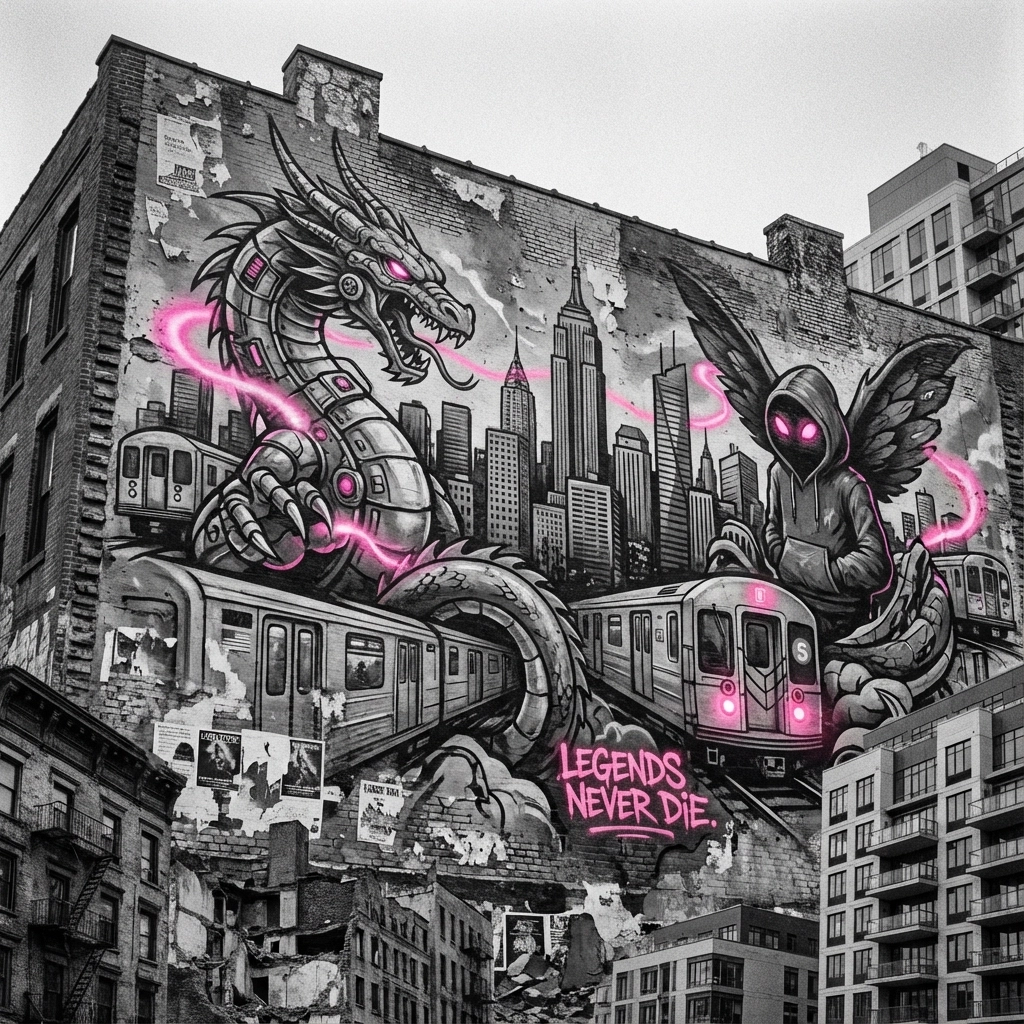
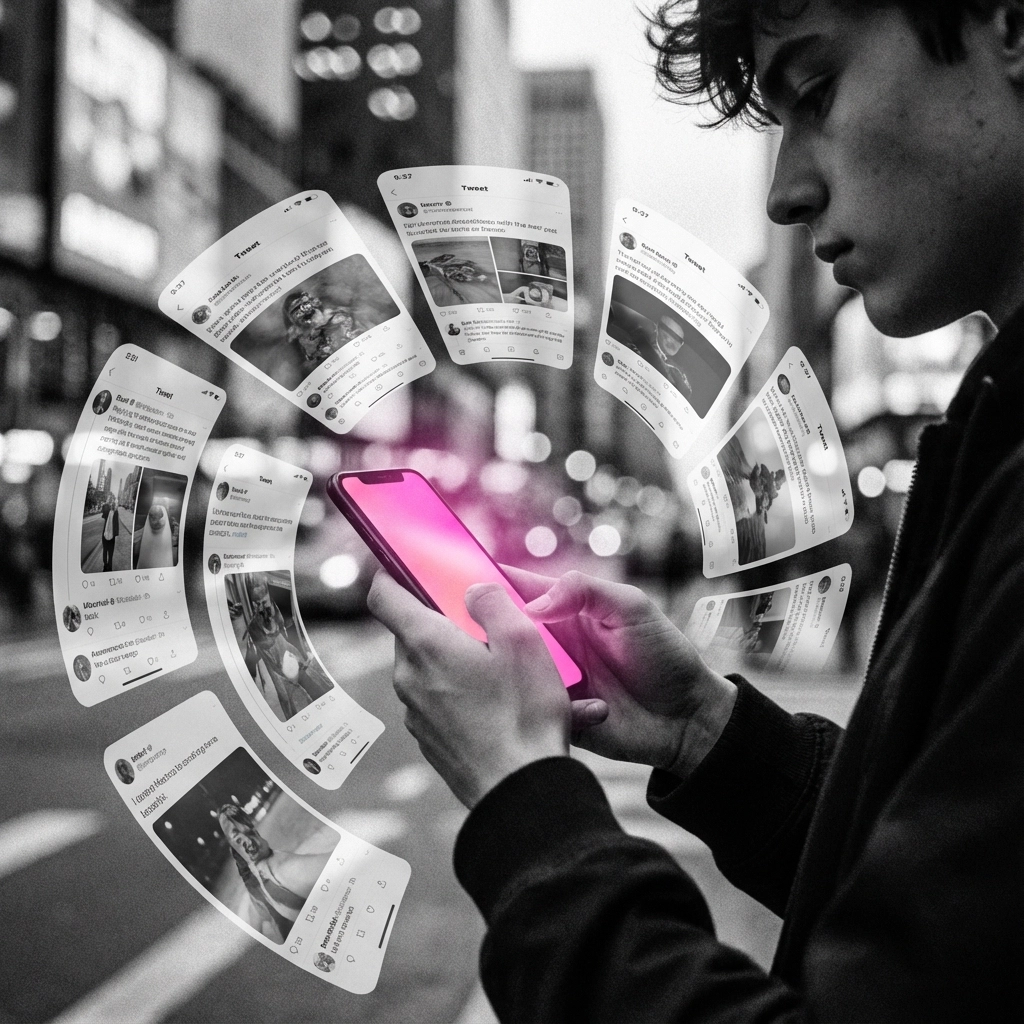
Your phone has completely transformed how urban legends spread. What used to take months to travel from one neighborhood to another now goes viral in hours. Instagram stories, TikTok videos, Twitter threads, and group chats have become the new campfires where these modern myths are shared.
Social media platforms have also changed how you interact with these stories. You're not just passive listeners anymore – you're remixing, fact-checking, adding your own spin, and creating entirely new versions. That creepy story about the haunted apartment building? Someone's already made a TikTok series about it. The warning about the dangerous ride-share driver? It's been turned into a cautionary Instagram post with graphics and everything.
The speed of digital transmission means urban legends now adapt and evolve in real-time. A story that starts in one city can be customized for different communities within days, with local landmarks, slang, and cultural references swapped in to make it feel authentic to each new audience.
Art, Music, and Slang: When Legends Become Culture
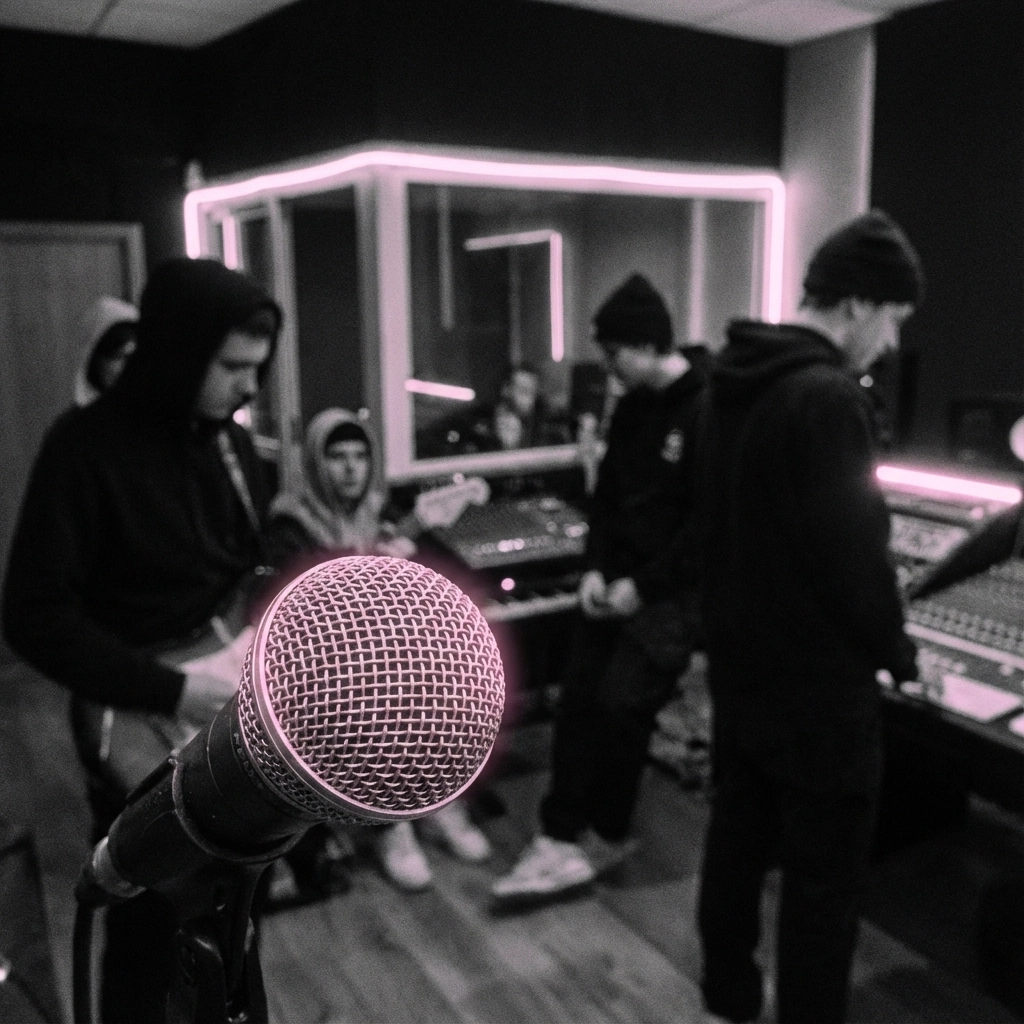
Here's where it gets really interesting – urban legends aren't just stories anymore. They're becoming the foundation for artistic expression across city communities. Local artists create murals inspired by neighborhood folklore. Musicians reference urban legends in their lyrics, turning local myths into anthems that speak to shared community experiences.
The influence on slang is particularly fascinating. Phrases that originate from urban legends often become part of everyday language. Terms that started as warnings in scary stories evolve into casual expressions that carry deeper cultural meaning. When you tell someone to "check themselves" or describe something as "sus," you're often using language that has roots in the cautionary tales of urban folklore.
Hip-hop culture has been particularly influential in preserving and spreading urban legends. Rappers frequently reference local folklore, turning community stories into lyrics that reach global audiences. This creates a feedback loop where local legends gain wider recognition, get reinterpreted by other artists, and eventually become part of the broader cultural conversation.
Visual artists are using these stories as inspiration for everything from street art to gallery installations. The dramatic, often surreal nature of urban legends provides rich material for creative interpretation, while also serving as a way to document and preserve community oral traditions.
Identity Formation Through Shared Mythology
These stories aren't just entertainment – they're actually helping you figure out who you are and where you belong. When you share an urban legend, you're participating in a form of community bonding that creates insider knowledge and group identity. Knowing the local folklore makes you part of the in-group, while not knowing it marks you as an outsider.
For young people navigating complex urban environments, these shared stories provide frameworks for understanding social rules, potential dangers, and community values. They answer questions like: What neighborhoods should you avoid? How should you behave in certain situations? What are the unwritten rules of city life?
Urban legends also serve as a way to process trauma and anxiety collectively. Instead of dealing with fears individually, these stories allow communities to acknowledge dangers, share coping strategies, and build resilience together. They transform individual anxieties into shared narratives that can be discussed, analyzed, and ultimately managed as a group.
The Power of Modern Mythology
What's really happening here is the creation of modern mythology that's as relevant and powerful as any ancient folklore. These stories are helping urban youth make sense of rapidly changing environments, technological advancement, and social transformation. They provide continuity in communities that are often dealing with displacement, gentrification, and cultural change.
The fact that these legends continue to evolve and adapt shows their vital importance in urban culture. They're not relics of the past – they're living, breathing narratives that respond to current events, new technologies, and emerging social concerns. As cities continue to change, these stories change with them, always serving as a mirror for community anxieties and aspirations.
Your generation isn't just consuming these stories – you're actively creating and reshaping them. Through social media, art, music, and daily conversation, you're ensuring that urban folklore remains relevant and meaningful for your communities.
Building Tomorrow's Legends
The urban legends of today are tomorrow's cultural artifacts. The stories circulating through your communities right now will eventually be studied by future generations trying to understand what mattered to urban youth in 2025. Your retweets, remixes, and retellings are part of an ongoing cultural conversation that's shaping how folklore functions in the digital age.
Understanding the power of these stories means recognizing your role in their evolution. Every time you share a legend, add your own twist, or create art inspired by community folklore, you're participating in one of humanity's oldest traditions – the collective creation of meaning through storytelling.
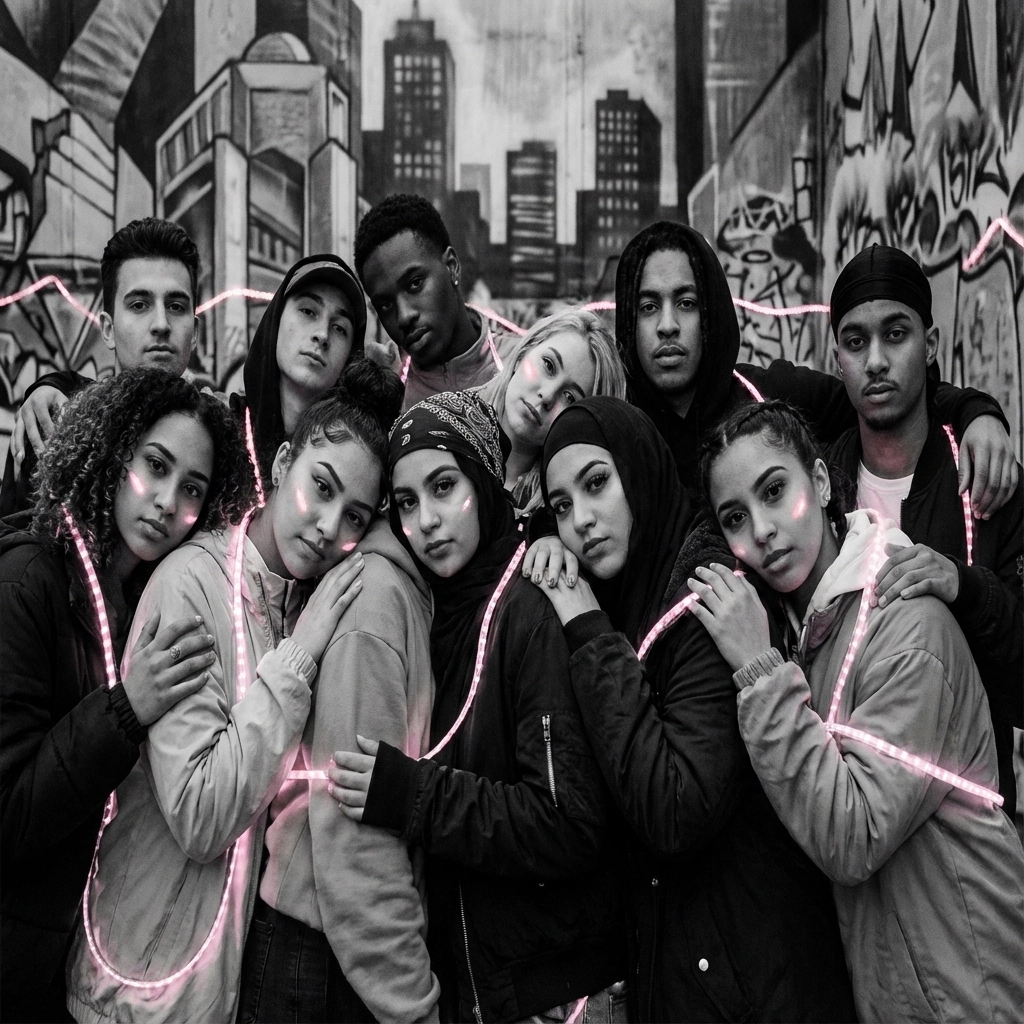
The legends you're hearing and sharing today aren't just entertaining stories – they're the foundation of cultural identity, community bonding, and artistic expression that defines urban youth culture. From the specific folklore of different communities to the viral legends that cross city boundaries, these modern myths continue to provide the frameworks through which young people understand their world, create their art, and build their identities.
So the next time someone starts a story with "I heard this really happened," remember – you're not just hearing a scary tale. You're participating in the ongoing creation of urban mythology that's shaping the culture, art, and language of city communities across the country. That's the real power of folklore in the digital age, bestie.
Comments