USPS "Essential Service" Letters Are Going Viral Again , Here's the Truth (And What's Being Twisted)
- Jan 15
- 5 min read
Here's the tea: every few years, the same type of post starts flooding your timeline. A screenshot of an official-looking USPS letter, dramatic captions about travel restrictions and civil unrest, and someone in the comments swearing "they know something we don't."
And because the internet loves a good panic spiral before breakfast, it spreads fast.
But let's be real for a second , the part people keep leaving out is crucial. This isn't new. It isn't a secret government signal. And it definitely isn't proof that something catastrophic is about to go down.
So before you screenshot, share, and add your own spicy caption, let's break down what's actually happening here. Because staying informed is power, bestie , and getting played by misinformation? That's not the vibe.
What Is This "Essential Service" Letter, Really?
Alright, let's start with the basics. What exactly is this letter that's got everybody in their feelings?
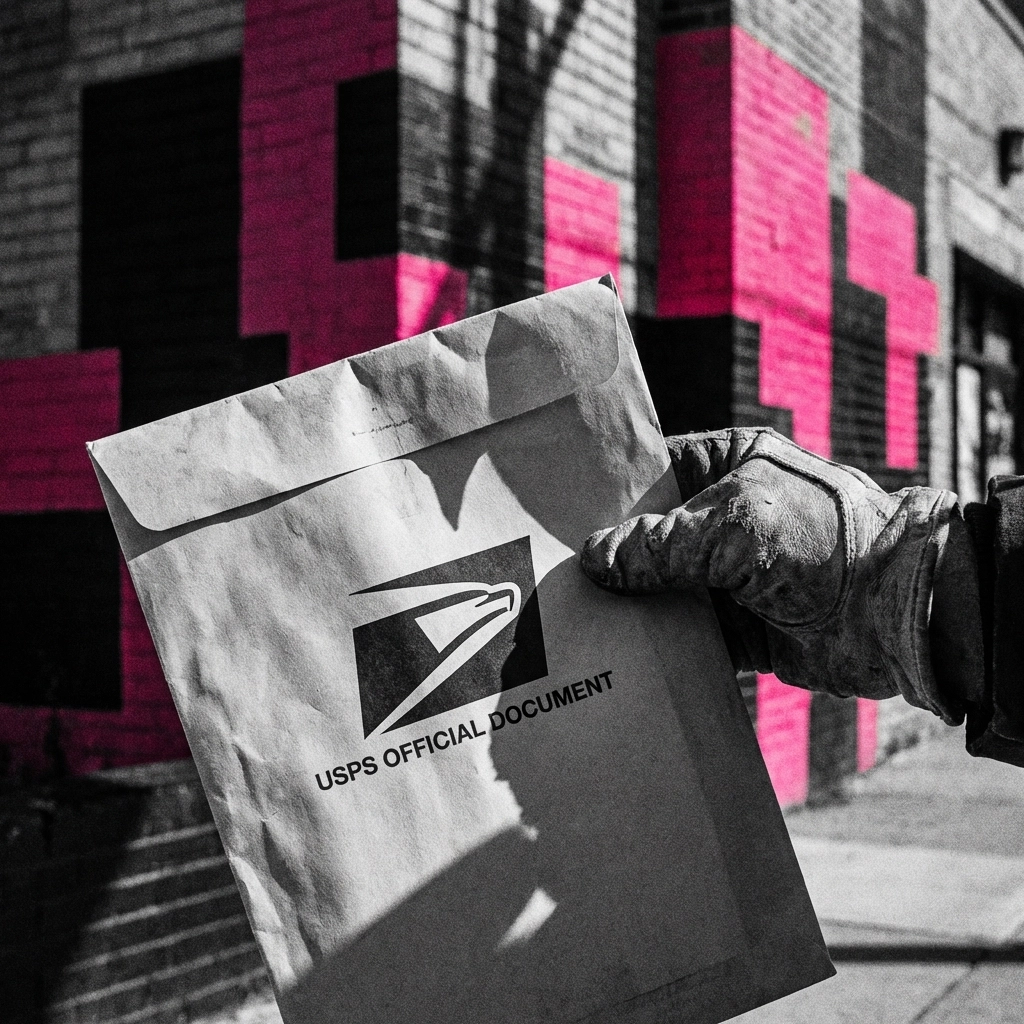
The USPS has issued : and repeatedly referenced : something called an "Essential Service Provider" letter. It's basically a piece of official documentation that postal workers and contractors can carry during emergencies.
The purpose? Super straightforward and honestly kind of boring:
During curfews : so workers can prove they're allowed to be out
During travel restrictions : so they don't get stopped and questioned for hours
During shelter-in-place orders : so mail delivery can continue
During civil unrest or natural disasters : so essential services keep running
In other words, it's less "martial law is coming" and more "if you get stopped at a checkpoint, here's your paperwork so you're not stuck explaining your job to law enforcement for two hours."
That's it. That's the letter.
Why Is This Going Viral Again in 2026?
Great question. And the answer is actually pretty predictable once you understand how viral content works.
The letter contains certain words that hit different when you're already anxious about the state of the world. Words like:
"Civil unrest"
"Epidemics"
"Travel restrictions"
"Emergency operations"
When people see these terms in an official government document, their brains go straight to worst-case scenarios. And listen : given everything we've been through collectively? That reaction makes sense. We've lived through a whole pandemic, seen cities with actual curfews, and watched essential workers navigate real chaos.
But here's what matters: USPS has publicly discussed these letters going all the way back to 2020. During COVID, cities had curfews, travel restrictions existed in certain areas, and essential workers needed documentation to move around without getting jammed up.
That historical context is everything. The same language that sounds terrifying in a viral screenshot is exactly the kind of language you'd use in official guidance meant to cover multiple possible scenarios. It's not predictive : it's precautionary.
What This Letter Does NOT Prove
Let's get specific here, because clarity is key when misinformation is running wild.
The existence of an "essential service" letter does NOT prove:
❌ The government knows a crisis is coming
❌ There will be immediate civil unrest
❌ A new lockdown is around the corner
❌ There's an "impending" national emergency
❌ Something catastrophic is being hidden from you
What it DOES prove:
✅ USPS plans for continuity of operations
✅ Federal agencies prepare for multiple scenarios
✅ Essential workers need documentation during emergencies
✅ This is literally their job
That's it. No conspiracy. No hidden message. Just operational planning from an agency that's been delivering mail through wars, pandemics, natural disasters, and everything in between since 1775.
How Misinformation Grows Legs (And Runs a Marathon)
This whole situation is actually a perfect case study in how panic content spreads online. And if you're someone who wants to stay informed without getting played, understanding this process is crucial.
Here's how it works:
And the worst part? People start connecting dots that aren't connected. Suddenly a routine operations letter becomes evidence of a conspiracy screenplay, and everyone's in the comments adding their own theories.
This is how misinformation mechanics work. Real documents get stripped of context, dressed up in fear, and served to an audience that's already primed to expect the worst.
The Real Questions You Should Be Asking
Instead of "what do they know?" : here are some questions that'll actually serve you:
When was this letter created? Most versions circulating have been around since 2020 or earlier. If someone's posting it like it's breaking news, that's a red flag.
Who's sharing it and why? Is this coming from a verified source? A news outlet? Or is it a random account with no accountability? Consider the source.
What's the context? Is there any explanation of what the letter actually is? Or just vibes and panic?
What do official sources say? USPS has publicly addressed this guidance multiple times. A quick search can verify what's real.
Am I being encouraged to panic or to understand? Content designed to inform will give you context. Content designed to manipulate will give you fear.

How to Protect Yourself From Panic Content
Look, we're living in an era where information moves faster than verification. And that means you've got to be your own fact-checker sometimes. Here's how to stay empowered:
Pause before you share. That two-second delay can be the difference between spreading truth and spreading fear.
Look for primary sources. If someone's making claims about a government document, find the actual document. Read it yourself.
Check the date. Old news presented as new is a classic misinformation tactic.
Consider the emotional manipulation. Is this content trying to help you understand, or is it trying to scare you into engagement?
Trust your community, but verify. Even well-meaning people can spread bad information accidentally.
You're not alone in feeling overwhelmed by all of this. The information landscape is genuinely exhausting, and it's okay to feel fatigued. But staying informed doesn't mean staying panicked : it means staying curious and critical.
The Bottom Line
If you want to report on or share information about this responsibly, the headline isn't "What do they know?"
The headline is: "This letter has existed for years : here's why it exists, and why it's being used for panic content again."
The USPS essential service letter is real. It's legitimate. And it's been around for years as standard operational guidance for emergencies.
What's NOT real is the narrative that it's some kind of secret warning about imminent disaster. That's the twist. That's what's being manipulated.
So next time you see this pop up on your timeline : and you will, because this cycle repeats every few years : you'll know exactly what you're looking at. And you can be the person in the comments dropping knowledge instead of adding to the chaos.
Stay informed. Stay empowered. And don't let fear content run your feed.
Want to keep the conversation going? Join us in the Breaking News Network discussion where we break down trending stories and separate fact from fiction together.
Comments