Wellness Warriors: How Urban Support Groups Empower People with Chronic Conditions
- Shalena
- Dec 20, 2025
- 5 min read

Here's the tea: living with a chronic condition in the city can feel isolating AF, especially when you're surrounded by millions of people but still feel like nobody gets what you're going through. If you're dealing with lupus, fibromyalgia, or any other chronic condition, you're definitely not alone: and urban support groups are proving to be absolute game-changers for people just like you.
Let's be real: chronic illness doesn't care about your hustle, your dreams, or your packed city schedule. But what if I told you that some of the most powerful healing is happening in community centers, libraries, and virtual spaces right in your neighborhood? Urban support groups are creating wellness warriors out of everyday people, and it's time we talked about how they're literally changing lives.
The Real Talk About Chronic Illness in Cities
Before we dive into solutions, let's acknowledge what's actually happening out here. Research shows that people with chronic conditions are twice as likely to experience depression and anxiety. When you add the stress of city living: expensive healthcare, long commutes, work pressures: it's no wonder so many of us feel overwhelmed.
But here's what's beautiful about urban environments: they're also hubs of diversity, innovation, and community connection. Cities bring together people from all backgrounds who share similar struggles, creating the perfect foundation for peer support networks that actually understand your lived experience.
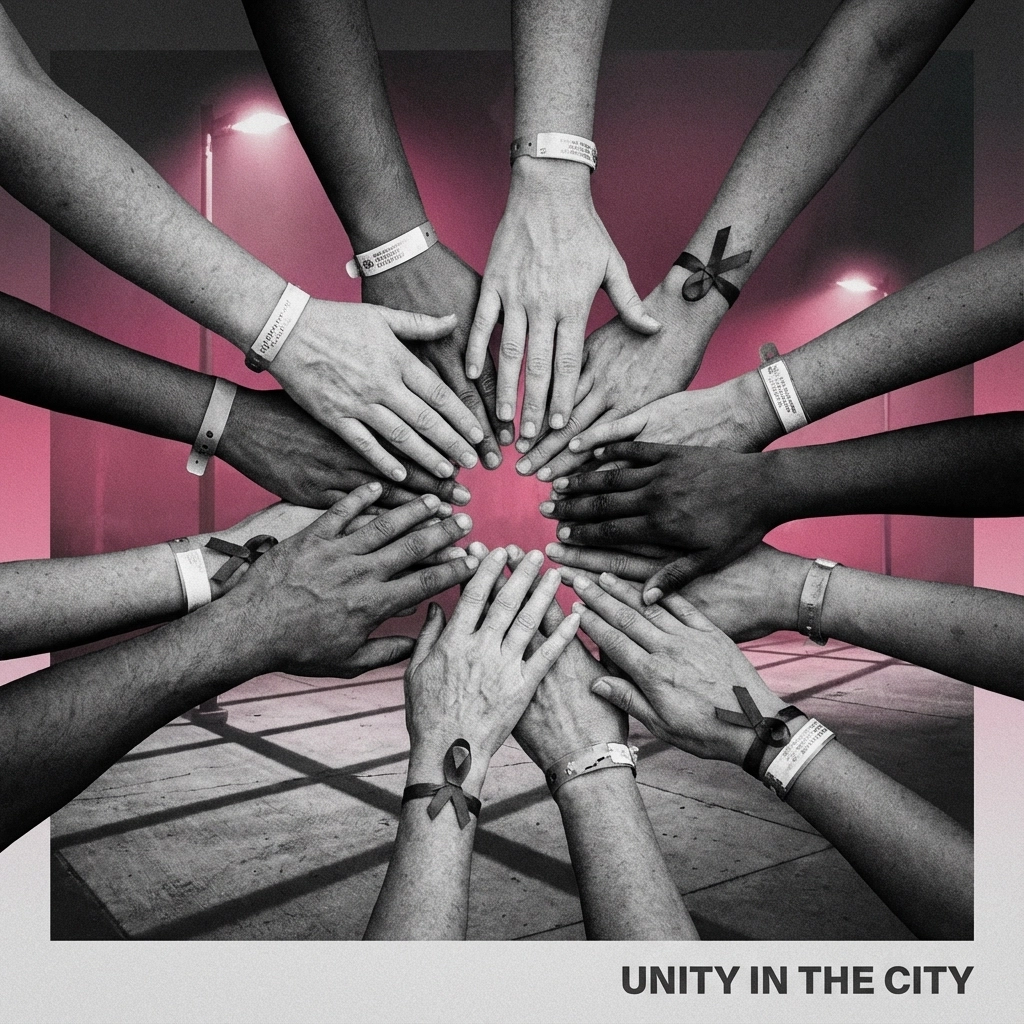
How Support Groups Transform Isolation Into Connection
You know that feeling when you're explaining your condition to someone and they just don't get it? Maybe they say something like "but you don't look sick" or "have you tried yoga?" (eye roll). Support groups eliminate that exhausting dynamic because everyone in the room has been there.
When Marcus from Brooklyn first joined a lupus support group in his neighborhood, he thought it would just be people sitting around complaining. Instead, he found a room full of people who knew exactly what it meant to cancel plans because of a flare, who understood the emotional rollercoaster of dealing with invisible illness, and who had practical tips he'd never heard from any doctor.
This peer connection creates what researchers call "normalization": suddenly, your struggles aren't unique character flaws, they're common experiences shared by a whole community of people who are not only surviving but thriving.
The Mind-Body Connection Gets Real Support
Let's keep it 100: chronic illness messes with your mental health, and mental health impacts your physical symptoms. It's like a cycle that can feel impossible to break on your own. Urban support groups tackle this head-on by addressing both the emotional and practical sides of living with chronic conditions.
Professional-led groups often include psychoeducation, basically learning about how your mind and body are connected and getting tools to manage both. But the peer-to-peer learning might be even more valuable. When someone shares how they manage fibromyalgia flares during busy work weeks, or how they've learned to communicate their lupus needs to their partner, that's knowledge you can't get from a textbook.
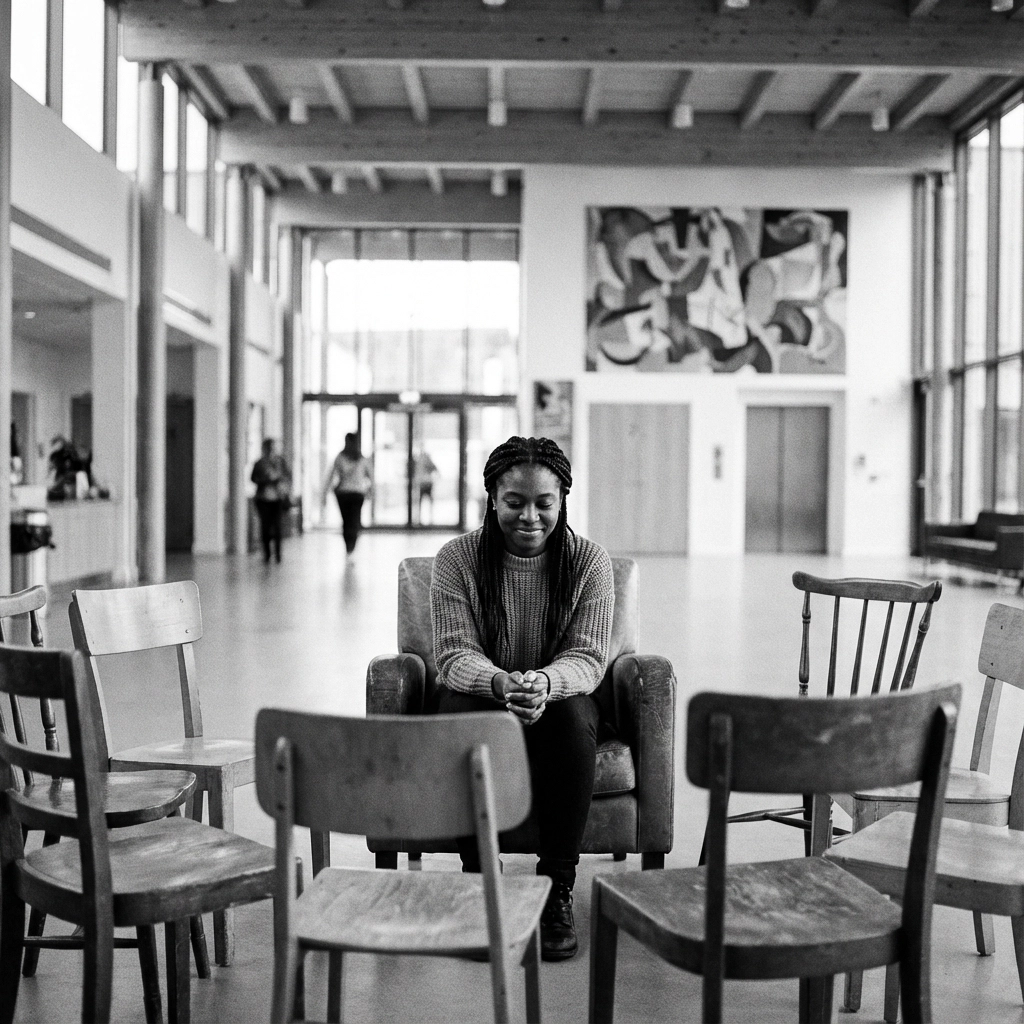
Breaking Down Barriers With Accessibility and Inclusion
One of the most empowering things about modern urban support groups? They're finally getting accessibility right. Many groups now meet virtually, which means you can participate even when your chronic condition makes leaving home challenging. No more choosing between managing your symptoms and getting support.
Cities are also leading the way in creating specialized groups that acknowledge intersectionality. Groups specifically for BIPOC folks with chronic illness recognize that dealing with health conditions while navigating systemic racism creates unique challenges. LGBTQIA+ chronic illness groups provide safe spaces where people don't have to explain both their identity and their health condition.
For people managing conditions like lupus and fibromyalgia, which disproportionately affect women and people of color, these targeted support spaces can be life-changing. Finally, a place where your whole experience is understood and validated.
From Problem-Focused to Solution-Oriented
Here's where urban support groups really shine: they don't just let you vent (though that's important too), they help you build actual strategies for better living. Sessions often include problem-solving therapy where the group tackles real challenges together.
Need help navigating your city's public transit system during flare-ups? Someone in your group has figured it out. Struggling to explain your condition to your employer? Others have been there and can share what worked (and what definitely didn't). Looking for chronic illness-friendly workout routines that work in a small city apartment? Your support group has got you covered.

This practical support transforms how people see themselves. Instead of feeling like victims of their conditions, group members become active problem-solvers who happen to have chronic illnesses.
Building Your Wellness Warrior Toolkit
Urban support groups empower people by helping them build comprehensive toolkits for managing their conditions. This includes everything from medication management tips to stress reduction techniques that actually work in fast-paced city environments.
Many groups incorporate mindfulness and movement practices adapted for different ability levels. They share resources for finding affordable healthy food options in urban food deserts. They exchange information about which specialists actually listen to patients and which insurance plans provide the best coverage.
The toolkit isn't just practical: it's also emotional. Group members learn to advocate for themselves in medical settings, set boundaries with friends and family, and develop self-compassion practices for difficult days.
The Ripple Effect: Creating Community Change
When individuals get empowered through support groups, the benefits ripple out into the broader community. Group members often become advocates for better healthcare access, workplace accommodations, and public awareness about invisible disabilities.
Cities with strong chronic illness support networks tend to develop better resources for people with disabilities. Restaurants become more aware of dietary restrictions, employers learn about flexible work arrangements, and healthcare systems start paying attention to patient experience.
Support group members also become informal mentors and resources for others in their networks who might be struggling with chronic conditions. The empowerment they gain gets shared, creating expanding circles of support and understanding.

Finding Your Urban Support Tribe
Ready to connect with your local wellness warrior community? Start by checking with your healthcare providers: many hospitals and clinics host or can recommend support groups. Community centers, libraries, and religious organizations often host groups or know where to find them.
Online platforms have also revolutionized access to support. You can find virtual groups that meet at times that work with your schedule and energy levels. Many national organizations for specific conditions (like the Lupus Foundation of America or the National Fibromyalgia Association) maintain directories of local support groups.
Don't be discouraged if the first group you try isn't the right fit: different groups have different personalities and focuses. Some are more social, others more educational, and some focus heavily on advocacy. Keep looking until you find your people.
Your health and wellness journey doesn't have to be a solo mission. Urban support groups are proving every day that when people with chronic conditions come together, incredible empowerment and healing become possible.
The city that might have felt overwhelming and isolating can become your source of strength, community, and practical support. You're not just surviving your chronic condition: you're becoming a wellness warrior, and your urban tribe is waiting to welcome you home.
Comments