Why Everyone Is Talking About Celebrity Mental Health Disclosures (And You Should Too)
Let's be real , mental health conversations used to be the thing nobody wanted to bring up at the cookout. You were supposed to "pray about it," "stay strong," or just push through. But here's the tea: something shifted. And a lot of that shift started when celebrities , the people we watch, stream, and stan , started saying out loud what many of us were feeling in silence.
If you've been paying attention to pop culture news lately, you've probably noticed more and more celebrities opening up about anxiety, depression, trauma, and therapy. And this isn't just celebrity news updates for the timeline , it's a cultural movement that's changing how we talk about mental health in urban communities and beyond.
So why does it matter when your favorite artist or athlete says they're struggling? Let's break it down.
The Moment Everything Changed
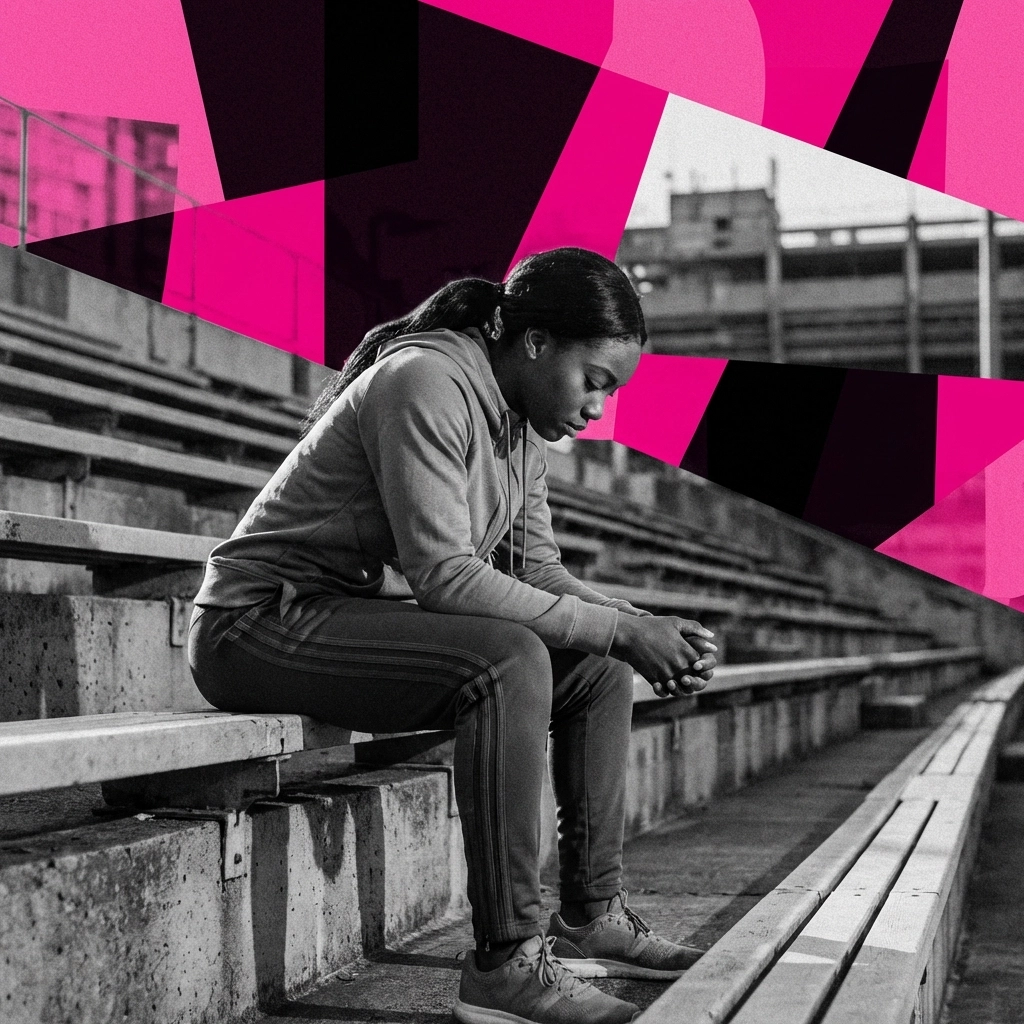
Remember when Simone Biles withdrew from Olympic competition in 2021? The whole world was watching. She wasn't injured , at least not in the way people expected. She stepped back to protect her mental health, and the response was... complicated.
Some people called her brave. Others called her weak. But here's what actually happened: she started a conversation that millions of people needed to have.
Around the same time, Naomi Osaka stepped away from tennis tournaments, publicly stating that her mental well-being had to come first. These weren't small moments , they were cultural earthquakes. Two Black women, at the top of their fields, saying "I'm not okay" on a global stage.
And that changed things.
Why Celebrity Disclosures Actually Matter
You might be thinking: "Okay, but these are rich, famous people. What does their struggle have to do with mine?"
Fair question. Here's the honest answer: representation matters , even in mental health.
When someone like Dwayne "The Rock" Johnson talks about battling depression, or Selena Gomez opens up about anxiety and bipolar disorder, or Lil Wayne shares his history with suicidal thoughts , it sends a message. A loud one.
That message is: You're not broken. You're human.
Research backs this up too. A 2020 study found that celebrity self-disclosure of mental illness has a positive effect on how the public views mental health conditions. People start seeing these struggles as legitimate medical issues , not personal failures or signs of weakness.
And in urban communities, where mental health stigma often runs deep, that shift in perception is everything.
Breaking Stigma in Communities That Needed It Most
Let's talk about mental health in urban communities specifically , because that's where a lot of this stigma has roots.
For generations, many Black and Brown families were taught to handle things internally. "We don't air our business." "Therapy is for white people." "Just give it to God." Sound familiar?
These weren't bad intentions , they were survival mechanisms. But they also created silence around struggles that deserve support.
When celebrities from similar backgrounds speak up, it cracks that silence open. It gives people permission to say: "If they can talk about it, maybe I can too."
Kerry Washington has spoken openly about therapy. Kid Cudi checked himself into rehab for depression and suicidal urges , and posted about it publicly. Taraji P. Henson launched the Boris Lawrence Henson Foundation specifically to address mental health in the Black community.
This isn't just entertainment news urban blogs should cover , it's a cultural reckoning.

The Ripple Effect: More People Are Seeking Help
Here's something powerful: when celebrities disclose mental health struggles, more people actually reach out for support.
After Robin Williams passed away, calls to the National Suicide Prevention Lifeline tripled. That's not a coincidence , it's proof that visibility saves lives.
When Lady Gaga talks about PTSD, or Adele shares her experience with postpartum depression, or Kendrick Lamar raps about survivor's guilt and therapy , people listening feel seen. And feeling seen is often the first step toward getting help.
If you've been sitting on the fence about therapy, or wondering if what you're feeling is "serious enough" to talk to someone about , let this be your sign. It is. You are.
What Celebrities Get Right (And What We Can Learn)
Not every celebrity disclosure is perfect. Some feel performative. Some get lost in the PR machine. But the ones that land? They share a few things in common:
And here's what you can take from that: your story matters too. You don't need a platform of millions to make an impact. Sometimes just telling one person , a friend, a family member, a coworker , that you're going through something can start a ripple effect in your own circle.
How to Keep the Conversation Going
Okay, so celebrities are talking. The culture is shifting. But what do you do with that energy?
Here are a few ways to keep this momentum going in your own life:
1. Check in on your people : for real. Not the "you good?" that expects a "yeah" back. The real check-in. The "I've got time if you need to talk" kind.
2. Normalize therapy in your circle. Talk about it like you'd talk about going to the gym or the dentist. It's maintenance, not a last resort.
3. Consume mental health content intentionally. Follow accounts that educate and empower. Unfollow the ones that drain you. Your feed is part of your mental diet.
4. Support Black and Brown mental health initiatives. Organizations like the Boris Lawrence Henson Foundation, Therapy for Black Girls, and Latinx Therapy are doing the work. Amplify them.
5. Give yourself grace. You don't have to have it all together. Healing isn't linear. Some days you're thriving, some days you're surviving : and both are valid.
The Bigger Picture
Celebrity mental health disclosures aren't just gossip fodder or trending topics. They're cultural markers : signs that we're moving toward a world where asking for help isn't shameful, it's smart.
And for those of us in urban communities, where mental health has historically been swept under the rug, this shift is long overdue.
So the next time you see a headline about a celebrity opening up about their mental health, don't scroll past. Pay attention. Because that story might be the thing that helps someone you know : or even you : take the first step toward healing.
You're not alone in this. And you never were.
Want more content that keeps it real about culture, wellness, and everything in between? Explore more on Shalena Speaks and join the conversation.


Comments