Ancestral Roots: Connecting with Spirit Through African Traditions
- Feb 17
- 6 min read
Here's the tea: While you're out here navigating the concrete jungle, building your empire, and trying to find WiFi that doesn't lag, there's a spiritual connection that's been calling your name, literally. Your ancestors. And before you scroll past thinking this is some woo-woo content, let's be real: the resurgence of African spiritual traditions in urban spaces isn't a trend. It's a homecoming.
For Black folks and people of African descent living in cities worldwide, there's been a growing movement toward reconnecting with ancestral practices that got lost in the diaspora shuffle. We're talking about spiritual traditions that predate colonization, survived the Middle Passage, and are now finding their way back into studio apartments, co-working spaces, and the lives of people who are tired of feeling spiritually disconnected.
The Roots We Almost Forgot
You know that feeling when you walk into your grandmother's house and just feel... different? Safer? More yourself? That's ancestral energy, bestie. In African traditional spirituality, ancestors aren't just people who passed away, they're active participants in your life. They're in the spiritual realm but still very much invested in what's happening down here.
According to African cosmology, your ancestors maintain a spiritual connection with you and can offer guidance, protection, and even a gentle nudge (or a hard push) when you're moving in the wrong direction. They're basically your original ride-or-dies, watching from the other side and making sure you don't fumble the family legacy.

But here's where it gets real: for generations, many of us were disconnected from these practices. Slavery, colonization, forced conversion, all of that created a spiritual gap. We were told our ancestors' ways were "primitive" or "demonic," when really, they were profound systems of connection, healing, and community that sustained entire civilizations.
Now? We're reclaiming what's ours.
Why Urban Folks Are Turning to Ancestral Practices
Let's talk about why this matters specifically for people living in cities. Urban life can be isolating, chaotic, and loud, but not in a way that feels like community. You can be surrounded by millions of people and still feel spiritually alone. The hustle culture, the constant grind, the pressure to perform, it all takes a toll.
African ancestral practices offer something different: belonging. When you connect with your ancestors, you're tapping into a lineage that goes back centuries. You're not just a random person trying to make rent in a one-bedroom, you're part of a story that's bigger than you. You're carrying forward the dreams of people who survived the unimaginable so you could exist.
This isn't about rejecting other faith traditions you might practice. African spirituality has always been inclusive and adaptive. You can honor your ancestors while going to church, attending mosque, or practicing Buddhism. It's not either-or; it's both-and.
How to Actually Connect (No, You Don't Need to Move to Ghana First)
Okay, so you're feeling this and want to start building that ancestral connection. Where do you even begin? Good news: you don't need a passport or a PhD in African studies. You just need intention, respect, and a willingness to learn.
Start by Calling Their Names
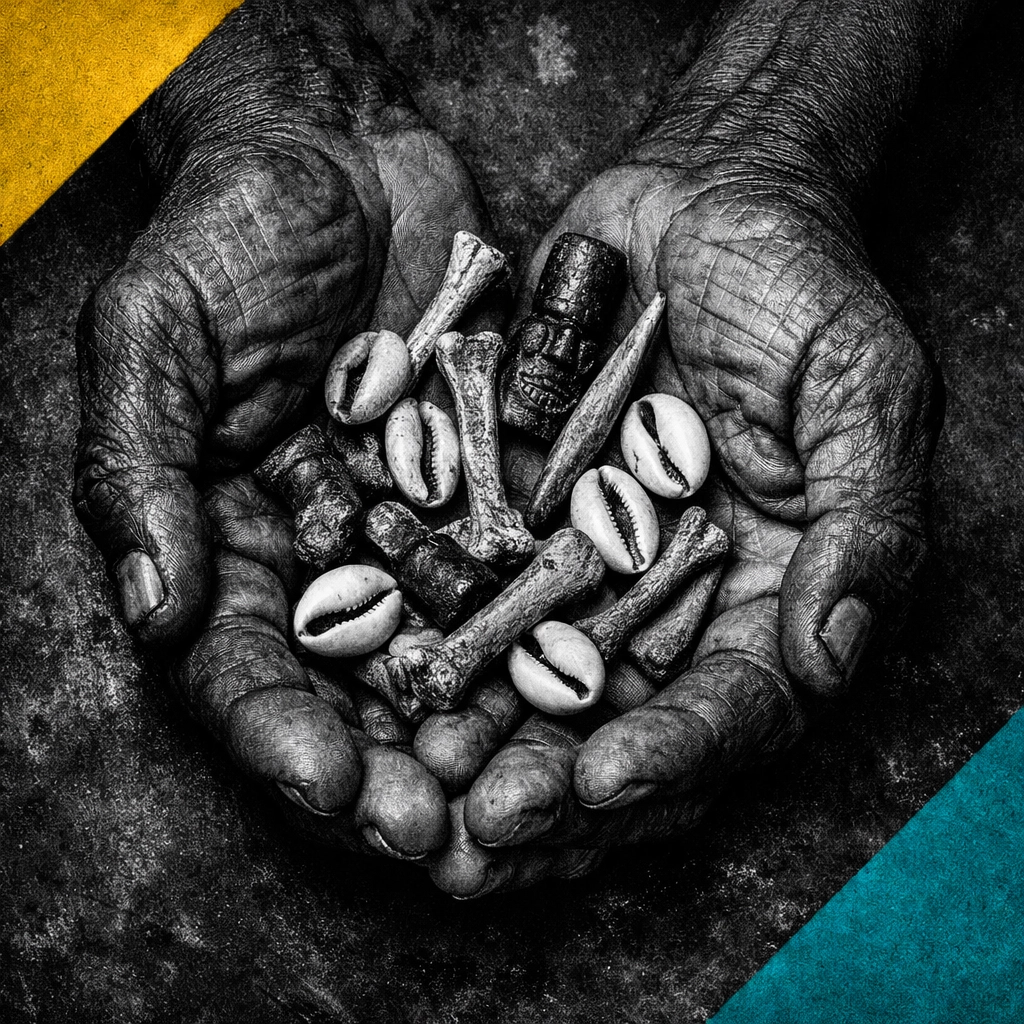
In many African traditions, speaking an ancestor's name keeps their spirit alive and present. Before any ritual, ceremony, or even just a quiet moment of reflection, say their names out loud. Even if you don't know all of them, call the ones you do know. "Grandma Sarah, Great-Grandpa James, those whose names were lost but whose blood runs in my veins."
Create a Sacred Space
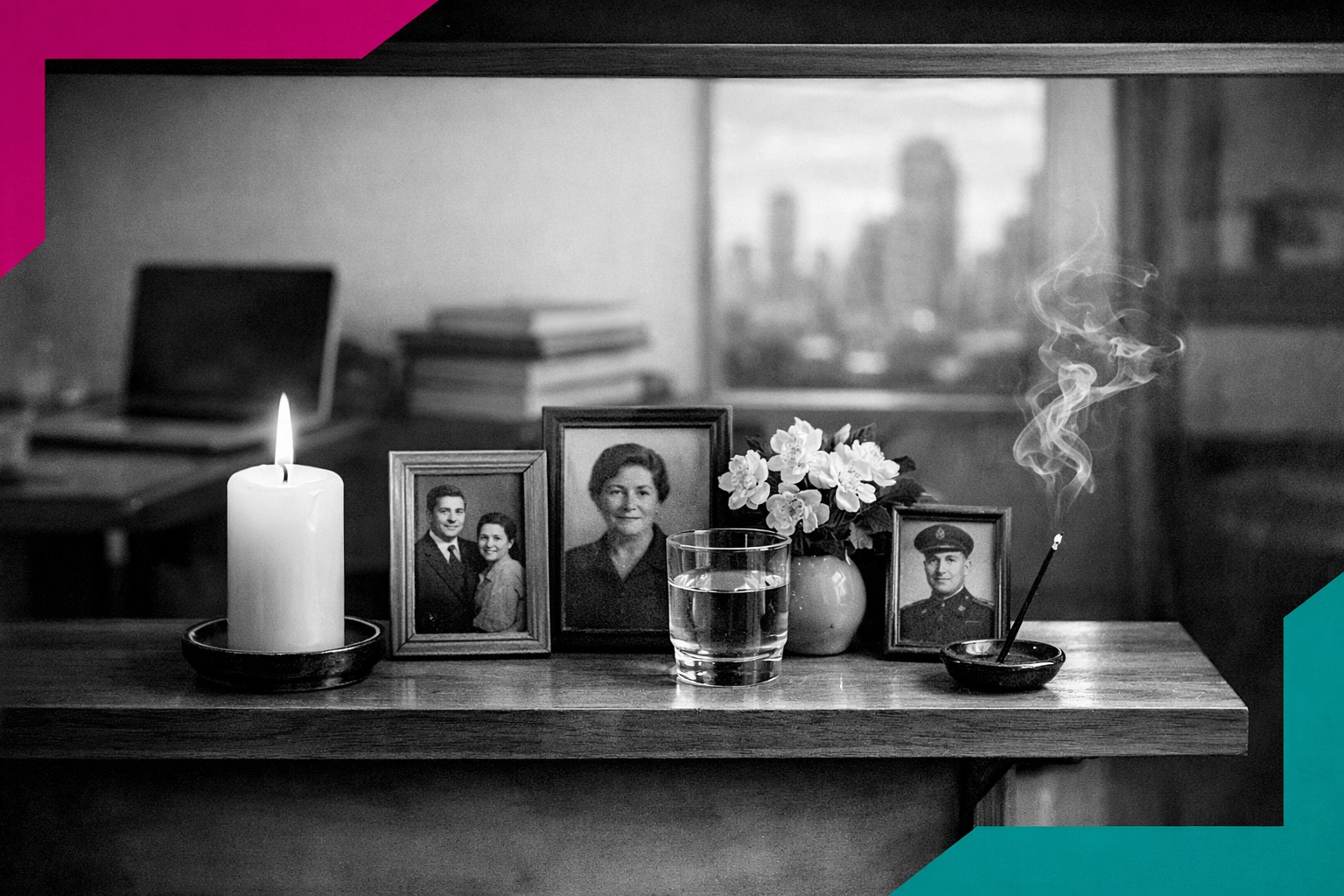
You don't need an elaborate setup. A small corner of your apartment can become an ancestral altar. Add photos of deceased relatives, a white candle (representing purity and spiritual light), fresh water (symbolizing life), and maybe some flowers or items that remind you of your people. Keep it clean and visit it regularly. Your ancestors aren't asking for perfection: they're asking for presence.
Make Offerings
In African tradition, offerings are how we show respect and maintain the relationship with our ancestors. This could be as simple as pouring libations (water, coffee, or alcohol depending on your family's preferences) while speaking to them. Cook their favorite meal and set aside a small plate before you eat. Light incense or burn herbs like sage or sweetgrass. The act matters more than the extravagance.
Learn Divination Practices
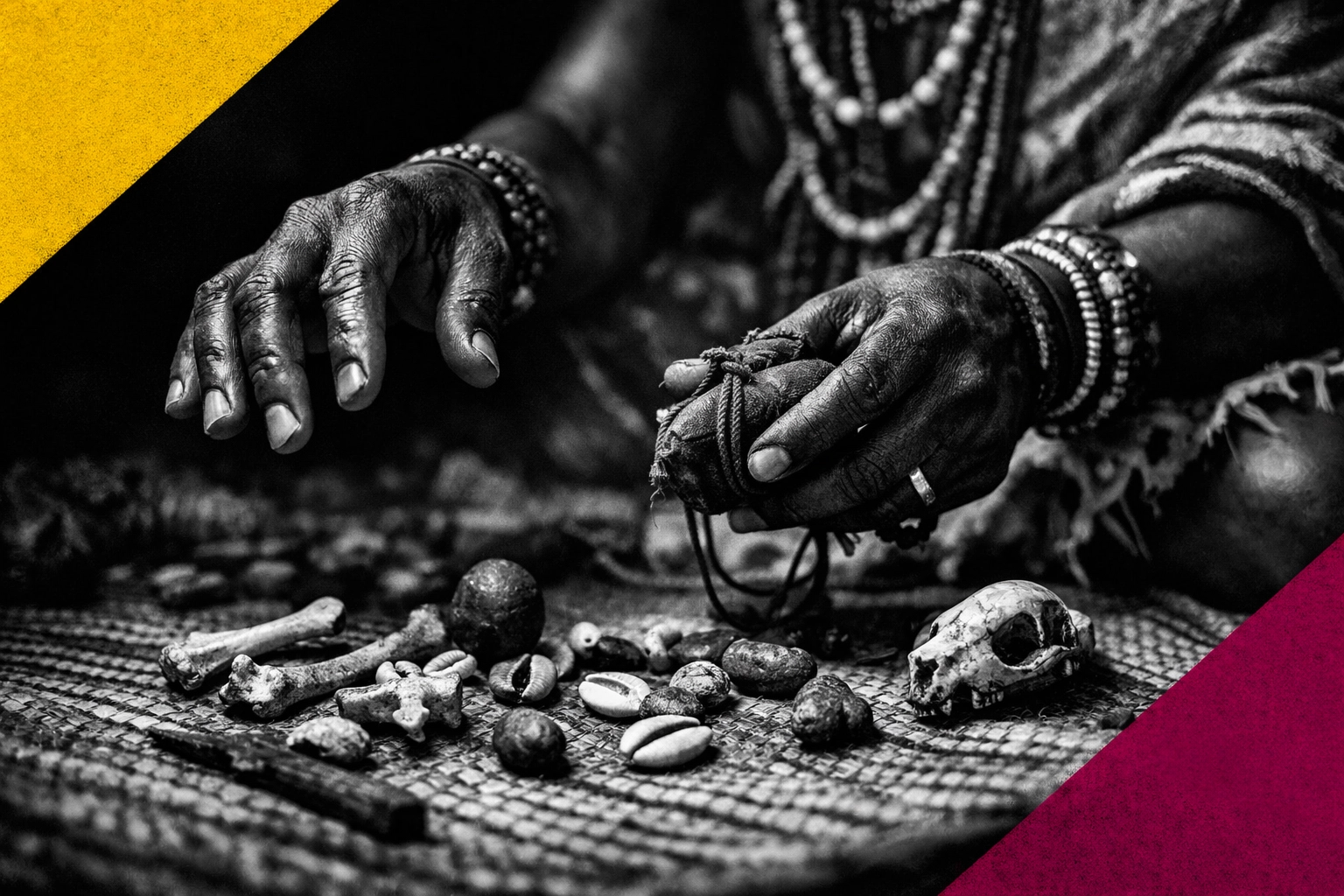
Traditional African healers use divination: like "throwing the bones": to receive messages from ancestors. While you might not be ready to become a sangoma (traditional healer), you can explore simpler practices like using oracle cards, pendulums, or meditation to quiet your mind and listen for ancestral guidance. The key is creating space to receive what they're trying to tell you.
Honor Through Action
Your ancestors didn't survive what they survived so you could play small. One of the most powerful ways to honor them is by living boldly. Break generational curses. Build generational wealth. Heal generational trauma. Get that degree they never could. Start that business. Love loudly. Every time you level up, you're honoring everyone who came before you.
The Role of Traditional Healers and Spiritual Guides
Let's talk about the people who hold this knowledge: the traditional spiritual practitioners. Called sangomas among the Zulu people and various names across different ethnic groups, these healers serve as bridges between the living and the ancestral realm. They're called to this work by ancestors themselves, undergo rigorous training, and use a combination of herbal medicine, divination, and spiritual knowledge to help people heal.
If you're feeling a deep pull toward ancestral work, it might be worth seeking out a reputable traditional healer or spiritual guide who can help you navigate this path. But be careful: just like any spiritual practice, there are people who claim to have knowledge they don't possess. Look for practitioners who come recommended by community members, who operate with integrity, and who don't make wild promises about what they can do for you.
When Ancestors Get Your Attention
Here's something they don't always tell you: ancestors will get your attention when you're off track. In African belief systems, if you neglect your spiritual obligations or stray from your purpose, ancestors might cause minor illnesses, recurring problems, or a general sense of things being "off." It's not punishment: it's a wake-up call.
That persistent headache that won't go away despite seeing doctors? That string of bad luck that seems to follow you? That feeling of being stuck no matter what you try? Sometimes (not always, but sometimes) these are spiritual indicators that you need to check in with your roots and realign with your purpose.
The Power of This Connection in Modern Life
So what actually changes when you build this ancestral relationship? Everything and nothing, all at once. Your external circumstances might not transform overnight, but your internal landscape shifts dramatically. You move through the world differently when you know you're not alone. When you understand that your struggles are not just yours: they're part of a larger healing process for your entire lineage.
You make decisions differently when you're considering seven generations back and seven generations forward. That job that pays well but kills your spirit? Your ancestors might be whispering for you to walk away. That relationship that looks good on paper but feels empty? They see what you can't always see.
This connection also provides resilience. Urban life will test you: the microaggressions, the financial pressure, the constant need to prove yourself in spaces that weren't built for you. But when you know you carry the strength of people who survived the Middle Passage, who built communities with nothing, who resisted and persisted: that changes how you face your own battles.
Moving Forward Without Moving Back
Connecting with African ancestral traditions doesn't mean rejecting modernity or living in the past. It means bringing ancient wisdom into your present reality. It means having an ancestor altar in the same apartment where you charge your iPhone and stream Netflix. It means pouring libations before heading to your corporate job. It means being both/and instead of either/or.
The urban diaspora is creating something new: a synthesis of old ways and new expressions. We're lighting candles for ancestors while building tech startups. We're learning our mother tongues while code-switching in professional spaces. We're honoring our roots while reaching for new heights.
Your ancestors didn't make it through everything they made it through so you could be spiritually homeless. They're here. They're waiting. They're calling you home: not to a physical place, but to a spiritual connection that transcends geography, time, and circumstance.

So whether you're in a Brooklyn brownstone, a Chicago high-rise, an Atlanta loft, or anywhere else in this big, complicated world: know that you can build that bridge. Start small. Light a candle. Say their names. Pour some water. Listen.
Your ancestors are your original tribe. And trust, they've been waiting for you to pick up the phone.
Ready to go deeper? Join the conversation in The Conversation Corner and share your ancestral connection journey with the Shalena Speaks community.


Comments