Chronic Illness and Urban Life: Navigating Healthcare, Transportation, and Support Systems
- Shalena
- 2 days ago
- 6 min read

Let's be real about something that doesn't get talked about enough: living with chronic illness in the city isn't just about managing your condition, it's about surviving an entire urban ecosystem that wasn't designed with your health needs in mind. If you're dealing with lupus, fibromyalgia, diabetes, or any other chronic condition while trying to hustle in the concrete jungle, you already know the struggle is layered.
Here's the tea: cities promise better healthcare access, but the reality hits different when you're actually living it. You might be blocks away from a world-class hospital, but that doesn't mean much when you can't afford the copay, can't find parking, or the waiting room is packed tighter than a subway car during rush hour.
The Urban Chronic Illness Reality Check
Cities create this weird health paradox that's affecting millions of us. Research shows there's a direct relationship between urban living and higher rates of diabetes, high blood pressure, and other chronic conditions. But here's what's wild, it's not just about genetics or bad luck. The city itself becomes part of the problem.
Think about it: you're surrounded by processed food joints on every corner, breathing in pollution from constant traffic, dealing with noise that never stops, and living in spaces that might not have enough natural light or ventilation. Add work stress, financial pressure, and social isolation to the mix, and your body starts keeping score in ways that show up as chronic illness.

The mental health piece hits especially hard in urban environments. High population density areas see elevated rates of anxiety, depression, and PTSD, and when you're already managing a chronic condition, that psychological stress becomes another layer affecting your physical health. Your stress response system gets overwhelmed, leading to inflammation that can worsen everything from autoimmune conditions to heart disease.
Healthcare Navigation: The Urban Maze
You'd think living in a city with dozens of hospitals and clinics would make healthcare easier to access. Plot twist: it doesn't always work that way. Yes, the facilities are there, but actually getting quality care when you need it? That's where things get complicated.
Traffic congestion alone can turn a 10-minute drive to your doctor into an hour-long ordeal. When you're having a flare-up or dealing with fatigue, that extra travel time isn't just inconvenient, it can be the difference between getting help and suffering at home. And don't even get me started on trying to find parking near medical facilities in busy urban areas.
Financial barriers hit different in cities too. Everything costs more, from rent to groceries, which means less money left over for healthcare expenses. Even with insurance, copays, deductibles, and prescription costs can add up fast. Some folks end up choosing between paying for medication and paying rent, that shouldn't be a choice anyone has to make.
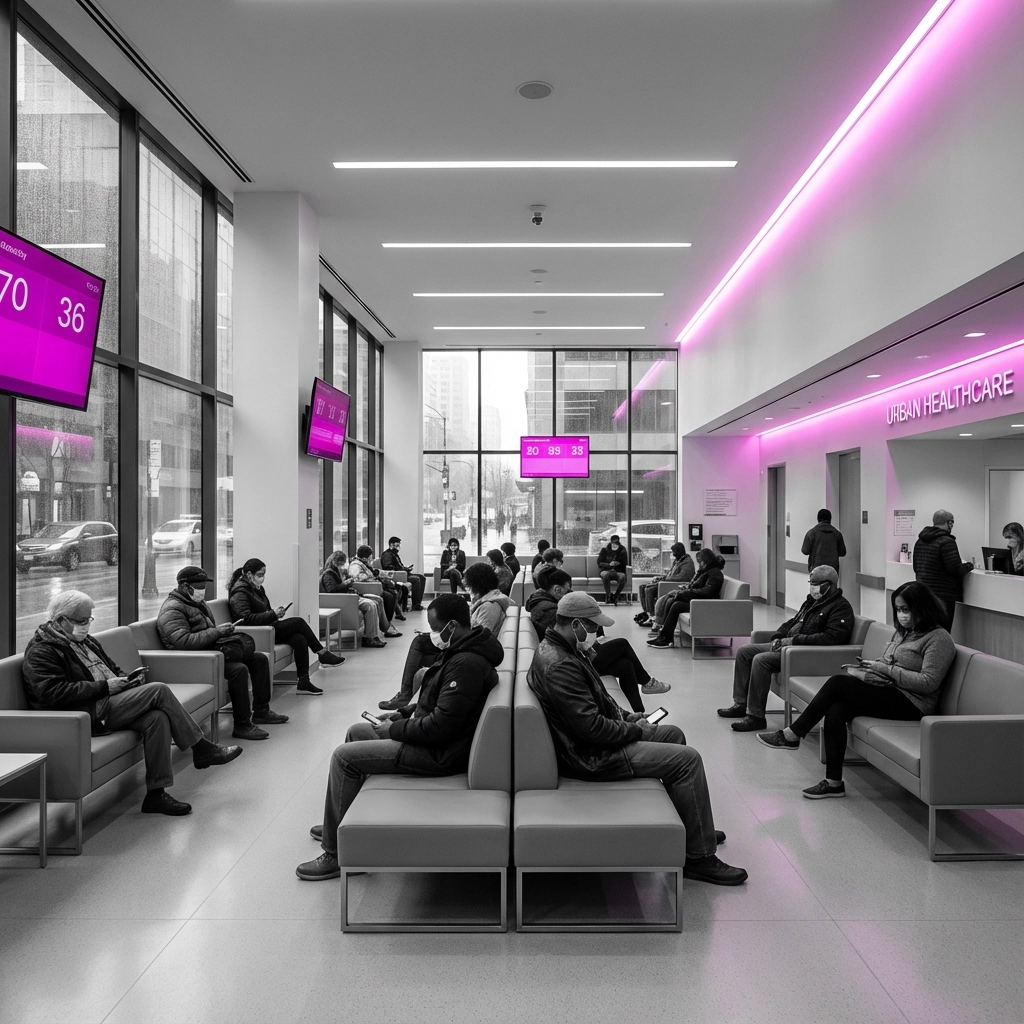
The overcrowded clinic situation is real. You might wait weeks for an appointment, then sit in a packed waiting room for hours, only to get 15 minutes with a doctor who's rushing to their next patient. When you're dealing with a complex chronic condition that requires careful monitoring and adjustments, that kind of rushed care isn't enough.
Transportation: Getting Around When Your Body Says No
Urban transportation systems weren't designed with chronic illness in mind, and that becomes obvious real quick when you're trying to navigate the city during a bad day. Public transit can be a blessing and a curse, it's often more affordable than owning a car, but it's also unpredictable, crowded, and sometimes inaccessible.
If you're dealing with mobility issues, fatigue, or pain flares, standing on a crowded bus or walking up subway stairs can feel impossible. The Americans with Disabilities Act made things better, but accessibility gaps still exist throughout urban transit systems. Elevators break down, accessible seating isn't always available, and sometimes the accessible entrance is blocks away from where you need to be.
Ride-sharing services filled some gaps, but they're expensive for regular use. When you're on a fixed income or dealing with reduced work capacity due to your condition, those $20-30 rides to medical appointments add up quickly. Some cities have medical transportation programs, but they often require advance booking and have limited availability.
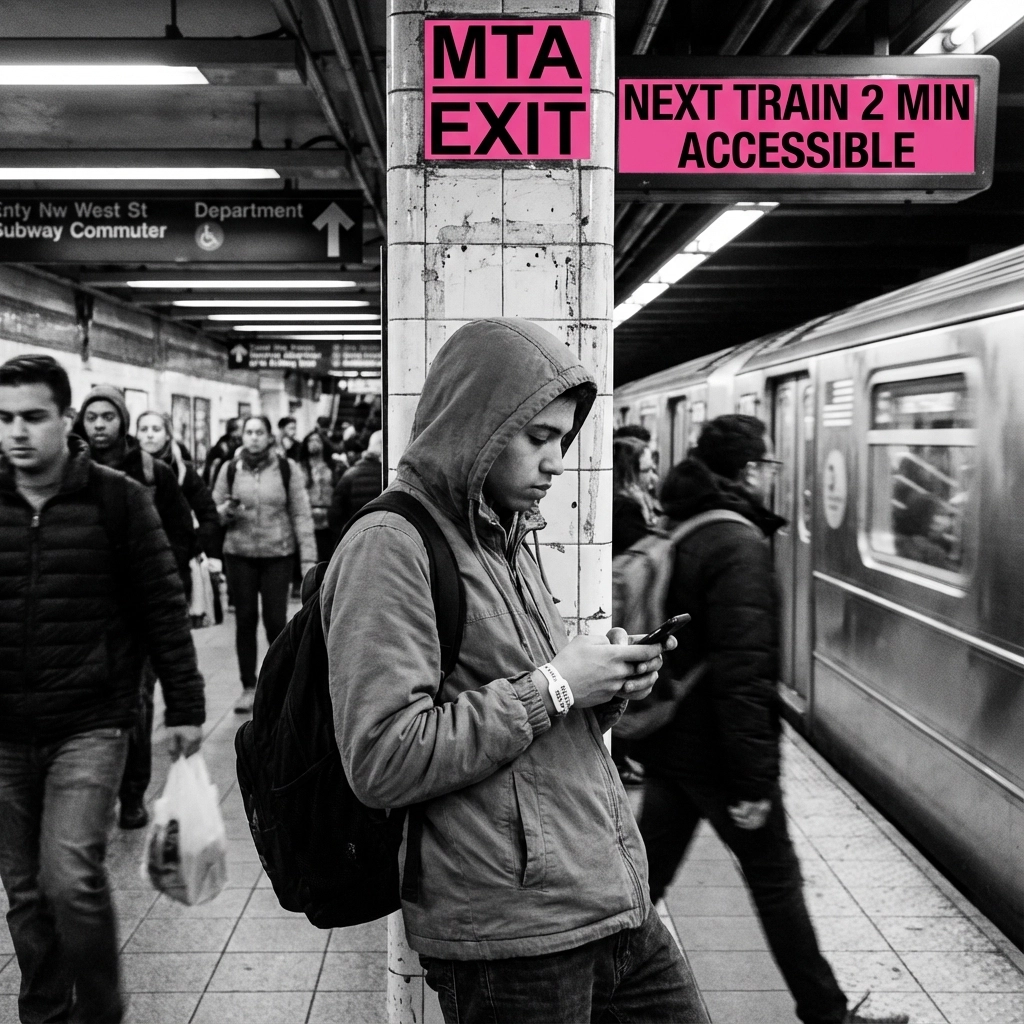
Walking, something healthy people take for granted, becomes strategic when you have a chronic condition. You start planning routes based on where you can sit and rest, which neighborhoods have better air quality, and how to avoid areas with too much noise or stimulation. The "15-minute city" concept sounds great until you realize 15 minutes might be your entire energy budget for the day.
Building Your Urban Support Network
Here's where the empowerment piece comes in: you're not powerless in this situation. Cities that seem overwhelming also offer unique opportunities to connect with others who understand exactly what you're going through. Urban areas typically have more support groups, specialist doctors, and resources specifically for chronic illness management.
Community health centers in many urban neighborhoods offer sliding-scale fees and culturally competent care. These facilities often understand the specific challenges faced by urban residents and work harder to provide accessible, affordable care. Don't sleep on federally qualified health centers (FQHCs), they're required to serve everyone regardless of insurance status or ability to pay.
Digital health tools are game-changers for urban chronic illness management. Telehealth appointments eliminate transportation barriers, online prescription refills save you trips to the pharmacy, and health apps help you track symptoms and communicate with your care team. Many urban healthcare systems now offer these services, especially after the pandemic pushed digital health forward.

The urban chronic illness community is strong and growing. Online forums connect you with locals dealing with similar conditions, while neighborhood Facebook groups share resources about which doctors accept certain insurance, which pharmacies offer the best prices, and which services have the shortest wait times. This peer-to-peer knowledge sharing is invaluable.
Practical Solutions That Actually Work
Let's talk about real strategies that can make urban life with chronic illness more manageable. First, map out your healthcare network geographically. Identify which facilities are accessible by public transit, which pharmacies are closest to your home and work, and which urgent care centers accept your insurance. Having this information ready prevents crisis-mode scrambling when you need care.
Batch your errands and appointments when possible. Group medical appointments in the same area on the same day to minimize travel. Use delivery services for groceries and medications when you're having bad days, yes, it costs more, but your health is worth the investment.
Take advantage of urban green spaces for mental and physical health support. Parks, community gardens, and waterfront areas provide free opportunities for gentle movement, fresh air, and stress relief. Many cities also offer adaptive recreation programs specifically designed for people with chronic conditions.

Connect with local organizations serving people with chronic illnesses. Many cities have condition-specific nonprofits that offer everything from transportation assistance to financial support for medication. The health and wellness resources available through community organizations can supplement your medical care significantly.
Looking Forward: Advocacy and Change
You have more power than you think to improve chronic illness experiences in your city. Attend city council meetings when health issues are being discussed. Share your story with local representatives about transportation barriers, healthcare access problems, and housing needs. Urban planning decisions affect health outcomes, and your voice matters in those conversations.
Support businesses and services that prioritize accessibility. When restaurants, shops, and entertainment venues accommodate people with chronic conditions, they're creating a more inclusive urban environment for everyone. Your choices as a consumer send messages about what kind of city you want to live in.
The urban chronic illness experience is challenging, but it's also full of opportunities for connection, advocacy, and empowerment. Cities bring together diverse communities of people who understand struggle and resilience. When we share resources, support each other, and demand better from our urban systems, we create the kind of city where chronic illness doesn't have to mean isolation or inadequate care.
Your condition doesn't define you, but your response to urban living challenges can inspire and help others facing similar struggles. The city might not have been designed with your needs in mind, but that doesn't mean you can't thrive there. With the right strategies, support network, and advocacy efforts, urban life with chronic illness becomes not just manageable, but meaningful.
For more resources and community support around health and wellness in urban environments, check out our mental health discussions and connect with others navigating similar challenges.
Comments