Side Hustle Secrets Revealed: What Gig Economy Experts Don't Want You to Know
- Shalena
- Dec 20, 2025
- 6 min read

Let's be real : the gig economy has been sold to you like a dream. "Work whenever you want!" "Be your own boss!" "Make money from your phone!"
But here's the tea: there's a whole other side to this hustle that the platforms and "gig gurus" don't want you to know about. Why? Because if you knew the real game, you'd approach it differently : and that might mean less money for them and more strategic success for you.
If you're tired of hearing the same recycled advice about "just download the app and start earning," this one's for you. We're about to break down the actual insider knowledge that can make or break your side hustle game in 2025.
Secret #1: The "Quick Cash" Trap is Real (And It's Designed to Keep You Broke)
Here's what they don't tell you: most gig platforms are designed for quick cash, not wealth building. That $50 you made delivering food last night? It feels good in the moment, but it's also keeping you in a cycle where you trade time for dollars with zero growth potential.
The platforms love this because you become dependent on their ecosystem. You're not building anything that belongs to you : no customer relationships, no recurring revenue, no asset that grows in value.
The insider move: Use quick-cash gigs as stepping stones, not destinations. While you're doing DoorDash runs, you should be networking, learning skills, or building something on the side that can scale beyond your physical presence.

Secret #2: The Real Money is in the "Unsexy" Gigs Everyone Ignores
Everyone talks about driving for Uber or delivering for DoorDash because those are the platforms with the biggest marketing budgets. But the real money? It's in the gigs that don't advertise everywhere.
TaskRabbit handywork, local moving help, pet sitting in affluent neighborhoods, cleaning services, organizing closets : these gigs often pay 2-3x more per hour than the popular apps. Why? Because they require actual skills or willingness to do work that others won't.
The strategy: Look for gigs that require you to show up physically in higher-income areas. Rich people pay premium prices for convenience, and they tip well when the service is excellent.
Secret #3: Your "Flexibility" is Actually Making You Less Flexible
The biggest lie about gig work is that it gives you flexibility. In reality, the most successful gig workers operate on strict schedules : they just choose their own schedules.
When you work "whenever you want," you end up working reactive instead of strategic. You chase surge pricing, work the wrong hours for your energy levels, and never build momentum because you're constantly starting and stopping.
The game-changer: Pick your schedule and stick to it like it's a regular job. Work the same 15-20 hours every week at the same times. This consistency helps you:
Build regular customers who know when you're available
Optimize your earnings by working peak hours consistently
Maintain energy and avoid burnout
Actually plan your life around your hustle instead of the other way around
Secret #4: The Tax Situation Will Humble You (If You Don't Plan Ahead)
This is the big one they don't warn you about properly. As a gig worker, you're technically self-employed, which means:
You owe quarterly taxes (not just yearly)
You pay both employee and employer portions of Social Security and Medicare taxes (about 15.3%)
You need to track every expense meticulously
You could owe hundreds or thousands at tax time if you don't set money aside
The platforms don't withhold taxes from your payments because legally, you're an independent contractor. But most people spend that money like it's all theirs.
The survival move: Set aside 25-30% of every gig payment immediately. Open a separate savings account just for taxes and transfer money there before you even see it in your main account.

Secret #5: The Apps Are Designed to Make You Compete with Yourself
Ever notice how the apps show you your "acceptance rate" or compare your earnings to other drivers? That's not motivational : it's behavioral manipulation designed to make you work more hours for less money.
When you see "You're $20 behind your daily goal," the app isn't helping you : it's training you to accept lower-paying jobs just to hit arbitrary numbers. The platforms profit when you take every job, not when you take the profitable ones.
The power move: Ignore all the gamification. Set your own standards for what jobs you'll accept based on pay per hour, distance, and time of day. If a delivery pays less than $1.50 per mile, decline it : regardless of what your "acceptance rate" says.
Secret #6: Location Strategy Can Double Your Income (And Most People Get This Wrong)
Where you work matters more than how much you work. But most gig workers either work too close to home (where competition is high and pay is low) or waste gas driving randomly.
The strategic players map out their territory based on:
High-income neighborhoods for better tips
Business districts during lunch hours
Areas with expensive restaurants (higher order values = higher tips)
College campuses during specific times (consistent demand)
The intel: Spend one week tracking where your best-paying jobs come from. Then only work in those areas. You'll make more money in fewer hours, even if you have to drive 10-15 minutes to get to your optimal zone.
Secret #7: The Platforms Want You Isolated (But Community is Your Secret Weapon)
Gig companies don't want workers organizing or sharing information because informed workers demand better conditions. That's why there are no official forums or communication channels between workers on most platforms.
But the most successful gig workers are part of unofficial communities : Facebook groups, Discord servers, Reddit communities : where they share real-time information about:
Which areas are busy
Platform glitches affecting pay
New opportunities and strategies
How to handle difficult situations
The network effect: Join 2-3 online communities for your chosen platforms. The information you get from other workers is often more valuable than anything the companies provide.
Secret #8: Equipment and Setup Can Make or Break Your Profit Margins
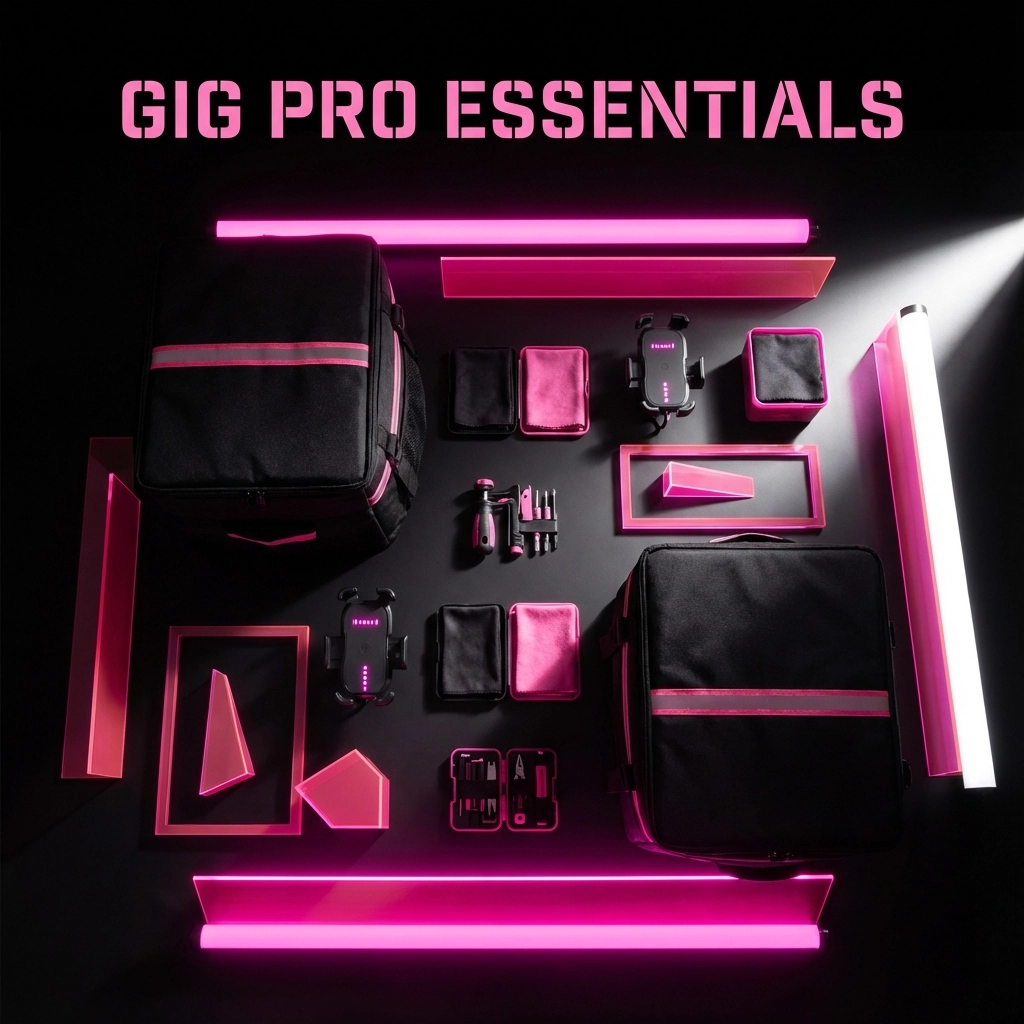
The platforms make it seem like all you need is a phone and a car. But successful gig workers invest in:
Thermal delivery bags (keeps food hot, increases tips)
Phone mounts and chargers (safety and efficiency)
Good shoes if you're doing a lot of walking/running
Professional-quality cleaning supplies for TaskRabbit jobs
Basic tools for handyman work
These aren't just expenses : they're investments that increase your earning potential and reduce your physical wear and tear.
The calculation: If a $30 thermal bag increases your tips by even $2 per shift, it pays for itself in 15 shifts. Most gig workers think short-term and miss these multiplier opportunities.
Secret #9: The Real Exit Strategy (That No Platform Will Tell You)
The biggest secret? The most successful gig workers use the platforms to build their own businesses. They take TaskRabbit jobs and convert clients to direct bookings. They use DoorDash to learn which restaurants are always busy, then apply to work there directly. They use Uber/Lyft to network and find other opportunities.
The platforms are training grounds, not careers. Use them to:
Build a customer base you can serve directly
Learn valuable skills you can monetize elsewhere
Network with people who might offer you better opportunities
Generate capital to invest in something that scales
The transition: After 6 months of consistent gig work, you should have enough knowledge and connections to start planning your exit strategy. Whether that's starting your own service business, joining a company full-time, or investing in education : gig work should be a bridge, not a destination.
The Real Talk: Why This Information Isn't Mainstream
These secrets aren't hidden because they're complicated : they're hidden because informed, strategic gig workers are less profitable for the platforms. When you know how to optimize your time, choose profitable jobs, and build toward something bigger, you become less dependent on any single app or company.
The platforms want volume workers who take every job and stay busy but never build wealth. What you want is to be strategic, selective, and constantly moving toward financial independence.
The gig economy can be a powerful tool : but only if you use it as a tool rather than letting it use you.
Now that you know the real game, how are you going to play it differently?
Want more real talk about building financial stability in the city? Check out our other money strategy posts and join the conversation with people who are actually making it work.


Comments