Cross-Cultural Faith: What We Can Learn from Buddhism's Inner Peace
- Feb 17
- 6 min read
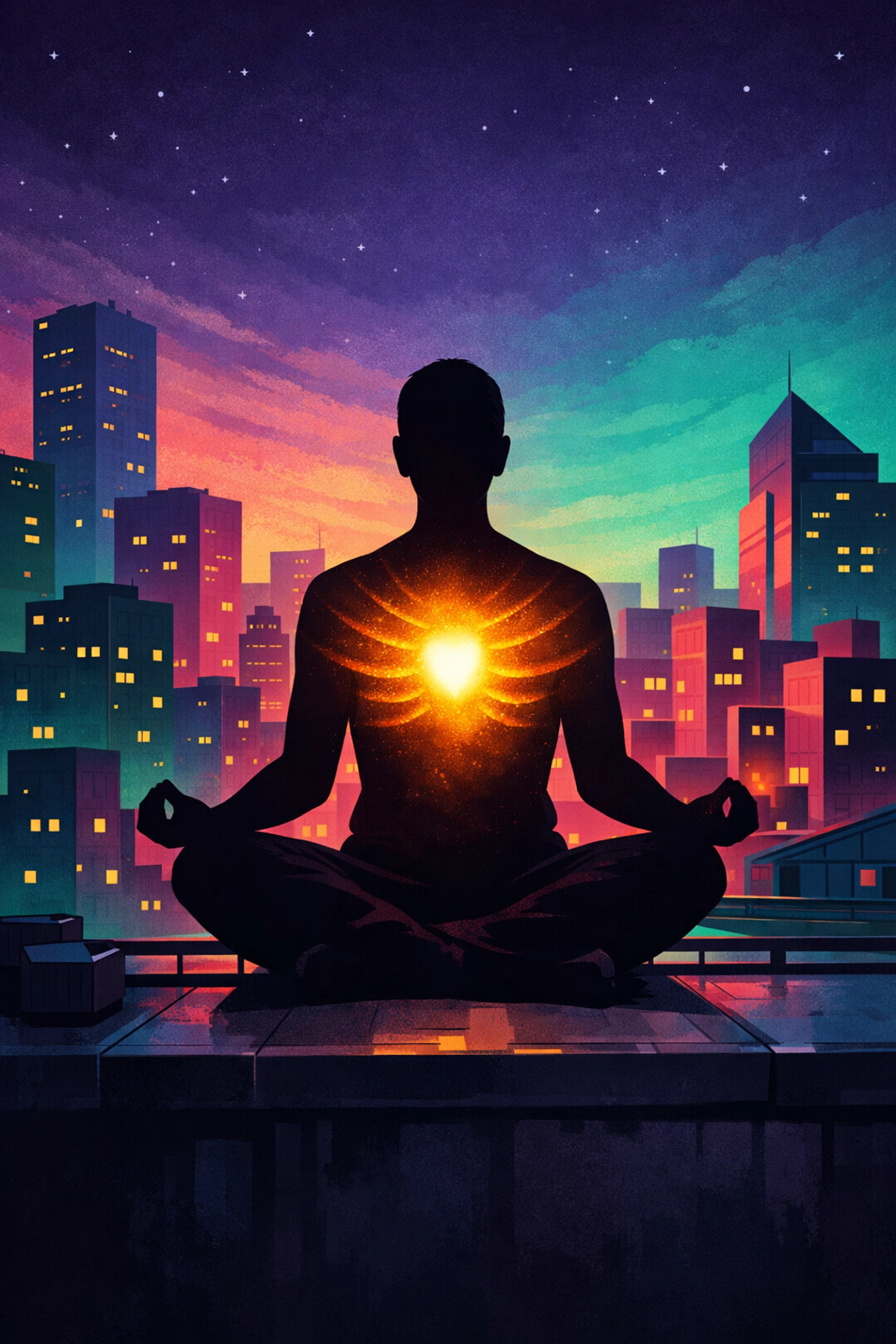
Let's be real, if you're reading this from a city apartment while sirens blare, notifications ping, and your neighbor's dog won't stop barking, you're probably wondering what "inner peace" even looks like. The city moves fast, loud, and relentless. We're hustling through careers, relationships, and personal goals while the world around us never hits pause.
Here's the thing: Buddhism has been solving this exact problem for over 2,500 years. And no, you don't need to shave your head, move to a monastery, or give up your morning coffee. What you can do is borrow some ancient wisdom that's been keeping people grounded through chaos since way before social media anxiety was even a thing.
Why Buddhism Hits Different in a Noisy World
Buddhism teaches something radical: inner peace is the foundation for everything else. Not success. Not the perfect relationship. Not finally getting that promotion. Peace.
And here's why that matters to you: when your internal world is steady, the external chaos loses its grip. That subway delay doesn't ruin your morning. That passive-aggressive text doesn't spiral you into overthinking. You become less reactive and more intentional: and that's the ultimate power move in a city that thrives on keeping you stressed.
The beauty of Buddhist philosophy is that it doesn't ask you to believe anything on faith alone. It says, "Try this practice. See what happens." It's practical spirituality for people who need results, not just good vibes.

The Real Tea: Attachment is the Problem, Not Desire
One of the biggest misconceptions about Buddhism is that it wants you to give up everything and stop caring. Nah. Buddhism actually distinguishes between destructive attachment and healthy desire.
Wanting success? That's fine. Working toward goals? Absolutely. The problem comes when you're so attached to a specific outcome that anything less than perfection feels like failure. That's when desire becomes suffering.
Think about it: How many times have you stressed yourself sick over something that didn't go according to plan? The job you didn't get. The relationship that didn't work out. The vacation that got canceled. Buddhism asks, "What if you wanted good things without gripping them so tight that your peace depends on them?"
This shift changes everything. You still show up. You still put in the work. But you stop making your internal state dependent on external circumstances. That's freedom.
Mindfulness Isn't Just for Yoga Studios
When people hear "mindfulness," they picture someone sitting cross-legged on a mountain at sunrise. But here's the urban translation: mindfulness is just paying attention to what you're doing while you're doing it.
Buddhism offers practical daily practices that fit right into your routine:
Mindful breathing. You're breathing anyway: might as well use it as an anchor. When your thoughts start spiraling (because they will), focus on the sensation of air moving in and out. That's it. You just brought yourself back to the present moment.
Mindful walking. Whether you're walking to the train or circling the block to clear your head, feel your feet hitting the pavement. Notice the rhythm. Let the thoughts come and go without chasing them.
Everyday mindfulness. Washing dishes? Feel the warm water. Eating lunch? Actually taste the food instead of scrolling through your phone. These tiny moments of presence add up to a calmer mind.
The goal isn't to empty your brain of all thoughts (good luck with that in a city of millions). The goal is to reduce the mental overwhelm by focusing on one simple thing at a time. It's like giving your brain a break from the chaos without actually leaving the chaos.

Acceptance Doesn't Mean Giving Up
Here's where Buddhism gets misunderstood: acceptance. People think it means becoming passive or letting life steamroll you. Not even close.
Acceptance means acknowledging what is without fighting reality. It's the difference between "This situation sucks, but I can work with it" and "This situation sucks, and I'm going to spend all my energy being mad about it."
You know that feeling when you're stuck in traffic and getting angry doesn't change anything? That's where acceptance comes in. You release the resistance. You stop wasting energy on things you can't control. And then: then: you respond from a place of clarity instead of frustration.
This is especially powerful for those of us who've been conditioned to believe we have to hustle 24/7 to prove our worth. Buddhism says, you don't have to constantly be productive to deserve peace. You can just... be. And that's enough.
Your Emotions Aren't the Enemy
Most of us were raised to believe that "negative" emotions are problems to solve or weaknesses to hide. Buddhism takes a different approach: work with your emotions, not against them.
Feeling angry? Notice it. Where do you feel it in your body? What triggered it? Instead of suppressing it or letting it control you, you develop awareness around it. You get curious instead of reactive.
Feeling anxious? Same thing. Instead of spiraling into "Why am I like this?" or "I need to fix this right now," you sit with it. You breathe through it. You remember it's temporary.
This doesn't mean you never address your emotions or that therapy isn't necessary (because it absolutely is). It means you stop treating yourself like you're broken every time you feel something uncomfortable. Compassion toward yourself is the key: and Buddhism is big on that.

You Already Have What You Need
One of the most empowering teachings in Buddhism is the concept of Buddha nature: the idea that peace, wisdom, and wholeness already exist within you. You're not trying to become something you're not. You're uncovering what's already there.
This is huge for anyone who's spent their life chasing external validation. Buddhism says, you don't need to wait for the right job, relationship, or bank account to access your inner peace. It's yours right now. You just have to stop looking outside yourself for it.
That doesn't mean you stop striving or setting goals. It means you stop believing the lie that you'll only be okay "when." You're okay now: and you can work toward your dreams from that place of wholeness instead of desperation.
Cross-Cultural Wisdom for Modern Life
Here's why Buddhism's teachings resonate across cultures and faith traditions: they're rooted in universal human experiences. Suffering. Desire. The search for meaning. Whether you're Christian, Muslim, spiritual-but-not-religious, or still figuring it out, these principles apply.
You don't have to convert to Buddhism or abandon your own beliefs to benefit from its wisdom. You're simply adding tools to your toolkit: practices that help you navigate a loud, overwhelming world with more ease and less burnout.
Think of it as spiritual cross-training. Just like you wouldn't turn down good advice from a mentor outside your industry, you don't have to turn down wisdom from a tradition outside your background. The goal is peace, not dogma.
Making It Work in Your Real Life
So how do you actually apply this in a city that never sleeps? Start small:
Morning practice. Before you grab your phone, take five mindful breaths. That's it. You just started your day with intention instead of chaos.
Commute meditation. Use your train or bus ride as a mindfulness practice. Notice your surroundings. Feel your body in the seat. Let the thoughts pass.
Pause button moments. Throughout the day, take 30-second breaks to check in with yourself. How are you feeling? What do you need right now?
Evening release. Before bed, practice letting go of the day's attachments. What went wrong? Acknowledge it. What went right? Appreciate it. Then release it all and rest.
These aren't grand, life-altering rituals. They're micro-practices that slowly rewire your relationship with stress, peace, and yourself.
The Bottom Line
Buddhism isn't asking you to escape the noise: it's teaching you how to find peace within the noise. It's showing you that inner stillness isn't something you achieve after you've "made it." It's something you cultivate right now, in the middle of the mess, while you're still figuring it all out.
You don't need to be perfect. You don't need to have it all together. You just need to show up for yourself with a little more awareness, a little more compassion, and a lot less attachment to outcomes you can't control.
That's the real flex. Not how much you can hustle, but how steady you can stay while the world tries to knock you off balance.
And bestie? You've got everything you need to start right now.


Comments