Exposing the Real Impact of Cyberbullying: Urban Communities, Mental Health, and the Alarming Stats
Updated: Dec 18, 2025
Let's be real - cyberbullying isn't just some "kids being kids" situation anymore. We're talking about a full-blown crisis that's literally destroying lives, and it's hitting our urban communities the hardest. The numbers are scary, the mental health impacts are devastating, and honestly? It's time we had this uncomfortable conversation.
Here's the tea: cyberbullying rates have absolutely exploded. We've gone from 33.6% of young people experiencing cyberbullying in 2016 to a staggering 58.2% in 2025. That's not just a little uptick - that's nearly 6 out of every 10 young people getting harassed online. And if you think that's bad, get this - in just the past 30 days alone, 32.7% of young people dealt with cyberbullying. That means 1 in 3 kids can't even go a month without someone coming for them online.
Why Urban Communities Are Getting Hit the Hardest
If you're living in the city, you're probably not surprised to hear this: 65% of urban teens say online harassment is a major problem, compared to about 50% in suburban and rural areas. But why are we taking the biggest hit?
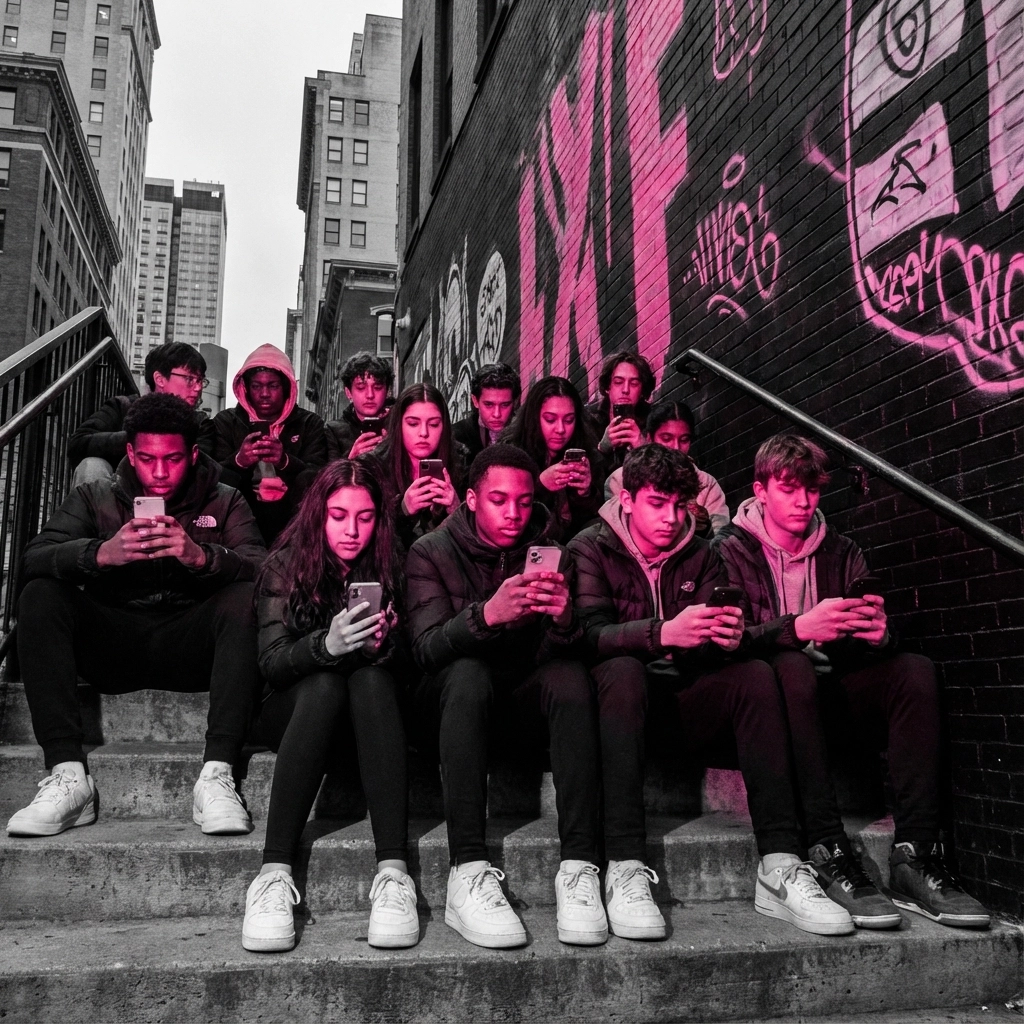
It's not rocket science when you think about it. Urban areas have higher internet access, more social media engagement, and honestly, more people packed into smaller spaces means more drama spills online. Plus, let's talk about the economic stress that's real in many urban communities - when families are struggling financially, there's often less supervision and support around kids' online activities.
The digital divide plays a role too, but not how you might think. While urban kids often have better access to technology, they also have access to more platforms where bullying can happen. More apps, more opportunities for harassment, more ways for people to come at you 24/7.
The Mental Health Reality Check
Here's where things get really heavy, and I need you to sit with these numbers for a minute. In 2025, 39% of teens dealing with cyberbullying reported moderate to severe anxiety symptoms. That's not just "feeling stressed" - that's clinical-level anxiety that's interfering with daily life.
But it gets worse. A CDC study found that 1 in 5 bullied teens showed signs of clinical depression. We're not talking about having a bad day - we're talking about a mental health condition that can literally change the trajectory of someone's life.
The most devastating stat? Cyberbullying victims are 3 times more likely to attempt suicide compared to kids who haven't been bullied online. Three times. Let that sink in.

And here's something that might surprise you - girls are carrying the heaviest burden. Female-identifying students are 2.3 times more likely than boys to report self-esteem issues after being targeted online. When 72% of teen girls aged 14-16 say appearance-focused comments are the most common form of bullying they face, we're looking at a generation of young women whose self-worth is being systematically attacked.
Who's Most at Risk? The Numbers Don't Lie
The data shows us exactly who's getting targeted the most, and it's not random. Teen girls aged 15-17 report cyberbullying at 54% compared to 44% for boys the same age. But when we drill down into specific communities, the picture gets even more concerning.
Nonbinary and gender-diverse teens? They're experiencing social media bullying at a rate of 76%. Nearly 8 out of 10. LGBTQ+ students overall are dealing with cyberbullying at 30%, compared to just 13% of their heterosexual peers.
Race plays a huge factor too. Black teens are reporting race-based harassment at 21%, compared to just 4% of white teens. And here's something that really gets me - 33% of Black teens say law enforcement is doing a poor job handling online harassment, compared to 21% of white teens. So not only are they getting targeted more, but they don't trust the systems that are supposed to protect them.

The Main Contributors: Where It's All Going Wrong
So what's driving this crisis? Let's break down the biggest players in this mess:
Social Media Platforms: YouTube is the absolute worst, with 79% of kids on the platform being most likely to experience cyberbullying. Snapchat comes in second at 69%. TikTok has seen a 35% surge in body shaming incidents just this year. These platforms are making bank while our kids are getting destroyed.
Time Spent Online: Here's a stat that'll make you want to snatch phones: teens spending over 5 hours daily on social media are 73% more likely to be cyberbullying victims compared to those under 1 hour. The more time online, the bigger the target.
Lack of Support Systems: Only 44.2% of bullied students tell a trusted adult what's happening. That means more than half are suffering in silence. Among social media bullying victims, only 38% report the abuse to someone who can actually help.
Economic Stress: In urban communities dealing with economic challenges, families often can't provide the level of digital supervision and support that kids need. When parents are working multiple jobs just to survive, monitoring online activity becomes nearly impossible.
The Ripple Effects: It's Not Just About Individual Victims
Here's something that really shows how deep this problem goes: 87% of young people have witnessed cyberbullying. That means almost 9 out of 10 kids are seeing this stuff happen, even if they're not direct targets. Imagine the psychological impact of constantly watching your peers get torn down online.
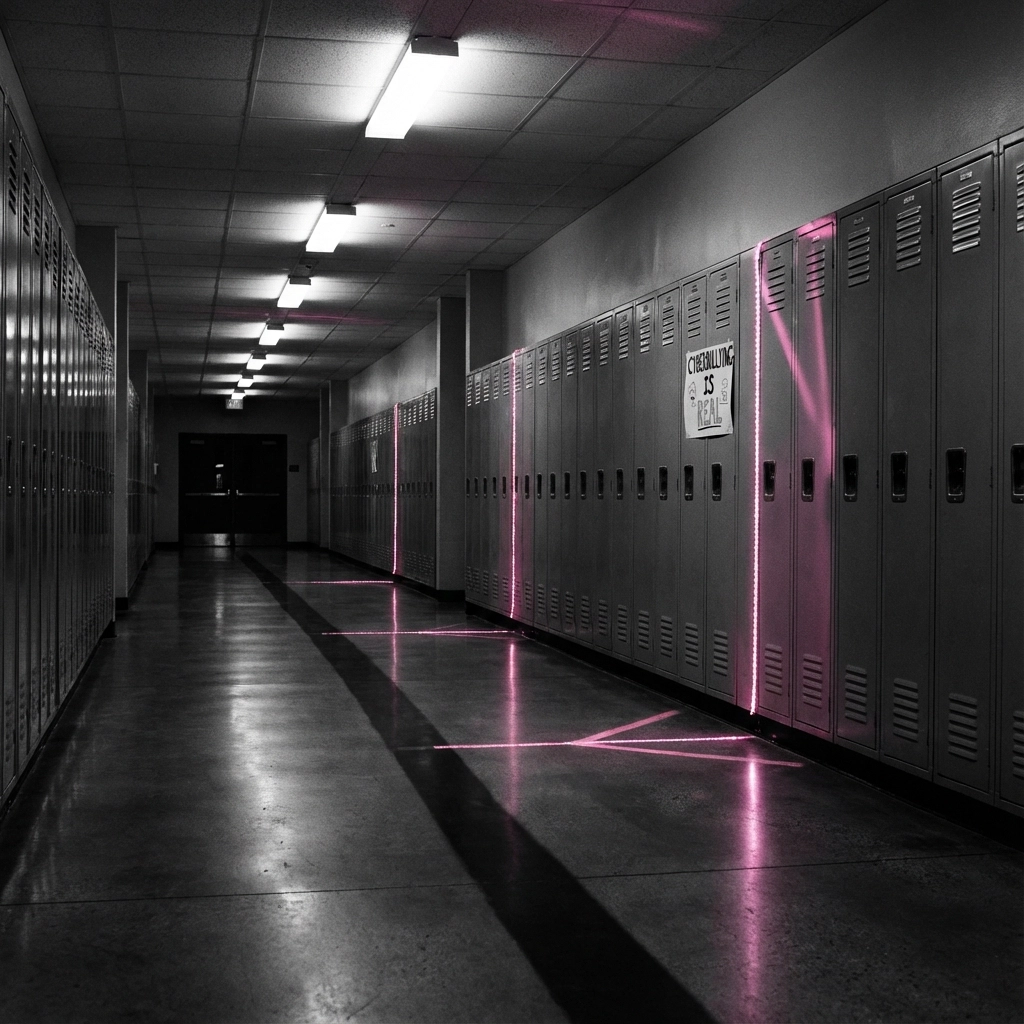
The school impacts are real too. Nearly 20% of American teenagers - that's 1 in 5 - missed school days because of cyberbullying in 2023. That's almost double what it was in 2016. We're literally watching kids' education get derailed by online harassment.
The Platforms Need to Do Better
Let's call this what it is - the major social media companies are failing our communities. When 77.5% of cyberbullying involves mean comments posted online and 70% of teens have rumors spread about them, we're looking at platforms that aren't doing enough to protect users.
The fact that 1 in 4 high school students receive direct threats via messaging apps tells us that even the "private" spaces aren't safe. These companies need to step up with better moderation, faster response times, and real consequences for harassment.
What We Can Do Moving Forward
Look, I'm not going to end this with some surface-level "be kind online" message because this crisis requires real action:
For Communities: We need mental health resources that are accessible and culturally competent. Urban communities need support systems that understand the unique pressures our kids face.
For Families: Regular check-ins about online experiences need to become as normal as asking about school. Create safe spaces where kids can talk about what they're seeing and experiencing without judgment.
For Platforms: We need to demand accountability. Better reporting systems, faster responses, and real consequences for users who engage in harassment.
For Schools: Cyberbullying prevention needs to be integrated into every curriculum, not just mentioned during an assembly.
The numbers are clear, the impacts are devastating, and the time for half-measures is over. Our urban communities are being hit the hardest by this crisis, but we also have the resilience and strength to fight back. It's going to take all of us - families, schools, communities, and yes, those tech companies - working together to protect our young people.
Because here's the bottom line: behind every statistic is a real person whose life has been impacted. And that's not acceptable. Not in our communities, not anywhere.
If you or someone you know is struggling with cyberbullying or its mental health impacts, check out our Mental Health Hub for support and resources.

Comments