The Mind-Body Connection: Managing Mental Health With Chronic Illness in Urban Communities
- Shalena
- 2 days ago
- 6 min read

Here's the tea: living with chronic illness in the city hits different, and when you add mental health struggles to the mix? It's like trying to navigate rush hour traffic while your phone's GPS is glitching. But here's what we know for sure, your mind and body are more connected than your favorite playlist, and understanding this connection can be your secret weapon for thriving, not just surviving.
Let's be real about what's happening in our urban communities. Between the hustle culture, limited healthcare access, and the constant pressure to keep up, managing chronic illness while protecting your mental health feels like an impossible balancing act. But you're not alone in this, bestie, and there are real strategies that can help you reclaim your power.
The Real Deal: How Your Mind and Body Talk to Each Other
Think of your mind and body as that friend duo who's always finishing each other's sentences, they're constantly communicating, even when you're not paying attention. When you're stressed about rent, your body responds with tension, headaches, or digestive issues. When you're dealing with chronic pain, your mental health takes a hit with anxiety, depression, or feeling overwhelmed.
This isn't just in your head (well, technically it is, but you know what we mean). Research shows that people with chronic medical conditions are significantly more likely to experience mental health challenges, and it works both ways. If you're managing depression or anxiety, you're at higher risk for developing physical health problems too.

In urban communities, this connection gets even more complex. You're dealing with environmental stressors like noise pollution, air quality, limited green spaces, and often inadequate healthcare systems. Add in the financial pressures of city living, and suddenly your chronic illness isn't just about managing symptoms: it's about navigating an entire ecosystem that wasn't designed with your wellbeing in mind.
When Stress Becomes Your Unwanted Roommate
Chronic stress in city life is like that roommate who never cleans up after themselves: it's always there, making everything harder. When you're constantly in fight-or-flight mode (thanks, subway delays and work deadlines), your immune system takes a beating, your sleep gets disrupted, and your pain levels can spike.
Here's what's happening: chronic stress triggers inflammation in your body, which can worsen conditions like lupus, fibromyalgia, arthritis, and autoimmune disorders. Meanwhile, living with chronic pain or illness creates emotional stress, leading to anxiety, depression, and that feeling of being trapped in your own body.
For many folks in urban communities, especially Black and Brown people, there's an additional layer: medical racism and healthcare disparities mean you're often not believed when you describe your symptoms, leading to delayed diagnoses and inadequate treatment. This medical gaslighting creates trauma that compounds both your physical and mental health struggles.
Breaking the Cycle: Mind-Body Strategies That Actually Work
The good news? You have more control than you think. Mind-body approaches aren't just wellness trends: they're scientifically proven strategies that can help you manage both your mental and physical health simultaneously.
Mindfulness in the Concrete Jungle
Mindfulness might seem impossible when you're surrounded by sirens and construction noise, but it's actually perfect for urban living. You don't need a silent meditation retreat: you can practice mindfulness on the subway, in your apartment, or even while walking through your neighborhood.
Research from Jon Kabat-Zinn showed that a 10-week mindfulness program dramatically reduced chronic pain levels and decreased anxiety and depression. Participants also used fewer pain medications and reported better quality of life. The key is consistency, not perfection.
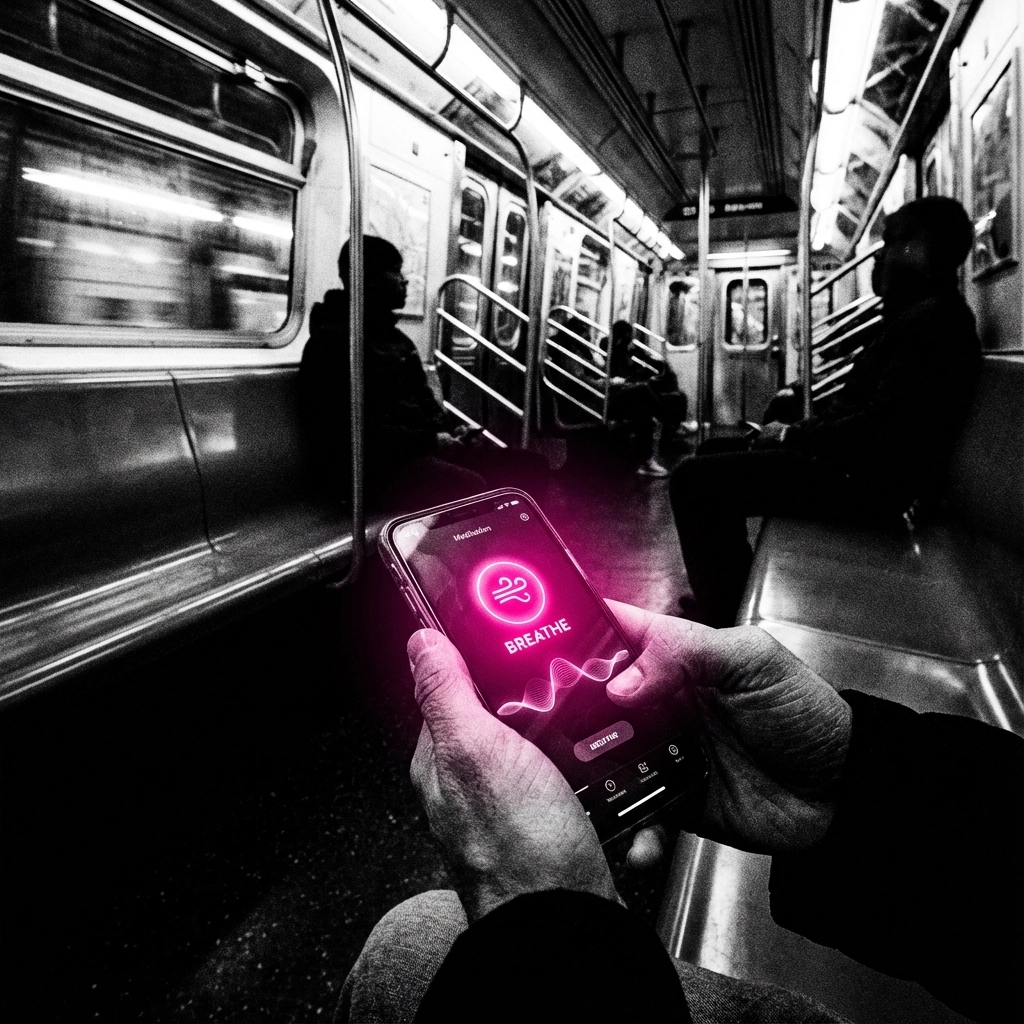
Try this: Start with just five minutes of mindful breathing during your commute. Focus on your breath instead of scrolling through social media. Notice the sensations in your body without trying to change them. It's like giving your nervous system a mini-vacation, even in the middle of urban chaos.
Movement That Moves You
Exercise doesn't have to mean expensive gym memberships or hour-long workout sessions. In urban communities, creativity is key. Walking stairs in your building, dancing to your favorite playlist, or following YouTube workout videos can be just as effective as fancy fitness classes.
Physical activity releases endorphins: your body's natural mood boosters: while also helping manage chronic pain and improving sleep quality. For chronic illness warriors, gentle movement like yoga, tai chi, or swimming can provide relief without triggering flare-ups.
The trick is finding what works for your body and your budget. Many cities have free outdoor fitness programs, community center classes, or walking groups. Check out what's available in your area: you might be surprised what you find.
Building Your Support Network
In urban communities, isolation can feel overwhelming even when you're surrounded by millions of people. Chronic illness can make this worse, especially when you're too tired or in too much pain to maintain social connections.
But here's the thing: emotional support isn't just nice to have, it's medicine. Studies show that people with chronic illness recover better when they have strong social connections and emotional support systems. This doesn't mean you need a huge circle of friends; even one or two people who truly get it can make a massive difference.
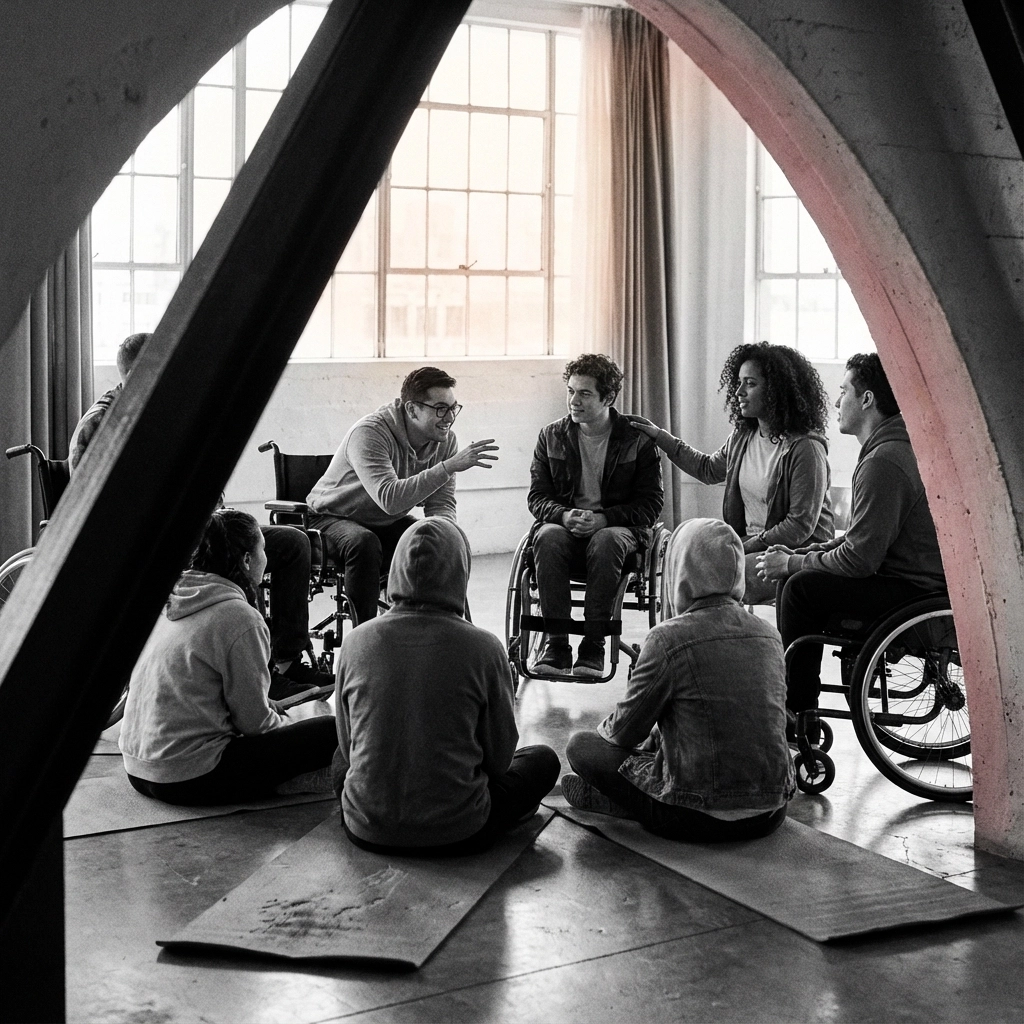
Consider joining online communities, local support groups, or connecting with others through platforms like Shalena Speaks' Mental Health Hub. Sometimes talking to someone who's walking a similar path can provide more relief than any medication.
Practical Urban Strategies for Daily Life
Nutrition That Doesn't Break the Bank
Eating well with chronic illness while living in a food desert (let's be real, that's many urban neighborhoods) requires strategy. Focus on anti-inflammatory foods that can help reduce pain and improve mood: things like leafy greens, fatty fish, nuts, and berries.
If fresh produce is expensive or hard to access, frozen fruits and vegetables are just as nutritious. Batch cooking on good days can help you have healthy meals ready during flare-ups. And don't underestimate the power of herbs and spices: turmeric, ginger, and garlic all have anti-inflammatory properties and can make even simple meals more flavorful and healing.
Sleep Hygiene in the City That Never Sleeps
Quality sleep is crucial for both mental health and chronic illness management, but city living can make this challenging. Traffic noise, bright lights, and thin apartment walls don't exactly create the ideal sleep environment.
Invest in blackout curtains, a white noise machine or earplugs, and establish a consistent bedtime routine. Your bedroom should be your sanctuary: keep it cool, dark, and reserved for sleep and relaxation only. If anxiety keeps you up, try keeping a journal by your bed to write down worries before sleep.
Managing Healthcare in Urban Systems

Navigating urban healthcare requires advocacy skills. Come to appointments prepared with written lists of symptoms, questions, and any changes since your last visit. If possible, bring a friend or family member for support and as a witness to what's said.
Research your healthcare providers beforehand, and don't be afraid to seek second opinions. Many urban areas have community health centers that offer sliding-scale fees or accept various insurance plans. Know your rights, and remember that you deserve to be heard and believed.
Creating Your Personal Action Plan
Start small: you don't need to overhaul your entire life overnight. Pick one or two strategies that resonate with you and build from there. Maybe it's five minutes of morning meditation, a 15-minute evening walk, or joining an online support group.
Track your symptoms, mood, and what helps or hurts. This information becomes powerful when you're working with healthcare providers or when you need to advocate for yourself. Apps, journals, or even notes in your phone can help you identify patterns and triggers.
Remember that managing chronic illness and mental health isn't about achieving some perfect state of wellness: it's about finding what works for your unique situation and building resilience for the inevitable ups and downs.
You're Stronger Than You Know
Living with chronic illness in urban communities means you're already demonstrating incredible strength and resilience every single day. The mind-body connection isn't just about understanding how your thoughts affect your physical health: it's about recognizing the power you have to influence your own healing journey.
Your struggles are valid, your pain is real, and your efforts to take care of yourself matter more than you know. In a world that often overlooks the challenges faced by urban communities, especially around healthcare and chronic illness, taking control of your mind-body connection becomes an act of self-love and resistance.
You deserve to feel good in your body and mind, regardless of what chronic conditions you're managing. With the right tools, support, and strategies, you can create a life that honors both your limitations and your limitless potential.
For more resources on mental health and health & wellness, check out our community discussions where real people share real strategies for thriving with chronic illness in urban environments.
Comments