The U.S. Is Pausing Immigrant Visa Processing for 75 Countries , What That Actually Means (Effective Jan. 21, 2026)
- Shalena
- Jan 15
- 5 min read

If you woke up this morning and saw headlines about the U.S. pausing immigrant visa processing for 75 countries, you're not alone if your first thought was: Wait… like, all visas? Travel bans? Is this immediate? Who does this hit?
Here's the tea: this news is hitting different in our communities. For so many of us with family overseas, loved ones mid-process, or friends navigating the system, this isn't just policy talk. It's personal. So let's break it down together, no legal jargon, no confusion: just the facts you actually need to know.
What's Actually Happening
The U.S. State Department is set to suspend immigrant visa processing for nationals of 75 countries, with the policy officially beginning January 21, 2026.
Now, before you spiral: this is not the same as "nobody can enter the U.S." It's more specific than that, and understanding the details matters, especially if you or someone you love has a case in the pipeline.
The stated reason? The government wants to reassess screening procedures to evaluate whether applicants are likely to become dependent on U.S. public benefits. They're calling it a "public charge" evaluation. In practice, this means consular officers will more aggressively screen cases based on an applicant's financial situation and likelihood of needing government assistance.

Immigrant Visas vs. Non-Immigrant Visas : This Is the Key
Let's be real: immigration terminology can be confusing. But this distinction is everything right now:
Immigrant visas are for people moving to the U.S. permanently. Think:
Family-based immigration (bringing your spouse, parents, or children)
Employment-based immigration (job-sponsored green cards)
Diversity visas (the green card lottery)
Non-immigrant visas are for temporary visits. Think:
Tourist visas
Student visas
Business travel
Short-term work assignments
Here's what you need to know: The pause applies ONLY to immigrant visa processing abroad. Non-immigrant visas are NOT affected. So if you're planning to visit for the 2026 World Cup, attend a wedding, or study temporarily: that's a different lane entirely.
Which Countries Are on the List?
The 75 countries span multiple regions and include nations with large immigrant populations in the U.S. as well as countries experiencing humanitarian crises.
Some of the affected countries include:
Africa: Nigeria, Somalia, Algeria, Egypt
Caribbean & Latin America: Haiti, Cuba, Colombia, Brazil
Middle East: Iran, Iraq, Syria, Yemen
Eastern Europe & Central Asia: Russia, Albania, Afghanistan
And many more
If your family's roots trace back to any of these places, this policy could directly impact your reunification timeline.

The Real-Life Impact : Let's Keep It 100
Statistics tell us that millions of people are currently waiting in immigrant visa backlogs. But behind every number is a real story: maybe yours, maybe your neighbor's, maybe your coworker's.
This pause doesn't just change paperwork. It changes:
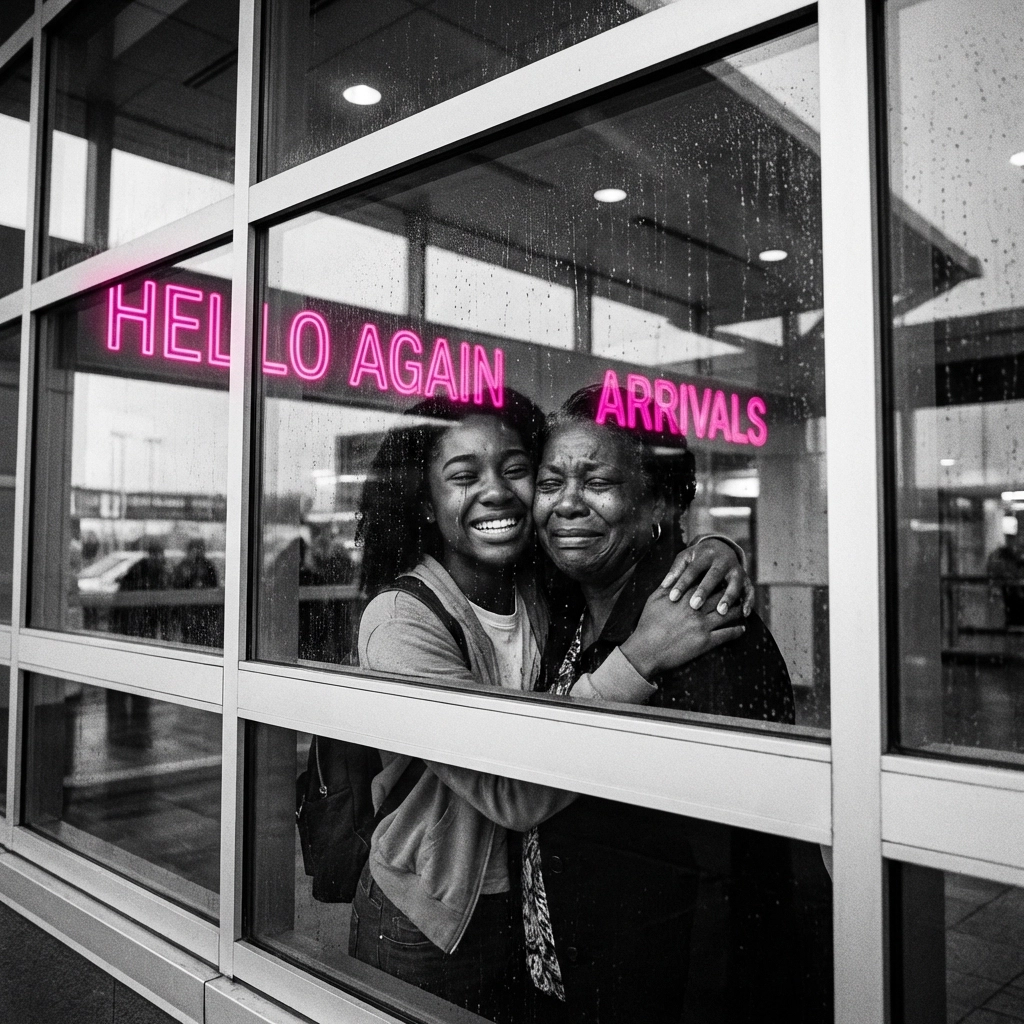
Family reunification timelines : That cousin you've been waiting years to bring over? More waiting. That spouse who's been separated from you for months? Even longer.
Job relocation plans : People who've been offered positions, made plans, sold belongings: now in limbo.
Caregiving arrangements : Families who need grandparents here to help with childcare, or aging parents who need their adult children nearby.
Financial stability : Households that planned their budgets around an expected approval window are now dealing with uncertainty.
And here's what nobody talks about enough: the mental health toll. The stress of not knowing when: or if: your family will be together? That weighs heavy. If you're feeling anxious, overwhelmed, or just emotionally exhausted by this news, you're not alone. These feelings are valid, and taking care of your mental health during uncertain times isn't optional: it's necessary.
For resources on managing stress and anxiety during difficult times, check out our mental health content.
What This Means If You're Currently in the Process
If you're outside the U.S. and waiting:
Expect indefinite delays or full suspension of immigrant visa processing starting January 21
Monitor your embassy and consulate communications closely for country-specific guidance
Consider consulting an immigration attorney before making any major decisions
Don't make irreversible moves (like quitting jobs or selling property) until you have clarity
If you're already in the U.S.:
The pause does NOT directly affect adjustment of status applications filed domestically
However, heightened scrutiny under "public charge" rules may still apply to your case
Avoid unnecessary international travel if your case is pending: leaving the country could complicate things significantly
What This Policy Does NOT Do
Let's clear up some misconceptions, because misinformation spreads fast:
This does NOT:
Cancel approved immigrant petitions that are already in the system
Revoke green cards that have already been issued
Prevent U.S. citizens from filing new family petitions
Affect people already inside the U.S. adjusting their status domestically
The bottleneck is specifically at U.S. embassies and consulates processing visas abroad. If your loved one's case is at one of those offices, that's where the pause hits.
The Bigger Picture : Why This Matters Beyond Immigration
Even if you're not directly affected, this policy shift matters for our communities. Urban neighborhoods across America are built on immigrant stories: our cultures, our foods, our music, our innovations. When immigration pathways get restricted, it ripples through everything.
Small businesses lose workers. Families lose support systems. Communities lose vibrancy.
And let's keep it real about the "public charge" framing. The idea that someone's worth is measured by their likelihood of needing help? That hits different when you come from communities that have always had to do more with less. We know that needing support doesn't mean someone won't contribute. Some of the most hardworking, resilient people come from the very countries on this list.
Protecting Your Peace Through Uncertainty
If this news has you stressed, here are some practical ways to take care of yourself:
Stay informed, but set boundaries : Doom-scrolling won't change the policy. Check trusted sources once or twice a day, then step away.
Lean on community : Talk to others going through similar situations. You don't have to process this alone.
Document everything : If you have a pending case, keep copies of all communications and deadlines.
Seek professional help if needed : Immigration attorneys can provide case-specific guidance. Mental health professionals can help you cope with the emotional weight.
Focus on what you can control : You can't change federal policy overnight, but you can take steps to prepare, stay organized, and support your loved ones.
Moving Forward Together
The headline makes it sound like a single switch flips and everything stops. In practice, policies like this usually create a patchwork: some cases halt, some get stuck in "administrative processing" purgatory, some face new evidence requirements, and some get pushed into longer queues.
What we know for sure? This is a moment that requires clarity, community, and care. If you're navigating this situation, know that Shalena Speaks is here to keep you informed with real talk: no sugar-coating, no fear-mongering, just the information you need to make decisions for yourself and your family.
For more current events coverage that speaks to our communities, explore our international news section.
Sources:


Comments