Urban Wellness in Living Color: Fresh Food Markets That Change Lives
Let's be real: when you think about urban wellness, your mind probably goes straight to expensive gym memberships and boutique smoothie bars. But what if I told you that some of the most powerful wellness transformations are happening in the most unexpected places? I'm talking about fresh food markets that are literally changing lives, one colorful vegetable at a time.
Here's the tea: over 54 farmers markets across New York City alone are serving as community wellness hubs, supporting everything from mental health to economic empowerment. These aren't just places to grab your weekly groceries: they're vibrant ecosystems where food becomes medicine, neighbors become family, and entire communities transform.
Ready to take a tour through some of the most life-changing fresh food markets in America? Let's dive into these colorful spaces that are proving wellness doesn't have to break the bank.
GrowNYC's Market Magic: Where Community Meets Color
Picture this: you're walking through Union Square on a Saturday morning, and you're hit with a rainbow of fresh produce that looks like it jumped straight out of an Instagram filter. That's the power of GrowNYC's farmers market network: 54 markets across all five boroughs that are doing way more than selling vegetables.
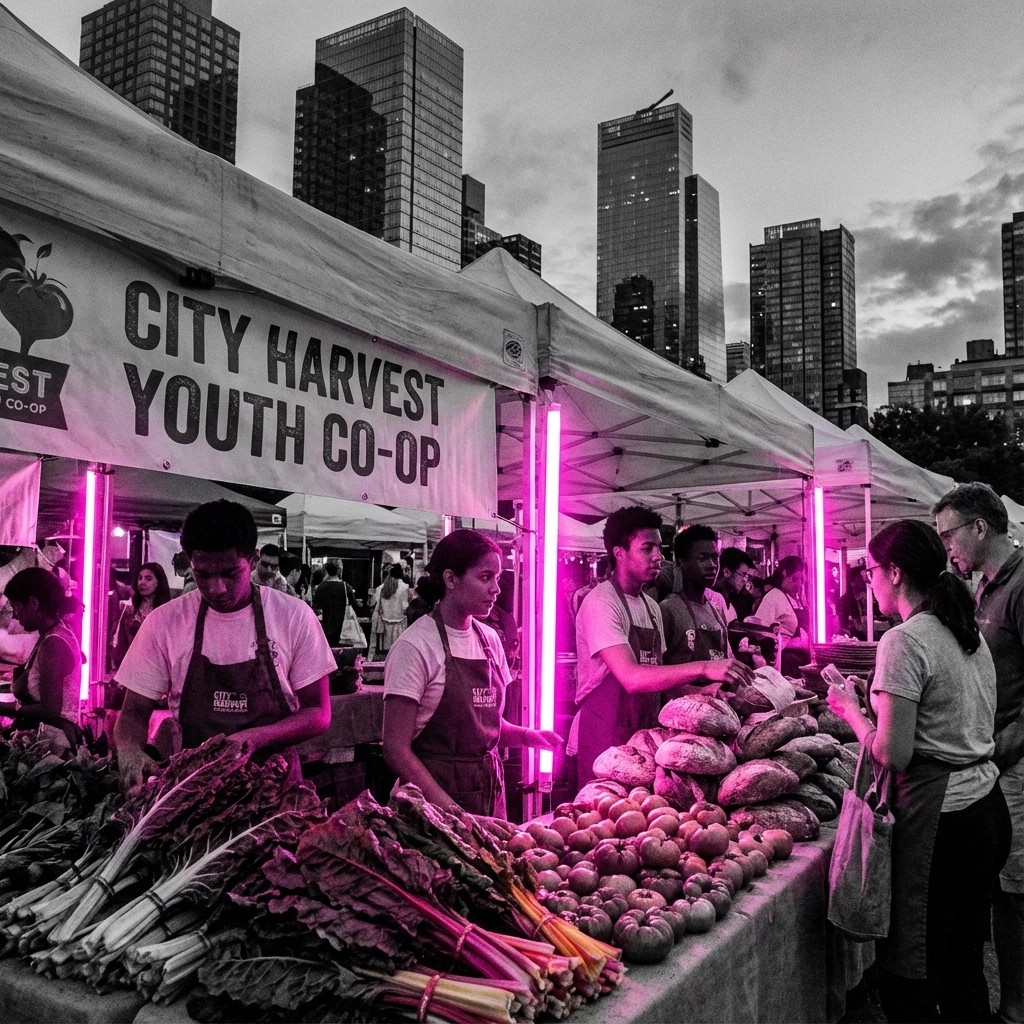
What makes these markets special isn't just the gorgeous displays of heirloom tomatoes and rainbow chard (though honestly, they're stunning). It's the Youthmarket program that's employing neighborhood teens in underserved communities, teaching them everything from customer service to small business skills while they're slinging fresh kale and building confidence.
You're not just buying food here: you're investing in a system where local farms connect directly with city folks, keeping money in the community and reducing those carbon emissions that come from shipping produce across the country. Plus, the wholesale arm distributes fresh regional food to pantries, senior centers, and restaurants, creating a web of wellness that touches every corner of the city.
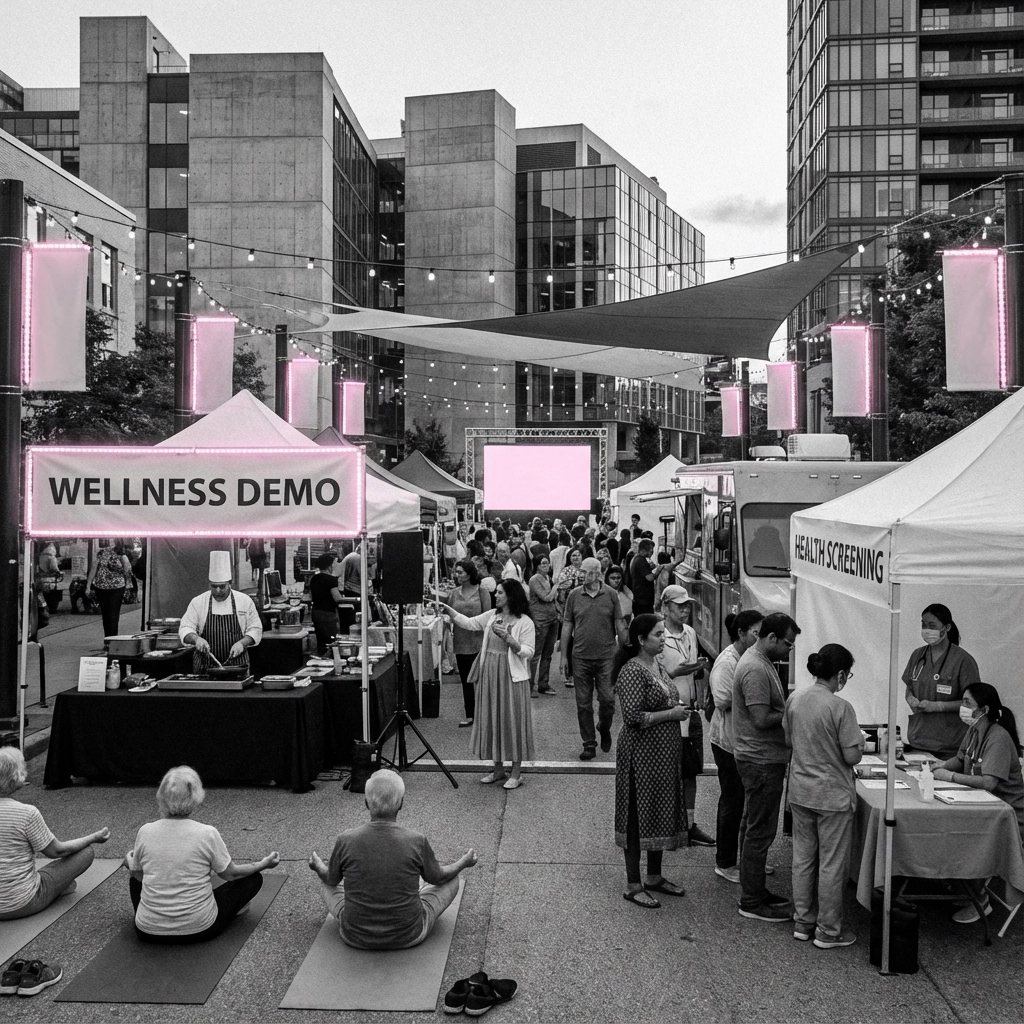
The social connection piece? Absolutely unmatched. These markets become gathering spots where you'll find cooking demonstrations happening next to yoga classes, with health screenings and live music creating an atmosphere that feels more like a block party than a grocery run.
Newark's Harvest Hub: Revolutionary Food Access
If you want to see innovation in action, you need to check out RWJBarnabas Health's "Harvest" center in Newark. This isn't your typical farmers market: it's a 2,100-square-foot food revolution that's combining distribution, education, and economic opportunity under one roof.
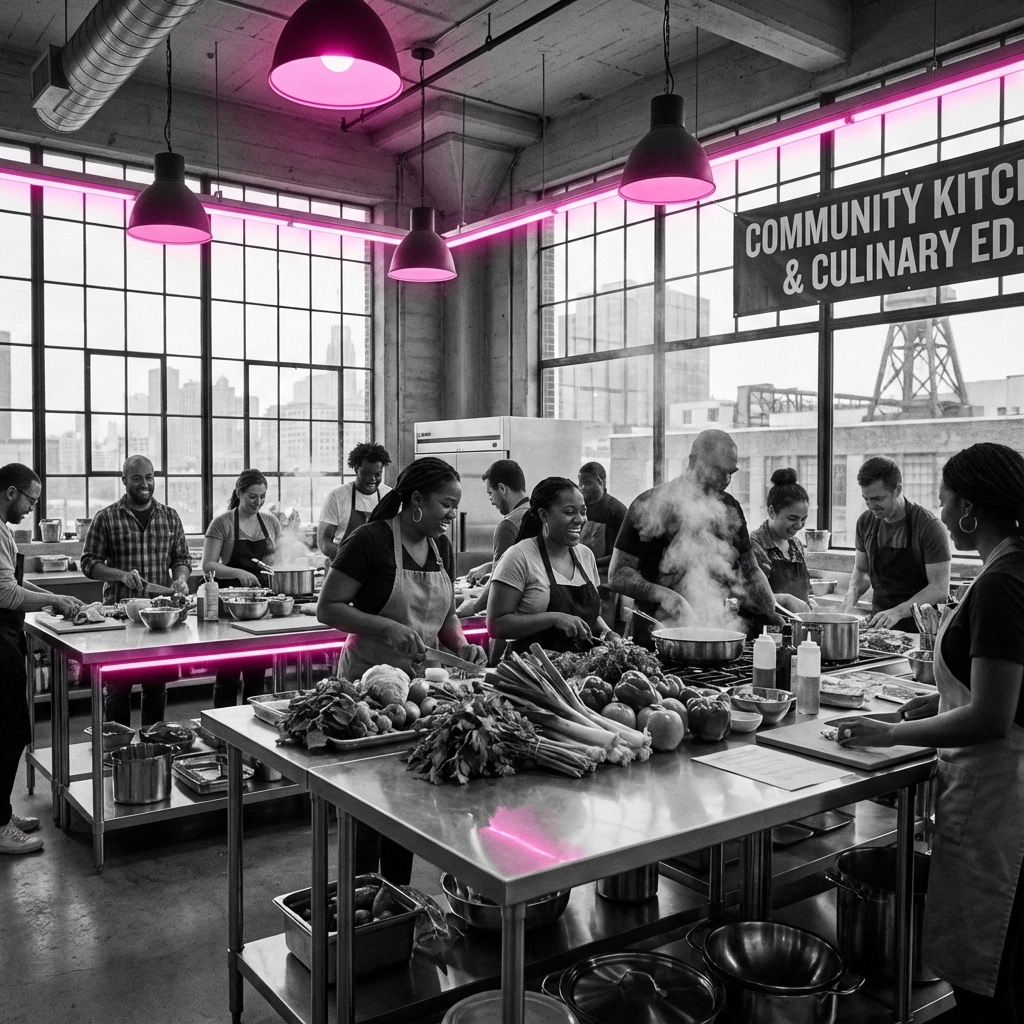
Here's what's brilliant about this model: they're not just addressing food access: they're creating pathways for food entrepreneurship. The industrial kitchen incubator lets aspiring chefs and food business owners test their concepts while serving the community. Meanwhile, cooking demos and nutrition education happen alongside the distribution of locally produced New Jersey vegetables, eggs, and meats.
You know what's really changing lives here? The fact that they're treating food as medicine while creating jobs and supporting local agriculture. When you can access fresh, culturally relevant food in your own neighborhood while watching your neighbor launch their catering business, that's community wellness in action.
Norwalk's Garden-to-Market Movement: Growing Wellness from the Ground Up
Let's talk about Norwalk, Connecticut, where community-driven growth is happening in the most beautiful way possible. The SoNo Saturday Market and the Norwalk Community Health Center Farmers Market aren't just accepting SNAP and EBT benefits: they're actively ensuring that wellness isn't a luxury.
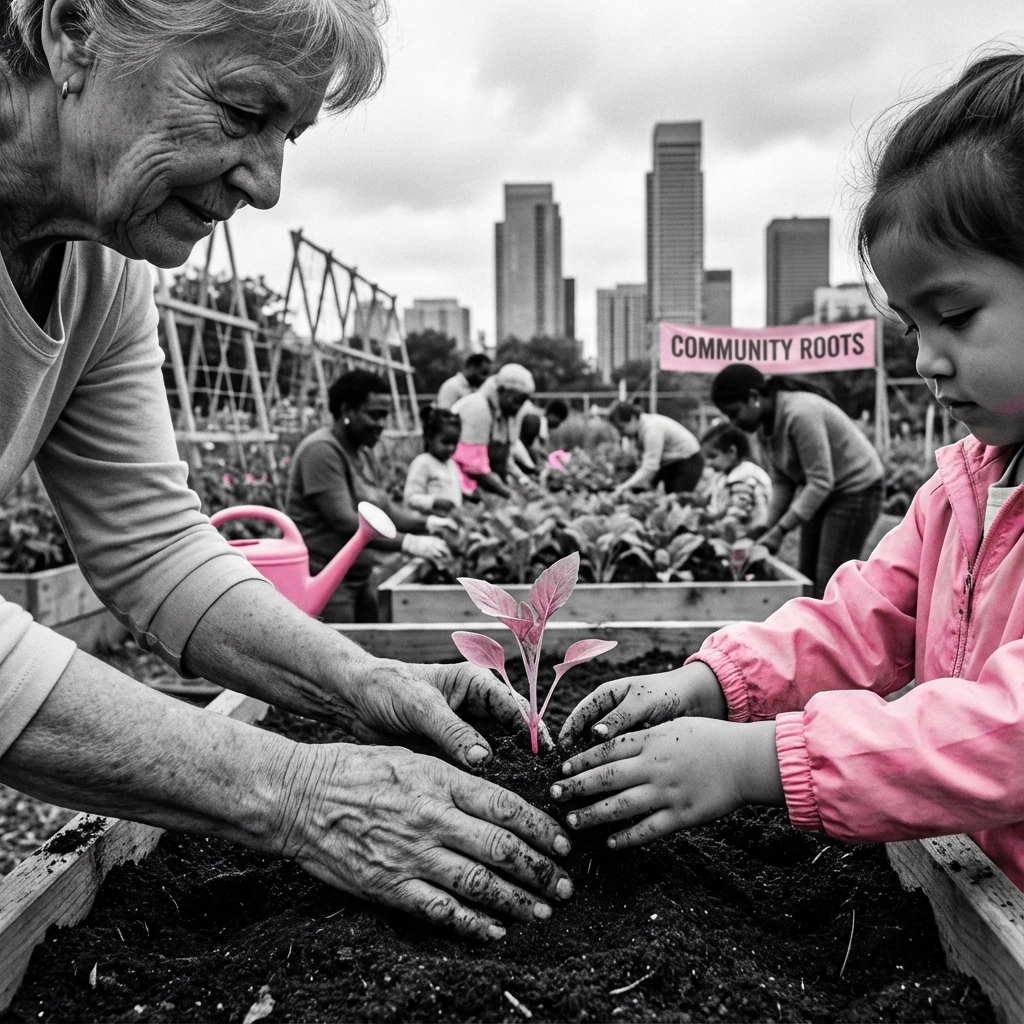
What sets Norwalk apart is how they've integrated urban farming with market access. Fodor Farm provides over 300 organic garden plots alongside free programs that teach gardening, nutrition, and cooking skills to families. Imagine learning to grow your own rainbow chard in the morning, then heading to the market to see how other community members are preparing their harvest.
The environmental impact here is real: when you're eating food grown within your city limits, you're cutting down on transportation emissions while supporting local soil health. But the emotional wellness piece might be even more powerful. There's something deeply therapeutic about getting your hands in the soil and watching your food grow, especially when you're doing it alongside neighbors who become friends.
FarmerJawn's Corner Revolution: Making Fresh Food Accessible
Philadelphia's FarmerJawn is proving that fresh, organic produce doesn't have to be an exclusive club. Their model is simple but revolutionary: meet people where they are with multiple access points that work for different lifestyles and budgets.
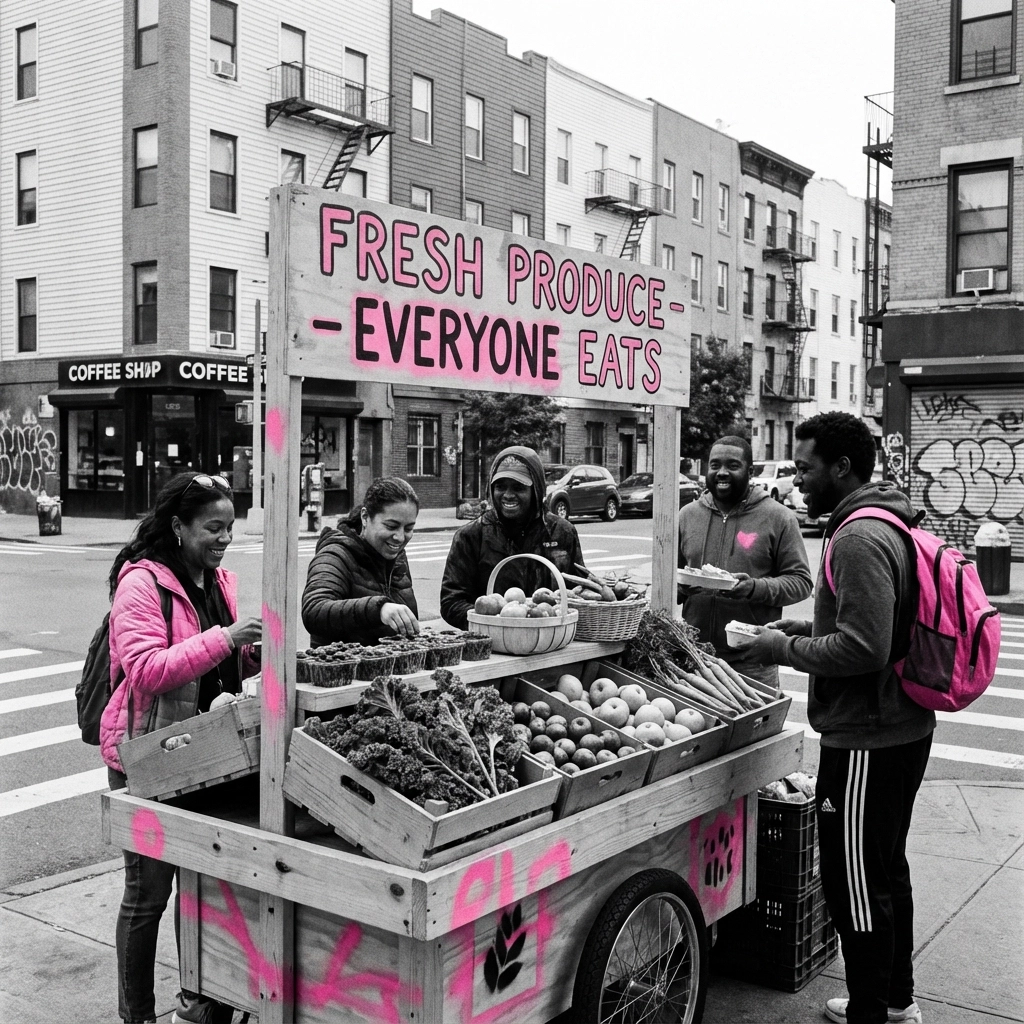
Whether you're subscribing to their CSA for regular delivery, stopping by their retail locations for direct purchasing, or waiting for their planned "CornerJawn" locations that'll bring affordable fresh alternatives to neighborhood corners, you've got options that fit your life.
What's beautiful about this model is how it removes barriers while maintaining quality. You're getting the same organic, locally sourced produce whether you're picking it up at a suburban location or accessing it through a community program. That's equity in action, bestie.
The Wellness Ripple Effect: How Markets Transform Communities
Here's what's really happening when these markets pop up in neighborhoods: they're creating what researchers call the "seven dimensions of wellness" all in one space. We're talking cultural celebration through diverse food offerings and multilingual support, economic empowerment through local business support, and emotional wellness through safe, welcoming community spaces.
The intellectual growth happening at these markets is honestly inspiring. You'll find cooking demonstrations running alongside financial literacy classes, with kids getting STEM education through gardening while their parents learn about nutrition and food preparation. It's like having a community college campus that smells amazing and gives you dinner.
The physical health benefits go way beyond just accessing fresh produce (though that's huge). These markets host yoga classes, fitness demonstrations, and walking groups. They bring in healthcare partnerships for free screenings and blood drives. When your weekly grocery run includes a blood pressure check and a meditation session, you know you're in the right place.
Your Next Steps to Market Wellness
Ready to tap into this colorful world of urban wellness? Start by finding the fresh food markets in your area: many cities have programs similar to what we've explored here. Look for markets that accept SNAP benefits, offer cooking demonstrations, or have community programming beyond just selling food.
If you're feeling inspired to grow your own wellness journey, consider joining a community garden or volunteering at a local market. The connections you'll make and the skills you'll learn will transform how you think about food, community, and health.
Remember: urban wellness isn't about having access to the fanciest wellness trends. It's about creating sustainable, community-driven approaches to health that work for real people living real lives in real neighborhoods. These colorful markets are proving that wellness can be accessible, beautiful, and transformative when it's rooted in community.
Your health journey doesn't have to look like anyone else's: but it should definitely include the vibrant, life-changing energy of fresh food markets that are reimagining what urban wellness can be. Check out more health and wellness resources to continue building your wellness community.

Comments