ADHD: What Urban Communities Need to Know
- Shalena
- 3 days ago
- 5 min read

Let's keep it real about something that affects millions of people in our communities but gets talked about all wrong.
ADHD isn't just "hyper little boys who can't sit still." It's not something you grow out of, and it definitely isn't an excuse for being lazy or undisciplined. Yet in Black and Brown communities, these myths run deep , and they're keeping people from getting the support they actually need.
Here's the tea: ADHD affects about 6-9% of children and 4% of adults, but in urban communities of color, it's often misunderstood, misdiagnosed, or completely missed. And that's a problem we need to address head-on.
What ADHD Actually Looks Like in Real Life
Forget what you think you know about ADHD. It's not one-size-fits-all hyperactivity.
ADHD shows up in three main ways:
Inattentive type (what used to be called ADD) , You zone out during conversations, lose your keys constantly, start projects but never finish them, and feel overwhelmed by simple tasks like paying bills or cleaning.
Hyperactive-impulsive type , You interrupt people, make decisions quickly (sometimes too quickly), feel restless sitting through meetings, and struggle with waiting your turn.
Combined type , You experience both sets of symptoms, which is actually the most common form.
But here's where it gets complicated: ADHD looks different in women, adults, and people of color , and the medical system has been slow to catch up.

Women and girls often present with inattentive symptoms rather than hyperactivity, leading to years of being labeled as "daydreamers" or "not living up to their potential." Adults might have learned coping mechanisms that mask their symptoms, making diagnosis harder. And in communities where being labeled as "different" can have serious social consequences, many people learn to hide their struggles entirely.
The Urban Advantage (Yes, There Is One)
Living in a city when you have ADHD isn't all bad news. In fact, research shows that larger cities actually offer protective factors against ADHD complications.
Cities typically have:
More mental health professionals per capita
Better access to specialized ADHD services
More diverse treatment options beyond medication
Public transportation (which can be a lifesaver when you struggle with focus while driving)
24/7 resources and support systems
More acceptance of neurodivergent traits in creative and tech industries
The key factor? Green spaces. Studies show that kids living near parks and green areas have significantly lower ADHD symptoms. Children from lower-income families show the most improvement when they have access to nature : yet these neighborhoods typically have the least green space. It's a reminder that your environment directly impacts your mental health.
But City Life Also Brings Unique Challenges
Let's not sugarcoat it : urban living can be sensory overload central for people with ADHD.
Common city triggers include:
Crowded public transportation
Constant noise pollution
Overwhelming visual stimulation
Complex navigation systems
High-stress, fast-paced environments
Air pollution (which research links to increased ADHD symptoms)
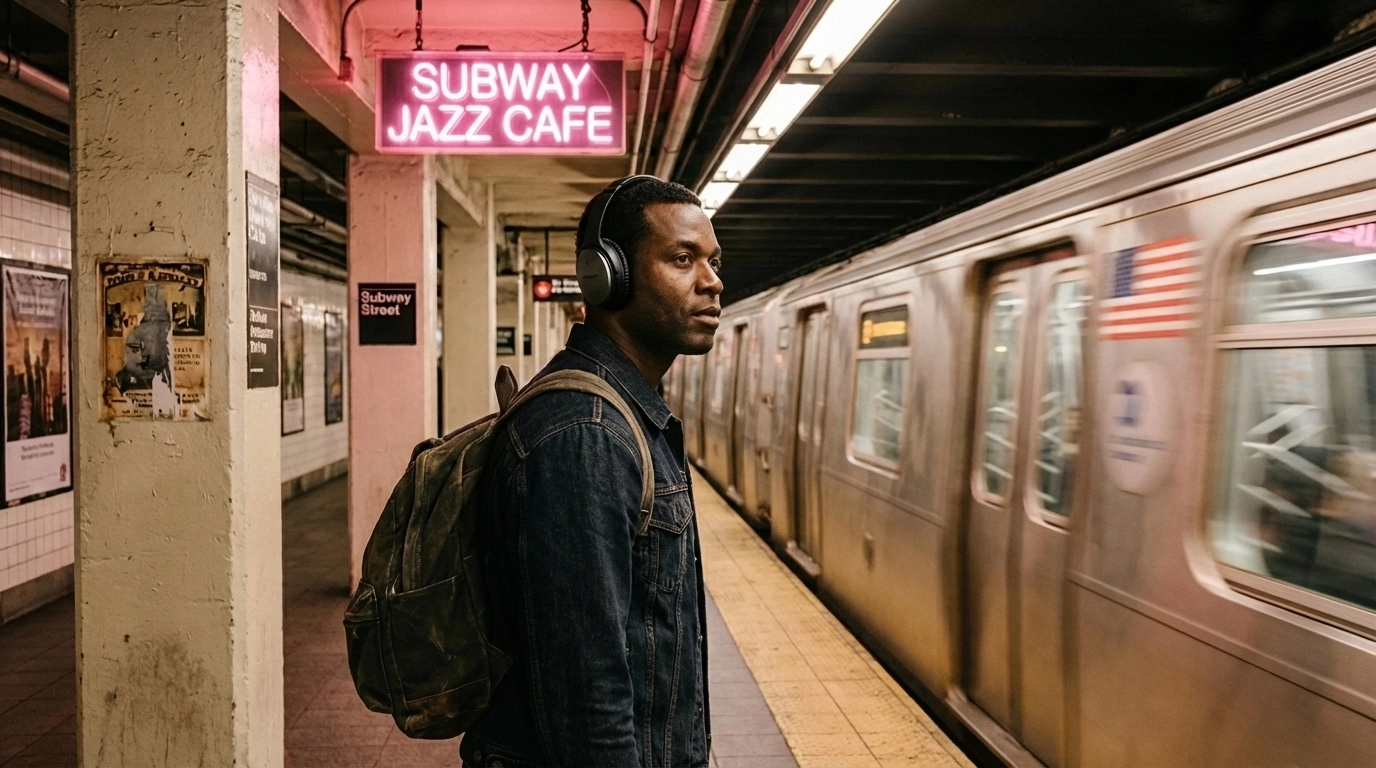
The trick isn't avoiding cities : it's learning how to navigate them in ways that work with your brain, not against it.
Practical ADHD Hacks for Urban Life
Organization that actually works:
Use your phone's location-based reminders ("Remind me to buy milk when I get to the grocery store")
Keep duplicates of important items (keys, chargers, MetroCard) in multiple places
Set up automatic bill pay for everything possible
Use delivery services for routine purchases to reduce decision fatigue
Work and school strategies:
Find cafes or co-working spaces with background noise if silence feels too distracting
Use noise-canceling headphones during commutes to decompress
Break large tasks into tiny, specific steps ("Reply to three emails" instead of "catch up on email")
Schedule important conversations and meetings earlier in the day when your focus is stronger
Transportation tips:
Download offline maps so you're not relying on data when you're lost
Set multiple alarms for departure times
Keep transit cards and important items in the same pocket every time
Use ride-sharing apps when driving feels too overwhelming
Breaking Through Cultural Stigma
Here's where things get heavy, but we need to talk about it.
In many Black and Brown communities, ADHD symptoms get misinterpreted through cultural lenses that don't serve anyone:
"You just need more discipline" : This ignores that ADHD is a neurological difference, not a character flaw
"Stop making excuses" : Acknowledging ADHD isn't excuse-making; it's understanding how your brain works
"That's just how boys are" : This leads to girls and women being consistently underdiagnosed
"You're too smart to have ADHD" : Intelligence and ADHD aren't mutually exclusive

The reality is that untreated ADHD leads to higher rates of anxiety, depression, substance use, and relationship problems. Stigma doesn't protect anyone : it just makes people suffer in silence.
Navigating Misdiagnosis and Getting Proper Support
Unfortunately, people of color are more likely to be misdiagnosed or have their ADHD symptoms attributed to behavioral issues rather than neurological differences.
Red flags in medical settings:
Doctors who dismiss your concerns without proper evaluation
Focus only on hyperactivity while ignoring inattentive symptoms
Assumptions based on race, gender, or socioeconomic status
Rushing to prescribe medication without exploring other factors
What to look for in good ADHD care:
Comprehensive evaluation that includes your full history
Providers who understand cultural factors and bias
Discussion of multiple treatment approaches
Respect for your lived experience and self-advocacy
When Medication Isn't an Option
Not everyone can or wants to take ADHD medication, and that's valid. Urban environments actually offer lots of non-medication support strategies:
Community resources:
ADHD support groups (many cities have them)
Community centers with structured activities
Libraries with quiet study spaces and organization workshops
Recreational centers with physical activity programs
Lifestyle approaches:
Regular exercise (even 20-minute walks help with focus)
Consistent sleep schedules (harder in the city, but crucial)
Mindfulness apps and meditation classes
Nutrition support (some people find dietary changes helpful)
Building Your Urban ADHD Support Network
You don't need a huge support system : you need the right one.
Key people to have in your corner:
One friend who understands when you need to cancel plans
A healthcare provider who takes ADHD seriously
A mentor or colleague who can help with work strategies
Online communities where you can connect with others who get it

Join discussions about ADHD and mental health in urban communities at Shalena Speaks' Mental Health Hub, where real conversations happen without judgment.
Looking Forward: ADHD as Part of Your Story, Not the Whole Story
Living with ADHD in urban communities comes with unique challenges, but also unique opportunities.
Your ADHD brain might struggle with traditional office environments, but thrive in creative, fast-paced, or entrepreneurial settings that cities offer. You might find it hard to focus in quiet spaces but do great work in bustling cafes. You might struggle with routine but excel when every day brings something different.
The goal isn't to "fix" your ADHD : it's to understand how your brain works and build a life that works with it.
Remember:
ADHD is not a moral failing or lack of willpower
You deserve support and accommodation, not judgment
Your experiences and struggles are valid
Many successful people have ADHD : you're in good company

Resources That Actually Help
National organizations with urban focus:
Children and Adults with Attention-Deficit/Hyperactivity Disorder (CHADD) : has local support groups in major cities
ADHD Online : telehealth services that work well for urban lifestyles
The National Resource Center on ADHD : comprehensive information and resources
For finding culturally competent care:
Psychology Today's therapist directory with filters for specialties and cultural background
Your city's community health centers often have sliding-scale mental health services
Employee assistance programs through work often include mental health referrals
The bottom line? You're not broken, and you're not alone. ADHD in urban communities is real, it's common, and it's manageable with the right information and support.
Your brain just works differently : and in the right environment, that difference can be your superpower.
Comments