The Gentrification Dilemma: New Cafés vs. Community Roots in Black Neighborhoods
Updated: Jan 15
Here's the tea, bestie, when that shiny new coffee shop pops up on the corner where Ms. Johnson's beauty supply used to be, it's not just about overpriced lattes. We're talking about a complex web of change that's reshaping Black neighborhoods across America, and honey, the effects run way deeper than you might think.
You've probably seen it happening in your own community or heard friends talking about it. One day you're paying $2 for coffee at the local spot where everyone knows your name, and the next thing you know, there's a minimalist café charging $6 for a cortado and suddenly your rent notice has some interesting new numbers on it.
The Real Talk About Coffee Shop Economics
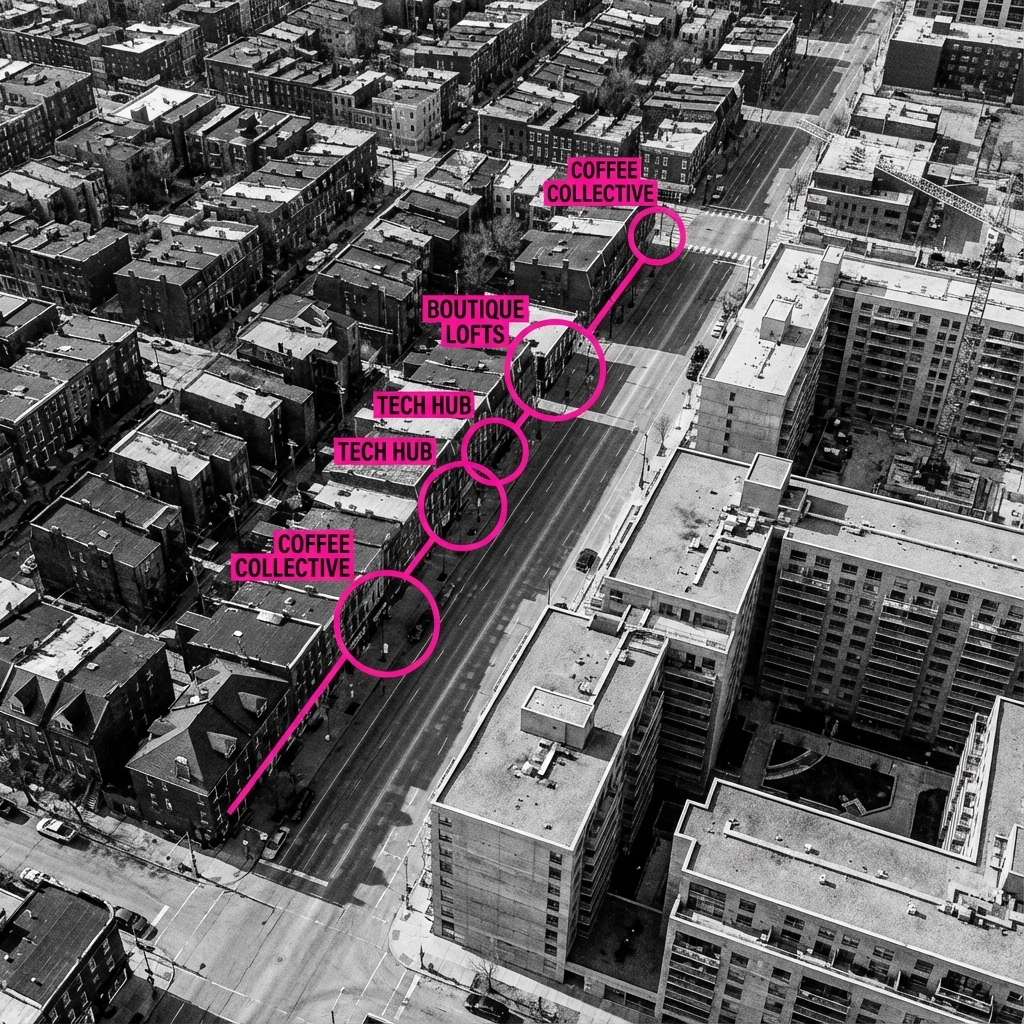
Let's be real, specialty coffee shops aren't just innocent businesses trying to serve great coffee. They're economic indicators, and when they roll into historically Black neighborhoods, they're usually signaling that bigger changes are coming. These establishments cater to younger, more affluent demographics, and that shift in customer base tells property owners and developers exactly what they need to know.
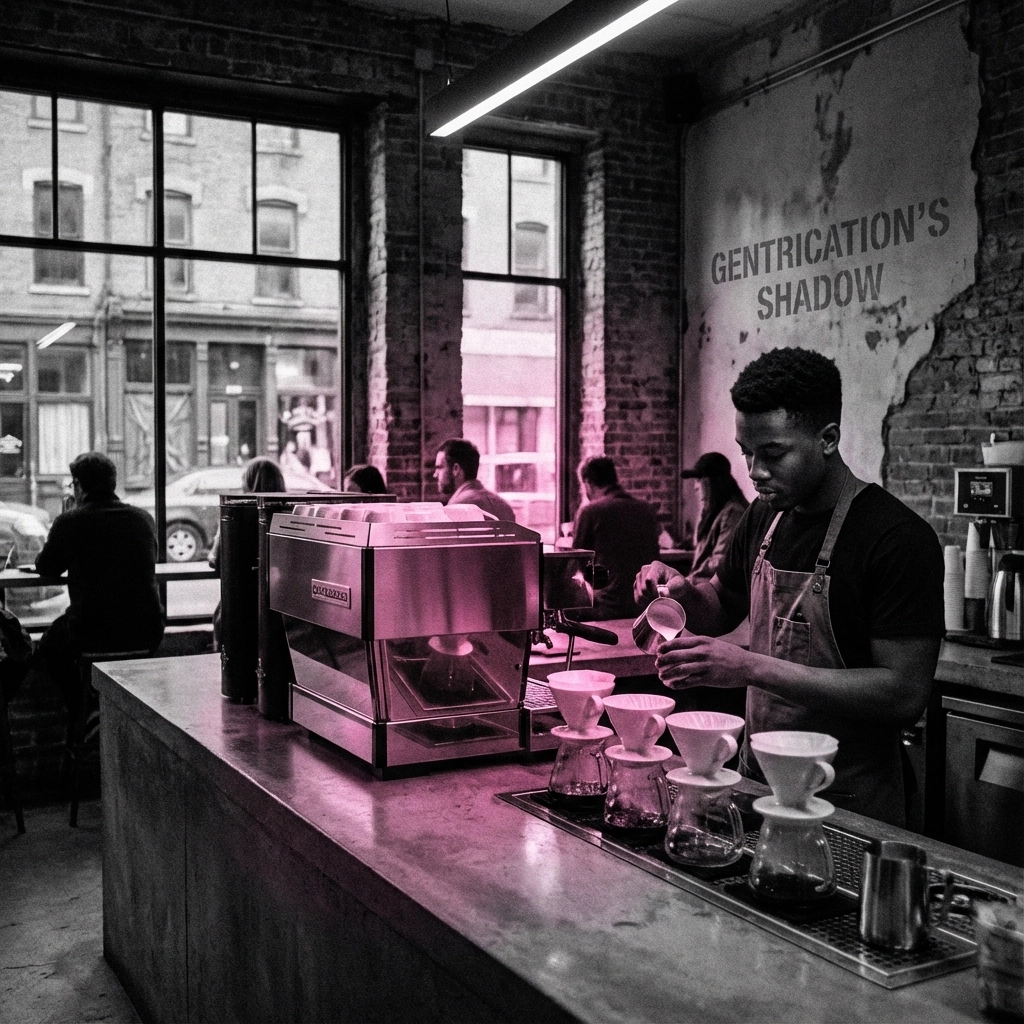
When a neighborhood transitions from serving affordable coffee to specialty beverages, it's creating what economists call a "pricing signal." If you can't afford to drop $6 on a daily coffee habit, you're essentially being told this space isn't for you anymore. And that's just the beginning of a cycle that affects everything from grocery stores to barbershops to the corner store where you've been buying your nephew's birthday cards for years.
The numbers don't lie, since 1980, gentrification has pushed out 261,000 Black residents from majority-Black neighborhoods. That's not just statistics, that's families, communities, and generations of cultural wealth being scattered to the wind.
When Community Pillars Become Profit Centers
You know what really gets me heated? It's not just that new businesses move in, it's that they often replace Black-owned establishments that have been community anchors for decades. That beauty supply shop wasn't just selling hair products; it was where folks caught up on neighborhood news, where teenagers got their first jobs, where elderly residents felt seen and valued.
These aren't just business transactions we're talking about. When your grandmother's favorite restaurant gets replaced by an artisanal toast spot, you're losing more than just good food, you're losing cultural touchstones that can't be replicated.
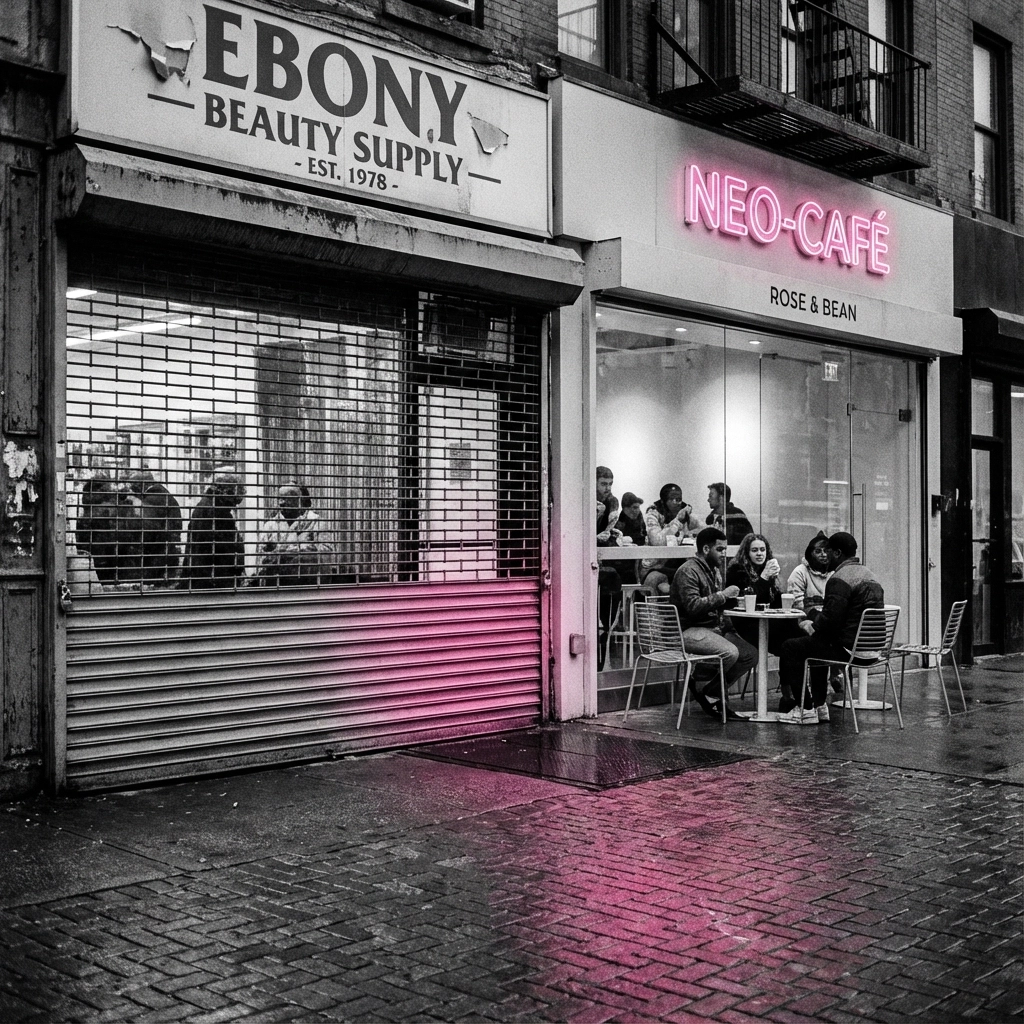
The regulatory barriers that somehow become easier for newcomers to navigate while longtime Black business owners struggle? That's not coincidence, bestie. That's systemic discrimination playing out in real time. The same zoning laws and permit processes that kept Black entrepreneurs locked out suddenly become manageable when the "right" kind of businesses want to move in.
The Historical Context You Need to Understand
Here's what's really wild, the low property values that make these neighborhoods attractive to developers in the first place? They're not natural market conditions. They're the direct result of decades of redlining, racist urban renewal policies, and discriminatory lending practices that deliberately kept Black communities underinvested.
So when developers and trendy café owners talk about "revitalizing" neighborhoods, what they're really doing is profiting from the very inequities that created the opportunity in the first place. It's like setting someone's house on fire and then charging them to put it out.
The connection runs even deeper when you consider coffee's own history. The coffee industry was literally built on colonial extraction and slave labor, with seeds stolen from Africa and profits made through exploitation. Modern coffee shop gentrification continues this pattern, extracting value from Black and Latino communities while offering little in return.
Stories From the Front Lines
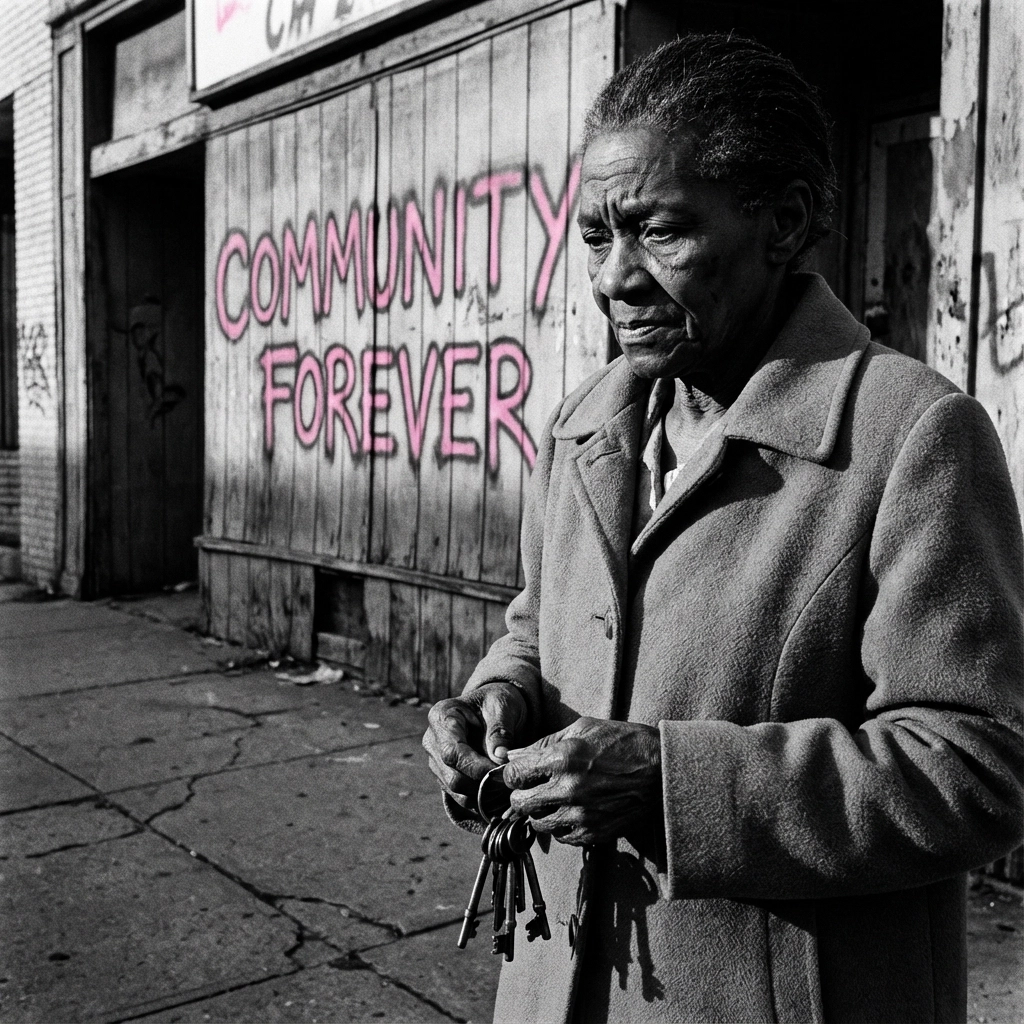
Maria, a longtime resident of Oakland's Fruitvale district, watched her neighborhood transform over five years. "First came the coffee shop with the exposed brick walls," she told me. "Then the vintage clothing store. Now my landlord wants to double my rent because the neighborhood is 'up and coming.' Up and coming from what? We were already here, building community every day."
On the flip side, there's James, who opened a specialty coffee roastery in Atlanta's Old Fourth Ward. "I grew up three blocks from here," he explained. "When I came back with my business degree, I wanted to create something that honored the neighborhood I knew while also providing economic opportunity. But I had to be intentional about it, hiring locally, keeping prices accessible, creating space for existing community members."
The difference? James asked the right questions before opening his doors. He spent months talking to longtime residents, partnering with existing businesses, and figuring out how to serve the community that was already there, not just the one moving in.
The Cause vs. Effect Debate
Now, you might be wondering, do coffee shops cause gentrification, or do they just follow it? The research suggests it's both, honestly. These establishments often arrive as part of broader redevelopment plans, but once they're established, they accelerate the process by attracting more investment and higher-income residents.
Think of it like this: the coffee shop might not be the spark, but it's definitely adding fuel to the fire. When you create spaces that signal cultural cache and economic upward mobility, you're preparing the neighborhood for what researchers call "market extraction", basically making it easier for outside investors to profit from community displacement.
What Community-Minded Business Actually Looks Like
But here's where I want to shift the conversation, because it's not all doom and gloom. There are ways to do this right, and some businesses are proving it every day.
Real community investment looks like asking hard questions: Who is this space really for? Are you hiring from the neighborhood? Is your pricing accessible to existing residents? Are you celebrating and preserving local culture, or are you erasing it?
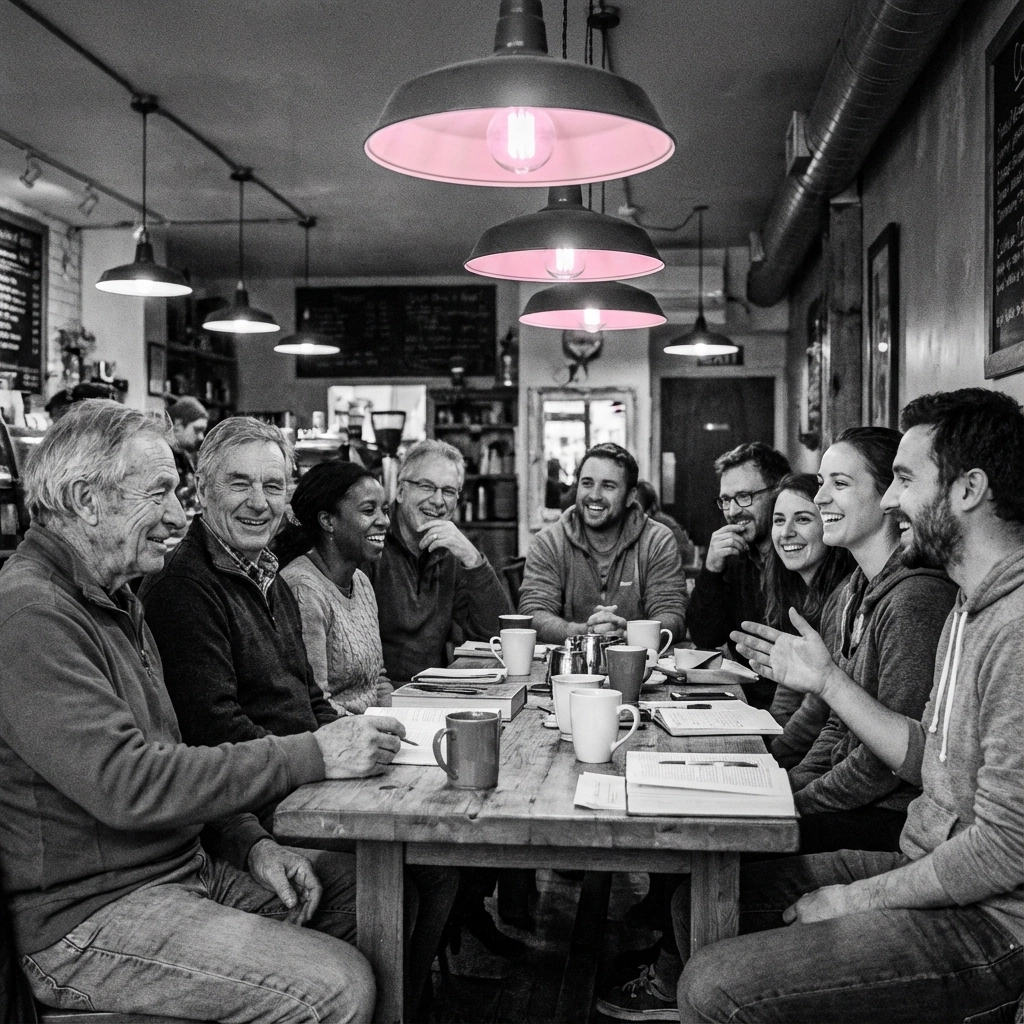
I've seen cafés that reserve wall space for local artists, offer sliding-scale pricing, and create programming that centers existing community voices. I've watched restaurants become genuine gathering spaces where longtime residents and newcomers build relationships instead of just coexisting awkwardly.
The key is intentionality. When business owners view gentrification as a problem to solve rather than an opportunity to exploit, they can become part of the solution. But that requires listening more than talking, and serving the community that's already there instead of just catering to the one moving in.
Moving Forward With Purpose
So where does this leave us? If you're a resident watching your neighborhood change, know that your feelings about it are valid. If you're a business owner or potential entrepreneur, understand that you have choices about how you show up in communities.
The gentrification dilemma isn't going to be solved by avoiding all new businesses or pretending that economic development is automatically bad. It's going to be addressed by demanding better: better engagement, better equity, better accountability from the people and institutions shaping our neighborhoods.
Your voice matters in these conversations. Attend community meetings. Ask hard questions of new businesses. Support establishments that are genuinely serving longtime residents. And if you're in a position to open or influence new ventures, do the work to understand the community you're entering.
Because at the end of the day, neighborhoods should grow and change with their residents, not in spite of them. The goal isn't to freeze communities in time: it's to ensure that the people who built and sustained them have a say in their future.
The next time you see that new coffee shop going up, remember that you have power in how this story unfolds. Use it wisely, and use it together.
Want to dive deeper into urban development and community empowerment? Check out our mental health resources and join the conversation on our community forum where we're building solutions together.


Comments