PTSD & Trauma-Related Disorders in Urban Communities: Breaking the Silence
Updated: Jan 10
Let's talk numbers for a second, because they're honestly wild.
31% of people living in urban communities have PTSD. That's nearly one in three people walking down your block, riding the same bus, working in the same building as you.
To put that in perspective? That's higher than the 17% rate among Iraq war veterans.
Read that again. Urban communities are dealing with trauma at rates higher than people who've been in active combat zones.
And yet we're still whispering about it like it's some kind of personal failure instead of recognizing it for what it really is, a response to surviving environments that were never meant to be survived.
What Trauma Actually Looks Like in Our Communities
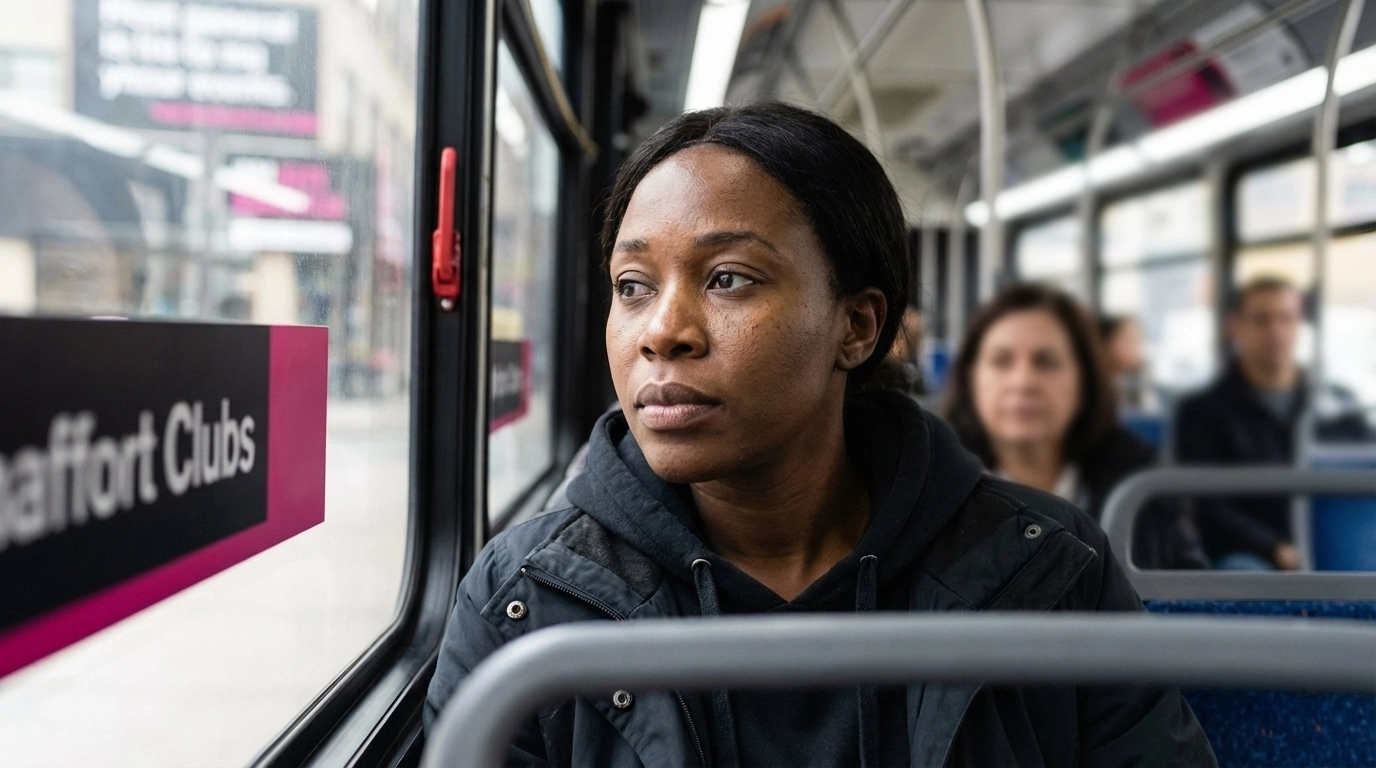
When people hear "PTSD," they often think about soldiers coming back from war. But trauma in urban communities looks different, and it's everywhere.
It's the kid who jumps every time they hear a car backfire because it sounds too much like gunshots.
It's the mom who can't sleep because she's listening for sounds that shouldn't be there.
It's the teenager who stops walking certain blocks because of what they witnessed there.
It's the person who gets panic attacks on the anniversary of losing someone to violence.
It's hypervigilance that feels normal until you realize you're exhausted from being "on" all the time.
Here's the tea: 30% of women living in poverty in urban areas meet the clinical criteria for PTSD. That's not a small problem, that's a community-wide crisis that we're not talking about nearly enough.
Trauma in urban communities isn't just about single incidents. It's about compound stress, layer after layer of experiences that your nervous system was never designed to handle.
Why Urban Communities Get Hit Harder
The research is clear, but let's break it down in real terms.
Neighborhood poverty directly correlates with PTSD symptoms. When you're living in areas with limited resources, crumbling infrastructure, and ongoing violence, your body stays in survival mode.
But it's not just about money, though that's definitely part of it.
It's about:
Environmental stressors that never stop: Noise, overcrowding, pollution, deteriorating buildings
Witnessing violence: Not just experiencing it directly, but seeing it happen to others in your community
Systemic discrimination: The ongoing stress of navigating systems that weren't built for your success
Limited access to quality healthcare and mental health services
Generational trauma: Carrying the unprocessed pain of previous generations
And here's something that doesn't get talked about enough: living in the same neighborhood for more than 5 years actually increases PTSD symptoms in high-stress urban areas. That's because the longer you're exposed to ongoing trauma, the more it compounds.
Breaking the Silence Around Urban Trauma
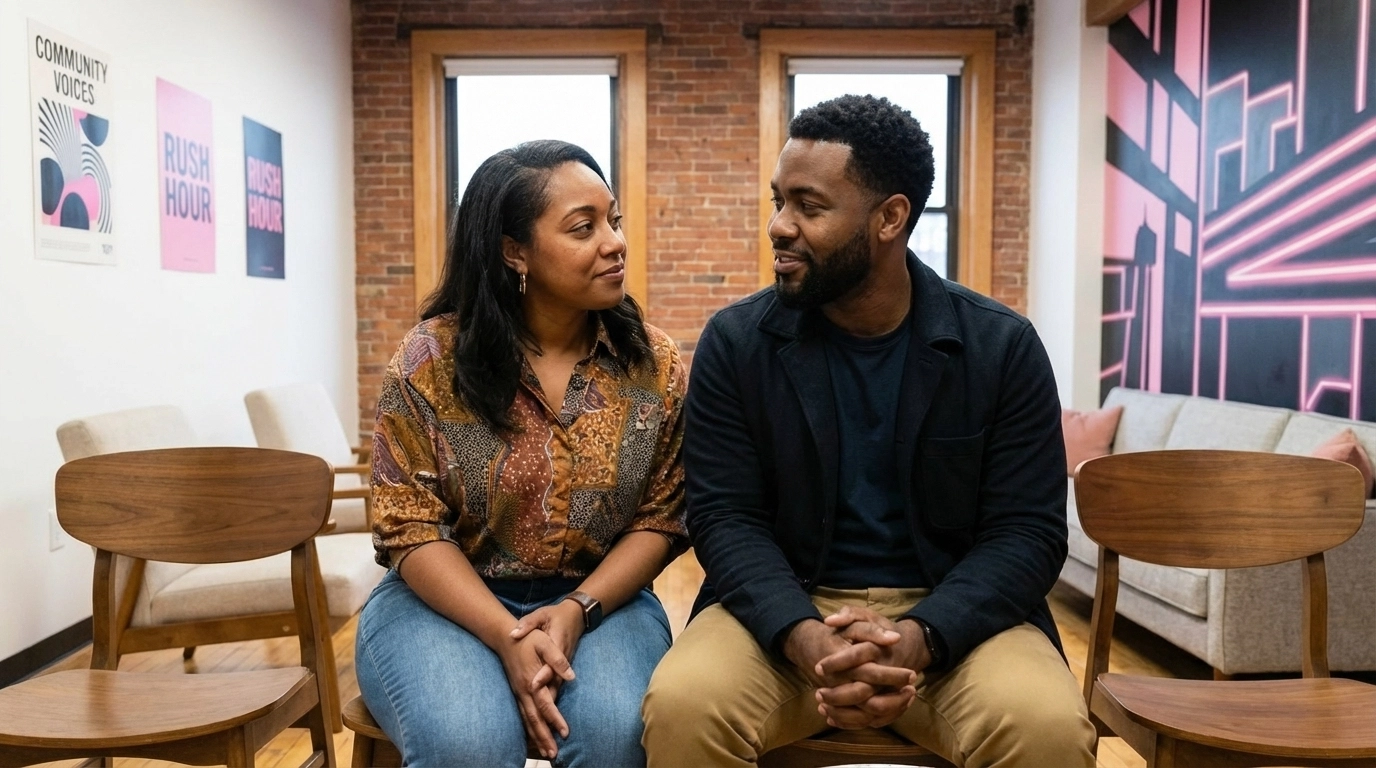
Let's be real, there's still massive stigma around mental health in Black and Brown communities.
"We don't talk about that." "Pray it away." "Other people have it worse." "We're strong, we don't need therapy."
But here's what we need to understand: Strength isn't pretending trauma doesn't exist. Strength is acknowledging it and finding ways to heal.
The silence isn't protecting anyone. It's just ensuring that people suffer alone.
And the statistics show us something important about who's struggling most: women are four times more likely to develop PTSD than men after trauma exposure. But men in urban communities are more likely to be exposed to traumatic events, especially violence.
That means we have women carrying heavy emotional loads and men who aren't getting the support they need after experiencing trauma. Neither situation is sustainable.
When Everyday Life Becomes a Trigger
Living with trauma-related disorders in urban environments means navigating triggers that other people might not even notice.
Sirens that sound too much like the ones from that night. Crowds that feel too chaotic. Loud voices that remind you of arguments that turned violent. Certain smells, sounds, or even times of day.
Your reactions aren't dramatic, they're adaptive. Your nervous system learned to protect you in an environment where protection was necessary.
The problem is when those same protective responses start interfering with your daily life:
Avoiding entire neighborhoods or situations
Difficulty sleeping or staying asleep
Feeling constantly on edge or easily startled
Emotional numbness or feeling disconnected
Intrusive thoughts or flashbacks
Physical symptoms like headaches, stomach issues, or chronic pain
If any of this sounds familiar, you're not broken. You're responding normally to abnormal circumstances.
Healing Happens in Community
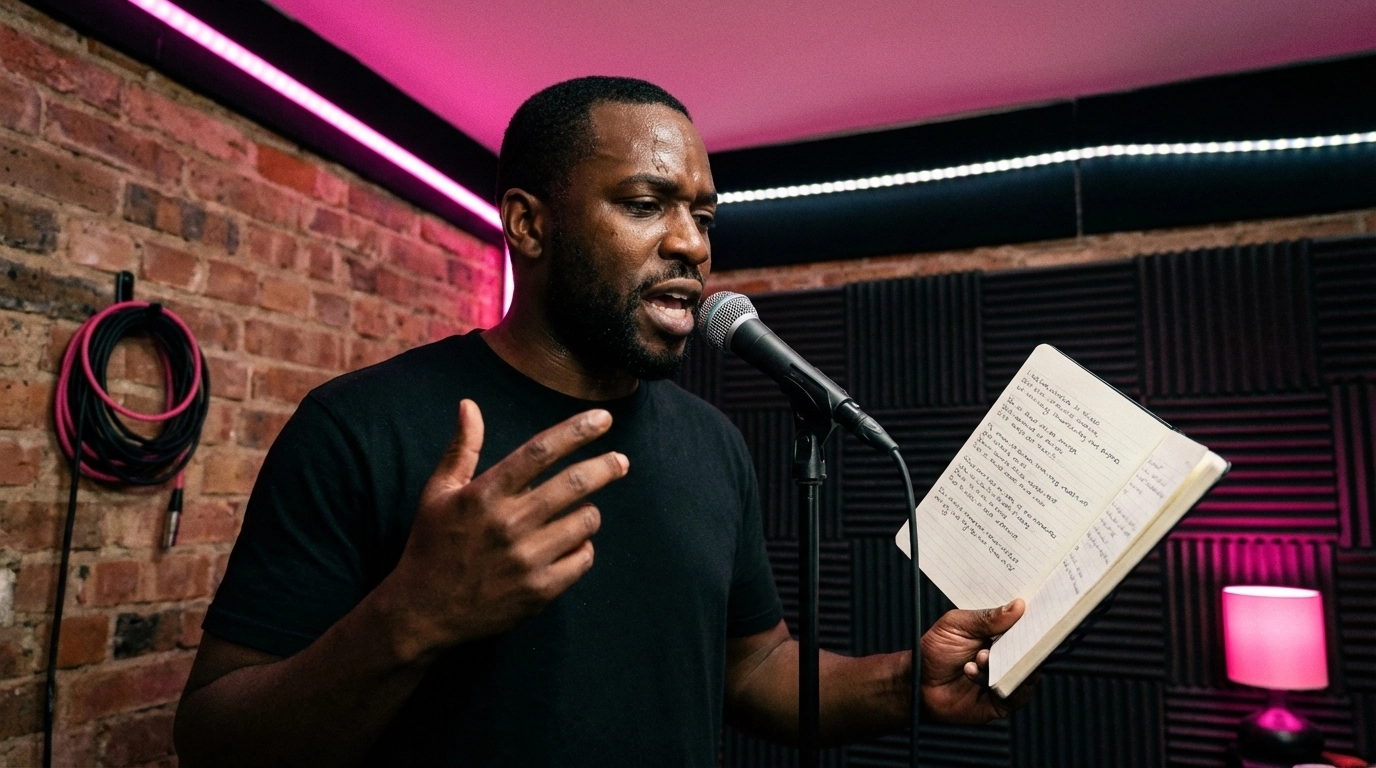
Here's what the research won't tell you but lived experience will: healing from trauma in urban communities often looks different than what you see in textbooks.
Sometimes it's:
Faith and spirituality, whether that's traditional church, mosque, temple, or your own spiritual practice. Many people find grounding in something bigger than themselves.
Creative expression, music, art, writing, dance. There's a reason why hip-hop, spoken word, and other urban art forms often deal with trauma and healing.
Community organizing, turning pain into purpose by working to change the conditions that create trauma in the first place.
Chosen family, creating support systems with people who understand your experience, even if they're not blood relatives.
Cultural traditions, connecting with practices and wisdom from your heritage that provide comfort and grounding.
Movement and physical activity, whether that's dancing, martial arts, sports, or just walking, moving your body can help process trauma.
Finding Professional Support That Gets It
Look, we need to talk about therapy and professional help, because it matters, even when it's hard to access.
The challenge is finding providers who understand the specific trauma of urban communities. Not everyone gets the impact of systemic racism, poverty, or community violence on mental health.
What to look for:
Trauma-informed therapists who understand how trauma affects the body and mind
Culturally competent providers who don't make you explain your entire cultural context
Community mental health centers that offer sliding-scale fees
Group therapy options where you can connect with others who've had similar experiences
And here's something important: it's okay to shop around. If a therapist doesn't feel like a good fit, that doesn't mean therapy doesn't work, it means you need a different therapist.
Daily Coping When Professional Help Isn't Available
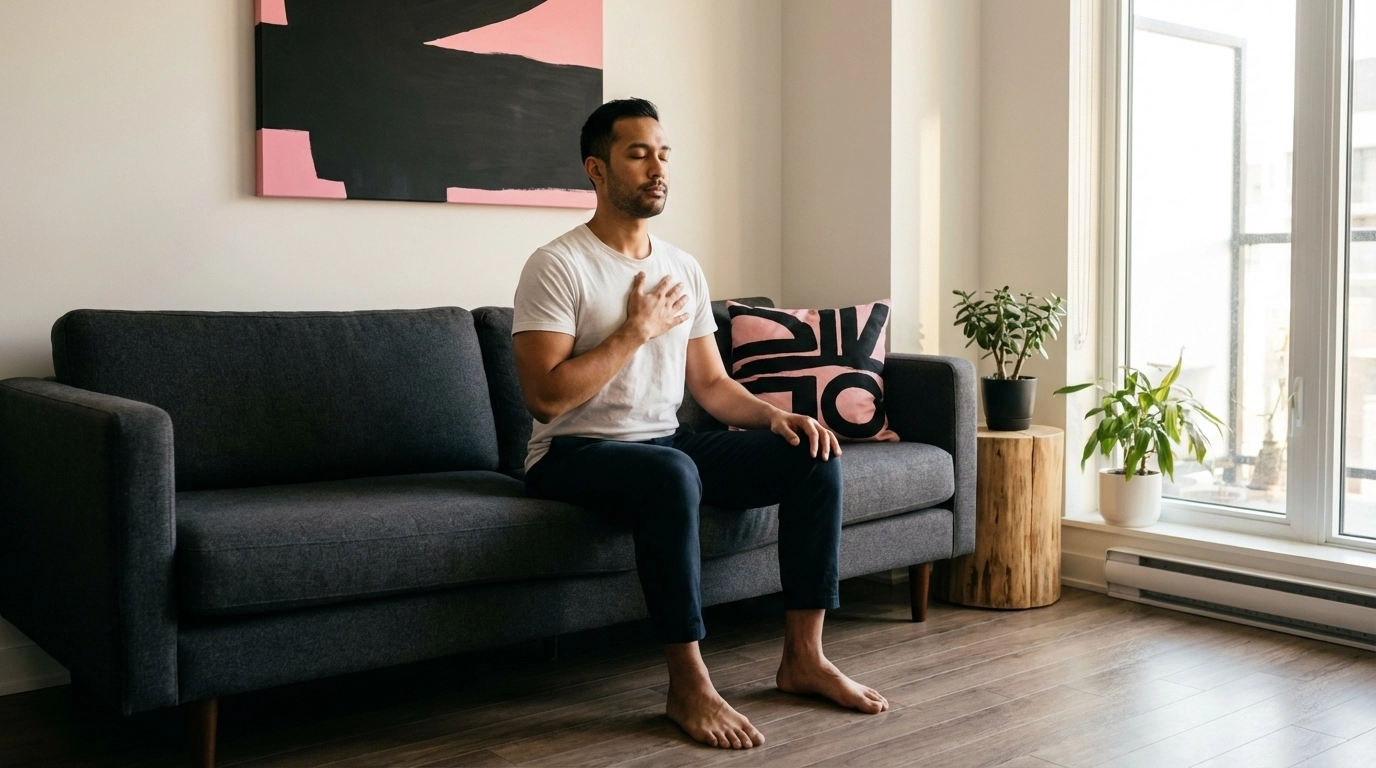
Because let's be honest, professional help isn't always accessible. Cost, location, waiting lists, providers who don't understand your experience... the barriers are real.
So what can you do day-to-day?
Grounding techniques that work anywhere:
Name 5 things you can see, 4 you can touch, 3 you can hear, 2 you can smell, 1 you can taste
Put your feet flat on the floor and feel the pressure
Hold an ice cube or splash cold water on your face
Listen to music that makes you feel safe
Creating safety in your space:
Having a room or corner that feels completely yours
Keeping photos or items that bring you comfort nearby
Using lighting, scents, or sounds that help you feel calm
Building your support network:
Identifying one person you can text when things get bad
Joining online communities where you can be anonymous but connected
Finding local support groups or community organizations
Protecting your energy:
Limiting news consumption when it's too triggering
Being selective about social media
Saying no to events or people that consistently drain you
Moving Forward Together
Trauma in urban communities isn't just an individual problem: it's a collective one. And healing happens best when we stop trying to do it alone.
That means:
Checking in on your people. Not just "how are you" but really paying attention to changes in behavior or mood.
Sharing resources. If you find something that helps: a therapist, a group, an app, a technique: pass it on.
Speaking up about mental health. The more we normalize these conversations, the easier it becomes for others to seek help.
Supporting policy changes that address the root causes of urban trauma: housing, education, criminal justice reform, healthcare access.
Recognizing that healing isn't linear. Some days will be better than others, and that's okay.
You're Not Walking This Alone
If you're reading this and seeing yourself in these words, here's what you need to know:
Your trauma is valid. It doesn't matter if other people have experienced "worse": your pain is real and deserves attention.
Healing is possible. It might not look like what you expected, and it might take longer than you want, but it's possible.
You're already stronger than you know. The fact that you're here, reading this, looking for ways to understand and cope: that's strength in action.
Community matters. You don't have to figure this out alone.
The silence around trauma in urban communities has gone on too long. But every conversation we have, every story we share, every person who seeks help is breaking that silence a little bit more.
And that's how change happens: one person, one conversation, one community at a time.
Need someone to talk to right now? Connect with others in our Mental Health Hub where real conversations happen in a safe space.


Comments