Personality Disorders in the City: Misunderstood &Overlooked
Updated: Jan 15
Here's the tea that nobody talks about: 1 in 7 people in urban communities are living with some form of personality disorder, yet most of us have never heard anyone openly discuss it.
Let's be real – when someone mentions "personality disorder," most people either don't know what that means or they picture the worst stereotypes from movies and TV. But the reality? Your coworker who struggles with relationships, your cousin who can't handle criticism, that friend who seems to have a different personality depending on who they're with – they might be dealing with something that has a name, an explanation, and most importantly, hope for management.
What Are Personality Disorders, Really?
Think of personality disorders as patterns of thinking, feeling, and behaving that are pretty different from what society expects – and these patterns cause real problems in someone's daily life.
We're not talking about quirks or being "difficult." We're talking about deep, consistent patterns that make it hard to:
Keep relationships stable
Handle emotions in typical ways
See yourself and others clearly
Function at work, school, or home
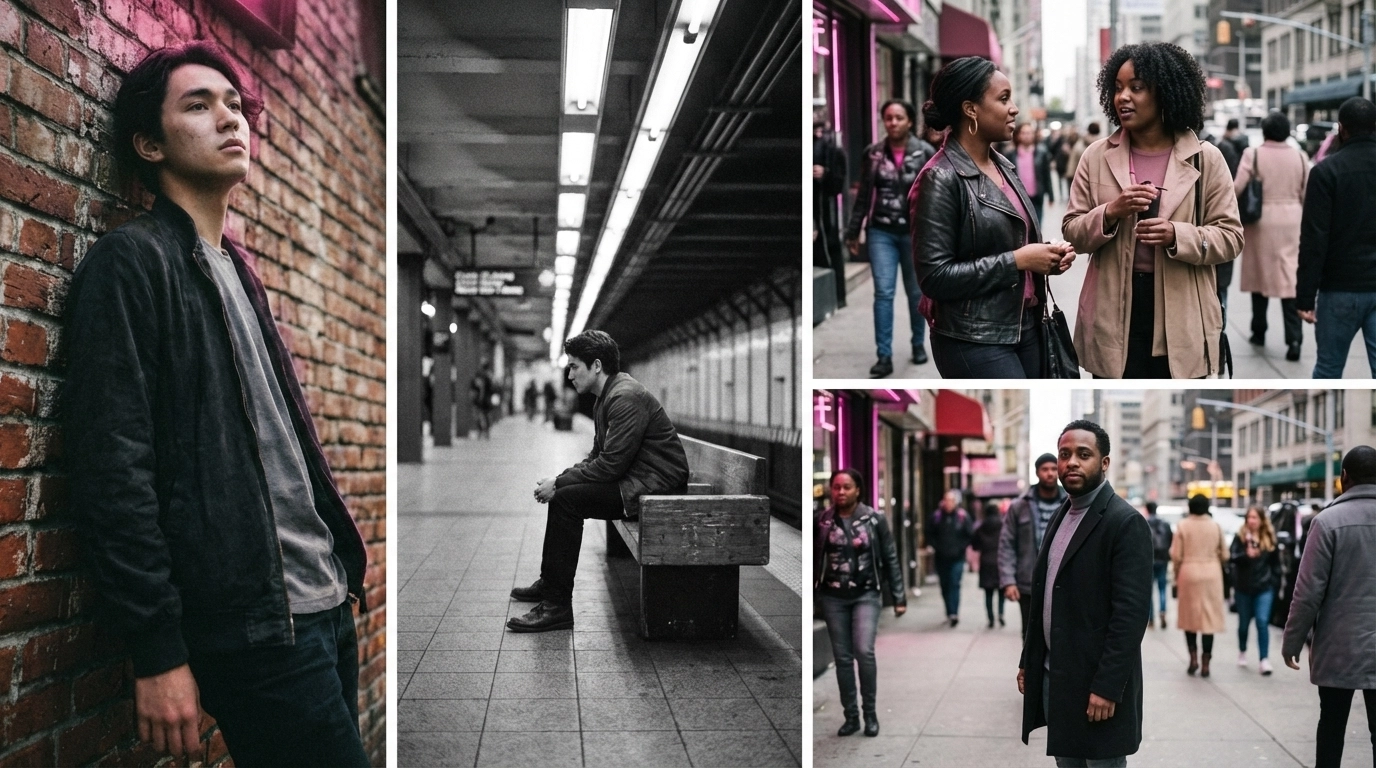
The thing is, these patterns usually start in adolescence or early adulthood, and they stick around. They're not something you just "grow out of" or fix with a good pep talk.
Why Cities Hit Different
Research shows that personality disorders are way more common in city centers than in suburban or rural areas. And if you've lived in the city, this probably doesn't surprise you.
The urban reality check:
Population density in city centers is over twice as high as outer areas
More anonymity means less accountability and support
Higher stress levels from noise, crowds, and financial pressure
More exposure to trauma and instability
Less access to consistent mental healthcare
Cities can be amazing for opportunity and culture, but they can also amplify mental health struggles. When you're already dealing with personality patterns that make life challenging, adding urban stress can push things over the edge.
The Types Nobody Talks About
Let's break down some of the most common personality disorders you might recognize but never had names for:
Borderline Personality Disorder (BPD): Intense fear of abandonment, unstable relationships, mood swings, impulsive behavior. That person who goes from loving someone to cutting them off completely? Might be BPD.
Narcissistic Personality Disorder (NPD): Need for admiration, lack of empathy, grandiose self-image. The social media influencer who can't handle any criticism and treats service workers terribly? Could be NPD.
Antisocial Personality Disorder: Disregard for others' rights, lying, impulsivity, lack of remorse. Not just "antisocial" like introverted – we're talking about patterns of hurting others without feeling bad about it.
Avoidant Personality Disorder: Extreme social anxiety, feeling inadequate, avoiding social situations. That friend who cancels plans last minute because they convinced themselves everyone secretly hates them.

The Stigma Hits Different in Our Communities
In Black and Brown communities, personality disorders carry extra layers of misunderstanding and shame.
What we often hear instead:
"They're just dramatic"
"That's just how their family is"
"They need to pray about it"
"Stop making excuses for bad behavior"
The cultural complications:
Mental health is already stigmatized
Personality disorders sound like "character flaws"
Community healing often focuses on resilience over getting help
Therapy is seen as "airing dirty laundry"
But here's what's real: personality disorders aren't about being weak or having bad character. They're often responses to trauma, genetics, brain chemistry, and environmental factors that are completely outside someone's control.
Why They Get Overlooked
Even mental health professionals sometimes avoid dealing with personality disorders. Why?
The honest reasons:
They're complex and take longer to treat
There's still stigma even among therapists
Insurance often doesn't cover long-term treatment adequately
They require specialized training many professionals don't have
In urban communities specifically:
Overworked community mental health centers
Focus on crisis intervention over long-term care
Cultural misunderstanding by providers
Lack of diverse mental health professionals
This means people are suffering in silence, thinking they're "just difficult" or "broken," when they actually have treatable conditions.
Living With It in the City
If you're dealing with a personality disorder in an urban environment, you're facing unique challenges:
The daily reality:
Crowded spaces can trigger anxiety and paranoia
Anonymous city life makes it easier to isolate
Fast-paced environment doesn't allow for processing emotions
Financial stress makes everything worse
Dating and relationships feel impossible
But cities also offer advantages:
More diverse therapy options
Support groups and community resources
Anonymity can provide safety to explore identity
Cultural diversity means less pressure to fit one mold
More acceptance of "different" ways of being
Getting Real About Treatment
Let's talk about what actually helps, because "just think positive" isn't it.
What works:
Dialectical Behavior Therapy (DBT): Especially for BPD, teaches emotion regulation
Schema Therapy: Helps identify and change deep patterns
Mentalization-Based Therapy: Improves ability to understand your own and others' mental states
Group therapy: Learning you're not alone is powerful
Medication: Not a cure, but can help with symptoms like depression or anxiety
Making it accessible:
Community mental health centers
Sliding scale therapists
Online therapy platforms
Support groups (many are free)
Crisis hotlines for immediate help
Supporting Someone (Or Yourself)
If someone in your life might be dealing with a personality disorder:
Do this:
Listen without immediately trying to fix
Set healthy boundaries for yourself
Encourage professional help gently
Learn about their specific condition
Remember it's not about you
Don't do this:
Take their behavior personally
Enable destructive patterns
Try to be their therapist
Give ultimatums unless it's necessary for your safety
Assume they're doing it "on purpose"
The Hope Part
Here's what nobody tells you: personality disorders are treatable. Not curable like a broken bone, but manageable like diabetes.
Real progress looks like:
Better relationships, even if they're still complicated
Understanding your patterns instead of being controlled by them
Having tools to handle intense emotions
Building a support system that works
Living a meaningful life despite the challenges
Success stories exist:
People with BPD learning to have stable relationships
Those with NPD developing genuine empathy
Individuals with avoidant patterns building social connections
People finding careers that work with their personality, not against it
Moving Forward
If any of this sounds familiar – whether for yourself or someone you care about – know that recognition is the first step.
Personality disorders aren't character flaws or moral failings. They're complex conditions that develop for complex reasons, and they deserve the same compassion and professional attention as any other mental health condition.
In our urban communities, where we're already dealing with so much, mental health can't be an afterthought. Understanding personality disorders – and getting rid of the stigma around them – is part of creating communities where everyone can thrive.
You're not broken. You're not "too much." You're human, dealing with human struggles, and you deserve support, understanding, and hope.
Want to continue this conversation or find resources? Check out our mental health community where real people share real experiences without judgment.


Comments